
-
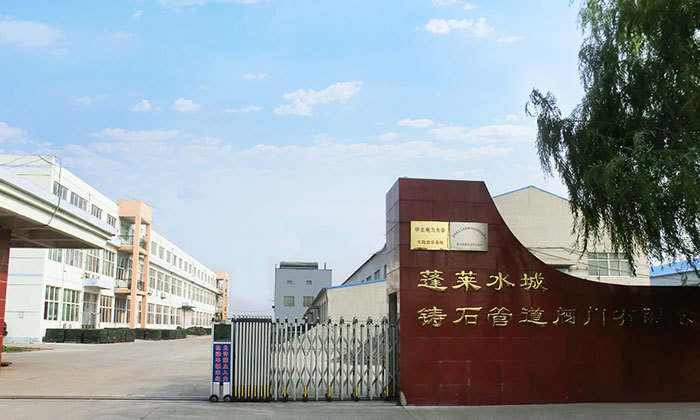
About UsSpecializing in the production and sales of wear-resistant materials such as cast basalt products, the company has obtained over 20 invention patents and utility model patents, and was awarded the "Shandong Star Enterprise of China Patent" title. The company has a history of over 20 years, and currently owns a single basalt cast basalt production line with a production capacity of 15000 tons/year, and mechanical processing equipment with an annual output of 5000 wear-resistant valves and 20000 clamp-type flexible pipe joints.
-
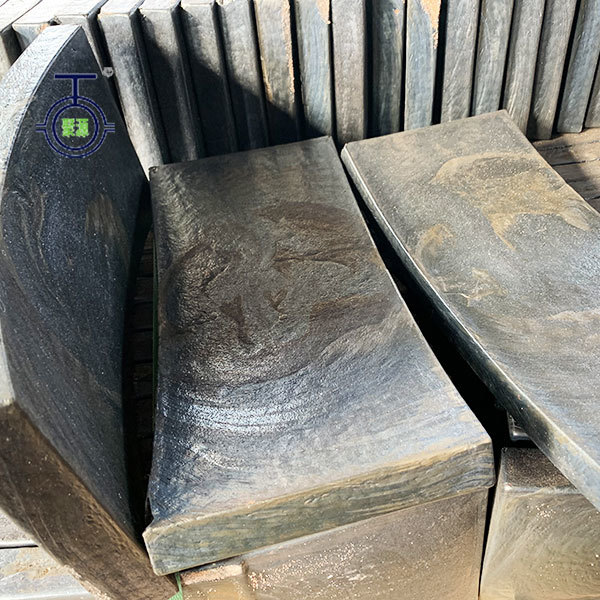
Cast BasaltCast basalt products include cast basalt pipes, cast basalt tiles, cast basalt powder, cast basalt lined steel pipes, etc., mainly used in industries such as electric power, metallurgy, mining, coal, building materials, and chemical.

-
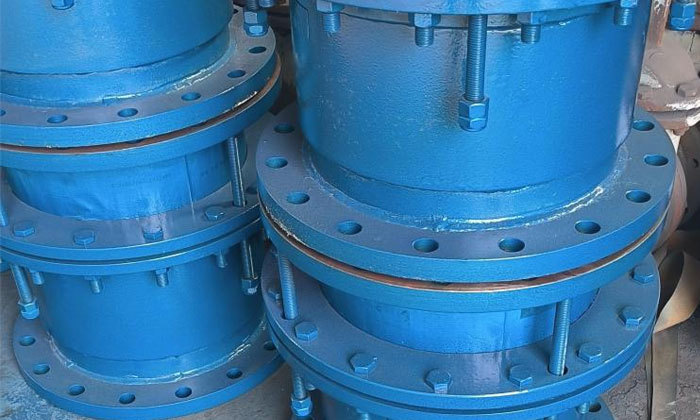
ValveCast basalt ball valves are durable, have a long service life, low fluid resistance, reliable sealing, wear and corrosion resistance, and the sealing surfaces of the ball and valve seat are always isolated from the medium during the fully open and fully closed processes of the valve, so that the medium passing through the valve at high speed will not erode the sealing surface.
-
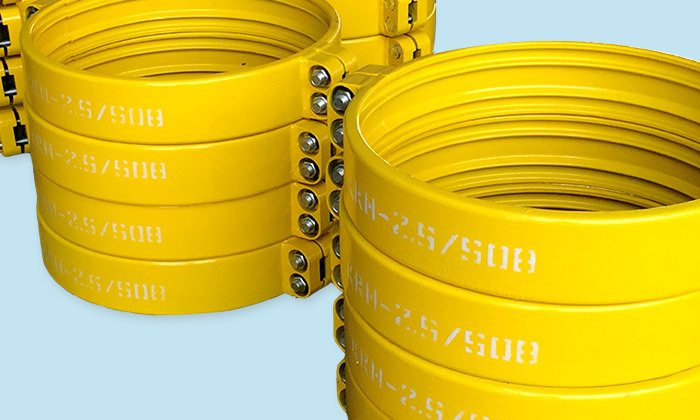
Pipe FittingClamp-type flexible pipe joints are used to connect pipes. KRH and KRJ series rolled clamp-type flexible pipe joints are patented products of our factory. They can effectively compensate for thermal expansion and contraction caused by temperature changes in the pipeline system, and can also compensate for angular changes caused by pipeline foundation settlement. They are high-pressure resistant, easy to install, and have a much better price-performance ratio than flange connections.
-
BLOGSince its establishment in 1986, the company has cumulatively produced: over 1600 kilometers of cast basalt lined steel pipes; over 260000 sets of flexible pipe joints; over 18000 valves of various types. Its products cover all provinces nationwide and are exported to countries such as South Korea, the United States, Serbia, South Africa, Zimbabwe, Japan, India, Vietnam, Russia, Poland, Ukraine, Kazakhstan, and Australia.

Enhancing Coal Handling Systems with Cast Basalt Tiles
Cast basalt tiles have emerged as a significant solution for coal handling systems, renowned for their unique properties and performance advantages. In environments where coal is transported, processed, and stored, the challenges of wear and tear due to abrasive materials can severely affect operational efficiency. Cast basalt tiles provide an effective means of mitigating these challenges. One of
One of the primary characteristics of cast basalt tiles is their outstanding resistance to abrasion and impact. Made from a special type of basalt rock, these tiles undergo an intricate manufacturing process that enhances their durability. This attribute is particularly advantageous in coal handling systems, where the continuous movement of coal can cause extensive wear on conventional materials. By incorporating cast basalt tiles into your system, you can significantly extend the lifespan of your equipment, reducing downtime and maintenance costs.
Moreover, cast basalt tiles exhibit excellent thermal resistance. In coal handling applications, the materials often experience high temperatures, particularly during combustion or processing. Cast basalt can withstand these temperature fluctuations without compromising its structural integrity. This property makes it an ideal choice for environments where thermal stress is a concern, ensuring that your coal handling system operates smoothly under varying conditions.
The installation of cast basalt tiles is both practical and efficient. These tiles can be easily fitted into existing infrastructures, minimizing the need for extensive modifications. Their relatively lightweight nature allows for straightforward handling and installation, which can lead to quicker project turnaround times. This efficiency is critical in industrial settings where operational interruptions must be kept to a minimum.
Another important benefit of cast basalt tiles is their chemical resistance. In coal handling systems, exposure to various chemicals can be common, particularly from dust suppressants or other treatment substances. Cast basalt tiles resist corrosion and degradation, maintaining their performance over time and ensuring that your coal handling operations remain efficient and reliable.
Furthermore, maintenance is simplified with cast basalt tiles. Their non-porous surface does not harbor dust or contaminants, making cleaning more manageable. This hygienic aspect is essential in maintaining operational standards and ensuring a safe working environment.
In conclusion, integrating cast basalt tiles into coal handling systems can offer numerous advantages, including enhanced durability, thermal resistance, and ease of installation. By selecting the right materials for your industrial applications, you can optimize your operations, reduce maintenance needs, and improve overall efficiency. Whether you are upgrading existing systems or designing new ones, cast basalt tiles should be a top consideration for any coal handling operation.
Recommended

Understanding Non-Return Valves for Ash Pipelines: Essential Insights for Industrial Applications

Supplier of wear-resistant material solutions, specializing in cast basalt products
Many years of focus on the production and sales of high-quality wear-resistant materials, mainly used in power, metallurgy, mining, coal, building materials, chemical, and other industries.
Leave your contact information to get the latest product discount information

Mobile Website

Contact Us
Phone: +86-535-5632189 / 5666528 / 5637763
Fax: +86-535-5666528 / 5642975
Email: z.minhui@plsczsgdfm.com
Address: No. 6 Zhenxing, Liujiagou Town, Penglai District, Yantai City, Shandong Province


