
-
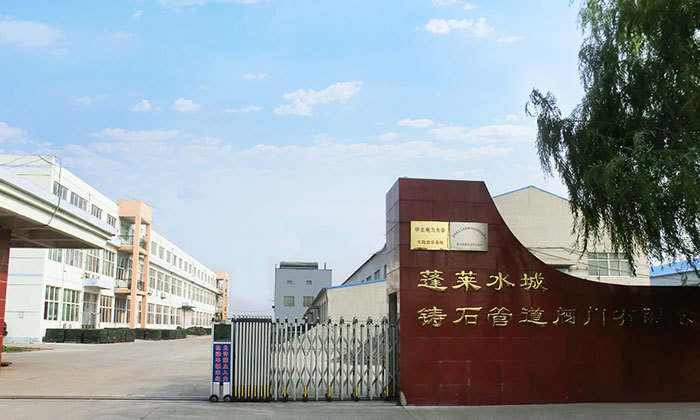
About UsSpecializing in the production and sales of wear-resistant materials such as cast basalt products, the company has obtained over 20 invention patents and utility model patents, and was awarded the "Shandong Star Enterprise of China Patent" title. The company has a history of over 20 years, and currently owns a single basalt cast basalt production line with a production capacity of 15000 tons/year, and mechanical processing equipment with an annual output of 5000 wear-resistant valves and 20000 clamp-type flexible pipe joints.
-
Cast BasaltCast basalt products include cast basalt pipes, cast basalt tiles, cast basalt powder, cast basalt lined steel pipes, etc., mainly used in industries such as electric power, metallurgy, mining, coal, building materials, and chemical.

-
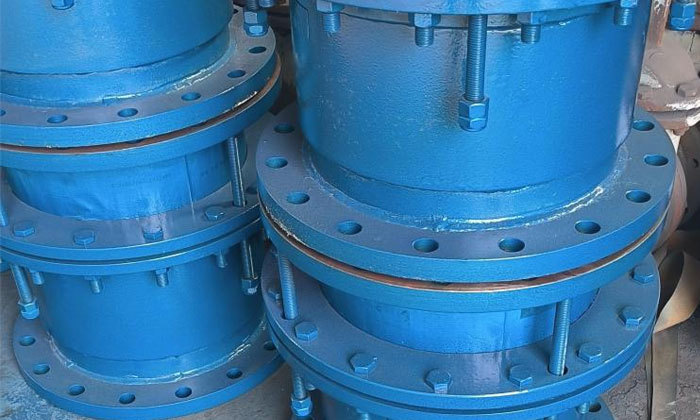
ValveCast basalt ball valves are durable, have a long service life, low fluid resistance, reliable sealing, wear and corrosion resistance, and the sealing surfaces of the ball and valve seat are always isolated from the medium during the fully open and fully closed processes of the valve, so that the medium passing through the valve at high speed will not erode the sealing surface.
-
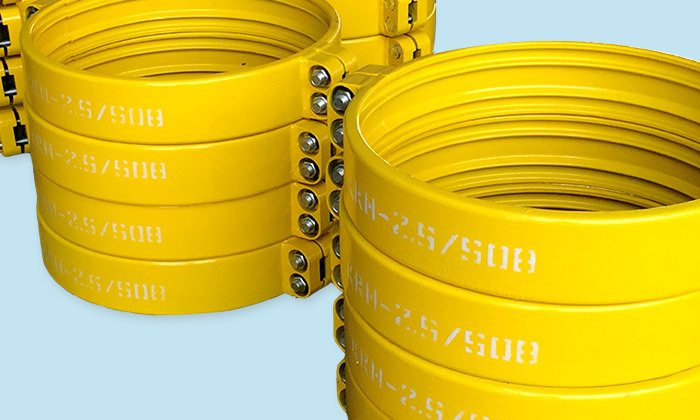
Pipe FittingClamp-type flexible pipe joints are used to connect pipes. KRH and KRJ series rolled clamp-type flexible pipe joints are patented products of our factory. They can effectively compensate for thermal expansion and contraction caused by temperature changes in the pipeline system, and can also compensate for angular changes caused by pipeline foundation settlement. They are high-pressure resistant, easy to install, and have a much better price-performance ratio than flange connections.
-
BLOGSince its establishment in 1986, the company has cumulatively produced: over 1600 kilometers of cast basalt lined steel pipes; over 260000 sets of flexible pipe joints; over 18000 valves of various types. Its products cover all provinces nationwide and are exported to countries such as South Korea, the United States, Serbia, South Africa, Zimbabwe, Japan, India, Vietnam, Russia, Poland, Ukraine, Kazakhstan, and Australia.

Corrosion-Proof Cast Basalt Tile vs. Traditional Flooring: A Comprehensive Comparative Analysis
Corrosion-Proof Cast Basalt Tile vs. Traditional Flooring: A Comprehensive Comparative Analysis Table of Contents 1. Introduction to Flooring Options 2. Understanding Corrosion-Proof Cast Basalt Tile 3. An Overview of Traditional Flooring Options 4. Durability Comparison: Basalt Tile vs. Traditional Flooring 5. Maintenance Requirements: What to Expect 6. Aesthetic Appeal:
Corrosion-Proof Cast Basalt Tile vs. Traditional Flooring: A Comprehensive Comparative Analysis
Table of Contents
- 1. Introduction to Flooring Options
- 2. Understanding Corrosion-Proof Cast Basalt Tile
- 3. An Overview of Traditional Flooring Options
- 4. Durability Comparison: Basalt Tile vs. Traditional Flooring
- 5. Maintenance Requirements: What to Expect
- 6. Aesthetic Appeal: Style and Design Choices
- 7. Cost-Effectiveness: A Financial Perspective
- 8. Environmental Impact: Sustainability Considerations
- 9. Frequently Asked Questions
- 10. Conclusion
1. Introduction to Flooring Options
In the realm of industrial flooring, choosing the right material can have profound implications for longevity, safety, and overall aesthetic. As industries evolve, so do the materials and methods used in construction and design. This article presents a thorough comparison between **corrosion-proof cast basalt tile** and various **traditional flooring** options, providing insights that can guide your decision-making process.
2. Understanding Corrosion-Proof Cast Basalt Tile
Corrosion-proof cast basalt tile is a specialized flooring solution that excels in environments exposed to harsh chemicals and extreme conditions. Made from a naturally occurring volcanic rock, basalt, these tiles are known for their exceptional hardness and resistance to wear and tear.
2.1 Key Properties of Cast Basalt Tile
- **Abrasion Resistance:** Cast basalt tiles are extremely durable and can withstand heavy foot traffic and abrasive substances without showing signs of wear.
- **Chemical Resistance:** These tiles resist corrosion from a variety of chemicals, making them ideal for industrial applications.
- **Thermal Stability:** Basalt tiles can endure high temperatures without degrading, which is essential in manufacturing settings.
3. An Overview of Traditional Flooring Options
Traditional flooring materials include concrete, ceramic tiles, vinyl, and epoxy coatings. Each type offers its own set of advantages and disadvantages, catering to different environments and aesthetic preferences.
3.1 Common Types of Traditional Flooring
- **Concrete:** Known for its strength and durability, concrete is a popular choice but can be prone to cracking and staining.
- **Ceramic Tiles:** Aesthetic and versatile, ceramic tiles are less durable than cast basalt but suitable for many residential and light commercial applications.
- **Vinyl Flooring:** Cost-effective and easy to install, vinyl offers a range of designs but lacks the durability needed for heavy industrial use.
- **Epoxy Coatings:** These coatings provide a seamless finish but may require periodic reapplication and can be affected by chemicals.
4. Durability Comparison: Basalt Tile vs. Traditional Flooring
When examining durability, cast basalt tiles shine brightly. Their inherent properties allow them to withstand conditions that often degrade traditional flooring materials.
4.1 Performance Under Stress
In environments where heavy machinery and chemicals are present, cast basalt tiles offer a significant advantage. In contrast, traditional flooring may require frequent repairs or replacement, adding to long-term costs.
5. Maintenance Requirements: What to Expect
Maintenance is a crucial factor in the lifespan of any flooring option.
5.1 Maintenance of Cast Basalt Tile
Cast basalt tiles typically require minimal maintenance. Regular cleaning with mild detergents and occasional inspections for cracking are often sufficient to keep them in excellent condition.
5.2 Maintenance of Traditional Flooring
Traditional flooring materials often demand more frequent upkeep. For instance, concrete may need sealing to prevent cracking, while ceramic tiles require grout cleaning to maintain their appearance.
6. Aesthetic Appeal: Style and Design Choices
Aesthetics play a vital role in choosing flooring, especially for client-facing areas.
6.1 Aesthetic Options with Cast Basalt Tiles
While cast basalt tiles may not offer the same variety of colors and patterns as traditional flooring, their sleek and modern look conveys a sense of strength and durability.
6.2 Aesthetic Options with Traditional Flooring
Traditional flooring options come in numerous styles, colors, and textures. This diversity allows businesses to create unique and inviting environments but may compromise the durability needed in industrial settings.
7. Cost-Effectiveness: A Financial Perspective
Initial costs often lead decision-makers to consider one flooring option over another.
7.1 Long-Term Cost Analysis of Cast Basalt Tile
While the initial investment in cast basalt tiles may be higher, the long-term savings due to lower maintenance and replacement costs make it a financially wise choice for many businesses.
7.2 Cost of Traditional Flooring
Traditional flooring may have lower upfront costs, but the potential for increased maintenance and replacement can lead to higher overall expenditures over time.
8. Environmental Impact: Sustainability Considerations
In today’s eco-conscious climate, the environmental impact of flooring materials cannot be overlooked.
8.1 Sustainability of Cast Basalt Tile
Cast basalt tiles are made from naturally occurring materials and boast a long lifespan, reducing the frequency of replacement and waste in landfills.
8.2 Environmental Considerations for Traditional Flooring
Depending on the type, traditional flooring materials can vary in their sustainability. Products like vinyl may have a larger carbon footprint, while others like wood floors can be sustainably sourced.
9. Frequently Asked Questions
9.1 What is the lifespan of cast basalt tiles?
Cast basalt tiles can last for decades with proper installation and maintenance, making them one of the most durable flooring options available.
9.2 Are cast basalt tiles suitable for exterior use?
Yes, cast basalt tiles are durable enough to be used in outdoor settings, provided they are installed correctly.
9.3 How do I clean cast basalt tiles?
Cleaning cast basalt tiles is simple. Use mild detergents and a damp mop to maintain their appearance.
9.4 Can traditional flooring be installed over existing surfaces?
In many cases, traditional flooring can be installed over existing surfaces, but it’s essential to ensure the underlying material is stable.
9.5 Are cast basalt tiles slip-resistant?
Yes, cast basalt tiles have natural slip-resistant properties, making them a safe choice for industrial environments.
10. Conclusion
Choosing between **corrosion-proof cast basalt tiles** and **traditional flooring** options requires careful consideration of various factors, including durability, maintenance, aesthetics, cost-effectiveness, and environmental impact. While cast basalt tiles may present a higher initial investment, their long-term benefits in terms of resilience and reduced maintenance make them a compelling choice for industrial and commercial spaces. Ultimately, the decision should align with your specific needs, budget, and the nature of your business operations. Making an informed choice today can lead to significant advantages down the line.
Previous
Previous:
Recommended

Corrosion-Proof Cast Basalt Tile vs. Traditional Flooring: A Comprehensive Comparative Analysis


Supplier of wear-resistant material solutions, specializing in cast basalt products
Many years of focus on the production and sales of high-quality wear-resistant materials, mainly used in power, metallurgy, mining, coal, building materials, chemical, and other industries.
Leave your contact information to get the latest product discount information

Mobile Website

Contact Us
Phone: +86-535-5632189 / 5666528 / 5637763
Fax: +86-535-5666528 / 5642975
Email: z.minhui@plsczsgdfm.com
Address: No. 6 Zhenxing, Liujiagou Town, Penglai District, Yantai City, Shandong Province


