
-
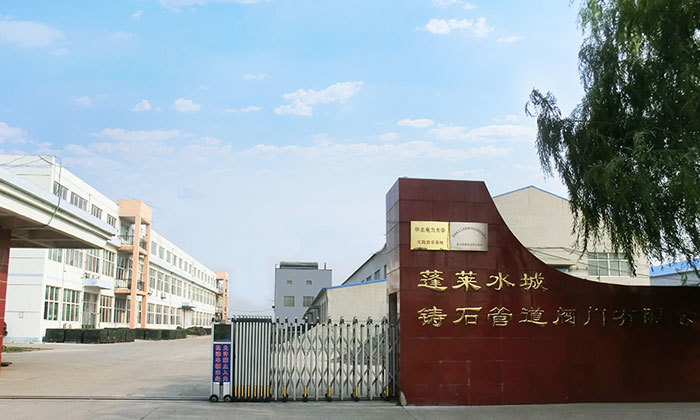
About UsSpecializing in the production and sales of wear-resistant materials such as cast basalt products, the company has obtained over 20 invention patents and utility model patents, and was awarded the "Shandong Star Enterprise of China Patent" title. The company has a history of over 20 years, and currently owns a single basalt cast basalt production line with a production capacity of 15000 tons/year, and mechanical processing equipment with an annual output of 5000 wear-resistant valves and 20000 clamp-type flexible pipe joints.
-
Cast BasaltCast basalt products include cast basalt pipes, cast basalt tiles, cast basalt powder, cast basalt lined steel pipes, etc., mainly used in industries such as electric power, metallurgy, mining, coal, building materials, and chemical.

-
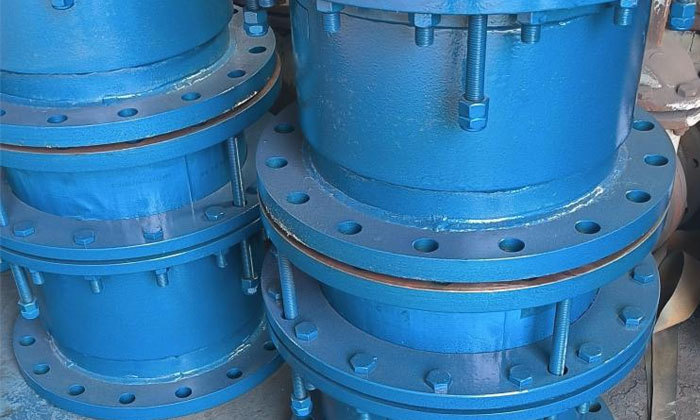
ValveCast basalt ball valves are durable, have a long service life, low fluid resistance, reliable sealing, wear and corrosion resistance, and the sealing surfaces of the ball and valve seat are always isolated from the medium during the fully open and fully closed processes of the valve, so that the medium passing through the valve at high speed will not erode the sealing surface.
-
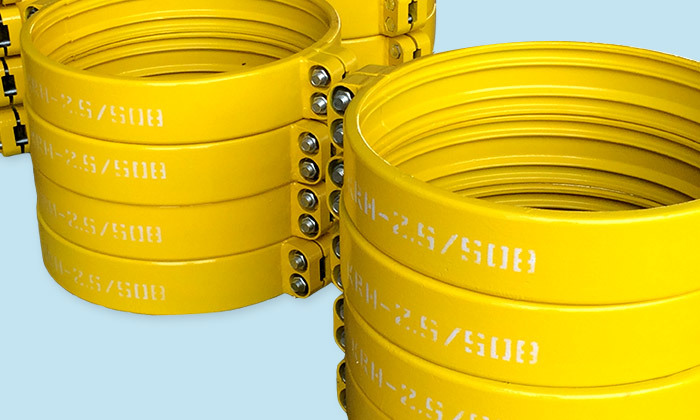
Pipe FittingClamp-type flexible pipe joints are used to connect pipes. KRH and KRJ series rolled clamp-type flexible pipe joints are patented products of our factory. They can effectively compensate for thermal expansion and contraction caused by temperature changes in the pipeline system, and can also compensate for angular changes caused by pipeline foundation settlement. They are high-pressure resistant, easy to install, and have a much better price-performance ratio than flange connections.
-
BLOGSince its establishment in 1986, the company has cumulatively produced: over 1600 kilometers of cast basalt lined steel pipes; over 260000 sets of flexible pipe joints; over 18000 valves of various types. Its products cover all provinces nationwide and are exported to countries such as South Korea, the United States, Serbia, South Africa, Zimbabwe, Japan, India, Vietnam, Russia, Poland, Ukraine, Kazakhstan, and Australia.

Cost-Effective Chute Lining: The Role of Cast Basalt Tile in Industrial Equipment
Cost-Effective Chute Lining: The Role of Cast Basalt Tile in Industrial Equipment Introduction to Chute Lining Solutions In the realm of industrial equipment, effective chute lining solutions are paramount for ensuring the smooth and efficient flow of materials. Chutes play a critical role in various manufacturing processes, from mining to food processing. Their performance directly impacts produc
Cost-Effective Chute Lining: The Role of Cast Basalt Tile in Industrial Equipment
Introduction to Chute Lining Solutions
In the realm of industrial equipment, effective chute lining solutions are paramount for ensuring the smooth and efficient flow of materials. Chutes play a critical role in various manufacturing processes, from mining to food processing. Their performance directly impacts productivity, operational costs, and equipment longevity. One innovative solution that has garnered attention in recent years is cast basalt tile. This article will delve into the cost-effectiveness of cast basalt tile as a chute lining material, exploring its properties, advantages, and applications.
Understanding Cast Basalt Tile
Cast basalt tile is a specialized ceramic material, engineered for high-performance applications. It is created by melting basalt rock, which is then poured into molds and cooled to form tiles. This unique production process grants cast basalt tiles exceptional properties, including high wear resistance, thermal stability, and chemical inertness.
Key Properties of Cast Basalt Tile
1. **Wear Resistance**: Cast basalt tiles exhibit unparalleled resistance to abrasion, making them ideal for chutes that handle heavy and gritty materials. This characteristic minimizes maintenance costs and extends the lifespan of the chute itself.
2. **Thermal Stability**: Capable of withstanding extreme temperatures, cast basalt tiles do not deform or degrade under thermal stress, ensuring consistent performance over time.
3. **Chemical Resistance**: The inert nature of cast basalt tiles protects them from corrosive substances, making them suitable for use in a variety of environments, including those exposed to acids and alkalis.
Why Choose Cast Basalt Tile for Chute Lining?
When evaluating chute lining options, several factors must be considered, including durability, cost, and functionality. Cast basalt tile stands out as a superior choice for several reasons.
1. Cost-Effectiveness in the Long Run
While the initial investment in cast basalt tile may be higher than traditional lining materials, the long-term savings on maintenance and replacement costs make it a financially savvy choice. The exceptional durability of cast basalt tiles means fewer replacements and less downtime, translating to enhanced productivity.
2. Enhanced Performance in Material Flow
The smooth surface of cast basalt tiles reduces friction, facilitating better material flow through chutes. This characteristic not only optimizes operational efficiency but also minimizes the risk of blockages and material buildup, which can halt production.
3. Easy Installation and Maintenance
Cast basalt tiles are designed for straightforward installation, significantly reducing labor costs and time. Additionally, their durable nature means that less frequent maintenance is required, thus conserving resources.
Applications of Cast Basalt Tile in Industrial Equipment
Cast basalt tiles find applications across various industries, showcasing their versatility and strength.
1. Mining and Mineral Processing
In the mining sector, cast basalt tiles are utilized in chutes and conveyors to transport minerals and ores efficiently. Their wear-resistant properties ensure that they can handle the harsh conditions typical in mining operations.
2. Food Processing Industry
The food processing industry benefits from cast basalt tiles due to their chemical inertness and ease of cleaning. These tiles maintain hygiene standards while providing a reliable lining for chutes handling food products.
3. Cement and Aggregate Production
In cement and aggregate production, where heavy and abrasive materials are commonplace, cast basalt tiles protect equipment from wear and tear, maintaining operational efficiency.
4. Power Generation Facilities
In power plants, cast basalt tiles are utilized in coal handling systems and ash chutes. Their ability to withstand extreme temperatures and abrasive materials makes them a reliable choice for these applications.
The Installation Process of Cast Basalt Tile
Proper installation is critical to maximizing the benefits of cast basalt tile. Below are the key steps involved in the installation process.
1. Surface Preparation
The surface where the cast basalt tile will be installed must be thoroughly cleaned and prepped to ensure optimal adhesion. Any existing materials should be removed to provide a solid foundation for the new tiles.
2. Tile Layout Design
Before installation, a layout plan should be created to determine the placement of each tile. This step ensures a seamless fit and reduces the likelihood of gaps that could harbor debris.
3. Adhesive Application
A high-quality adhesive specifically designed for cast basalt tiles should be applied to the substrate. Following the manufacturer's guidelines is vital for achieving the best results.
4. Tile Placement and Sealing
Tiles should be carefully placed, ensuring there are no gaps. After placement, they must be sealed to prevent moisture infiltration and enhance durability.
Maintaining Cast Basalt Tile for Longevity
While cast basalt tiles are known for their durability, regular maintenance can extend their lifespan even further.
1. Routine Inspections
Conducting regular inspections helps identify any potential issues before they escalate. This proactive approach ensures that the tiles remain in optimal condition.
2. Cleaning Procedures
Keeping cast basalt tiles clean is crucial for maintaining their performance. A simple wash with water and mild detergents will suffice, as the tiles resist staining and are easy to clean.
3. Addressing Damage Promptly
If any tiles become damaged, prompt replacement is essential to prevent further issues and maintain the integrity of the chute lining.
Comparing Cast Basalt Tile with Other Lining Materials
Understanding how cast basalt tiles stack up against other lining materials can help businesses make informed decisions.
1. Traditional Steel Linings
While steel linings are strong, they can suffer from corrosion and wear over time. Cast basalt tiles, on the other hand, offer superior abrasion resistance and longevity without the risk of rust.
2. Rubber Linings
Rubber linings provide some degree of wear resistance but often lack durability under high temperatures and abrasive conditions. Cast basalt tiles can withstand more extreme environments, making them a better option for demanding applications.
3. UHMW (Ultra High Molecular Weight Polyethylene)
UHMW is known for its low friction properties; however, it can wear out quickly in abrasive environments. In contrast, cast basalt tiles offer enhanced wear resistance and can handle heavier loads.
Conclusion
In conclusion, cast basalt tile presents a **cost-effective** and **efficient solution** for chute lining in various industrial sectors. Its outstanding properties, such as **wear resistance**, **thermal stability**, and **chemical inertness**, make it an ideal choice for enhancing productivity and minimizing operational costs. By understanding the advantages of cast basalt tiles, businesses can make informed decisions that lead to improved performance and reduced downtime. Investing in cast basalt tile for chute lining is not just a choice; it's a step towards operational excellence in industrial processes.
Frequently Asked Questions (FAQs)
1. What is cast basalt tile made of?
Cast basalt tile is made from naturally occurring basalt rock that is melted and formed into tiles through a casting process.
2. How long does cast basalt tile last?
With proper installation and maintenance, cast basalt tiles can last several years, often exceeding the lifespan of traditional lining materials.
3. Can cast basalt tile withstand high temperatures?
Yes, cast basalt tiles are designed to withstand high temperatures, making them suitable for use in various industrial applications.
4. Is cast basalt tile resistant to chemicals?
Absolutely! Cast basalt tiles are chemically inert, allowing them to resist corrosion from acids, alkalis, and other harsh substances.
5. How do I clean cast basalt tiles?
Cleaning cast basalt tiles is simple; a wash with water and mild detergent is usually sufficient to keep them in good condition.
Previous
Recommended

Cost-Effective Chute Lining: The Role of Cast Basalt Tile in Industrial Equipment


Supplier of wear-resistant material solutions, specializing in cast basalt products
Many years of focus on the production and sales of high-quality wear-resistant materials, mainly used in power, metallurgy, mining, coal, building materials, chemical, and other industries.
Leave your contact information to get the latest product discount information

Mobile Website

Contact Us
Phone: +86-535-5632189 / 5666528 / 5637763
Fax: +86-535-5666528 / 5642975
Email: z.minhui@plsczsgdfm.com
Address: No. 6 Zhenxing, Liujiagou Town, Penglai District, Yantai City, Shandong Province


