
-
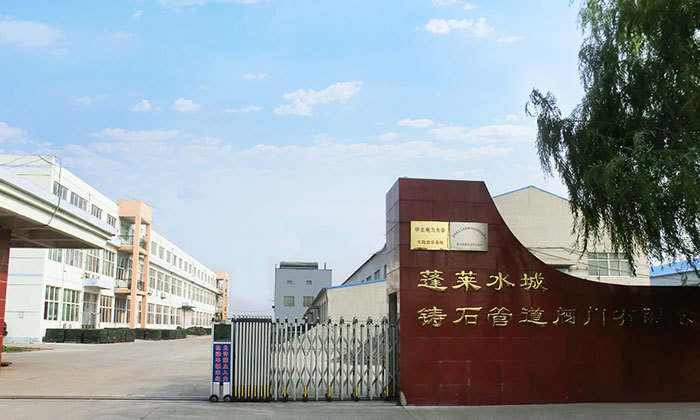
About UsSpecializing in the production and sales of wear-resistant materials such as cast basalt products, the company has obtained over 20 invention patents and utility model patents, and was awarded the "Shandong Star Enterprise of China Patent" title. The company has a history of over 20 years, and currently owns a single basalt cast basalt production line with a production capacity of 15000 tons/year, and mechanical processing equipment with an annual output of 5000 wear-resistant valves and 20000 clamp-type flexible pipe joints.
-
Cast BasaltCast basalt products include cast basalt pipes, cast basalt tiles, cast basalt powder, cast basalt lined steel pipes, etc., mainly used in industries such as electric power, metallurgy, mining, coal, building materials, and chemical.

-
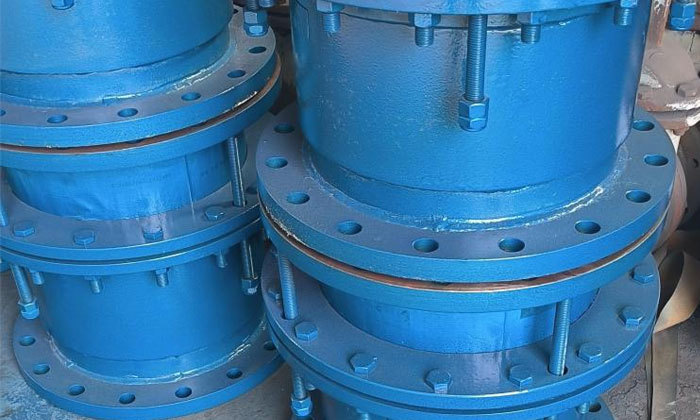
ValveCast basalt ball valves are durable, have a long service life, low fluid resistance, reliable sealing, wear and corrosion resistance, and the sealing surfaces of the ball and valve seat are always isolated from the medium during the fully open and fully closed processes of the valve, so that the medium passing through the valve at high speed will not erode the sealing surface.
-
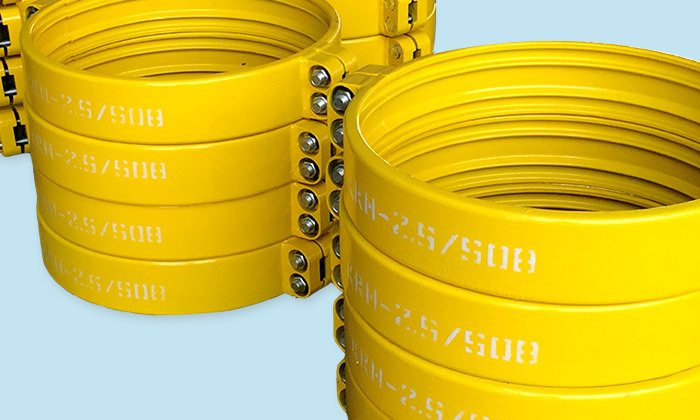
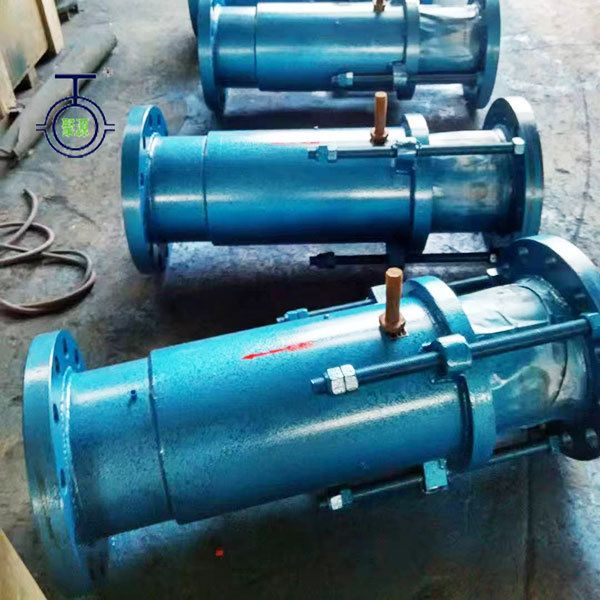
Pipe FittingClamp-type flexible pipe joints are used to connect pipes. KRH and KRJ series rolled clamp-type flexible pipe joints are patented products of our factory. They can effectively compensate for thermal expansion and contraction caused by temperature changes in the pipeline system, and can also compensate for angular changes caused by pipeline foundation settlement. They are high-pressure resistant, easy to install, and have a much better price-performance ratio than flange connections.
-
BLOGSince its establishment in 1986, the company has cumulatively produced: over 1600 kilometers of cast basalt lined steel pipes; over 260000 sets of flexible pipe joints; over 18000 valves of various types. Its products cover all provinces nationwide and are exported to countries such as South Korea, the United States, Serbia, South Africa, Zimbabwe, Japan, India, Vietnam, Russia, Poland, Ukraine, Kazakhstan, and Australia.

The Economics of Investing in Wear-Resistant Flow Control Valves: A Comprehensive Guide
The Economics of Investing in Wear-Resistant Flow Control Valves Table of Contents Understanding Wear-Resistant Flow Control Valves The Importance of Flow Control in Industrial Applications Economic Benefits of Investing in Wear-Resistant Valves Key Factors to Consider When Selecting Wear-Resistant Valves Comparative Analysis: Standard vs. Wear-Resistant Valves Maintenance
The Economics of Investing in Wear-Resistant Flow Control Valves
Table of Contents
- Understanding Wear-Resistant Flow Control Valves
- The Importance of Flow Control in Industrial Applications
- Economic Benefits of Investing in Wear-Resistant Valves
- Key Factors to Consider When Selecting Wear-Resistant Valves
- Comparative Analysis: Standard vs. Wear-Resistant Valves
- Maintenance Tips for Ensuring Longevity
- Real-World Applications and Case Studies
- Frequently Asked Questions
Understanding Wear-Resistant Flow Control Valves
Wear-resistant flow control valves are essential components in various industrial processes, designed to manage the flow of fluids while minimizing wear and tear. These valves are typically made from specialized materials that provide enhanced durability against erosion, corrosion, and abrasion. Investing in high-quality wear-resistant valves can significantly improve operational efficiency and reduce downtime.
The Science Behind Wear Resistance
The durability of these valves is primarily attributed to their advanced material composition. Common materials include hardened stainless steel, ceramic coatings, and other composite materials that resist wear and prolong valve life. Understanding the underlying technology can assist in making informed purchasing decisions.
The Importance of Flow Control in Industrial Applications
Flow control is a critical aspect of industrial operations, affecting everything from product quality to safety. Effective flow management ensures that materials are transported efficiently, preventing bottlenecks and reducing energy consumption.
Impact on Process Optimization
By optimizing flow control, industries can achieve better throughput, reduce waste, and improve the overall process efficiency. This optimization can have a direct impact on the bottom line, making it crucial to invest in reliable valve solutions.
Economic Benefits of Investing in Wear-Resistant Valves
Investing in wear-resistant flow control valves presents various economic advantages, including long-term savings, enhanced reliability, and improved performance.
Cost Savings Over Time
Although wear-resistant valves may come with a higher initial price tag, their durability results in lower replacement costs and reduced maintenance expenses. Additionally, the increased operational efficiency contributes to significant overall cost savings.
Reduced Downtime and Maintenance Costs
Long-lasting valves minimize the frequency of replacements, which ultimately translates into less downtime. Reduced maintenance requirements free up resources, allowing personnel to focus on other critical operational aspects.
Key Factors to Consider When Selecting Wear-Resistant Valves
When choosing wear-resistant flow control valves, it is essential to consider several factors to maximize your investment.
Material Composition
Different applications may require specific materials for optimal performance. Consider factors such as the type of fluid, temperature, and pressure when selecting the appropriate valve material.
Valve Size and Type
Ensure that the valve size fits the specifications of your system and that the type of valve (e.g., ball, gate, or butterfly) is suitable for your application.
Comparative Analysis: Standard vs. Wear-Resistant Valves
Understanding the differences between traditional valves and wear-resistant options is crucial in making an informed decision.
Longevity and Wear Resistance
Standard valves may suffice for low-demand environments, but in high-wear applications, wear-resistant valves excel in longevity and reliability.
Performance Under Extreme Conditions
Wear-resistant valves are designed to withstand harsh conditions, making them the preferred choice for industries dealing with abrasive or corrosive materials.
Maintenance Tips for Ensuring Longevity
Proper maintenance is vital for maximizing the lifespan of wear-resistant flow control valves.
Regular Inspections
Conduct routine inspections to identify signs of wear or damage early. This proactive approach can prevent costly failures down the line.
Cleaning and Lubrication
Keeping valves clean and adequately lubricated can enhance their performance and longevity. Ensure to follow the manufacturer’s guidelines for maintenance procedures.
Real-World Applications and Case Studies
Several industries have successfully integrated wear-resistant flow control valves into their operations, leading to enhanced performance and efficiency.
Case Study: Mining Industry
In the mining sector, the use of wear-resistant valves has resulted in significant cost savings by reducing the frequency of replacements in harsh environments.
Case Study: Chemical Processing
In chemical processing, wear-resistant valves help maintain product quality by ensuring precise flow control, which is crucial in maintaining safety and compliance with regulations.
Frequently Asked Questions
1. What are wear-resistant flow control valves made of?
Wear-resistant valves are typically constructed from materials such as hardened stainless steel, ceramic, or composite materials designed to withstand erosion and corrosion.
2. How do wear-resistant valves save costs?
While the initial investment may be higher, these valves reduce maintenance and replacement costs and minimize downtime, ultimately leading to substantial savings.
3. Are wear-resistant valves suitable for all applications?
While they excel in high-wear environments, it’s essential to evaluate the specific requirements of your application to determine suitability.
4. What maintenance is required for wear-resistant valves?
Regular inspections, cleaning, and lubrication are crucial for maintaining the performance and longevity of wear-resistant valves.
5. How can I choose the right wear-resistant valve for my needs?
Consider factors such as material composition, valve size, and type, as well as the specifics of your application, to make an informed choice.
Conclusion
Investing in wear-resistant flow control valves is not just a decision about purchasing components; it's a strategic move that can lead to significant economic benefits. Enhanced durability, reduced maintenance costs, and improved process efficiency make these valves a wise choice for industries facing demanding conditions. By understanding the economics behind these investments and making informed decisions, organizations can ensure operational excellence and long-term success.
Previous
Previous:
Recommended

The Economics of Investing in Wear-Resistant Flow Control Valves: A Comprehensive Guide


Supplier of wear-resistant material solutions, specializing in cast basalt products
Many years of focus on the production and sales of high-quality wear-resistant materials, mainly used in power, metallurgy, mining, coal, building materials, chemical, and other industries.
Leave your contact information to get the latest product discount information

Mobile Website

Contact Us
Phone: +86-535-5632189 / 5666528 / 5637763
Fax: +86-535-5666528 / 5642975
Email: z.minhui@plsczsgdfm.com
Address: No. 6 Zhenxing, Liujiagou Town, Penglai District, Yantai City, Shandong Province


