
-
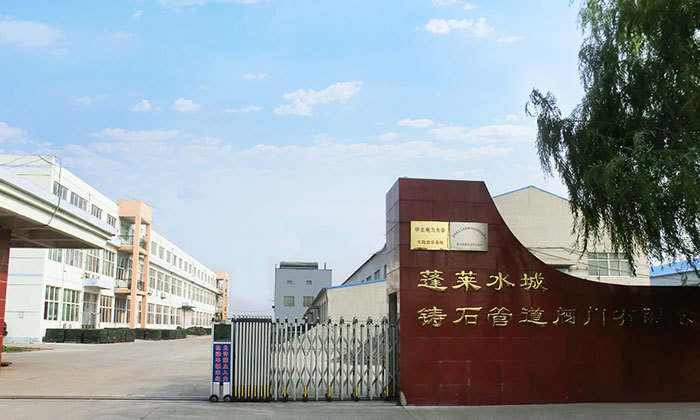
About UsSpecializing in the production and sales of wear-resistant materials such as cast basalt products, the company has obtained over 20 invention patents and utility model patents, and was awarded the "Shandong Star Enterprise of China Patent" title. The company has a history of over 20 years, and currently owns a single basalt cast basalt production line with a production capacity of 15000 tons/year, and mechanical processing equipment with an annual output of 5000 wear-resistant valves and 20000 clamp-type flexible pipe joints.
-
Cast BasaltCast basalt products include cast basalt pipes, cast basalt tiles, cast basalt powder, cast basalt lined steel pipes, etc., mainly used in industries such as electric power, metallurgy, mining, coal, building materials, and chemical.

-
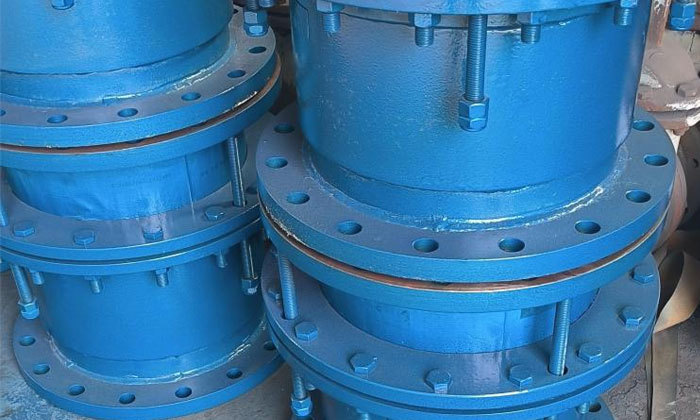
ValveCast basalt ball valves are durable, have a long service life, low fluid resistance, reliable sealing, wear and corrosion resistance, and the sealing surfaces of the ball and valve seat are always isolated from the medium during the fully open and fully closed processes of the valve, so that the medium passing through the valve at high speed will not erode the sealing surface.
-
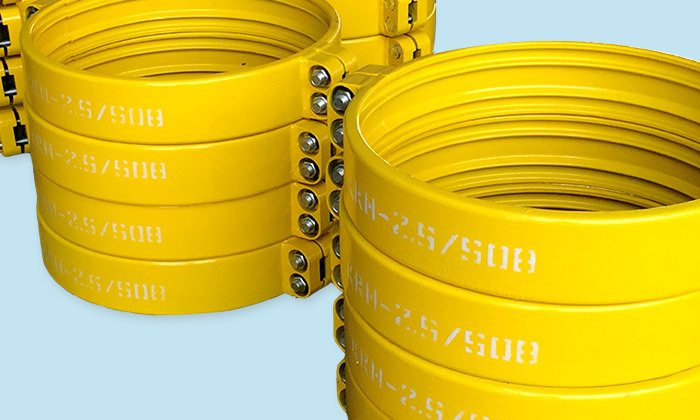
Pipe FittingClamp-type flexible pipe joints are used to connect pipes. KRH and KRJ series rolled clamp-type flexible pipe joints are patented products of our factory. They can effectively compensate for thermal expansion and contraction caused by temperature changes in the pipeline system, and can also compensate for angular changes caused by pipeline foundation settlement. They are high-pressure resistant, easy to install, and have a much better price-performance ratio than flange connections.
-
BLOGSince its establishment in 1986, the company has cumulatively produced: over 1600 kilometers of cast basalt lined steel pipes; over 260000 sets of flexible pipe joints; over 18000 valves of various types. Its products cover all provinces nationwide and are exported to countries such as South Korea, the United States, Serbia, South Africa, Zimbabwe, Japan, India, Vietnam, Russia, Poland, Ukraine, Kazakhstan, and Australia.

Understanding the Manufacturing Process of NPZ Wear-resistant Slurry Gate Valves
Understanding the Manufacturing Process of NPZ Wear-resistant Slurry Gate Valves Table of Contents Introduction to NPZ Wear-resistant Slurry Gate Valves Purpose and Applications of Slurry Gate Valves Key Materials Used in Manufacturing NPZ Valves The Manufacturing Process of NPZ Wear-resistant Slurry Gate Valves Step 1: Design and Engineering Step 2: Material Selection and Prep
Understanding the Manufacturing Process of NPZ Wear-resistant Slurry Gate Valves
Table of Contents
- Introduction to NPZ Wear-resistant Slurry Gate Valves
- Purpose and Applications of Slurry Gate Valves
- Key Materials Used in Manufacturing NPZ Valves
- The Manufacturing Process of NPZ Wear-resistant Slurry Gate Valves
- Step 1: Design and Engineering
- Step 2: Material Selection and Preparation
- Step 3: Casting Techniques
- Step 4: Machining and Finishing
- Step 5: Assembly and Testing
- Quality Control in Manufacturing
- Common Challenges and Solutions in Manufacturing Slurry Gate Valves
- Future Trends in Slurry Gate Valve Manufacturing
- FAQs about NPZ Wear-resistant Slurry Gate Valves
- Conclusion
Introduction to NPZ Wear-resistant Slurry Gate Valves
NPZ wear-resistant slurry gate valves are crucial components in various industrial applications, particularly where harsh conditions and abrasive materials are present. These valves are designed to control the flow of slurries, which are mixtures of solids and liquids, ensuring operational efficiency and reliability. Understanding the manufacturing process of these valves is essential for anyone involved in procurement, maintenance, or engineering within industries such as mining, wastewater treatment, and chemical processing.
Purpose and Applications of Slurry Gate Valves
Slurry gate valves serve multiple purposes in industrial settings. They are primarily employed to manage the flow of abrasive slurries that can cause wear and tear on standard valve components. The robust construction of NPZ valves makes them suitable for handling corrosive media, thereby extending their lifespan and reducing maintenance costs. Common applications include:
- **Mining:** Used in the transport of ore slurries.
- **Wastewater Treatment:** Effective in managing sludge and other wastewater byproducts.
- **Chemical Processing:** Ideal for handling reactive and abrasive chemicals.
Through their various applications, NPZ slurry gate valves play a significant role in ensuring operational continuity and efficiency in demanding environments.
Key Materials Used in Manufacturing NPZ Valves
The selection of materials is critical in the manufacture of NPZ wear-resistant slurry gate valves. High-quality materials ensure durability and functionality in abrasive and corrosive environments. The most common materials used include:
- **Alloyed Cast Iron:** Offers excellent wear resistance and strength.
- **Stainless Steel:** Provides corrosion resistance, making it suitable for chemical processing applications.
- **Ceramic Linings:** Used to enhance wear resistance in particularly abrasive situations.
- **Rubber Seals:** Essential for ensuring leak-proof operation.
Each material has specific properties that contribute to the overall performance of the valve, making material selection a key consideration in the manufacturing process.
The Manufacturing Process of NPZ Wear-resistant Slurry Gate Valves
The manufacturing process of NPZ wear-resistant slurry gate valves involves several meticulous steps designed to ensure quality and durability. Below is a detailed breakdown of each stage.
Step 1: Design and Engineering
The manufacturing journey begins with design and engineering. Engineers create detailed blueprints, utilizing advanced software for computer-aided design (CAD). This stage emphasizes optimizing valve performance and ensuring adaptability to various applications.
Step 2: Material Selection and Preparation
Once the design is finalized, materials are selected based on the specific requirements of the valve application. The chosen materials undergo preparation, which includes cutting, shaping, and treating to ensure they meet the necessary specifications.
Step 3: Casting Techniques
Casting is a critical phase in manufacturing NPZ valves. Various casting techniques, such as sand casting or investment casting, are employed to create the valve body. The choice of method depends on the complexity of the design and the type of material used. After casting, the products are cooled and cleaned to remove any impurities.
Step 4: Machining and Finishing
Machining processes, including milling and turning, refine the valve components to achieve precise dimensions and tolerances. After machining, finishing processes such as grinding and polishing are applied to enhance surface quality and ensure optimal sealing capabilities.
Step 5: Assembly and Testing
In the final stage, all components are assembled, including the valve body, seat, and actuator. Rigorous testing follows to ensure the valve operates correctly under various pressures and conditions. Quality assurance checks are integral to this stage, confirming that each valve meets industry standards.
Quality Control in Manufacturing
Quality control is an essential component of the manufacturing process. NPZ implements stringent quality assurance measures at every stage to ensure that all valves meet the highest standards. Key quality control practices include:
- **Inspection of Raw Materials:** Ensuring materials are free from defects.
- **In-process Inspections:** Regular checks during manufacturing to catch any deviations early.
- **Final Testing:** Comprehensive testing of finished products to validate performance.
These practices not only enhance product reliability but also foster customer confidence in NPZ's offerings.
Common Challenges and Solutions in Manufacturing Slurry Gate Valves
Manufacturing NPZ wear-resistant slurry gate valves comes with its own set of challenges. Common issues include:
- **Material Degradation:** High-quality materials can mitigate wear and tear.
- **Dimensional Tolerances:** Advanced machining techniques and quality checks can ensure precision.
- **Corrosion Resistance:** The use of specialized coatings and materials can enhance durability.
By addressing these challenges proactively, NPZ can maintain high manufacturing standards and deliver reliable products.
Future Trends in Slurry Gate Valve Manufacturing
The manufacturing landscape is constantly evolving, and NPZ is at the forefront of adopting innovative technologies. Emerging trends include:
- **Digital Manufacturing:** Leveraging smart technologies for improved efficiency.
- **Sustainability:** Emphasizing eco-friendly materials and processes.
- **Customization:** Offering tailored solutions to meet specific client needs.
These trends not only improve production but also align with global moves toward sustainability and efficiency in manufacturing operations.
FAQs about NPZ Wear-resistant Slurry Gate Valves
1. What are NPZ wear-resistant slurry gate valves used for?
NPZ wear-resistant slurry gate valves are primarily used in industries that handle abrasive slurries, such as mining and wastewater treatment.
2. How do NPZ valves compare to standard valves?
NPZ valves are specifically designed to withstand harsh conditions and abrasive materials, offering superior durability compared to standard valves.
3. What materials are best for slurry gate valves?
Common materials include alloyed cast iron, stainless steel, and ceramic linings, each chosen for its specific benefits in wear resistance and corrosion protection.
4. How does the manufacturing process ensure quality?
The manufacturing process incorporates rigorous quality control measures, including inspections of materials, in-process checks, and extensive final testing.
5. What challenges are faced in manufacturing NPZ valves?
Challenges include material degradation, maintaining dimensional tolerances, and ensuring corrosion resistance, all of which can be addressed through careful material selection and advanced manufacturing techniques.
Conclusion
In conclusion, understanding the manufacturing process of NPZ wear-resistant slurry gate valves provides valuable insights into their design, materials, and quality assurance practices. By focusing on advanced manufacturing techniques and rigorous quality control, NPZ ensures the production of reliable and durable valves suitable for the most demanding industrial applications. As the industry evolves, NPZ remains committed to innovation, ensuring their products not only meet but exceed the expectations of their clients.
Recommended

Understanding Non-Return Valves for Ash Pipelines: Essential Insights for Industrial Applications

Supplier of wear-resistant material solutions, specializing in cast basalt products
Many years of focus on the production and sales of high-quality wear-resistant materials, mainly used in power, metallurgy, mining, coal, building materials, chemical, and other industries.
Leave your contact information to get the latest product discount information

Mobile Website

Contact Us
Phone: +86-535-5632189 / 5666528 / 5637763
Fax: +86-535-5666528 / 5642975
Email: z.minhui@plsczsgdfm.com
Address: No. 6 Zhenxing, Liujiagou Town, Penglai District, Yantai City, Shandong Province


