
-
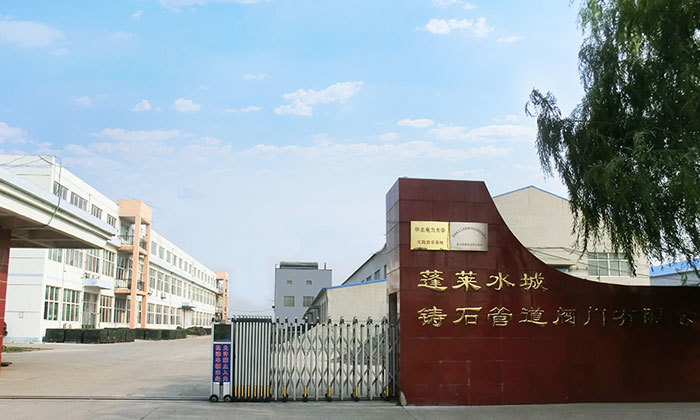
About UsSpecializing in the production and sales of wear-resistant materials such as cast basalt products, the company has obtained over 20 invention patents and utility model patents, and was awarded the "Shandong Star Enterprise of China Patent" title. The company has a history of over 20 years, and currently owns a single basalt cast basalt production line with a production capacity of 15000 tons/year, and mechanical processing equipment with an annual output of 5000 wear-resistant valves and 20000 clamp-type flexible pipe joints.
-
Cast BasaltCast basalt products include cast basalt pipes, cast basalt tiles, cast basalt powder, cast basalt lined steel pipes, etc., mainly used in industries such as electric power, metallurgy, mining, coal, building materials, and chemical.

-
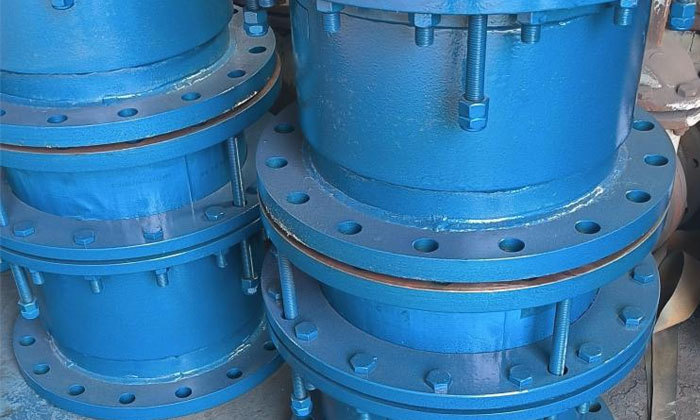
ValveCast basalt ball valves are durable, have a long service life, low fluid resistance, reliable sealing, wear and corrosion resistance, and the sealing surfaces of the ball and valve seat are always isolated from the medium during the fully open and fully closed processes of the valve, so that the medium passing through the valve at high speed will not erode the sealing surface.
-
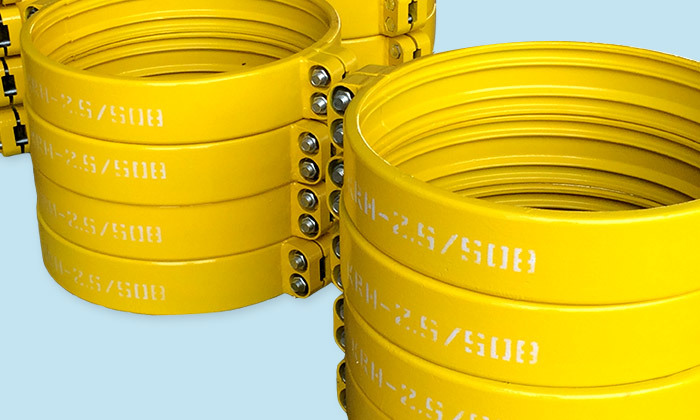
Pipe FittingClamp-type flexible pipe joints are used to connect pipes. KRH and KRJ series rolled clamp-type flexible pipe joints are patented products of our factory. They can effectively compensate for thermal expansion and contraction caused by temperature changes in the pipeline system, and can also compensate for angular changes caused by pipeline foundation settlement. They are high-pressure resistant, easy to install, and have a much better price-performance ratio than flange connections.
-
BLOGSince its establishment in 1986, the company has cumulatively produced: over 1600 kilometers of cast basalt lined steel pipes; over 260000 sets of flexible pipe joints; over 18000 valves of various types. Its products cover all provinces nationwide and are exported to countries such as South Korea, the United States, Serbia, South Africa, Zimbabwe, Japan, India, Vietnam, Russia, Poland, Ukraine, Kazakhstan, and Australia.

Understanding the Manufacturing Process of Corrosion-Proof Cast Basalt Tile: A Comprehensive Guide
Understanding the Manufacturing Process of Corrosion-Proof Cast Basalt Tile Table of Contents 1. Introduction to Cast Basalt Tiles 2. What is Cast Basalt? 3. Why Choose Corrosion-Proof Cast Basalt Tiles? 4. The Manufacturing Process of Cast Basalt Tiles 4.1. Key Materials Used in Production 4.2. Preparation of Raw Materials 4.3. Molding
Understanding the Manufacturing Process of Corrosion-Proof Cast Basalt Tile
Table of Contents
- 1. Introduction to Cast Basalt Tiles
- 2. What is Cast Basalt?
- 3. Why Choose Corrosion-Proof Cast Basalt Tiles?
- 4. The Manufacturing Process of Cast Basalt Tiles
- 4.1. Key Materials Used in Production
- 4.2. Preparation of Raw Materials
- 4.3. Molding the Tiles
- 4.4. The Firing Process
- 4.5. Cooling and Finishing
- 5. Quality Control Measures in Cast Basalt Tile Production
- 6. Applications of Corrosion-Proof Cast Basalt Tiles
- 7. Maintenance of Cast Basalt Tiles
- 8. Conclusion
1. Introduction to Cast Basalt Tiles
Cast basalt tiles have emerged as a preferred flooring option in harsh industrial environments due to their exceptional durability and resistance to wear and corrosion. Understanding the manufacturing process behind these tiles is essential for appreciating their value and functionality. This guide aims to provide a comprehensive overview of how these corrosion-proof tiles are produced, emphasizing the importance of each stage of the manufacturing process.
2. What is Cast Basalt?
Cast basalt is a unique material created by heating basalt rock to high temperatures, typically around 1,400 degrees Celsius, and then casting it into specific shapes, such as tiles. This process results in a hard, dense material that possesses excellent thermal stability, mechanical strength, and resistance to chemical attack. The natural qualities of basalt make it an ideal choice for flooring in industries such as mining, chemical processing, and food production.
3. Why Choose Corrosion-Proof Cast Basalt Tiles?
Corrosion-proof cast basalt tiles offer a multitude of advantages:
- **Durability**: They withstand heavy loads and resist mechanical wear.
- **Chemical Resistance**: These tiles can endure exposure to corrosive substances without deteriorating.
- **Thermal Resistance**: They maintain their integrity under extreme temperature fluctuations.
- **Low Maintenance**: Their non-porous nature makes them easy to clean and maintain.
- **Aesthetic Appeal**: Available in various colors and finishes, they can enhance the aesthetic of industrial spaces.
4. The Manufacturing Process of Cast Basalt Tiles
The production of corrosion-proof cast basalt tiles involves several critical steps:
4.1. Key Materials Used in Production
The primary material in the manufacturing of cast basalt tiles is high-quality basalt rock. Additional materials may include natural minerals and additives that enhance the properties of the finished product. The selection of raw materials is crucial to ensure the durability and effectiveness of the tiles.
4.2. Preparation of Raw Materials
Once sourced, the basalt rock undergoes crushing and milling to achieve a fine powder consistency. This powder is then blended with other materials to ensure uniformity in the tile's properties. Proper preparation is vital to facilitate the subsequent casting and firing processes.
4.3. Molding the Tiles
The prepared basalt mixture is poured into molds that define the shape and size of the tiles. This stage requires precision to ensure that each tile meets specified dimensions. The molds are designed to withstand high temperatures, ensuring the integrity of the tile shape throughout the manufacturing process.
4.4. The Firing Process
After molding, the tiles are subjected to a firing process in a kiln. This stage is critical as the high temperatures cause the basalt to fuse and solidify into a durable tile. The firing duration and temperature are meticulously controlled to optimize the properties of the cast basalt tiles.
4.5. Cooling and Finishing
Once the firing is complete, the tiles are gradually cooled to prevent cracking or warping. After cooling, the tiles are inspected for any defects, and finishing touches, such as surface grinding or polishing, may be applied to enhance their appearance and performance.
5. Quality Control Measures in Cast Basalt Tile Production
Quality control is paramount in the manufacturing process of cast basalt tiles. Rigorous testing is conducted at various stages, including:
- **Raw Material Testing**: Ensuring the quality of basalt and additives.
- **Dimensional Inspections**: Verifying the specifications of molded tiles.
- **Performance Testing**: Assessing mechanical strength, thermal stability, and chemical resistance.
By adhering to these quality control measures, manufacturers can guarantee that their tiles meet industry standards and customer expectations.
6. Applications of Corrosion-Proof Cast Basalt Tiles
Cast basalt tiles find extensive applications across various industries:
- **Mining**: Used in conveyor systems and loading areas due to their durability.
- **Chemical Processing**: Ideal for flooring in environments exposed to corrosive chemicals.
- **Food Manufacturing**: Preferred for their ease of cleaning and resistance to contamination.
- **Power Plants**: Utilized in areas where thermal and mechanical stress is prevalent.
These diverse applications highlight the versatility and reliability of cast basalt tiles in challenging environments.
7. Maintenance of Cast Basalt Tiles
Maintaining cast basalt tiles is relatively straightforward. Routine cleaning with non-abrasive detergents and occasional inspections can help prolong the lifespan of the tiles. Addressing any signs of wear or damage promptly ensures that the flooring remains safe and effective in its applications.
8. Conclusion
Understanding the manufacturing process of corrosion-proof cast basalt tiles provides valuable insights into their exceptional properties and diverse applications. From the careful selection of raw materials to stringent quality control measures, each stage plays a pivotal role in ensuring that these tiles meet the demanding needs of various industries. By choosing cast basalt tiles, businesses invest in a sustainable, durable solution that enhances both functionality and aesthetics in their facilities.
Recommended

Corrosion-Proof Cast Basalt Tile vs. Traditional Flooring: A Comprehensive Comparative Analysis


Supplier of wear-resistant material solutions, specializing in cast basalt products
Many years of focus on the production and sales of high-quality wear-resistant materials, mainly used in power, metallurgy, mining, coal, building materials, chemical, and other industries.
Leave your contact information to get the latest product discount information

Mobile Website

Contact Us
Phone: +86-535-5632189 / 5666528 / 5637763
Fax: +86-535-5666528 / 5642975
Email: z.minhui@plsczsgdfm.com
Address: No. 6 Zhenxing, Liujiagou Town, Penglai District, Yantai City, Shandong Province


