
-
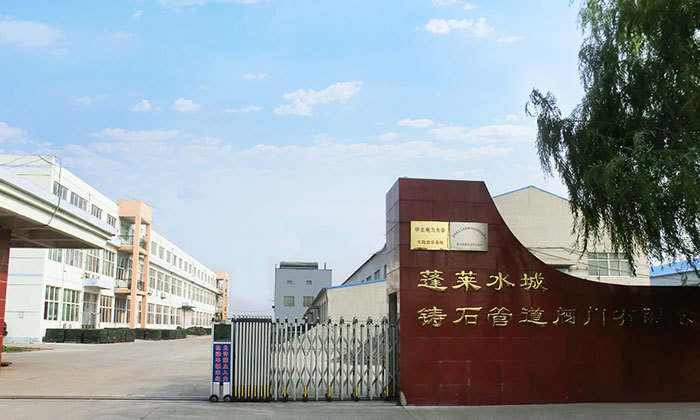
About UsSpecializing in the production and sales of wear-resistant materials such as cast basalt products, the company has obtained over 20 invention patents and utility model patents, and was awarded the "Shandong Star Enterprise of China Patent" title. The company has a history of over 20 years, and currently owns a single basalt cast basalt production line with a production capacity of 15000 tons/year, and mechanical processing equipment with an annual output of 5000 wear-resistant valves and 20000 clamp-type flexible pipe joints.
-
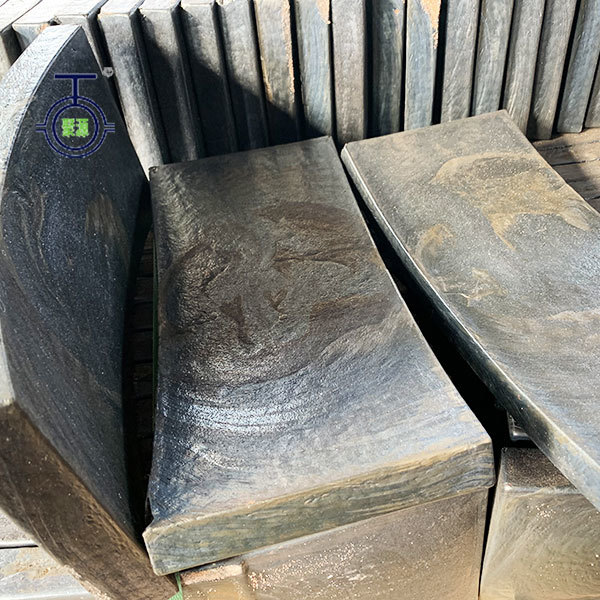
Cast BasaltCast basalt products include cast basalt pipes, cast basalt tiles, cast basalt powder, cast basalt lined steel pipes, etc., mainly used in industries such as electric power, metallurgy, mining, coal, building materials, and chemical.

-
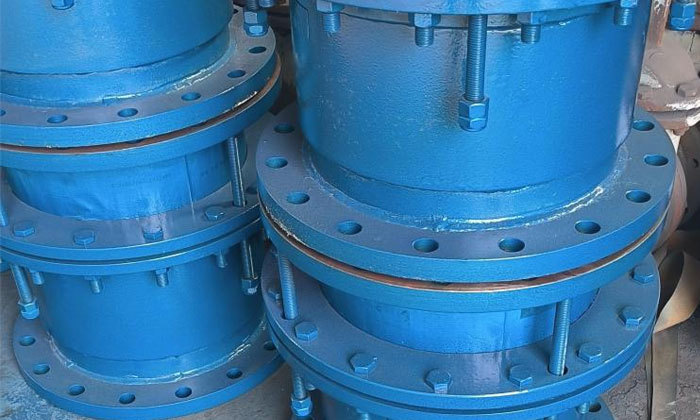
ValveCast basalt ball valves are durable, have a long service life, low fluid resistance, reliable sealing, wear and corrosion resistance, and the sealing surfaces of the ball and valve seat are always isolated from the medium during the fully open and fully closed processes of the valve, so that the medium passing through the valve at high speed will not erode the sealing surface.
-
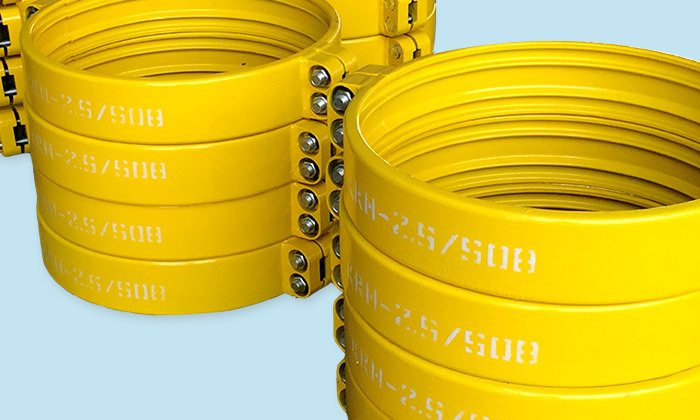
Pipe FittingClamp-type flexible pipe joints are used to connect pipes. KRH and KRJ series rolled clamp-type flexible pipe joints are patented products of our factory. They can effectively compensate for thermal expansion and contraction caused by temperature changes in the pipeline system, and can also compensate for angular changes caused by pipeline foundation settlement. They are high-pressure resistant, easy to install, and have a much better price-performance ratio than flange connections.
-
BLOGSince its establishment in 1986, the company has cumulatively produced: over 1600 kilometers of cast basalt lined steel pipes; over 260000 sets of flexible pipe joints; over 18000 valves of various types. Its products cover all provinces nationwide and are exported to countries such as South Korea, the United States, Serbia, South Africa, Zimbabwe, Japan, India, Vietnam, Russia, Poland, Ukraine, Kazakhstan, and Australia.

How Wear-Resistant Flow Control Valves Reduce Downtime in Production
How Wear-Resistant Flow Control Valves Reduce Downtime in Production Table of Contents Introduction to Flow Control Valves The Importance of Wear-Resistant Materials Design Features of Wear-Resistant Flow Control Valves Applications in Various Industries Impact on Downtime and Efficiency Maintenance and Longevity Case Studies: Success Stories The Future of Flow
How Wear-Resistant Flow Control Valves Reduce Downtime in Production
Table of Contents
- Introduction to Flow Control Valves
- The Importance of Wear-Resistant Materials
- Design Features of Wear-Resistant Flow Control Valves
- Applications in Various Industries
- Impact on Downtime and Efficiency
- Maintenance and Longevity
- Case Studies: Success Stories
- The Future of Flow Control Technology
- Conclusion
- FAQs about Wear-Resistant Flow Control Valves
Introduction to Flow Control Valves
Flow control valves are essential components in industrial settings, allowing for the regulation of fluid flow within a system. They are pivotal in maintaining process stability, ensuring that operations run smoothly. However, in environments where wear and tear from abrasive materials can compromise performance, the introduction of **wear-resistant flow control valves** has revolutionized how industries approach production challenges.
The Importance of Wear-Resistant Materials
Wear-resistant materials play a crucial role in enhancing the longevity and reliability of flow control valves. Traditional valve materials often succumb to erosion and degradation, leading to frequent replacements and operational disruptions. The introduction of advanced materials, such as **ceramics, hard-coated metals, and composite materials**, significantly improves resistance to wear and corrosion.
Understanding Wear Mechanisms
Before delving into the solutions, it’s essential to understand the various wear mechanisms that affect flow control valves. These include:
- **Abrasive wear** caused by solid particles within fluids.
- **Corrosive wear** resulting from chemical interactions with the fluid.
- **Fatigue wear** due to repeated stress over time.
By addressing these issues with appropriate materials, industries can significantly reduce the frequency of valve failures.
Design Features of Wear-Resistant Flow Control Valves
The design of wear-resistant flow control valves is tailored to mitigate wear and enhance performance. Key features include:
1. Advanced Coatings
Specialized coatings, such as **PTFE (Polytetrafluoroethylene)** and **PFA (Perfluoroalkoxy alkane)**, are applied to reduce friction and enhance fluid compatibility.
2. Robust Construction
The use of high-strength alloys and composites in valve construction ensures that the valves can withstand both mechanical and thermal stresses.
3. Precision Manufacturing
Technologies like **CNC machining** and **3D printing** allow for highly accurate components that fit perfectly, reducing potential leak points and enhancing efficiency.
Benefits of Design Innovations
These design innovations lead to significant improvements in flow control, including better response times and reduced energy consumption.
Applications in Various Industries
Wear-resistant flow control valves find applications across multiple sectors, demonstrating their versatility and critical role in enhancing operational efficiency. Some key industries include:
1. Mining and Minerals Processing
In mining, these valves handle abrasive slurries and chemicals, ensuring continued flow without frequent maintenance.
2. Oil and Gas
The harsh environments in oil extraction benefit from wear-resistant valves that can endure high pressures and corrosive substances.
3. Chemical Processing
In chemical plants, valves must resist corrosive materials while maintaining precise flow control, leading to the adoption of wear-resistant solutions.
4. Water Treatment Facilities
Water treatment processes involve abrasive materials and chemicals; hence, wear-resistant valves reduce maintenance downtime and ensure consistent flow.
Impact on Downtime and Efficiency
The implementation of wear-resistant flow control valves has a profound impact on production downtime and overall efficiency.
Lower Maintenance Frequency
By minimizing wear, these valves significantly reduce the need for routine maintenance. This leads to fewer production interruptions, allowing for smoother operations.
Enhanced Production Capacity
With fewer failures and breakdowns, facilities can operate at higher capacities. This increased efficiency translates into enhanced productivity, ultimately leading to higher revenues.
Cost-Effectiveness
While wear-resistant flow control valves may have a higher upfront cost, the long-term savings in maintenance and downtime make them a financially sound investment.
Maintenance and Longevity
Although wear-resistant valves are designed for durability, proper maintenance practices can further extend their lifespan.
Routine Inspection
Regular checks for wear, corrosion, and alignment can preemptively address issues that could lead to valve failure.
Cleaning and Lubrication
Maintaining clean operating conditions and ensuring proper lubrication can reduce friction and wear, promoting longevity.
Documentation and Tracking
Keeping detailed records of maintenance activities helps identify patterns and predict future needs, ensuring that operations remain uninterrupted.
Case Studies: Success Stories
Analyzing real-world applications provides insight into the effectiveness of wear-resistant flow control valves.
Case Study 1: Mining Industry
A major mining corporation implemented wear-resistant valves in their slurry handling systems, resulting in a **40% decrease in maintenance costs** within the first year.
Case Study 2: Chemical Manufacturing
A chemical processing plant observed a **30% increase in throughput** after switching to wear-resistant valves, as they experienced fewer breakdowns and enhanced flow stability.
The Future of Flow Control Technology
Looking ahead, advancements in **smart valve technology** and **IoT integration** are expected to further enhance the performance of wear-resistant flow control valves. Smart technologies will enable real-time monitoring, predictive maintenance, and optimized flow management.
Conclusion
Wear-resistant flow control valves are not just a luxury but a necessity in modern industrial applications. By investing in these advanced components, industries can significantly **reduce downtime**, enhance **operational efficiency**, and ultimately drive **higher profitability**. As technology evolves, staying informed about the latest innovations will allow businesses to adapt and thrive in a competitive market.
FAQs about Wear-Resistant Flow Control Valves
1. What are wear-resistant flow control valves made of?
Wear-resistant flow control valves are typically constructed from advanced materials such as ceramics, hard-coated metals, and composites that enhance durability and resist wear and corrosion.
2. How do wear-resistant valves improve production efficiency?
By reducing wear and the frequency of maintenance, wear-resistant valves minimize downtime, allowing production processes to run more smoothly and efficiently.
3. Are wear-resistant flow control valves more expensive?
While the initial investment may be higher, the long-term savings on maintenance and reduced downtime often make them a cost-effective solution.
4. What industries benefit from wear-resistant flow control valves?
Industries such as mining, oil and gas, chemical processing, and water treatment significantly benefit from the durability and reliability of wear-resistant flow control valves.
5. How can I ensure the longevity of my flow control valves?
Routine inspections, proper cleaning, lubrication, and maintaining detailed maintenance records can significantly extend the lifespan of flow control valves.
By understanding the vital role that wear-resistant flow control valves play in minimizing downtime and enhancing productivity, businesses can make informed decisions that contribute to their long-term success.
Previous
Recommended

How Wear-Resistant Flow Control Valves Reduce Downtime in Production

Supplier of wear-resistant material solutions, specializing in cast basalt products
Many years of focus on the production and sales of high-quality wear-resistant materials, mainly used in power, metallurgy, mining, coal, building materials, chemical, and other industries.
Leave your contact information to get the latest product discount information

Mobile Website

Contact Us
Phone: +86-535-5632189 / 5666528 / 5637763
Fax: +86-535-5666528 / 5642975
Email: z.minhui@plsczsgdfm.com
Address: No. 6 Zhenxing, Liujiagou Town, Penglai District, Yantai City, Shandong Province


