
-
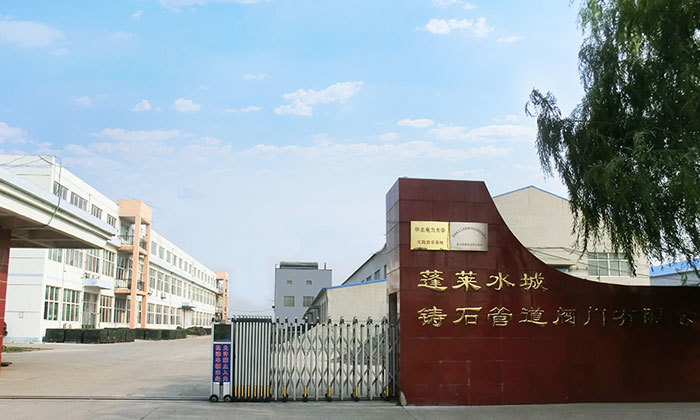
About UsSpecializing in the production and sales of wear-resistant materials such as cast basalt products, the company has obtained over 20 invention patents and utility model patents, and was awarded the "Shandong Star Enterprise of China Patent" title. The company has a history of over 20 years, and currently owns a single basalt cast basalt production line with a production capacity of 15000 tons/year, and mechanical processing equipment with an annual output of 5000 wear-resistant valves and 20000 clamp-type flexible pipe joints.
-
Cast BasaltCast basalt products include cast basalt pipes, cast basalt tiles, cast basalt powder, cast basalt lined steel pipes, etc., mainly used in industries such as electric power, metallurgy, mining, coal, building materials, and chemical.

-
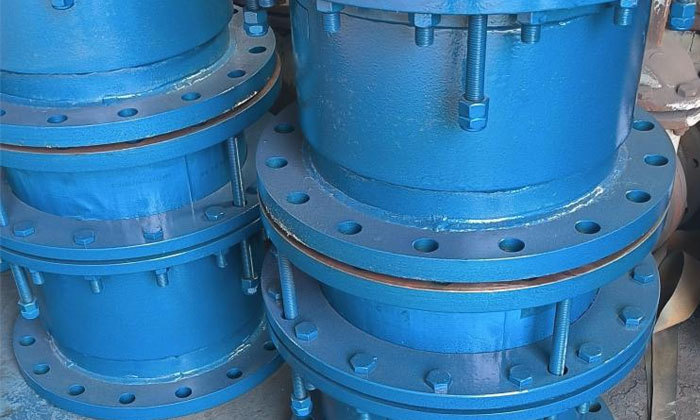
ValveCast basalt ball valves are durable, have a long service life, low fluid resistance, reliable sealing, wear and corrosion resistance, and the sealing surfaces of the ball and valve seat are always isolated from the medium during the fully open and fully closed processes of the valve, so that the medium passing through the valve at high speed will not erode the sealing surface.
-
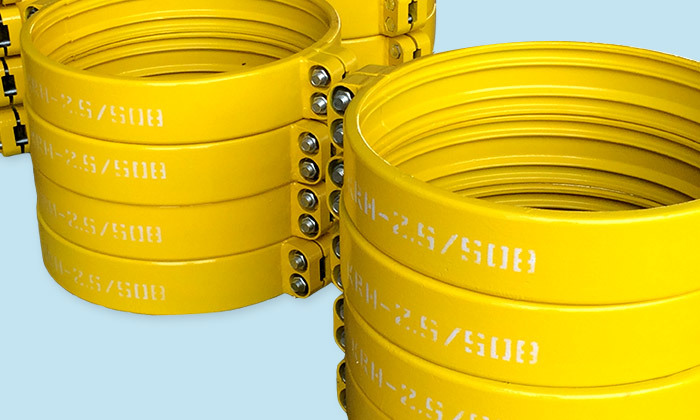
Pipe FittingClamp-type flexible pipe joints are used to connect pipes. KRH and KRJ series rolled clamp-type flexible pipe joints are patented products of our factory. They can effectively compensate for thermal expansion and contraction caused by temperature changes in the pipeline system, and can also compensate for angular changes caused by pipeline foundation settlement. They are high-pressure resistant, easy to install, and have a much better price-performance ratio than flange connections.
-
BLOGSince its establishment in 1986, the company has cumulatively produced: over 1600 kilometers of cast basalt lined steel pipes; over 260000 sets of flexible pipe joints; over 18000 valves of various types. Its products cover all provinces nationwide and are exported to countries such as South Korea, the United States, Serbia, South Africa, Zimbabwe, Japan, India, Vietnam, Russia, Poland, Ukraine, Kazakhstan, and Australia.

The Science Behind Cast Basalt Tile and Chute Durability: An In-depth Exploration
The Science Behind Cast Basalt Tile and Chute Durability Table of Contents 1. Introduction to Cast Basalt 2. Understanding the Manufacturing Process 2.1 Raw Materials Used in Cast Basalt Production 2.2 The Casting Process Explained 3. Mechanical Properties of Cast Basalt 3.1 Hardness and Wear Resistance 3.2 Impact Resistance and Structural Integrity 4. Applications of Cast Basalt
The Science Behind Cast Basalt Tile and Chute Durability
Table of Contents
1. Introduction to Cast Basalt
2. Understanding the Manufacturing Process
2.1 Raw Materials Used in Cast Basalt Production
2.2 The Casting Process Explained
3. Mechanical Properties of Cast Basalt
3.1 Hardness and Wear Resistance
3.2 Impact Resistance and Structural Integrity
4. Applications of Cast Basalt Tiles and Chutes
4.1 Industrial Use Cases
4.2 Advantages Over Traditional Materials
5. Maintenance and Care for Cast Basalt Products
5.1 Cleaning Techniques for Durability
5.2 Lifespan Expectations and Replacement
6. Frequently Asked Questions
7. Conclusion
1. Introduction to Cast Basalt
Cast basalt is a specialized material known for its outstanding durability and resistance to abrasiveness, making it ideal for various industrial applications. Originating from volcanic rock, cast basalt is processed into tiles and chutes that serve critical functions in industries such as mining, metallurgy, and manufacturing. This article explores the science behind cast basalt tile and chute durability, shedding light on what makes them a superior choice in harsh environments.
2. Understanding the Manufacturing Process
The process of creating cast basalt involves several key steps, each contributing to the final product's exceptional properties.
2.1 Raw Materials Used in Cast Basalt Production
The primary ingredients for cast basalt are naturally occurring basalt rocks, which are rich in silica and alumina. These rocks undergo crushing and screening to attain the desired particle size. The chemical composition of basalt significantly influences the final product's properties, ensuring high performance under stress.
2.2 The Casting Process Explained
Once the raw materials are prepared, they are melted in a furnace at high temperatures, typically around 1,400 to 1,600 degrees Celsius. The molten basalt is then poured into molds, where it cools and solidifies into tiles and chutes. This casting process is crucial, as it allows the material to form a dense, homogenous structure that contributes to its unmatched durability.
3. Mechanical Properties of Cast Basalt
The mechanical properties of cast basalt play a vital role in its performance, making it highly sought after in demanding environments.
3.1 Hardness and Wear Resistance
Cast basalt exhibits incredible hardness, which is quantified using the Mohs hardness scale. Typically, it ranges between 6 and 7, indicating that it is significantly more resistant to wear than many traditional materials. This hardness ensures that cast basalt tiles and chutes can withstand significant mechanical stress and abrasion, making them ideal for handling bulk materials.
3.2 Impact Resistance and Structural Integrity
In addition to hardness, cast basalt also possesses excellent impact resistance. When subjected to sudden loads, cast basalt tiles and chutes can absorb shock without fracturing. This property is especially important in environments where heavy machinery operates, and materials are constantly in motion. The structural integrity of cast basalt is maintained even under extreme conditions, ensuring longevity and reliability.
4. Applications of Cast Basalt Tiles and Chutes
The versatility of cast basalt makes it suitable for a wide range of applications across various industries.
4.1 Industrial Use Cases
Cast basalt tiles and chutes are primarily used in mining and mineral processing, where they line chutes, hoppers, and other equipment to reduce wear. They are also employed in the cement industry, power generation, and waste management to enhance material flow and minimize downtime due to maintenance.
4.2 Advantages Over Traditional Materials
Compared to traditional materials like steel or concrete, cast basalt offers significant advantages. Its superior wear resistance translates to reduced replacement frequency, ultimately lowering operational costs. Furthermore, cast basalt is chemically inert, meaning it won't react with the materials it comes in contact with, ensuring purity and safety in industries handling sensitive substances.
5. Maintenance and Care for Cast Basalt Products
Proper maintenance is essential to extend the lifespan of cast basalt tiles and chutes.
5.1 Cleaning Techniques for Durability
Cleaning cast basalt products should be done using non-abrasive methods to avoid damage. A simple wash with mild detergents and warm water is often sufficient to maintain their appearance and functionality. Regular inspections should also be conducted to identify any signs of wear or damage early on.
5.2 Lifespan Expectations and Replacement
Cast basalt tiles and chutes can last decades, depending on the environment and usage. However, factors such as extreme abrasion or chemical exposure can reduce their lifespan. Monitoring the condition of these products and replacing them as necessary ensures continued performance and safety.
6. Frequently Asked Questions
What industries use cast basalt tiles and chutes?
Cast basalt products are utilized in mining, metallurgy, cement production, and waste management, among others.
How do cast basalt tiles compare to ceramic tiles?
Cast basalt tiles are significantly harder and more resistant to wear compared to ceramic tiles, making them more suitable for high-stress industrial applications.
Can cast basalt chutes withstand extreme temperatures?
Yes, cast basalt can withstand high temperatures without losing structural integrity, making it ideal for applications in high-heat environments.
What is the lifespan of cast basalt tiles?
With proper maintenance, cast basalt tiles can last for decades, often outlasting traditional materials used in similar applications.
Are cast basalt products environmentally friendly?
Yes, cast basalt is produced from natural materials and does not release harmful substances, making it an environmentally friendly choice for industrial use.
7. Conclusion
In conclusion, the science behind cast basalt tile and chute durability reveals a material engineered for excellence in demanding industrial applications. From its robust manufacturing process to its impressive mechanical properties, cast basalt stands out as a superior choice for industries seeking longevity, reliability, and efficiency. By understanding the benefits and maintenance of cast basalt products, businesses can optimize their operations and enhance productivity while minimizing costs. Investing in cast basalt is investing in a sustainable and durable future for industrial applications.
Recommended

Cost-Effective Chute Lining: The Role of Cast Basalt Tile in Industrial Equipment


Supplier of wear-resistant material solutions, specializing in cast basalt products
Many years of focus on the production and sales of high-quality wear-resistant materials, mainly used in power, metallurgy, mining, coal, building materials, chemical, and other industries.
Leave your contact information to get the latest product discount information

Mobile Website

Contact Us
Phone: +86-535-5632189 / 5666528 / 5637763
Fax: +86-535-5666528 / 5642975
Email: z.minhui@plsczsgdfm.com
Address: No. 6 Zhenxing, Liujiagou Town, Penglai District, Yantai City, Shandong Province


