
-
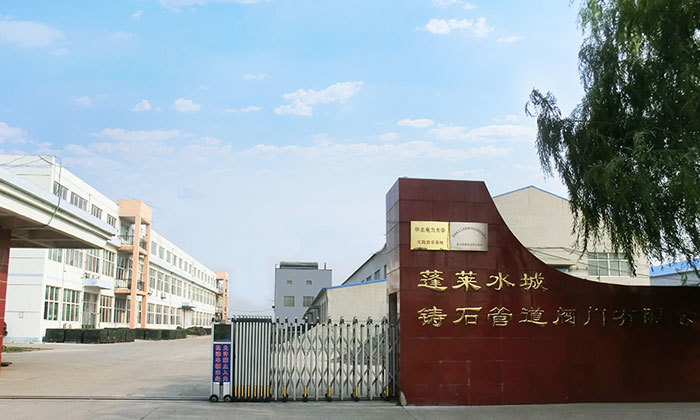
About UsSpecializing in the production and sales of wear-resistant materials such as cast basalt products, the company has obtained over 20 invention patents and utility model patents, and was awarded the "Shandong Star Enterprise of China Patent" title. The company has a history of over 20 years, and currently owns a single basalt cast basalt production line with a production capacity of 15000 tons/year, and mechanical processing equipment with an annual output of 5000 wear-resistant valves and 20000 clamp-type flexible pipe joints.
-
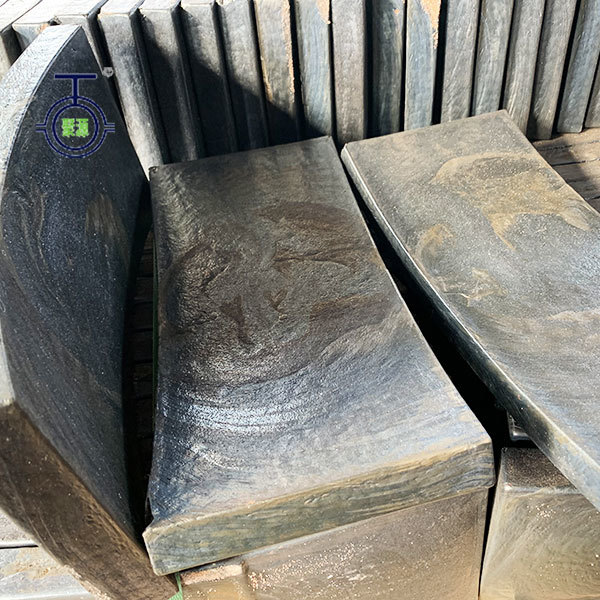
Cast BasaltCast basalt products include cast basalt pipes, cast basalt tiles, cast basalt powder, cast basalt lined steel pipes, etc., mainly used in industries such as electric power, metallurgy, mining, coal, building materials, and chemical.

-
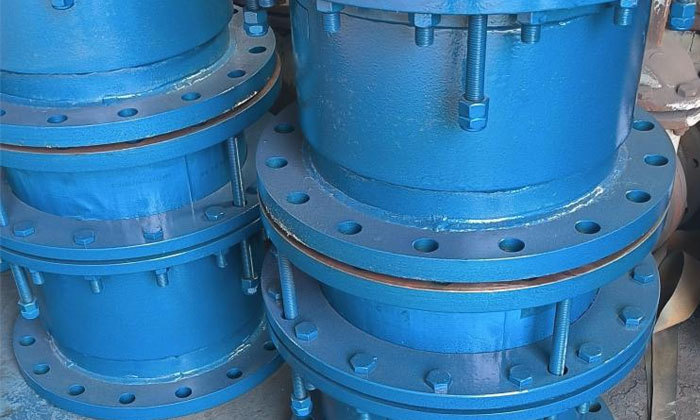
ValveCast basalt ball valves are durable, have a long service life, low fluid resistance, reliable sealing, wear and corrosion resistance, and the sealing surfaces of the ball and valve seat are always isolated from the medium during the fully open and fully closed processes of the valve, so that the medium passing through the valve at high speed will not erode the sealing surface.
-
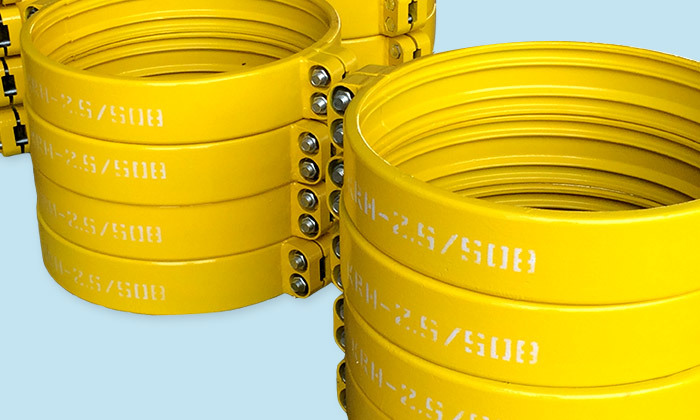
Pipe FittingClamp-type flexible pipe joints are used to connect pipes. KRH and KRJ series rolled clamp-type flexible pipe joints are patented products of our factory. They can effectively compensate for thermal expansion and contraction caused by temperature changes in the pipeline system, and can also compensate for angular changes caused by pipeline foundation settlement. They are high-pressure resistant, easy to install, and have a much better price-performance ratio than flange connections.
-
BLOGSince its establishment in 1986, the company has cumulatively produced: over 1600 kilometers of cast basalt lined steel pipes; over 260000 sets of flexible pipe joints; over 18000 valves of various types. Its products cover all provinces nationwide and are exported to countries such as South Korea, the United States, Serbia, South Africa, Zimbabwe, Japan, India, Vietnam, Russia, Poland, Ukraine, Kazakhstan, and Australia.

Revolutionizing Chute Lining Practices: The Impact of Cast Basalt Tile Innovations
Revolutionizing Chute Lining Practices: The Impact of Cast Basalt Tile Innovations In the realm of industrial equipment and components, particularly within the casting and heat treatment sector, the evolution of materials has played a crucial role in enhancing operational efficiency. One such innovation that has garnered attention is the use of cast basalt tiles for chute lining. This article delv
Revolutionizing Chute Lining Practices: The Impact of Cast Basalt Tile Innovations
In the realm of industrial equipment and components, particularly within the casting and heat treatment sector, the evolution of materials has played a crucial role in enhancing operational efficiency. One such innovation that has garnered attention is the use of cast basalt tiles for chute lining. This article delves into the transformative effects of cast basalt tile innovations, examining their benefits, applications, and the future of chute lining practices.
Understanding Cast Basalt Tiles
Cast basalt tiles are manufactured from volcanic rock, offering remarkable durability and resistance to wear and tear. Their unique properties make them an ideal choice for applications requiring robust lining solutions. The manufacturing process involves pouring molten basalt into a mold, where it solidifies to form a highly dense and strong material. This characteristic is particularly advantageous in environments subjected to heavy abrasion and impact.
The Composition and Properties of Cast Basalt Tiles
Cast basalt tiles are primarily composed of amorphous silica, alumina, and other minerals that contribute to their outstanding performance. Key properties include:
High Abrasion Resistance
Cast basalt tiles exhibit an exceptional level of abrasion resistance, making them suitable for chutes, hoppers, and other equipment that handle abrasive materials. Their hardness allows them to withstand the continuous wear caused by materials such as sand, gravel, and minerals.
Thermal Stability
These tiles can endure high temperatures, making them ideal for applications involving hot materials and processes. Their thermal stability ensures that they maintain their structural integrity, minimizing the risk of damage during operation.
Chemical Resistance
Cast basalt tiles are resistant to a variety of chemicals, which is crucial for industries that deal with corrosive substances. This property reduces the likelihood of degradation over time, contributing to a longer lifespan and lower maintenance costs.
The Role of Cast Basalt Tiles in Chute Lining Practices
Chute linings are critical in various industries, including mining, agriculture, and materials handling. The effectiveness of a chute lining directly influences the efficiency of material flow and the longevity of the equipment. Cast basalt tiles have emerged as a game-changer in this regard.
Enhanced Material Flow and Reduced Blockages
One of the primary advantages of using cast basalt tiles for chute lining is their ability to facilitate smooth material flow. The tiles' slick surface reduces friction, allowing materials to slide effortlessly through the chute. This attribute significantly decreases the likelihood of blockages, ensuring uninterrupted operations.
Longevity and Cost-Effectiveness
Investing in cast basalt tile linings can lead to substantial cost savings over time. Due to their durability, these tiles require less frequent replacement compared to traditional materials. This longevity translates into reduced downtime and maintenance expenses, making cast basalt an economically viable option for businesses.
Applications of Cast Basalt Tiles in Industry
Mining and Minerals Processing
In the mining sector, cast basalt tiles are extensively employed in chutes that transport minerals from one point to another. Their high abrasion resistance ensures that the tiles can withstand the harsh conditions associated with mineral transportation.
Food and Agriculture
Cast basalt tiles are also finding applications in the food industry, particularly in conveying systems for grains and other agricultural products. Their non-toxic nature and resistance to staining make them a preferred choice for food handling.
Cement and Concrete Production
In cement and concrete production facilities, cast basalt tiles are used in chutes that handle aggregates and cement. Their ability to resist wear from heavy materials ensures that the production process remains efficient and cost-effective.
Technological Innovations in Cast Basalt Tile Production
Advancements in Manufacturing Techniques
The production of cast basalt tiles has seen significant advancements in recent years. Innovations such as improved mold designs and enhanced cooling methods have led to tiles with even greater strength and durability. These improvements ensure that manufacturers can meet the increasing demands for high-performance lining solutions.
Customization Options for Specific Needs
Modern manufacturing processes allow for greater customization of cast basalt tiles, enabling businesses to specify dimensions, shapes, and surface finishes that suit their unique operational requirements. This level of customization enhances the versatility of cast basalt tiles across various applications.
Future Trends in Cast Basalt Tile Innovations
Sustainability and Eco-Friendly Practices
As industries move towards more sustainable practices, the demand for eco-friendly materials is on the rise. Cast basalt tiles, made from natural volcanic rock and produced through energy-efficient methods, align with these sustainability goals. Future innovations may focus on enhancing the environmental footprint of the production process.
Integration with Smart Technologies
The incorporation of smart technologies into industrial processes is another trend shaping the future of cast basalt tiles. Sensors that monitor wear and performance could be integrated into lining systems, providing real-time data to operators for improved maintenance and operational efficiency.
Choosing the Right Cast Basalt Tiles for Your Application
Selecting the appropriate cast basalt tiles for a specific application requires careful consideration of several factors:
Assessing Environmental Conditions
Evaluate the environmental conditions where the tiles will be installed. Factors such as temperature, humidity, and the nature of the materials being transported can influence the type of cast basalt tiles needed.
Understanding Abrasion Levels
Different applications may have varying levels of abrasion. It's essential to understand the specific abrasion levels associated with the materials being handled to choose the right tile grade.
Consulting with Manufacturers
Working closely with manufacturers ensures that businesses select the most suitable cast basalt tiles for their needs. Manufacturers can provide valuable insights into product specifications, installation methods, and maintenance practices.
FAQs About Cast Basalt Tile Innovations
1. What are the main benefits of using cast basalt tiles for chute lining?
Cast basalt tiles offer high abrasion resistance, thermal stability, and chemical resistance, making them ideal for various industrial applications. Their durability leads to cost savings through reduced maintenance and replacement frequency.
2. How do cast basalt tiles compare to traditional lining materials?
Cast basalt tiles outperform many traditional materials in terms of durability and resistance to wear and corrosion. This results in longer lifespans and lower operational costs, making them a more economical choice in the long run.
3. Can cast basalt tiles be customized for specific applications?
Yes, cast basalt tiles can be customized in terms of dimensions, shapes, and surface finishes. This flexibility allows businesses to tailor the tiles to their unique operational needs.
4. Are cast basalt tiles environmentally friendly?
Cast basalt tiles are made from natural volcanic rock and produced through energy-efficient methods, aligning with sustainable practices in industrial applications.
5. How do I select the right cast basalt tiles for my needs?
Consider factors such as environmental conditions, abrasion levels, and consultation with manufacturers to ensure you choose the right cast basalt tiles for your specific application.
Conclusion
The innovations in cast basalt tiles represent a significant leap forward in chute lining practices across various industries. By offering unparalleled durability, efficiency, and cost-effectiveness, cast basalt tiles are set to transform the way businesses approach material handling and equipment longevity. As technologies continue to evolve, the potential for cast basalt tiles to further enhance industrial processes remains promising, paving the way for future advancements in the field.
Recommended

Understanding Non-Return Valves for Ash Pipelines: Essential Insights for Industrial Applications

Supplier of wear-resistant material solutions, specializing in cast basalt products
Many years of focus on the production and sales of high-quality wear-resistant materials, mainly used in power, metallurgy, mining, coal, building materials, chemical, and other industries.
Leave your contact information to get the latest product discount information

Mobile Website

Contact Us
Phone: +86-535-5632189 / 5666528 / 5637763
Fax: +86-535-5666528 / 5642975
Email: z.minhui@plsczsgdfm.com
Address: No. 6 Zhenxing, Liujiagou Town, Penglai District, Yantai City, Shandong Province


