
-
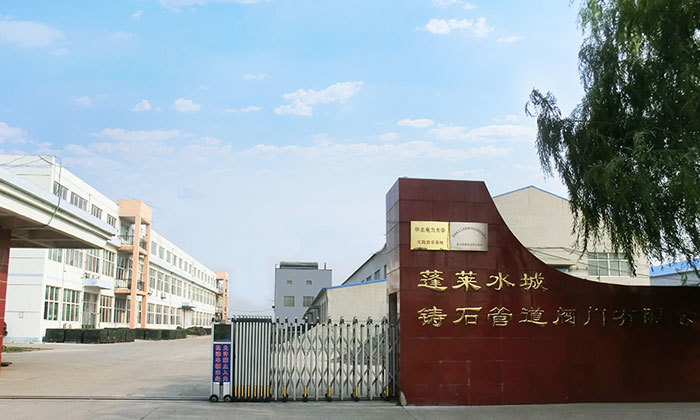
About UsSpecializing in the production and sales of wear-resistant materials such as cast basalt products, the company has obtained over 20 invention patents and utility model patents, and was awarded the "Shandong Star Enterprise of China Patent" title. The company has a history of over 20 years, and currently owns a single basalt cast basalt production line with a production capacity of 15000 tons/year, and mechanical processing equipment with an annual output of 5000 wear-resistant valves and 20000 clamp-type flexible pipe joints.
-
Cast BasaltCast basalt products include cast basalt pipes, cast basalt tiles, cast basalt powder, cast basalt lined steel pipes, etc., mainly used in industries such as electric power, metallurgy, mining, coal, building materials, and chemical.

-
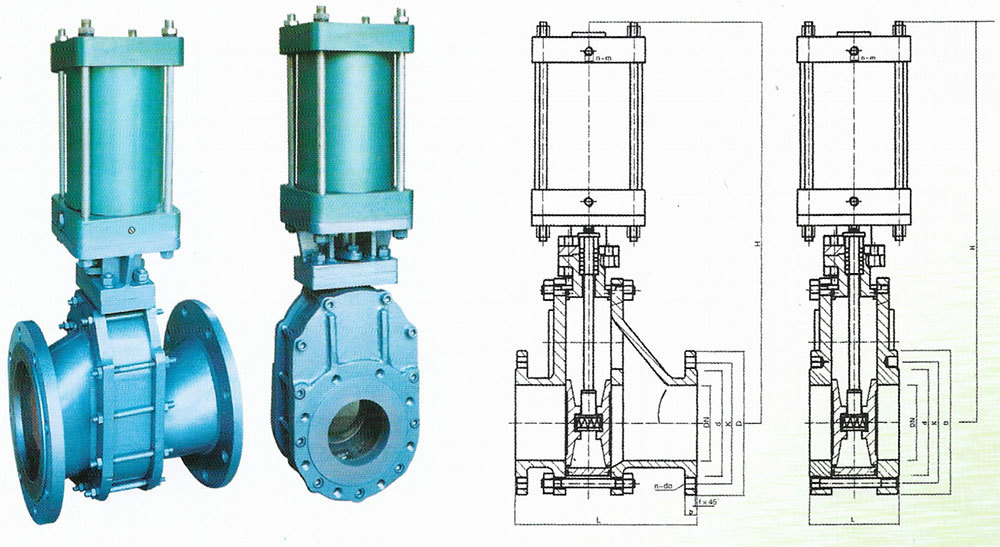
ValveCast basalt ball valves are durable, have a long service life, low fluid resistance, reliable sealing, wear and corrosion resistance, and the sealing surfaces of the ball and valve seat are always isolated from the medium during the fully open and fully closed processes of the valve, so that the medium passing through the valve at high speed will not erode the sealing surface.
-
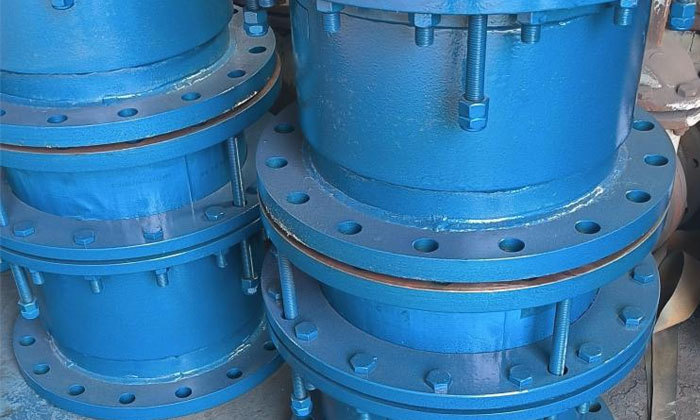
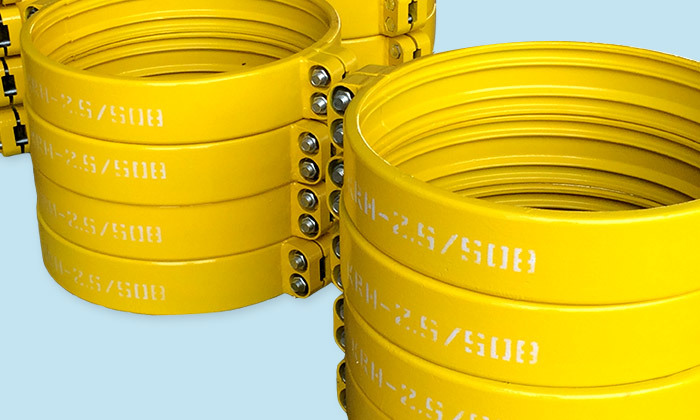
Pipe FittingClamp-type flexible pipe joints are used to connect pipes. KRH and KRJ series rolled clamp-type flexible pipe joints are patented products of our factory. They can effectively compensate for thermal expansion and contraction caused by temperature changes in the pipeline system, and can also compensate for angular changes caused by pipeline foundation settlement. They are high-pressure resistant, easy to install, and have a much better price-performance ratio than flange connections.
-
BLOGSince its establishment in 1986, the company has cumulatively produced: over 1600 kilometers of cast basalt lined steel pipes; over 260000 sets of flexible pipe joints; over 18000 valves of various types. Its products cover all provinces nationwide and are exported to countries such as South Korea, the United States, Serbia, South Africa, Zimbabwe, Japan, India, Vietnam, Russia, Poland, Ukraine, Kazakhstan, and Australia.

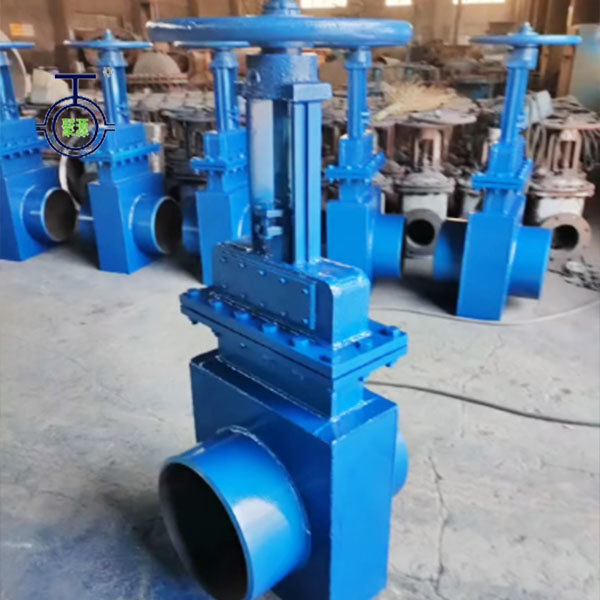
Comparing NPZ Wear-resistant Slurry Gate Valves to Traditional Models: A Comprehensive Analysis
How NPZ Wear-resistant Slurry Gate Valves Compare to Traditional Models In the competitive landscape of industrial equipment, whether in manufacturing, mining, or other sectors, the choice of valves plays a pivotal role in operational efficiency and cost management. Among the various options available, NPZ wear-resistant slurry gate valves have emerged as a game-changer. In this article, we will e
How NPZ Wear-resistant Slurry Gate Valves Compare to Traditional Models
In the competitive landscape of industrial equipment, whether in manufacturing, mining, or other sectors, the choice of valves plays a pivotal role in operational efficiency and cost management. Among the various options available, NPZ wear-resistant slurry gate valves have emerged as a game-changer. In this article, we will explore how these valves measure up against traditional models, examining their design, functionality, and overall performance.
Table of Contents
- 1. Introduction to Slurry Gate Valves
- 2. Overview of Traditional Slurry Gate Valves
- 3. What Makes NPZ Wear-resistant Slurry Gate Valves Unique?
- 4. Material Composition: The Key to Durability
- 5. Performance Comparison: NPZ vs. Traditional Models
- 6. Maintenance Requirements: A Cost-Effective Approach
- 7. Application Suitability of NPZ Valves
- 8. Customer Feedback and Case Studies
- 9. Conclusion: Making the Right Choice
- 10. FAQs: Common Questions Answered
1. Introduction to Slurry Gate Valves
Slurry gate valves are crucial in managing the flow of solids and liquids in various industrial processes. These valves must withstand corrosive environments, abrasive materials, and high pressures. As industries evolve, the demand for more efficient, durable, and cost-effective solutions has led to the development of advanced models like the NPZ wear-resistant slurry gate valves.
2. Overview of Traditional Slurry Gate Valves
Traditional slurry gate valves, often made from standard materials like cast iron or standard steel, have served industries for decades. While they have been reliable, they tend to struggle with long-term durability when exposed to harsh conditions. Their limitations often include:
- Wear and Tear: Frequent replacements are needed due to erosion caused by abrasive materials.
- Corrosion: Standard materials can corrode quickly, especially in the presence of chemicals.
- Flow Control: Traditional models may not provide fine control over flow rates.
3. What Makes NPZ Wear-resistant Slurry Gate Valves Unique?
NPZ wear-resistant slurry gate valves are engineered to overcome the challenges posed by traditional models. They boast unique features that enhance their performance and longevity:
- Advanced Materials: NPZ valves are constructed using high-grade, wear-resistant alloys that significantly prolong their lifespan.
- Innovative Design: The design facilitates smooth flow and reduces turbulence, enhancing efficiency.
- Customizability: NPZ offers a range of sizes and configurations, making them suitable for various applications.
4. Material Composition: The Key to Durability
The choice of materials is crucial in determining the performance of any valve. NPZ valves utilize advanced composites and alloys specifically designed to resist abrasion and corrosion. This innovative material composition results in:
- Enhanced Wear Resistance: NPZ valves can withstand abrasive particles without degrading.
- Corrosion Resistance: They are less susceptible to chemical attacks, unlike traditional steel or cast iron.
- Temperature Tolerance: NPZ valves perform well under extreme temperatures, maintaining their structural integrity.
5. Performance Comparison: NPZ vs. Traditional Models
When comparing the performance of NPZ wear-resistant slurry gate valves to traditional models, several key metrics stand out:
- Flow Efficiency: NPZ valves provide a smoother flow, reducing energy expenditure and improving overall efficiency.
- Operational Longevity: Traditional models may need replacement every few years, while NPZ valves can last significantly longer, resulting in lower lifecycle costs.
- Pressure Handling: NPZ valves are designed to handle higher pressures without failing, making them ideal for demanding applications.
6. Maintenance Requirements: A Cost-Effective Approach
One of the significant advantages of NPZ wear-resistant slurry gate valves is their reduced maintenance requirements. With traditional models, frequent inspections and replacements can lead to increased operational costs. In contrast, NPZ valves offer:
- Fewer Interventions: The durability of NPZ valves means they need less frequent servicing.
- Lower Replacement Costs: Investing in NPZ valves can lead to savings over time due to fewer replacements and repairs.
- Simplified Maintenance: Their design allows for easier access during maintenance, reducing downtime.
7. Application Suitability of NPZ Valves
NPZ wear-resistant slurry gate valves are versatile and suitable for various applications across multiple industries, including:
- Mining: Handling abrasive materials like ores and minerals.
- Chemical Processing: Managing corrosive substances safely.
- Water Treatment: Efficiently controlling the flow of slurry in treatment plants.
Due to their robust performance, NPZ valves can be employed in any scenario where traditional valves may falter under pressure.
8. Customer Feedback and Case Studies
Real-world performance is the best indicator of a product's value. Numerous case studies highlight the effectiveness of NPZ wear-resistant slurry gate valves:
- Case Study 1: A mining company reported a 50% reduction in valve-related failures after switching to NPZ valves.
- Case Study 2: A chemical processing plant noted significant savings in maintenance costs, attributing it to the durability of NPZ valves.
Customer testimonials reinforce the performance benefits of NPZ valves, emphasizing their reliability and efficiency.
9. Conclusion: Making the Right Choice
In summary, NPZ wear-resistant slurry gate valves offer significant advantages over traditional models. Their superior material composition, innovative design, and long-term cost-effectiveness make them an ideal choice for industries requiring robust solutions for handling slurries. By choosing NPZ valves, companies can enhance operational efficiency, minimize downtime, and ultimately save on costs. The transition to NPZ valves is not just an upgrade; it’s a strategic move toward a more resilient and efficient industrial future.
10. FAQs: Common Questions Answered
1. What are NPZ wear-resistant slurry gate valves made of?
NPZ valves are constructed from advanced alloys designed to withstand wear and corrosion, significantly extending their lifespan compared to traditional materials.
2. How do NPZ valves improve flow efficiency?
The innovative design of NPZ valves facilitates smoother flow with reduced turbulence, leading to better overall performance and energy savings.
3. What industries benefit from using NPZ valves?
Industries such as mining, chemical processing, and water treatment benefit greatly from the durability and efficiency of NPZ wear-resistant slurry gate valves.
4. Are NPZ valves cost-effective?
Yes, while the initial investment may be higher, NPZ valves reduce maintenance and replacement costs over time, proving to be a cost-effective solution.
5. How often do NPZ valves need maintenance?
NPZ valves require less frequent maintenance compared to traditional models, thanks to their durable design, which minimizes wear and tear.
Recommended

Understanding Wear-Resistant Ball Valves: A Key Component in Industrial Applications

Supplier of wear-resistant material solutions, specializing in cast basalt products
Many years of focus on the production and sales of high-quality wear-resistant materials, mainly used in power, metallurgy, mining, coal, building materials, chemical, and other industries.
Leave your contact information to get the latest product discount information

Mobile Website

Contact Us
Phone: +86-535-5632189 / 5666528 / 5637763
Fax: +86-535-5666528 / 5642975
Email: z.minhui@plsczsgdfm.com
Address: No. 6 Zhenxing, Liujiagou Town, Penglai District, Yantai City, Shandong Province


