
-
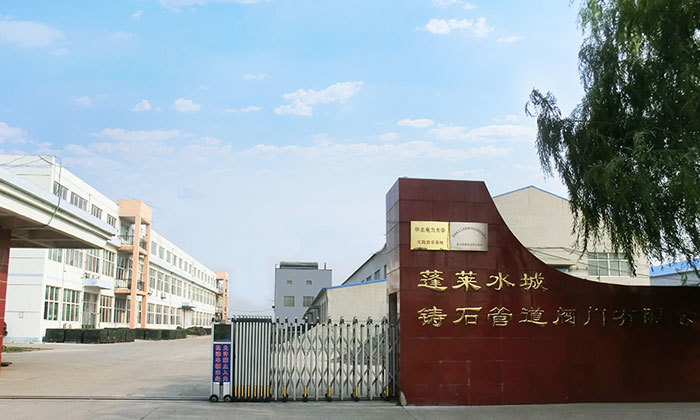
About UsSpecializing in the production and sales of wear-resistant materials such as cast basalt products, the company has obtained over 20 invention patents and utility model patents, and was awarded the "Shandong Star Enterprise of China Patent" title. The company has a history of over 20 years, and currently owns a single basalt cast basalt production line with a production capacity of 15000 tons/year, and mechanical processing equipment with an annual output of 5000 wear-resistant valves and 20000 clamp-type flexible pipe joints.
-
Cast BasaltCast basalt products include cast basalt pipes, cast basalt tiles, cast basalt powder, cast basalt lined steel pipes, etc., mainly used in industries such as electric power, metallurgy, mining, coal, building materials, and chemical.

-
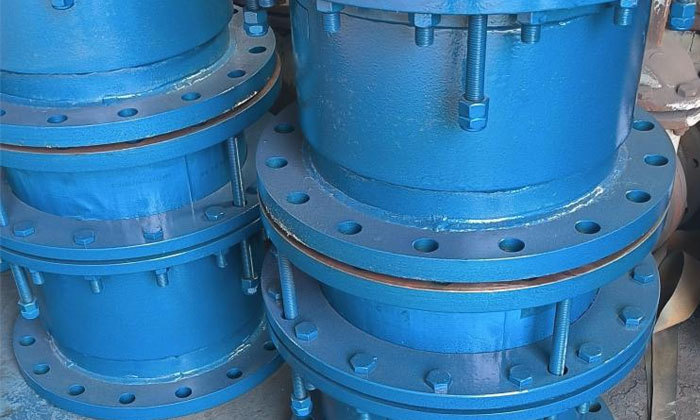
ValveCast basalt ball valves are durable, have a long service life, low fluid resistance, reliable sealing, wear and corrosion resistance, and the sealing surfaces of the ball and valve seat are always isolated from the medium during the fully open and fully closed processes of the valve, so that the medium passing through the valve at high speed will not erode the sealing surface.
-
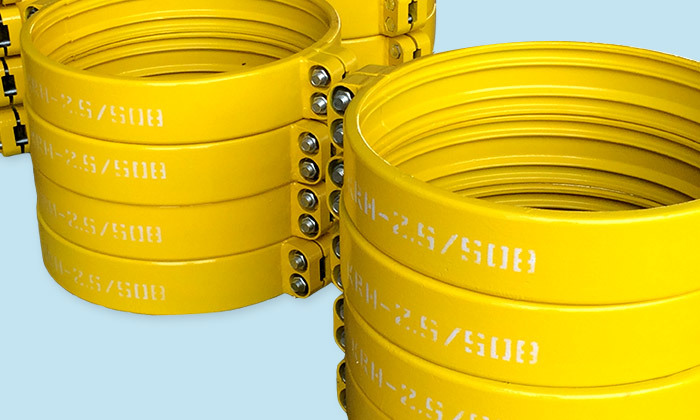
Pipe FittingClamp-type flexible pipe joints are used to connect pipes. KRH and KRJ series rolled clamp-type flexible pipe joints are patented products of our factory. They can effectively compensate for thermal expansion and contraction caused by temperature changes in the pipeline system, and can also compensate for angular changes caused by pipeline foundation settlement. They are high-pressure resistant, easy to install, and have a much better price-performance ratio than flange connections.
-
BLOGSince its establishment in 1986, the company has cumulatively produced: over 1600 kilometers of cast basalt lined steel pipes; over 260000 sets of flexible pipe joints; over 18000 valves of various types. Its products cover all provinces nationwide and are exported to countries such as South Korea, the United States, Serbia, South Africa, Zimbabwe, Japan, India, Vietnam, Russia, Poland, Ukraine, Kazakhstan, and Australia.

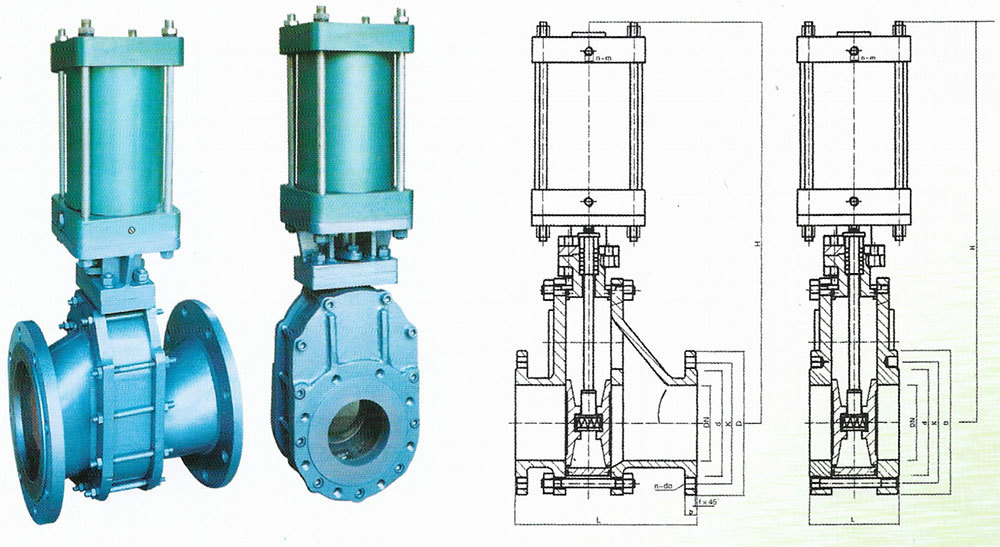
Selecting the Right NPZ Wear-resistant Slurry Gate Valve for Your Application
Selecting the Right NPZ Wear-resistant Slurry Gate Valve for Your Application Table of Contents 1. Understanding NPZ Wear-resistant Slurry Gate Valves 2. Importance of Slurry Gate Valves in Industrial Applications 3. Key Features of NPZ Wear-resistant Slurry Gate Valves 3.1 Material Composition and Durability 3.2 Design and Functionality 3.3 Size and Flow Capacity 4. Factors to Con
Selecting the Right NPZ Wear-resistant Slurry Gate Valve for Your Application
Table of Contents
1. Understanding NPZ Wear-resistant Slurry Gate Valves
2. Importance of Slurry Gate Valves in Industrial Applications
3. Key Features of NPZ Wear-resistant Slurry Gate Valves
3.1 Material Composition and Durability
3.2 Design and Functionality
3.3 Size and Flow Capacity
4. Factors to Consider When Selecting a Slurry Gate Valve
4.1 Application Type and Slurry Characteristics
4.2 Pressure and Temperature Ratings
4.3 Maintenance and Replacement Costs
5. Installation Best Practices for NPZ Slurry Gate Valves
6. Troubleshooting Common Issues with Slurry Gate Valves
7. Frequently Asked Questions (FAQs)
8. Conclusion
1. Understanding NPZ Wear-resistant Slurry Gate Valves
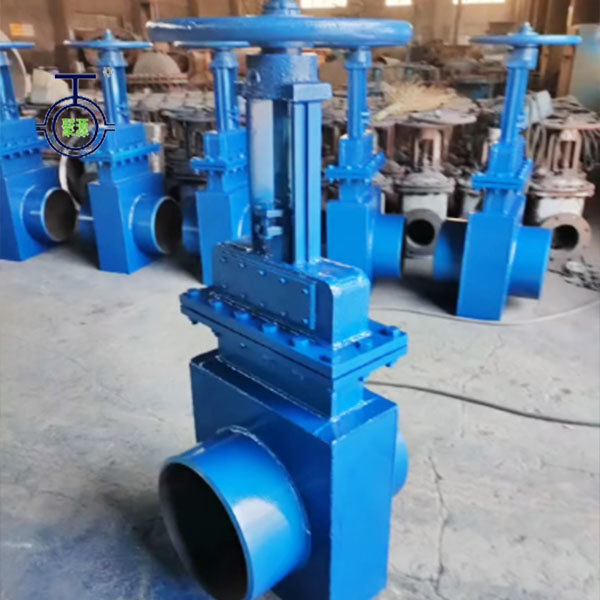
NPZ wear-resistant slurry gate valves are critical components in various industrial processes. Known for their robust construction and ability to handle abrasive materials, these valves excel in applications involving slurries—mixtures of solids and liquids. With their unique design, NPZ valves are engineered to minimize wear and extend service life, making them an excellent choice for demanding environments. Understanding the specifications and functionalities of these valves is essential when selecting the right one for your application.
2. Importance of Slurry Gate Valves in Industrial Applications
In industries such as mining, wastewater treatment, and chemical processing, slurry gate valves play a pivotal role. They regulate the flow of slurries through pipelines and processing systems, ensuring efficient operation. Selecting the correct valve can lead to significant improvements in system performance, energy efficiency, and overall cost-effectiveness. Therefore, understanding the importance of these valves is crucial for achieving operational success.
3. Key Features of NPZ Wear-resistant Slurry Gate Valves
3.1 Material Composition and Durability
One of the most critical aspects of NPZ wear-resistant slurry gate valves is their material composition. Typically constructed from high-grade alloys and materials designed to withstand abrasion and corrosion, these valves ensure longevity even in the harshest conditions. Choosing the right materials can drastically reduce wear and maintenance requirements.
3.2 Design and Functionality
NPZ valves are designed with features that enhance their functionality, including streamlined flow paths and innovative seat designs that prevent leakage. This design not only improves operational efficiency but also reduces the risk of environmental contamination, making them a preferred choice in eco-sensitive applications.
3.3 Size and Flow Capacity
The size of the valve and its flow capacity are crucial parameters that directly influence operational efficiency. NPZ offers a range of sizes to accommodate various pipeline diameters and flow rates. It is essential to match the valve size with the specific requirements of your system to ensure optimal performance.
4. Factors to Consider When Selecting a Slurry Gate Valve
4.1 Application Type and Slurry Characteristics
Before making a selection, assess the application type and the characteristics of the slurry being handled. Parameters such as viscosity, particle size, and concentration play a significant role in determining which NPZ valve will perform best under your specific conditions.
4.2 Pressure and Temperature Ratings
Understanding the operational pressure and temperature limits is crucial. NPZ wear-resistant slurry gate valves are available in various ratings, and exceeding these limits can lead to premature failure. Be sure to select a valve that matches the specific pressure and temperature requirements of your application.
4.3 Maintenance and Replacement Costs
While initial cost is often a consideration, evaluating the long-term maintenance and replacement costs is equally important. NPZ valves are designed for durability, but understanding the expected service life and maintenance frequency can inform your decision-making process and help you choose a valve that aligns with your budget over time.
5. Installation Best Practices for NPZ Slurry Gate Valves
Proper installation is essential for ensuring optimal performance and longevity of NPZ slurry gate valves. Follow these best practices to achieve the best results:
1. **Preparation of the Site**: Ensure that the installation area is clean and free of debris. This helps prevent contamination and ensures proper sealing.
2. **Alignment**: Maintain precise alignment of the valve with the pipeline to avoid undue stress and potential failure.
3. **Sealing**: Use appropriate sealing materials and techniques to prevent leaks, especially in high-pressure applications.
4. **Testing**: Conduct a thorough testing phase post-installation to confirm that the valve operates effectively and meets the required specifications.
6. Troubleshooting Common Issues with Slurry Gate Valves
Even the best equipment can experience issues. Here are common problems that may arise with NPZ wear-resistant slurry gate valves and how to troubleshoot them:
- **Leakage**: If you notice any leaks, check the seals and gaskets for wear and replace them as necessary.
- **Sticking Valve**: A valve that doesn't open or close smoothly may require lubrication or an inspection for debris.
- **Pressure Drops**: If there’s an unexpected drop in pressure, inspect for obstructions or damage within the valve or downstream equipment.
Regular maintenance and prompt attention to any issues can significantly enhance the lifespan and performance of your valves.
7. Frequently Asked Questions (FAQs)
What is a slurry gate valve used for?
A slurry gate valve is designed to control the flow of slurries, which consist of solid particles suspended in a liquid. They are commonly used in industries such as mining, wastewater treatment, and chemical processing.
How do NPZ wear-resistant slurry gate valves differ from other types of valves?
NPZ wear-resistant slurry gate valves are specifically designed to handle abrasive materials, featuring robust construction and materials that minimize wear compared to standard valves.
What factors influence the lifespan of a slurry gate valve?
Factors such as material composition, operational conditions (pressure and temperature), maintenance practices, and the characteristics of the slurry being handled significantly influence the lifespan of a slurry gate valve.
Can NPZ slurry gate valves be automated?
Yes, NPZ slurry gate valves can be integrated with automation systems to enable remote operation and monitoring, improving efficiency and safety in industrial applications.
How do I know which size slurry gate valve to choose?
The size of the slurry gate valve should match the diameter of your pipeline and the required flow rate. Consult with a valve specialist or use manufacturer guidelines to make the best selection.
8. Conclusion
Selecting the right NPZ wear-resistant slurry gate valve for your application is a critical decision that impacts the efficiency, safety, and longevity of your industrial processes. By understanding the essential features, evaluating key factors, and following best practices for installation and maintenance, you can make an informed choice that suits your operational needs. This guide serves as a comprehensive resource to help you navigate the complexities of selecting the ideal slurry gate valve, ensuring your applications run smoothly and effectively.
Recommended

Understanding Wear-Resistant Ball Valves: A Key Component in Industrial Applications

Supplier of wear-resistant material solutions, specializing in cast basalt products
Many years of focus on the production and sales of high-quality wear-resistant materials, mainly used in power, metallurgy, mining, coal, building materials, chemical, and other industries.
Leave your contact information to get the latest product discount information

Mobile Website

Contact Us
Phone: +86-535-5632189 / 5666528 / 5637763
Fax: +86-535-5666528 / 5642975
Email: z.minhui@plsczsgdfm.com
Address: No. 6 Zhenxing, Liujiagou Town, Penglai District, Yantai City, Shandong Province


