
-
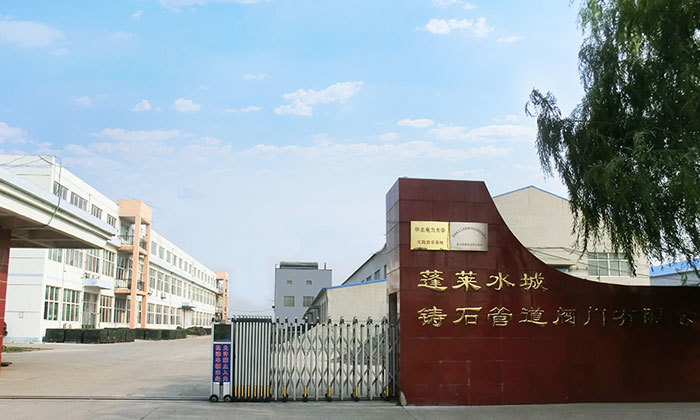
About UsSpecializing in the production and sales of wear-resistant materials such as cast basalt products, the company has obtained over 20 invention patents and utility model patents, and was awarded the "Shandong Star Enterprise of China Patent" title. The company has a history of over 20 years, and currently owns a single basalt cast basalt production line with a production capacity of 15000 tons/year, and mechanical processing equipment with an annual output of 5000 wear-resistant valves and 20000 clamp-type flexible pipe joints.
-
Cast BasaltCast basalt products include cast basalt pipes, cast basalt tiles, cast basalt powder, cast basalt lined steel pipes, etc., mainly used in industries such as electric power, metallurgy, mining, coal, building materials, and chemical.

-
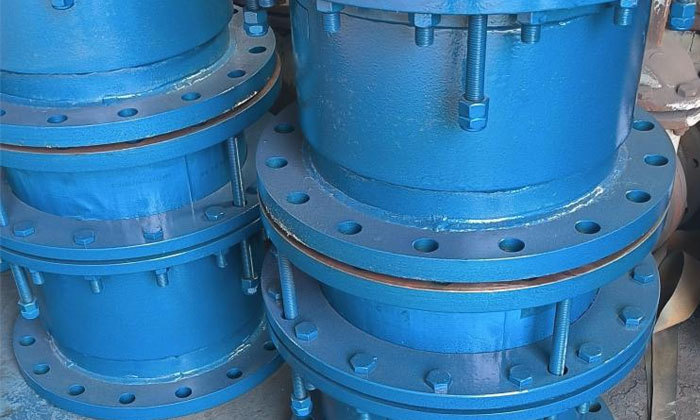
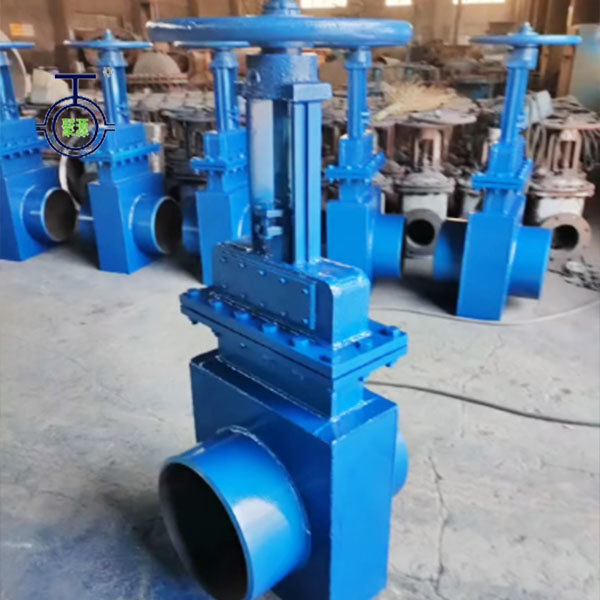
ValveCast basalt ball valves are durable, have a long service life, low fluid resistance, reliable sealing, wear and corrosion resistance, and the sealing surfaces of the ball and valve seat are always isolated from the medium during the fully open and fully closed processes of the valve, so that the medium passing through the valve at high speed will not erode the sealing surface.
-
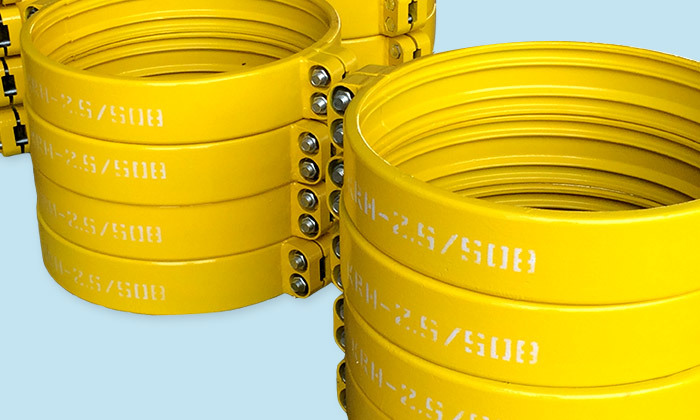
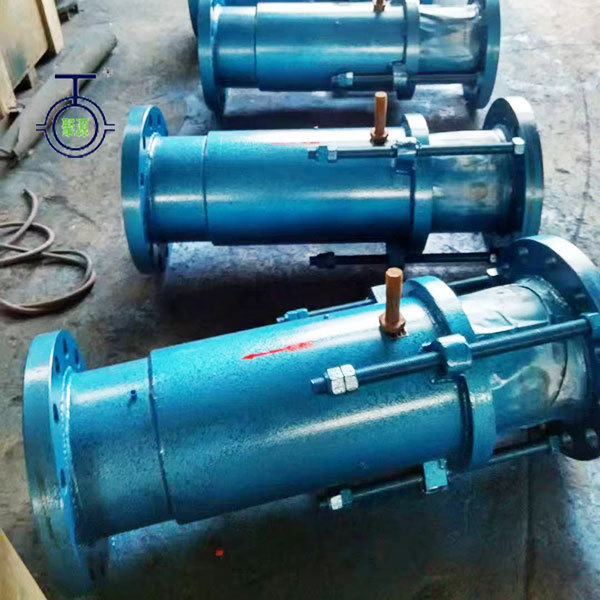
Pipe FittingClamp-type flexible pipe joints are used to connect pipes. KRH and KRJ series rolled clamp-type flexible pipe joints are patented products of our factory. They can effectively compensate for thermal expansion and contraction caused by temperature changes in the pipeline system, and can also compensate for angular changes caused by pipeline foundation settlement. They are high-pressure resistant, easy to install, and have a much better price-performance ratio than flange connections.
-
BLOGSince its establishment in 1986, the company has cumulatively produced: over 1600 kilometers of cast basalt lined steel pipes; over 260000 sets of flexible pipe joints; over 18000 valves of various types. Its products cover all provinces nationwide and are exported to countries such as South Korea, the United States, Serbia, South Africa, Zimbabwe, Japan, India, Vietnam, Russia, Poland, Ukraine, Kazakhstan, and Australia.

Maximizing Equipment Longevity with Wear-Resistant Flow Control Valves: The Key to Optimizing Performance
Maximizing Equipment Longevity with Wear-Resistant Flow Control Valves Introduction to Wear-Resistant Flow Control Valves In the industrial sector, equipment reliability is paramount. Every component plays a crucial role in the overall functionality and efficiency of operations. **Wear-resistant flow control valves** have emerged as essential tools to enhance the longevity of industrial machinery.
Maximizing Equipment Longevity with Wear-Resistant Flow Control Valves
Introduction to Wear-Resistant Flow Control Valves
In the industrial sector, equipment reliability is paramount. Every component plays a crucial role in the overall functionality and efficiency of operations. **Wear-resistant flow control valves** have emerged as essential tools to enhance the longevity of industrial machinery. These valves not only manage fluid flow effectively but also resist wear and tear, ensuring that they perform optimally over time.
Understanding Flow Control Valves and Their Importance
Flow control valves are critical components in various industrial processes. They regulate the flow rate and pressure of fluids, which is essential for maintaining optimal system performance. When these valves experience wear, they can lead to inefficiencies, increased maintenance costs, and unexpected downtimes.
The Role of Wear-Resistance in Flow Control Valves
Wear resistance is a fundamental characteristic that extends the life of flow control valves. By utilizing advanced materials and designs, wear-resistant valves can withstand harsh conditions, including high pressure, corrosive fluids, and extreme temperatures. This durability reduces the frequency of replacements and maintenance, ultimately lowering operational costs.
Types of Wear-Resistant Materials Used in Flow Control Valves
To maximize the performance and longevity of flow control valves, various wear-resistant materials are utilized. Understanding these materials helps in selecting the right valve for specific applications.
1. Stainless Steel
Stainless steel is a popular choice for flow control valves due to its corrosion resistance and strength. It performs well in a variety of environments, making it ideal for many industrial applications.
2. Hard Chrome Plating
Hard chrome plating enhances the surface hardness of valves, providing excellent wear resistance. This treatment is particularly effective in applications involving abrasive fluids.
3. Polyurethane Coatings
Polyurethane coatings are used to protect valves from chemical wear and abrasion. These coatings can significantly extend the life of the valve in corrosive environments.
4. Ceramic Materials
Ceramic materials are known for their exceptional hardness and wear resistance. They are ideal for applications involving highly abrasive substances, ensuring long-lasting performance.
Benefits of Using Wear-Resistant Flow Control Valves
Utilizing wear-resistant flow control valves offers numerous benefits that contribute to the overall efficiency and reliability of industrial operations.
1. Increased Equipment Lifespan
By minimizing wear and tear, wear-resistant valves can substantially increase the lifespan of both the valves themselves and the equipment they serve.
2. Reduced Maintenance Costs
Less frequent replacements and repairs lead to significant savings in maintenance costs. Companies can allocate resources more effectively, focusing on other vital aspects of their operations.
3. Enhanced System Efficiency
With consistent performance and reduced pressure drops, wear-resistant flow control valves help maintain optimal flow rates, contributing to improved system efficiency.
4. Lower Risk of Downtime
Reliable flow control valves reduce the likelihood of unexpected equipment failures, ensuring continuous operation and reducing the risk of costly downtimes.
Best Practices for Maintaining Wear-Resistant Flow Control Valves
To maximize the benefits of wear-resistant flow control valves, proper maintenance practices are essential.
1. Regular Inspections
Conducting regular inspections helps identify potential issues before they escalate. Check for signs of wear, leaks, and other performance issues.
2. Proper Cleaning Techniques
Keeping valves clean is crucial for optimal performance. Use appropriate cleaning solutions that won't damage the valve materials.
3. Monitoring Operating Conditions
Understanding the operating conditions of the valves helps in adjusting them to minimize wear. Ensure that they operate within the manufacturer's recommended parameters.
4. Timely Replacement of Worn Parts
Be proactive in replacing components of the valves that show signs of wear. This approach helps maintain the overall performance of the system.
Applications of Wear-Resistant Flow Control Valves in Various Industries
Wear-resistant flow control valves are widely used across multiple industries due to their reliability and durability.
1. Oil and Gas Industry
In the oil and gas sector, these valves manage fluid flow under high pressure and harsh conditions, ensuring safe and efficient operations.
2. Chemical Processing
Chemical plants benefit from wear-resistant valves as they handle corrosive substances, reducing the risk of equipment failure and process interruptions.
3. Water Treatment Facilities
Wear-resistant flow control valves are essential for managing the flow of water and wastewater, ensuring effective treatment processes.
4. Mining and Minerals
In mining applications, these valves resist wear from abrasive materials, maintaining system integrity and performance.
How to Select the Right Wear-Resistant Flow Control Valve
Choosing the right valve for specific applications requires careful consideration of various factors.
1. Understand Your System Requirements
Evaluate the specific needs of your system, including flow rates, pressure levels, and fluid characteristics.
2. Material Compatibility
Ensure the valve materials are compatible with the fluids they will handle to avoid corrosion and wear.
3. Consider Operating Conditions
Take into account the temperature, pressure, and potential abrasiveness of the fluids to select a valve that can withstand these conditions.
4. Consult with Experts
Engaging with industry experts can provide valuable insights into selecting the most appropriate flow control valves for your needs.
Future Trends in Wear-Resistant Flow Control Valve Technology
The evolution of technology continues to shape the development of wear-resistant flow control valves.
1. Advanced Materials Development
Research into new materials that offer superior wear resistance and lower weight is ongoing, leading to even more efficient valves.
2. Smart Valve Technology
Integration of smart technology into flow control valves allows for real-time monitoring and adjustments, enhancing performance and reliability.
3. Sustainable Practices
The focus on sustainability is driving the development of eco-friendly materials and manufacturing processes for flow control valves.
Conclusion
Wear-resistant flow control valves play a vital role in maximizing the longevity and efficiency of industrial equipment. By understanding their benefits, maintenance practices, and applications, industries can significantly reduce downtime and operational costs while enhancing system performance. Investing in high-quality, wear-resistant valves is a strategic decision that pays dividends in the long run, ensuring that equipment operates smoothly and reliably.
Recommended

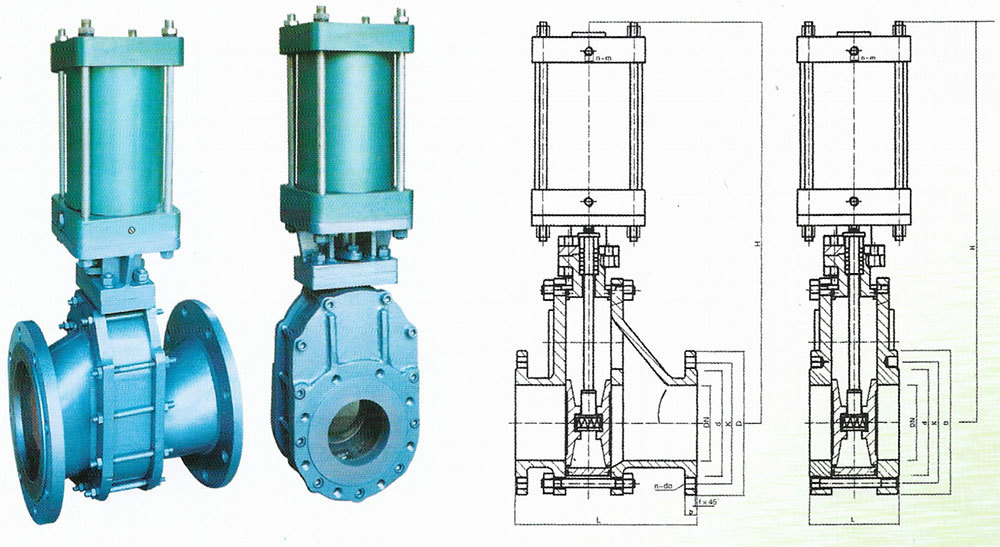
The Essential Role of NPZ Wear-resistant Slurry Gate Valves in Enhancing Waste Management Efficiency
Supplier of wear-resistant material solutions, specializing in cast basalt products
Many years of focus on the production and sales of high-quality wear-resistant materials, mainly used in power, metallurgy, mining, coal, building materials, chemical, and other industries.
Leave your contact information to get the latest product discount information

Mobile Website

Contact Us
Phone: +86-535-5632189 / 5666528 / 5637763
Fax: +86-535-5666528 / 5642975
Email: z.minhui@plsczsgdfm.com
Address: No. 6 Zhenxing, Liujiagou Town, Penglai District, Yantai City, Shandong Province


