
-
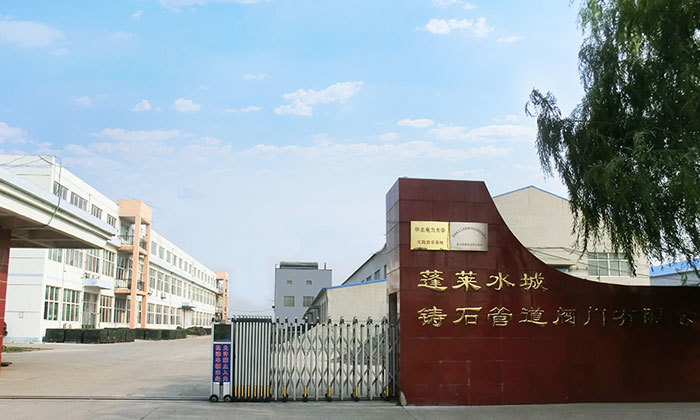
About UsSpecializing in the production and sales of wear-resistant materials such as cast basalt products, the company has obtained over 20 invention patents and utility model patents, and was awarded the "Shandong Star Enterprise of China Patent" title. The company has a history of over 20 years, and currently owns a single basalt cast basalt production line with a production capacity of 15000 tons/year, and mechanical processing equipment with an annual output of 5000 wear-resistant valves and 20000 clamp-type flexible pipe joints.
-
Cast BasaltCast basalt products include cast basalt pipes, cast basalt tiles, cast basalt powder, cast basalt lined steel pipes, etc., mainly used in industries such as electric power, metallurgy, mining, coal, building materials, and chemical.

-
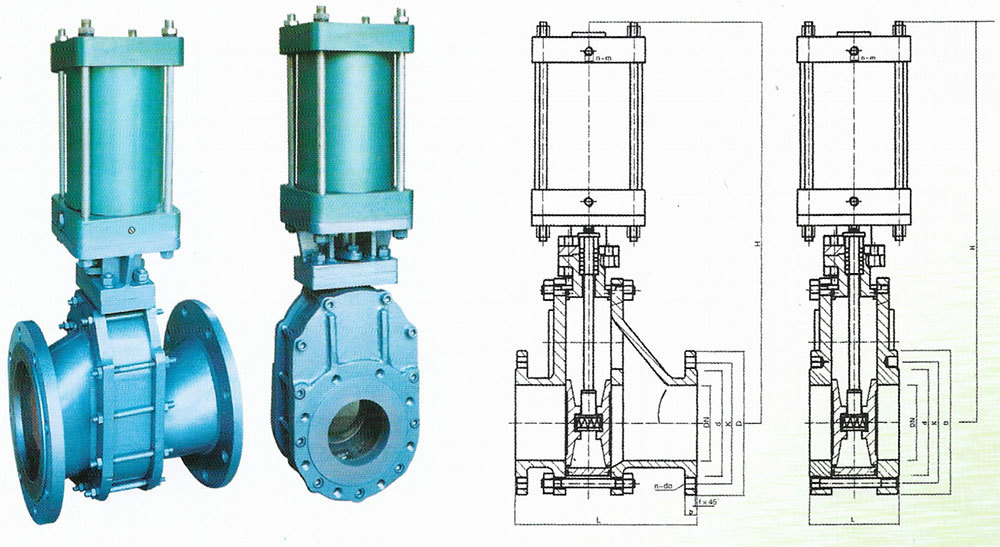
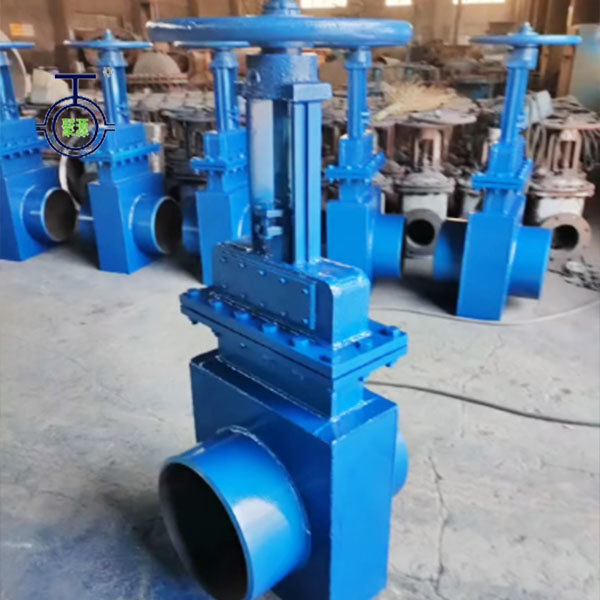
ValveCast basalt ball valves are durable, have a long service life, low fluid resistance, reliable sealing, wear and corrosion resistance, and the sealing surfaces of the ball and valve seat are always isolated from the medium during the fully open and fully closed processes of the valve, so that the medium passing through the valve at high speed will not erode the sealing surface.
-
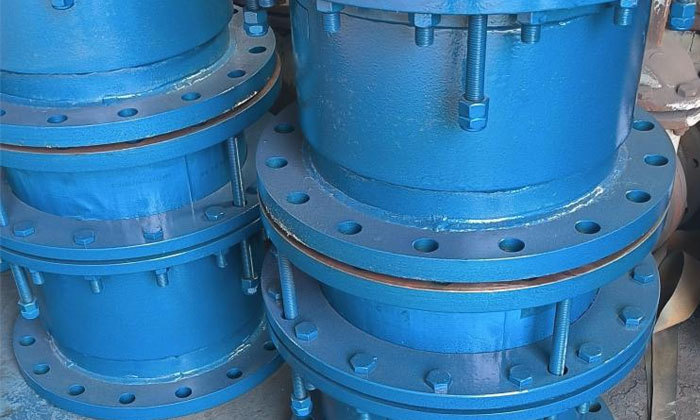
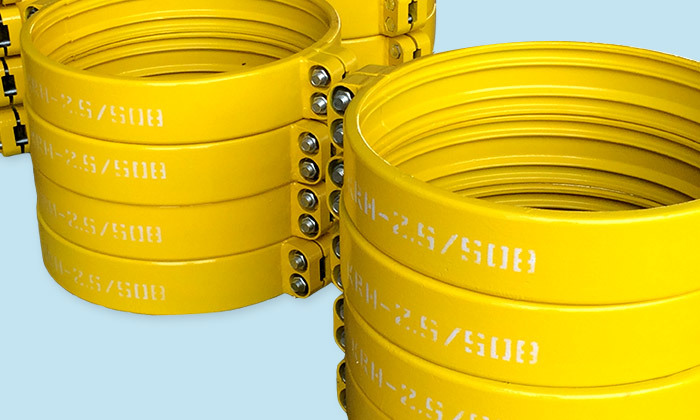
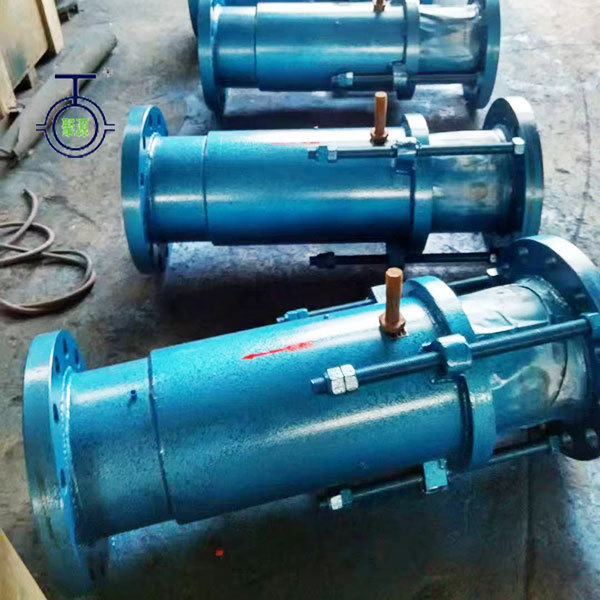
Pipe FittingClamp-type flexible pipe joints are used to connect pipes. KRH and KRJ series rolled clamp-type flexible pipe joints are patented products of our factory. They can effectively compensate for thermal expansion and contraction caused by temperature changes in the pipeline system, and can also compensate for angular changes caused by pipeline foundation settlement. They are high-pressure resistant, easy to install, and have a much better price-performance ratio than flange connections.
-
BLOGSince its establishment in 1986, the company has cumulatively produced: over 1600 kilometers of cast basalt lined steel pipes; over 260000 sets of flexible pipe joints; over 18000 valves of various types. Its products cover all provinces nationwide and are exported to countries such as South Korea, the United States, Serbia, South Africa, Zimbabwe, Japan, India, Vietnam, Russia, Poland, Ukraine, Kazakhstan, and Australia.

Transform Your Industrial Space with Corrosion-Proof Cast Basalt Tile
How Corrosion-Proof Cast Basalt Tile Can Transform Your Industrial Space Table of Contents 1. Introduction to Cast Basalt Tile 2. Benefits of Corrosion-Proof Cast Basalt Tile 3. Applications in Various Industries 4. Installation Process of Cast Basalt Tile 5. Maintenance Tips for Longevity 6. Cost Considerations and Economic Benefits 7. Comparing Cast Basalt Tiles with Other Floorin
How Corrosion-Proof Cast Basalt Tile Can Transform Your Industrial Space
Table of Contents
- 1. Introduction to Cast Basalt Tile
- 2. Benefits of Corrosion-Proof Cast Basalt Tile
- 3. Applications in Various Industries
- 4. Installation Process of Cast Basalt Tile
- 5. Maintenance Tips for Longevity
- 6. Cost Considerations and Economic Benefits
- 7. Comparing Cast Basalt Tiles with Other Flooring Options
- 8. Case Studies: Success Stories from the Field
- 9. Frequently Asked Questions
- 10. Conclusion
1. Introduction to Cast Basalt Tile
Corrosion-proof cast basalt tile is quickly becoming a preferred choice for industrial facilities seeking durability and resilience. Made from high-quality basalt, these tiles are designed to withstand harsh environments, including exposure to chemicals, high temperatures, and heavy wear.
This unique material offers a blend of excellent mechanical properties and aesthetic appeal, making it suitable for various industrial applications. **Understanding how cast basalt tile can enhance your industrial space** is crucial for making an informed decision about flooring solutions.
2. Benefits of Corrosion-Proof Cast Basalt Tile
The advantages of incorporating cast basalt tile into your industrial flooring system are numerous, contributing to both operational efficiency and safety.
2.1 Durability and Strength
One of the standout features of cast basalt tile is its impressive durability. The tiles are resistant to abrasion, impact, and wear, which is essential for areas with heavy machinery and foot traffic. They can endure extreme conditions without cracking or degrading, making them a long-lasting flooring option.
2.2 Chemical Resistance
Cast basalt is inherently resistant to many chemicals, including acids and alkalis. This property is particularly beneficial in industries such as chemical manufacturing, pharmaceuticals, and food processing, where accidental spills are common.
2.3 Low Maintenance Requirements
Unlike traditional flooring materials, cast basalt tiles require minimal maintenance. Their smooth surface makes cleaning easy, and they do not require any special treatments or coatings, reducing long-term upkeep costs.
2.4 Aesthetic Appeal
Beyond functionality, cast basalt tiles offer a sleek, modern look that can enhance the visual appeal of industrial settings. Available in various colors and finishes, they can complement existing decor or branding.
3. Applications in Various Industries
The versatility of corrosion-proof cast basalt tile makes it suitable for a wide range of industrial applications.
3.1 Manufacturing Plants
In manufacturing plants, the combination of heavy traffic and exposure to oils and chemicals necessitates a robust flooring solution. Cast basalt tiles provide a reliable option that withstands wear while maintaining safety standards.
3.2 Chemical Processing Facilities
Chemical processing involves the handling of hazardous materials, making chemical resistance critical. Cast basalt tiles prevent corrosion and damage from spills, ensuring a safer environment for workers.
3.3 Food and Beverage Industry
In food processing and packaging, cleanliness is paramount. The non-porous nature of cast basalt tiles prevents bacteria growth, making them ideal for maintaining hygiene standards.
3.4 Power Plants
Power plants often experience high levels of heat and physical stress. The thermal stability of cast basalt tiles allows them to perform effectively in these demanding conditions.
4. Installation Process of Cast Basalt Tile
Installing cast basalt tiles involves several critical steps to ensure a successful outcome.
4.1 Preparation of the Subfloor
Before installation, the subfloor must be thoroughly cleaned and leveled. Any imperfections can lead to uneven surfaces, compromising the tiles' integrity.
4.2 Tile Layout Planning
A carefully planned tile layout is essential for aesthetic appeal and functionality. Planning involves determining the starting point and ensuring proper alignment throughout the installation.
4.3 Adhesive Application
A suitable adhesive must be applied to ensure a strong bond between the tiles and the subfloor. It’s important to follow the manufacturer's recommendations for best results.
4.4 Tile Placement
Tiles should be placed carefully, ensuring that they are pressed firmly into the adhesive. Spacers can be used to maintain consistent grout lines.
4.5 Grouting and Finishing
After the tiles are set, grout is applied to fill the gaps. Once cured, any excess grout should be removed, and the surface should be polished to complete the installation.
5. Maintenance Tips for Longevity
While cast basalt tiles require minimal maintenance, implementing a regular cleaning routine can prolong their lifespan.
5.1 Regular Cleaning
Sweeping or vacuuming the tiles regularly will prevent dirt and debris buildup. For deeper cleaning, a damp mop with a mild detergent can be used.
5.2 Avoiding Harsh Chemicals
While cast basalt is resistant to many chemicals, using harsh cleaning agents can damage the surface over time. Stick to pH-neutral cleaners for the best results.
5.3 Inspecting for Damage
Regular inspections can help identify any damage or wear early on. Addressing issues promptly can prevent more significant problems in the future.
6. Cost Considerations and Economic Benefits
Investing in cast basalt tiles involves an initial cost, but the long-term benefits often outweigh this expense.
6.1 Initial Investment
The cost of cast basalt tiles can vary based on quality and supplier. While they may have a higher upfront cost compared to other materials, their durability can lead to significant savings over time.
6.2 Long-Term Savings
Due to their low maintenance requirements and longevity, cast basalt tiles can significantly reduce replacement and upkeep costs. This makes them a cost-effective solution for industrial facilities.
7. Comparing Cast Basalt Tiles with Other Flooring Options
It’s essential to compare cast basalt tiles with other flooring materials to understand their unique advantages.
7.1 Cast Basalt vs. Traditional Ceramic Tiles
While ceramic tiles offer aesthetic benefits, they are more likely to crack under heavy loads. Cast basalt tiles provide superior durability and chemical resistance.
7.2 Cast Basalt vs. Epoxy Flooring
Epoxy flooring can be prone to scratching and requires periodic reapplication. Cast basalt tiles maintain their integrity without the need for frequent maintenance.
7.3 Cast Basalt vs. Concrete Flooring
Concrete is durable but can be porous and susceptible to staining. Cast basalt tiles offer a non-porous surface that is easier to clean and maintain.
8. Case Studies: Success Stories from the Field
Real-world examples demonstrate the effectiveness of cast basalt tiles in various industrial settings.
8.1 Case Study: Chemical Plant Implementation
A chemical processing facility replaced its aging flooring with cast basalt tiles, leading to a 30% reduction in maintenance costs and improved safety ratings.
8.2 Case Study: Food Processing Facility Upgrade
A food processing company found that cast basalt tiles not only met hygiene standards but also enhanced the facility's overall aesthetic, leading to improved employee morale.
9. Frequently Asked Questions
9.1 What is cast basalt tile made of?
Cast basalt tile is made from natural basalt rock, which is cast into tile form under high temperatures for enhanced durability.
9.2 How long does cast basalt tile last?
With proper installation and maintenance, cast basalt tiles can last for decades, making them a long-term investment.
9.3 Is cast basalt tile suitable for outdoor use?
Yes, cast basalt tiles can be used outdoors, provided they are installed correctly and the environment is appropriate.
9.4 Can cast basalt tile be repaired if damaged?
While cast basalt tiles are durable, if damaged, they can be replaced individually without the need to replace the entire floor.
9.5 Are there any special cleaning products recommended for cast basalt tiles?
It is best to use pH-neutral cleaning products to maintain the integrity of the tiles without causing damage.
10. Conclusion
In conclusion, **corrosion-proof cast basalt tile is a transformative flooring solution for industrial spaces**, offering unmatched durability, chemical resistance, and low maintenance needs. The long-term economic benefits and aesthetic appeal make it a top choice for various industries. By investing in cast basalt tiles, facilities can enhance productivity, safety, and overall operational efficiency. Whether you're upgrading existing flooring or designing a new space, consider the advantages of cast basalt tile for a resilient and effective industrial environment.
Recommended

The Essential Role of NPZ Wear-resistant Slurry Gate Valves in Enhancing Waste Management Efficiency
Supplier of wear-resistant material solutions, specializing in cast basalt products
Many years of focus on the production and sales of high-quality wear-resistant materials, mainly used in power, metallurgy, mining, coal, building materials, chemical, and other industries.
Leave your contact information to get the latest product discount information

Mobile Website

Contact Us
Phone: +86-535-5632189 / 5666528 / 5637763
Fax: +86-535-5666528 / 5642975
Email: z.minhui@plsczsgdfm.com
Address: No. 6 Zhenxing, Liujiagou Town, Penglai District, Yantai City, Shandong Province


