
-
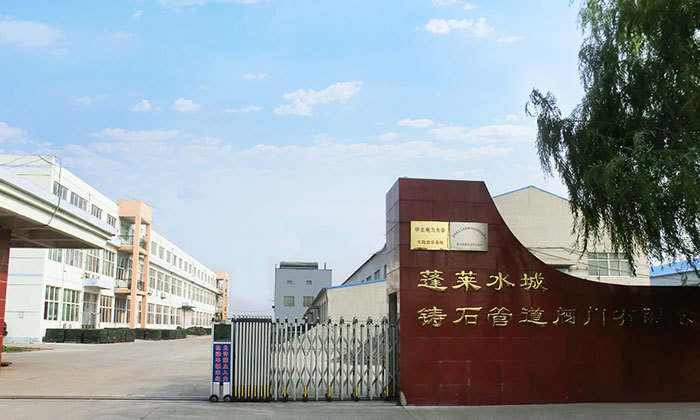
About UsSpecializing in the production and sales of wear-resistant materials such as cast basalt products, the company has obtained over 20 invention patents and utility model patents, and was awarded the "Shandong Star Enterprise of China Patent" title. The company has a history of over 20 years, and currently owns a single basalt cast basalt production line with a production capacity of 15000 tons/year, and mechanical processing equipment with an annual output of 5000 wear-resistant valves and 20000 clamp-type flexible pipe joints.
-
Cast BasaltCast basalt products include cast basalt pipes, cast basalt tiles, cast basalt powder, cast basalt lined steel pipes, etc., mainly used in industries such as electric power, metallurgy, mining, coal, building materials, and chemical.

-
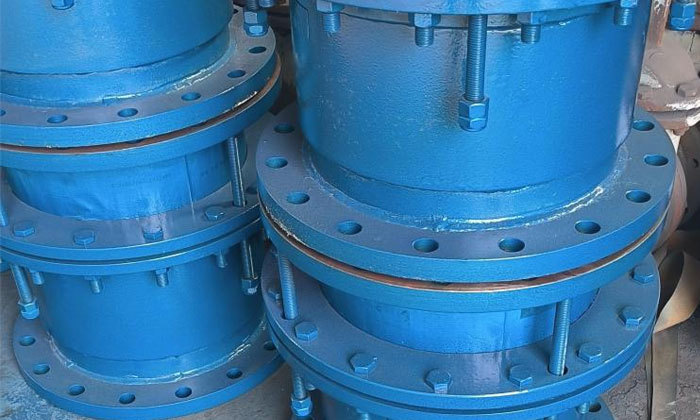
ValveCast basalt ball valves are durable, have a long service life, low fluid resistance, reliable sealing, wear and corrosion resistance, and the sealing surfaces of the ball and valve seat are always isolated from the medium during the fully open and fully closed processes of the valve, so that the medium passing through the valve at high speed will not erode the sealing surface.
-
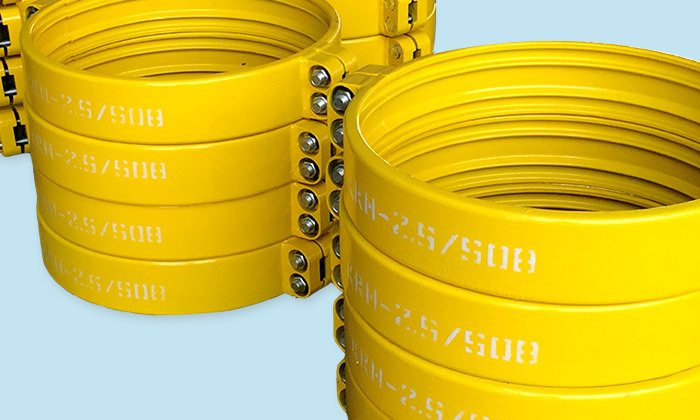
Pipe FittingClamp-type flexible pipe joints are used to connect pipes. KRH and KRJ series rolled clamp-type flexible pipe joints are patented products of our factory. They can effectively compensate for thermal expansion and contraction caused by temperature changes in the pipeline system, and can also compensate for angular changes caused by pipeline foundation settlement. They are high-pressure resistant, easy to install, and have a much better price-performance ratio than flange connections.
-
BLOGSince its establishment in 1986, the company has cumulatively produced: over 1600 kilometers of cast basalt lined steel pipes; over 260000 sets of flexible pipe joints; over 18000 valves of various types. Its products cover all provinces nationwide and are exported to countries such as South Korea, the United States, Serbia, South Africa, Zimbabwe, Japan, India, Vietnam, Russia, Poland, Ukraine, Kazakhstan, and Australia.

Cast Basalt Tile vs. Traditional Materials for Chute Lining: An In-Depth Comparison
Cast Basalt Tile vs. Traditional Materials for Chute Lining: An In-Depth Comparison In the world of industrial equipment and components, particularly in applications involving chute lining, material selection can significantly impact performance, longevity, and overall operational efficiency. This article aims to provide an extensive comparison between cast basalt tiles and traditional materials f
Cast Basalt Tile vs. Traditional Materials for Chute Lining: An In-Depth Comparison
In the world of industrial equipment and components, particularly in applications involving chute lining, material selection can significantly impact performance, longevity, and overall operational efficiency. This article aims to provide an extensive comparison between cast basalt tiles and traditional materials for chute lining, detailing their respective advantages and disadvantages, as well as practical insights for industrial applications.
Table of Contents
- 1. Introduction
- 2. Understanding Chute Lining
- 3. What Are Cast Basalt Tiles?
- 4. Overview of Traditional Materials for Chute Lining
- 5. Advantages of Cast Basalt Tiles
- 6. Disadvantages of Cast Basalt Tiles
- 7. Advantages of Traditional Materials
- 8. Disadvantages of Traditional Materials
- 9. Cost-Effectiveness of Cast Basalt Tiles vs. Traditional Materials
- 10. Installation Considerations
- 11. Real-World Applications
- 12. Conclusion
- 13. FAQs
1. Introduction
In industrial processes, chutes are vital components used for the transfer of materials. The lining of these chutes plays a crucial role in ensuring efficient material flow while minimizing wear and tear. Cast basalt tiles have emerged as a popular choice for chute lining, but how do they stack up against traditional materials like steel and rubber? This article provides a thorough analysis, comparing these two options to help manufacturers and operators make informed decisions.
2. Understanding Chute Lining
Chute lining refers to the materials used to coat the interior surfaces of chutes. The primary functions of this lining are to reduce friction during material transfer, manage wear and tear, and resist the impacts of abrasive materials. The choice of lining material can affect not only the longevity of the chute itself but also the efficiency of the entire operation.
3. What Are Cast Basalt Tiles?
Cast basalt tiles are made from natural basalt rock, which is heated and molded into tiles. This unique manufacturing process results in tiles that exhibit remarkable hardness and thermal resistance. Cast basalt tiles are renowned for their excellent wear resistance, making them particularly well-suited for applications involving the handling of abrasive materials.
Key Properties of Cast Basalt Tiles
- High Abrasion Resistance: Cast basalt tiles can withstand significant wear from abrasive materials, extending the lifespan of chutes.
- Thermal Stability: These tiles can tolerate high temperatures without losing structural integrity.
- Chemical Resistance: Cast basalt is resistant to many chemicals, making it suitable for a variety of industrial environments.
4. Overview of Traditional Materials for Chute Lining
Traditional materials for chute lining typically include steel, rubber, and polyurethane. Each of these materials has its unique properties and applications, and they have been widely used in various industries for years.
Common Traditional Materials
- Steel: Known for its strength and durability, steel lining is often used in heavy-duty applications.
- Rubber: Provides excellent impact resistance and flexibility, making it suitable for lighter applications.
- Polyurethane: Offers good wear resistance and flexibility, often used in moderate-duty applications.
5. Advantages of Cast Basalt Tiles
Choosing cast basalt tiles for chute lining offers several significant benefits:
5.1 Durability and Longevity
Cast basalt tiles are incredibly durable, often lasting several times longer than traditional materials. Their high abrasion resistance minimizes wear, which is crucial in high-impact environments.
5.2 Cost-Effectiveness Over Time
While the initial investment in cast basalt tiles may be higher than traditional materials, the long-term savings due to reduced maintenance and replacement costs can be substantial.
5.3 Low Maintenance Requirements
Cast basalt tiles require minimal maintenance, as they resist wear and do not require regular replacement like rubber or polyurethane linings. This factor reduces operational downtime, leading to increased efficiency.
5.4 Environmental Resistance
These tiles are capable of withstanding harsh environmental conditions, including chemical exposure, which makes them ideal for various industrial applications.
6. Disadvantages of Cast Basalt Tiles
Despite their numerous advantages, cast basalt tiles also come with certain drawbacks:
6.1 Higher Initial Costs
The upfront cost of purchasing and installing cast basalt tiles is generally higher than that of traditional materials, which may deter some companies.
6.2 Installation Complexity
The installation of cast basalt tiles can be more complex and time-consuming, requiring skilled labor and specific equipment.
7. Advantages of Traditional Materials
Traditional materials possess their own set of advantages that may appeal to certain applications:
7.1 Lower Initial Investment
Materials like rubber and polyurethane are often more affordable upfront, making them attractive for businesses with budget constraints.
7.2 Easy Installation
Traditional materials are typically easier to install, allowing for quicker project turnaround times.
7.3 Flexibility and Impact Resistance
Rubber linings, in particular, offer superior flexibility and impact resistance, making them suitable for environments with fluctuating material flow.
8. Disadvantages of Traditional Materials
While traditional materials have certain advantages, they also come with significant drawbacks:
8.1 Shorter Lifespan
Traditional materials tend to wear out faster, requiring frequent replacement and increased maintenance costs over time.
8.2 Increased Maintenance Needs
Regular inspections and replacements are necessary to maintain the integrity of traditional materials, leading to higher operational costs.
8.3 Limited Chemical and Thermal Resistance
Many traditional materials do not perform well under extreme temperatures or in chemically aggressive environments, which can lead to premature failure.
9. Cost-Effectiveness of Cast Basalt Tiles vs. Traditional Materials
When assessing cost-effectiveness, it is essential to consider both the initial purchase price and the long-term operational costs. While cast basalt tiles may require a larger upfront investment, their longevity and minimal maintenance needs ultimately lead to greater savings. Traditional materials, though cheaper to install, often incur higher costs due to frequent replacements and maintenance.
10. Installation Considerations
The installation process for cast basalt tiles can be more involved than that of traditional materials. Proper surface preparation and specialized installation techniques are necessary to ensure optimal performance. Conversely, traditional materials may allow for faster installation, but their performance may not match that of cast basalt in demanding environments.
11. Real-World Applications
Cast basalt tiles are increasingly used across various industries, including:
- Mining: For the transfer of abrasive materials such as ores and minerals.
- Cement: In processing plants where high wear rates are common.
- Power Generation: In coal handling facilities due to their thermal resistance.
Traditional materials still have a firm foothold in industries where budget constraints and installation speed are prioritized. They are often used in less abrasive applications or where flexibility is necessary.
12. Conclusion
The choice between cast basalt tiles and traditional materials for chute lining ultimately hinges on specific operational needs and economic considerations. While cast basalt tiles offer superior durability, wear resistance, and long-term cost savings, traditional materials provide lower initial costs and easier installation. Companies should carefully evaluate their unique requirements, considering factors such as material properties, environmental conditions, and overall operational efficiency, to make the most informed decision for their chute lining needs.
13. FAQs
What is the lifespan of cast basalt tiles compared to traditional materials?
Cast basalt tiles typically last much longer than traditional materials, often several times longer, due to their superior abrasion resistance.
Are cast basalt tiles suitable for all types of materials?
Yes, cast basalt tiles are versatile and can handle a wide range of materials, including highly abrasive substances.
What factors should I consider when choosing material for chute lining?
Consider wear resistance, environmental conditions, installation complexity, and long-term cost implications when selecting a material.
Can traditional materials be an effective alternative to cast basalt tiles?
In less abrasive applications or where budget constraints are a primary concern, traditional materials can be effective alternatives.
How does installation differ between cast basalt tiles and traditional materials?
Cast basalt tiles require more specialized installation techniques and surface preparation compared to traditional materials, which are generally easier to install.
Recommended

Cast Basalt Tile vs. Traditional Materials for Chute Lining: An In-Depth Comparison


Supplier of wear-resistant material solutions, specializing in cast basalt products
Many years of focus on the production and sales of high-quality wear-resistant materials, mainly used in power, metallurgy, mining, coal, building materials, chemical, and other industries.
Leave your contact information to get the latest product discount information

Mobile Website

Contact Us
Phone: +86-535-5632189 / 5666528 / 5637763
Fax: +86-535-5666528 / 5642975
Email: z.minhui@plsczsgdfm.com
Address: No. 6 Zhenxing, Liujiagou Town, Penglai District, Yantai City, Shandong Province


