
-
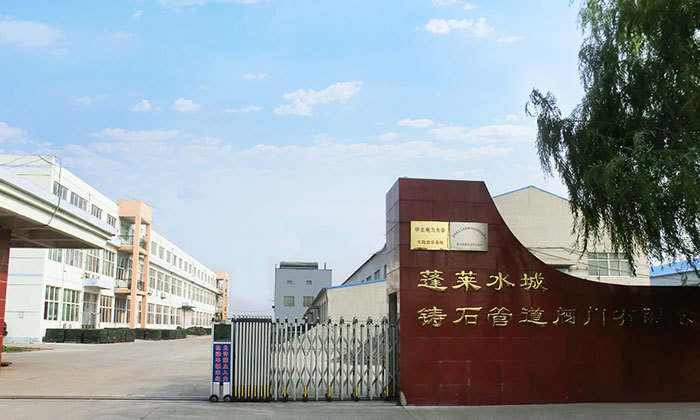
About UsSpecializing in the production and sales of wear-resistant materials such as cast basalt products, the company has obtained over 20 invention patents and utility model patents, and was awarded the "Shandong Star Enterprise of China Patent" title. The company has a history of over 20 years, and currently owns a single basalt cast basalt production line with a production capacity of 15000 tons/year, and mechanical processing equipment with an annual output of 5000 wear-resistant valves and 20000 clamp-type flexible pipe joints.
-
Cast BasaltCast basalt products include cast basalt pipes, cast basalt tiles, cast basalt powder, cast basalt lined steel pipes, etc., mainly used in industries such as electric power, metallurgy, mining, coal, building materials, and chemical.

-
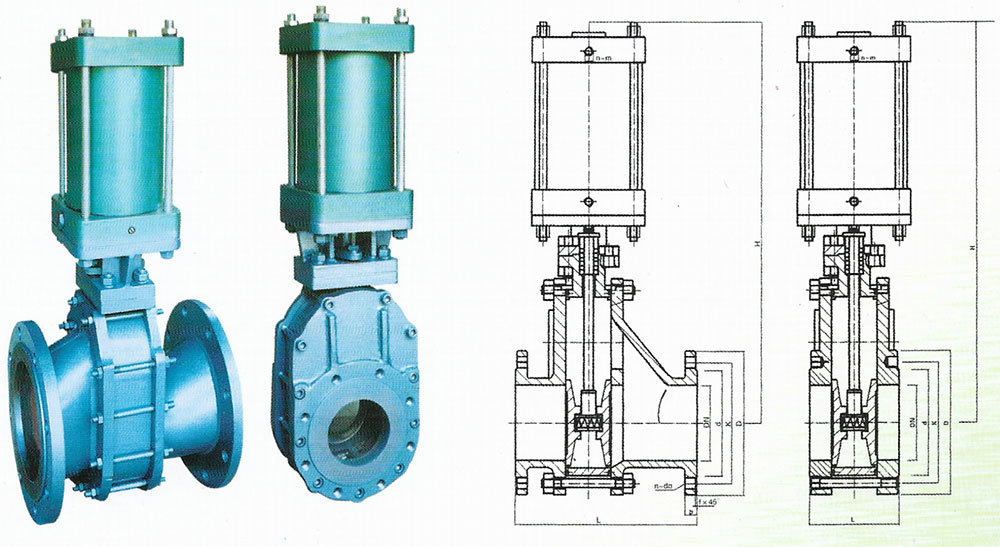
ValveCast basalt ball valves are durable, have a long service life, low fluid resistance, reliable sealing, wear and corrosion resistance, and the sealing surfaces of the ball and valve seat are always isolated from the medium during the fully open and fully closed processes of the valve, so that the medium passing through the valve at high speed will not erode the sealing surface.
-
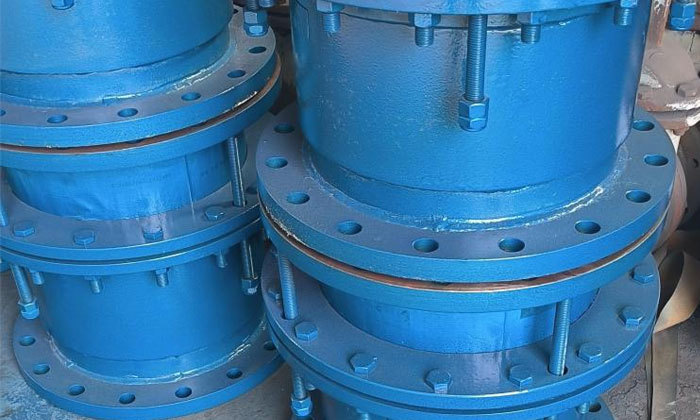
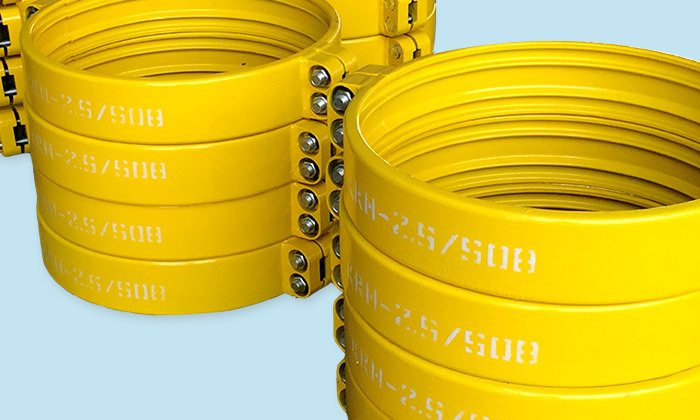
Pipe FittingClamp-type flexible pipe joints are used to connect pipes. KRH and KRJ series rolled clamp-type flexible pipe joints are patented products of our factory. They can effectively compensate for thermal expansion and contraction caused by temperature changes in the pipeline system, and can also compensate for angular changes caused by pipeline foundation settlement. They are high-pressure resistant, easy to install, and have a much better price-performance ratio than flange connections.
-
BLOGSince its establishment in 1986, the company has cumulatively produced: over 1600 kilometers of cast basalt lined steel pipes; over 260000 sets of flexible pipe joints; over 18000 valves of various types. Its products cover all provinces nationwide and are exported to countries such as South Korea, the United States, Serbia, South Africa, Zimbabwe, Japan, India, Vietnam, Russia, Poland, Ukraine, Kazakhstan, and Australia.

How Cast Basalt Cylinders Enhance Operational Safety Standards in Industrial Settings
How Cast Basalt Cylinders Enhance Operational Safety Standards in Industrial Settings In the realm of industrial equipment and components, safety is paramount. The use of cast basalt cylinders has emerged as a vital solution in enhancing operational safety standards. These innovative materials not only contribute to the efficiency of industrial processes but also significantly improve workplace sa
How Cast Basalt Cylinders Enhance Operational Safety Standards in Industrial Settings
In the realm of industrial equipment and components, safety is paramount. The use of cast basalt cylinders has emerged as a vital solution in enhancing operational safety standards. These innovative materials not only contribute to the efficiency of industrial processes but also significantly improve workplace safety. In this article, we explore the various aspects of cast basalt cylinders, their applications, benefits, and how they can effectively mitigate risks associated with industrial operations.
Table of Contents
- 1. Introduction to Cast Basalt Materials
- 2. Unique Properties of Cast Basalt Cylinders
- 3. Applications of Cast Basalt Cylinders in Industries
- 4. Benefits of Using Cast Basalt Cylinders for Safety
- 5. Installation and Maintenance Best Practices
- 6. Comparing Cast Basalt to Other Materials
- 7. Regulatory Standards and Compliance
- 8. The Future of Cast Basalt in Industrial Safety
- 9. Frequently Asked Questions
- 10. Conclusion
1. Introduction to Cast Basalt Materials
Cast basalt is a composite material produced through the melting of natural basalt rock. Its unique formation process results in a robust and versatile product that is ideal for various industrial applications. The primary advantage of cast basalt lies in its ability to withstand extreme temperatures, corrosive environments, and significant mechanical stress, making it the preferred choice for safety-critical components.
2. Unique Properties of Cast Basalt Cylinders
Cast basalt cylinders possess several remarkable properties that contribute to their effectiveness in enhancing operational safety:
2.1 Durability and Resistance
These cylinders are known for their exceptional durability. They exhibit high resistance to wear, abrasion, and corrosion, which is crucial in industrial settings where materials are subjected to intense physical and chemical stress.
2.2 High Thermal Stability
Cast basalt can withstand temperatures of up to 600°C (1112°F) without degrading, making it suitable for high-temperature applications such as furnace linings and heat exchangers.
2.3 Non-Toxic and Eco-Friendly
Cast basalt is a non-toxic material, ensuring that its use does not contribute to harmful emissions or environmental pollution, thus promoting a safer workplace.
2.4 Low Friction Coefficient
The low friction coefficient of cast basalt cylinders can reduce the risk of accidents caused by slipping and sliding, which is critical in maintaining operational safety.
3. Applications of Cast Basalt Cylinders in Industries
Cast basalt cylinders are utilized in a variety of industrial applications where safety and reliability are essential:
3.1 Mining and Mineral Processing
In mining operations, cast basalt cylinders are used for conveyor systems and lining materials, providing optimal wear resistance and enhancing the safety of material handling.
3.2 Chemical Manufacturing
The chemical industry benefits from the corrosion-resistant properties of cast basalt, making it ideal for storage tanks and reactors where chemical exposure risks are prevalent.
3.3 Energy Production
In power generation facilities, these cylinders serve as protective linings in boilers and heat exchangers, ensuring safe and efficient operation under high temperatures.
3.4 Food Processing
Cast basalt materials are compliant with food safety regulations, making them suitable for use in food processing equipment that requires hygiene and safety standards.
4. Benefits of Using Cast Basalt Cylinders for Safety
Implementing cast basalt cylinders in industrial operations offers numerous benefits that enhance safety:
4.1 Reduced Risk of Equipment Failure
The resilience of cast basalt helps prevent equipment failure due to corrosion and wear, thereby reducing the likelihood of accidents and injuries.
4.2 Enhanced Structural Integrity
By reinforcing structures with cast basalt, companies can significantly enhance the integrity and lifespan of critical components, ensuring consistent operational safety.
4.3 Improved Employee Safety and Morale
A safer work environment contributes to employee morale, productivity, and retention. Providing robust safety measures fosters a culture of safety within the organization.
4.4 Cost-Effectiveness in the Long Run
While initial investments in cast basalt may be higher, the longevity and low maintenance needs of these materials can lead to significant cost savings over time.
5. Installation and Maintenance Best Practices
To achieve optimal performance and safety from cast basalt cylinders, proper installation and maintenance are crucial:
5.1 Professional Installation
Employing experienced professionals for installation ensures that cast basalt cylinders are correctly fitted and aligned, which is critical for their performance and safety.
5.2 Regular Inspections
Routine inspections and maintenance can help identify and address potential issues before they escalate, maintaining safety standards throughout the lifecycle of the equipment.
5.3 Training Personnel
Training staff on the proper handling and maintenance of cast basalt components is essential for maximizing safety and minimizing risks associated with their use.
6. Comparing Cast Basalt to Other Materials
Understanding how cast basalt cylinders compare with alternative materials can help industries make informed decisions:
6.1 Cast Basalt vs. Steel
While steel is strong, it is more susceptible to corrosion and wear. Cast basalt offers superior resistance to these factors, making it a safer choice for many applications.
6.2 Cast Basalt vs. Plastic
Plastic materials may be lighter, but they often lack the durability and thermal resistance of cast basalt, which is essential in high-stress environments.
7. Regulatory Standards and Compliance
Compliance with industry regulations is critical for maintaining safety standards:
7.1 Understanding Compliance Requirements
Organizations must be familiar with relevant regulations regarding materials used in industrial applications. Cast basalt's non-toxic nature makes it compliant with many safety standards.
7.2 Certifications and Quality Assurance
Seek materials that come with certifications and quality assurance guarantees, ensuring they meet the requisite safety and performance standards.
8. The Future of Cast Basalt in Industrial Safety
The future of cast basalt cylinders in enhancing operational safety looks promising as industries continue to evolve:
8.1 Innovations in Material Science
Advancements in material science are likely to lead to even more effective formulations of cast basalt, enhancing its performance and safety capabilities.
8.2 Growing Adoption Across Industries
As industries recognize the benefits of cast basalt, its adoption will likely expand across various sectors, leading to improved safety standards globally.
9. Frequently Asked Questions
Q1: What are cast basalt cylinders made from?
A1: Cast basalt cylinders are made from natural basalt rock that is melted and cast into cylindrical shapes, providing exceptional durability and resistance.
Q2: How do cast basalt cylinders improve safety?
A2: They enhance safety by offering high wear resistance, thermal stability, and a low friction coefficient, which helps reduce the risk of accidents.
Q3: Are cast basalt materials eco-friendly?
A3: Yes, cast basalt is non-toxic and does not contribute to harmful emissions, making it an environmentally friendly choice for industrial applications.
Q4: What industries can benefit from cast basalt cylinders?
A4: Industries such as mining, chemical manufacturing, energy production, and food processing can all benefit from the use of cast basalt cylinders.
Q5: How can I ensure proper maintenance of cast basalt cylinders?
A5: Regular inspections, professional installation, and staff training on handling and maintenance are key to ensuring the longevity and performance of cast basalt cylinders.
10. Conclusion
In summary, cast basalt cylinders offer a multitude of benefits that significantly improve operational safety standards across various industries. Their unique properties, including durability, thermal stability, and resistance to wear, make them a superior choice for enhancing safety in industrial environments. By adopting cast basalt materials, companies can not only mitigate risks but also foster a culture of safety that promotes employee well-being and operational efficiency. As industries continue to evolve, the role of cast basalt in ensuring safety will only grow, paving the way for a safer and more sustainable industrial future.
Previous:
Recommended

How Cast Basalt Cylinders Enhance Operational Safety Standards in Industrial Settings


Supplier of wear-resistant material solutions, specializing in cast basalt products
Many years of focus on the production and sales of high-quality wear-resistant materials, mainly used in power, metallurgy, mining, coal, building materials, chemical, and other industries.
Leave your contact information to get the latest product discount information

Mobile Website

Contact Us
Phone: +86-535-5632189 / 5666528 / 5637763
Fax: +86-535-5666528 / 5642975
Email: z.minhui@plsczsgdfm.com
Address: No. 6 Zhenxing, Liujiagou Town, Penglai District, Yantai City, Shandong Province


