
-
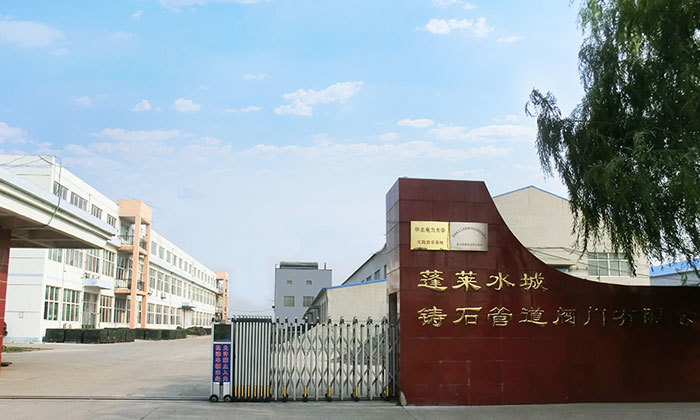
About UsSpecializing in the production and sales of wear-resistant materials such as cast basalt products, the company has obtained over 20 invention patents and utility model patents, and was awarded the "Shandong Star Enterprise of China Patent" title. The company has a history of over 20 years, and currently owns a single basalt cast basalt production line with a production capacity of 15000 tons/year, and mechanical processing equipment with an annual output of 5000 wear-resistant valves and 20000 clamp-type flexible pipe joints.
-
Cast BasaltCast basalt products include cast basalt pipes, cast basalt tiles, cast basalt powder, cast basalt lined steel pipes, etc., mainly used in industries such as electric power, metallurgy, mining, coal, building materials, and chemical.

-
ValveCast basalt ball valves are durable, have a long service life, low fluid resistance, reliable sealing, wear and corrosion resistance, and the sealing surfaces of the ball and valve seat are always isolated from the medium during the fully open and fully closed processes of the valve, so that the medium passing through the valve at high speed will not erode the sealing surface.
-
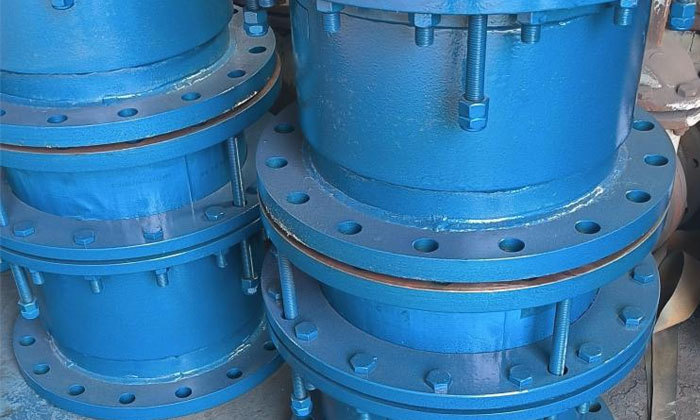
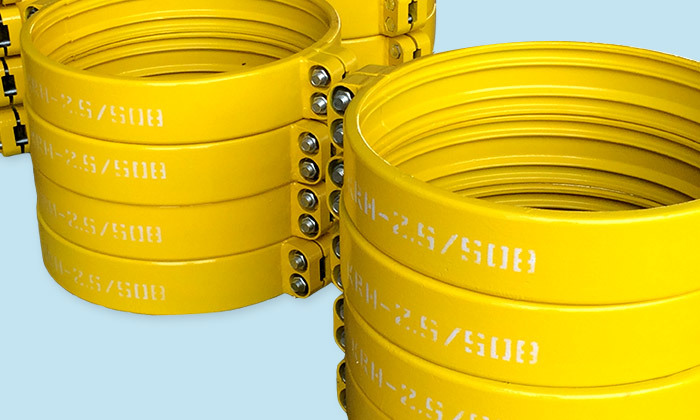
Pipe FittingClamp-type flexible pipe joints are used to connect pipes. KRH and KRJ series rolled clamp-type flexible pipe joints are patented products of our factory. They can effectively compensate for thermal expansion and contraction caused by temperature changes in the pipeline system, and can also compensate for angular changes caused by pipeline foundation settlement. They are high-pressure resistant, easy to install, and have a much better price-performance ratio than flange connections.
-
BLOGSince its establishment in 1986, the company has cumulatively produced: over 1600 kilometers of cast basalt lined steel pipes; over 260000 sets of flexible pipe joints; over 18000 valves of various types. Its products cover all provinces nationwide and are exported to countries such as South Korea, the United States, Serbia, South Africa, Zimbabwe, Japan, India, Vietnam, Russia, Poland, Ukraine, Kazakhstan, and Australia.

Why Industrial Processes Depend on Wear-Resistant Flow Control Valves
Why Industrial Processes Depend on Wear-Resistant Flow Control Valves Introduction to Wear-Resistant Flow Control Valves In the industrial manufacturing sector, the efficiency and reliability of operations are paramount. One of the critical components that contribute to operational excellence is the **wear-resistant flow control valve**. These specialized valves are designed to manage the flow
Why Industrial Processes Depend on Wear-Resistant Flow Control Valves
Introduction to Wear-Resistant Flow Control Valves
In the industrial manufacturing sector, the efficiency and reliability of operations are paramount. One of the critical components that contribute to operational excellence is the **wear-resistant flow control valve**. These specialized valves are designed to manage the flow of liquids and gases in various industrial processes. Their unique construction materials and designs help them withstand harsh operating conditions, making them indispensable in industries such as **casting** and **heat treatment**.
The Importance of Wear-Resistant Materials in Flow Control Valves
Flow control valves are exposed to various stresses, including pressure fluctuations, temperature extremes, and abrasive materials. The **wear-resistant materials** used in these valves, such as high-strength alloys and ceramics, enable them to endure these conditions. The effectiveness of a valve is often determined by its ability to maintain its integrity and functionality over time.
Understanding the Mechanics of Flow Control Valves
Flow control valves work by regulating the flow rate of liquids and gases in a system. They can be categorized into several types, including **globe valves**, **gate valves**, and **ball valves**, each with its unique mechanism. The selection of the appropriate valve type is crucial for achieving optimal performance in industrial applications.
Types of Flow Control Valves
1. **Globe Valves**: Ideal for throttling applications due to their ability to provide precise flow control.
2. **Gate Valves**: Commonly used for on/off control with minimal pressure drop.
3. **Ball Valves**: Known for their quick operation and tight sealing properties.
4. **Butterfly Valves**: Suitable for larger flow rates and often used in HVAC systems.
Each type of valve serves specific operational needs, and wear-resistant variants are available to enhance their longevity and performance.
Key Benefits of Wear-Resistant Flow Control Valves
Investing in wear-resistant flow control valves can lead to significant advantages for industrial operations. Here, we outline several key benefits:
1. Enhanced Durability and Longevity
Wear-resistant flow control valves are engineered to withstand extreme conditions. This durability translates into longer service life, reducing the need for frequent replacements. By minimizing downtime, manufacturers can significantly enhance productivity.
2. Reduced Maintenance Costs
The robust nature of wear-resistant valves means they require less frequent maintenance. This reduction in maintenance efforts not only saves costs but also ensures that the valves perform optimally, leading to efficient operation.
3. Improved Operational Efficiency
Effective flow control is essential for maintaining optimal conditions in industrial processes. Wear-resistant valves provide consistent performance, ensuring that processes run smoothly without interruptions caused by valve failures.
4. Higher Quality Products
In industries like casting and heat treatment, the quality of the end product is directly linked to the efficiency of the flow control systems. Wear-resistant valves ensure the precise control of materials, leading to superior product quality and fewer defects.
Applications of Wear-Resistant Flow Control Valves in Industrial Processes
Wear-resistant flow control valves find applications across various sectors. Understanding these applications helps clarify their importance in industrial processes.
1. Casting Industry
In the casting industry, controlling the flow of molten metal is critical. Wear-resistant valves assist in managing the flow with precision, ensuring accurate filling of molds and preventing defects in the cast products.
2. Heat Treatment Processes
Heat treatment involves subjecting materials to specific temperatures to alter their properties. Wear-resistant valves are crucial in controlling the flow of heating fluids, ensuring uniform temperature distribution and preventing overheating.
3. Chemical Processing
The chemical processing industry often deals with corrosive and abrasive fluids. Wear-resistant flow control valves are essential for managing these materials effectively, preventing leaks and ensuring safety.
Factors Influencing the Selection of Wear-Resistant Flow Control Valves
Choosing the right flow control valve for industrial applications requires careful consideration of several factors:
1. Material Compatibility
It’s essential to select valves that are compatible with the materials they will handle. Chemical resistance is a key factor, especially in industries dealing with aggressive substances.
2. Pressure and Temperature Ratings
Valves must be rated to handle the operating pressure and temperature of the application. Wear-resistant valves are available in various ratings to accommodate diverse industrial needs.
3. Flow Characteristics
Understanding the flow characteristics of the fluids being managed is critical. The valve’s design should facilitate appropriate flow rates while minimizing turbulence and pressure drops.
4. Installation and Maintenance Requirements
Ease of installation and maintenance should also influence the selection of valves. Components that are easier to install and maintain can lead to improved operational efficiency.
The Future of Wear-Resistant Flow Control Valves in Industrial Manufacturing
As industries evolve, so too do the technologies surrounding flow control valves. The future of wear-resistant flow control valves is likely to be shaped by advancements in materials science, automation, and smart monitoring technologies.
1. Innovations in Materials Science
Research into new materials, such as advanced composites and coatings, will likely enhance the wear resistance and longevity of flow control valves. This innovation will lead to even more robust designs that can withstand the harshest conditions.
2. Automation and Smart Technologies
The integration of smart technologies into flow control systems will allow for real-time monitoring and adjustments. Automated systems can optimize flow rates and improve overall efficiency, leading to better resource management.
3. Sustainability Considerations
As industries focus on sustainability, the development of environmentally-friendly materials and processes will become increasingly important. Wear-resistant valves will play a crucial role in supporting sustainable practices by ensuring efficient resource use and minimizing waste.
Conclusion
In conclusion, wear-resistant flow control valves are essential components in industrial processes, particularly in casting and heat treatment applications. Their durability, reduced maintenance costs, and ability to enhance operational efficiency make them invaluable assets for manufacturers. As technology progresses, these valves will continue to evolve, adapting to the needs of modern industrial processes and supporting more sustainable practices. Investing in high-quality wear-resistant flow control valves is not just a choice; it is a strategic decision that can lead to significant improvements in productivity, product quality, and overall operational success.
FAQs
1. What are wear-resistant flow control valves?
Wear-resistant flow control valves are specially designed valves made from materials that can withstand harsh operating environments, minimizing wear and extending their service life.
2. Why are wear-resistant materials important in industrial valves?
Wear-resistant materials are crucial because they enhance the durability and longevity of valves, reducing the frequency of replacements and maintenance.
3. In which industries are wear-resistant flow control valves commonly used?
These valves are commonly used in the casting, heat treatment, and chemical processing industries, where flow control is critical to operations.
4. How do I choose the right wear-resistant valve for my application?
Consider factors such as material compatibility, pressure and temperature ratings, flow characteristics, and installation requirements when selecting a valve.
5. What is the future of wear-resistant flow control valves?
The future will likely include advancements in materials science, automation, and sustainability, leading to even more efficient and effective flow control solutions.
Recommended

Maximizing Efficiency: A Comprehensive Guide to NPZ Wear-resistant Slurry Gate Valves Performance

Supplier of wear-resistant material solutions, specializing in cast basalt products
Many years of focus on the production and sales of high-quality wear-resistant materials, mainly used in power, metallurgy, mining, coal, building materials, chemical, and other industries.
Leave your contact information to get the latest product discount information

Mobile Website

Contact Us
Phone: +86-535-5632189 / 5666528 / 5637763
Fax: +86-535-5666528 / 5642975
Email: z.minhui@plsczsgdfm.com
Address: No. 6 Zhenxing, Liujiagou Town, Penglai District, Yantai City, Shandong Province


