
-
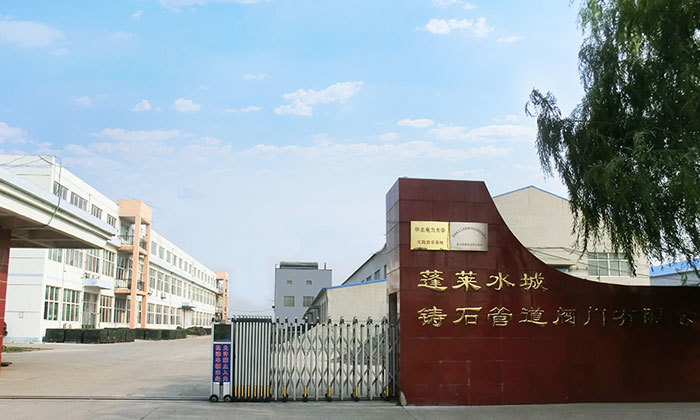
About UsSpecializing in the production and sales of wear-resistant materials such as cast basalt products, the company has obtained over 20 invention patents and utility model patents, and was awarded the "Shandong Star Enterprise of China Patent" title. The company has a history of over 20 years, and currently owns a single basalt cast basalt production line with a production capacity of 15000 tons/year, and mechanical processing equipment with an annual output of 5000 wear-resistant valves and 20000 clamp-type flexible pipe joints.
-
Cast BasaltCast basalt products include cast basalt pipes, cast basalt tiles, cast basalt powder, cast basalt lined steel pipes, etc., mainly used in industries such as electric power, metallurgy, mining, coal, building materials, and chemical.

-
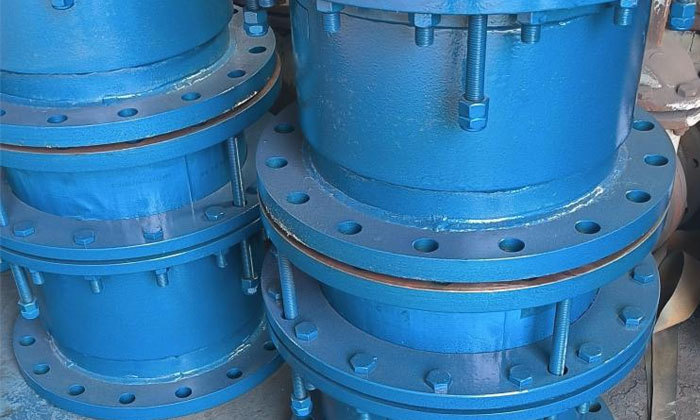
ValveCast basalt ball valves are durable, have a long service life, low fluid resistance, reliable sealing, wear and corrosion resistance, and the sealing surfaces of the ball and valve seat are always isolated from the medium during the fully open and fully closed processes of the valve, so that the medium passing through the valve at high speed will not erode the sealing surface.
-
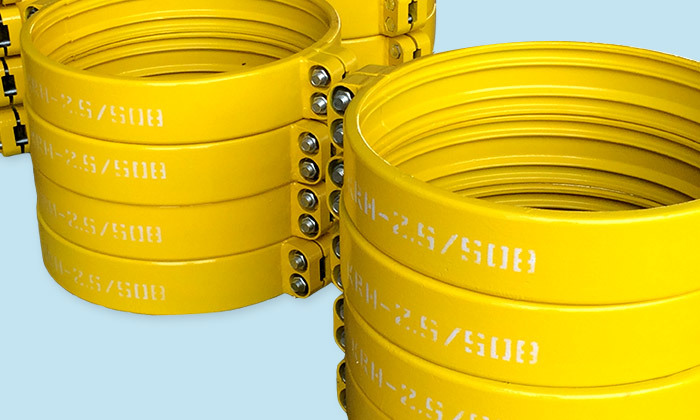
Pipe FittingClamp-type flexible pipe joints are used to connect pipes. KRH and KRJ series rolled clamp-type flexible pipe joints are patented products of our factory. They can effectively compensate for thermal expansion and contraction caused by temperature changes in the pipeline system, and can also compensate for angular changes caused by pipeline foundation settlement. They are high-pressure resistant, easy to install, and have a much better price-performance ratio than flange connections.
-
BLOGSince its establishment in 1986, the company has cumulatively produced: over 1600 kilometers of cast basalt lined steel pipes; over 260000 sets of flexible pipe joints; over 18000 valves of various types. Its products cover all provinces nationwide and are exported to countries such as South Korea, the United States, Serbia, South Africa, Zimbabwe, Japan, India, Vietnam, Russia, Poland, Ukraine, Kazakhstan, and Australia.

Corrosion-Proof Cast Basalt Tile: Protect Your Equipment from Wear and Tear
Corrosion-Proof Cast Basalt Tile: Protect Your Equipment from Wear and Tear Introduction to Corrosion-Proof Cast Basalt Tiles In industries where heavy machinery and equipment experience constant wear and tear, ensuring durability is paramount. **Corrosion-proof cast basalt tiles** offer a cutting-edge solution for protecting valuable equipment against harsh conditions. These tiles are not only re
Corrosion-Proof Cast Basalt Tile: Protect Your Equipment from Wear and Tear
Introduction to Corrosion-Proof Cast Basalt Tiles
In industries where heavy machinery and equipment experience constant wear and tear, ensuring durability is paramount. **Corrosion-proof cast basalt tiles** offer a cutting-edge solution for protecting valuable equipment against harsh conditions. These tiles are not only resistant to corrosion but also provide exceptional hardness and thermal stability, making them an ideal choice for various applications in industrial settings.
What Are Cast Basalt Tiles?
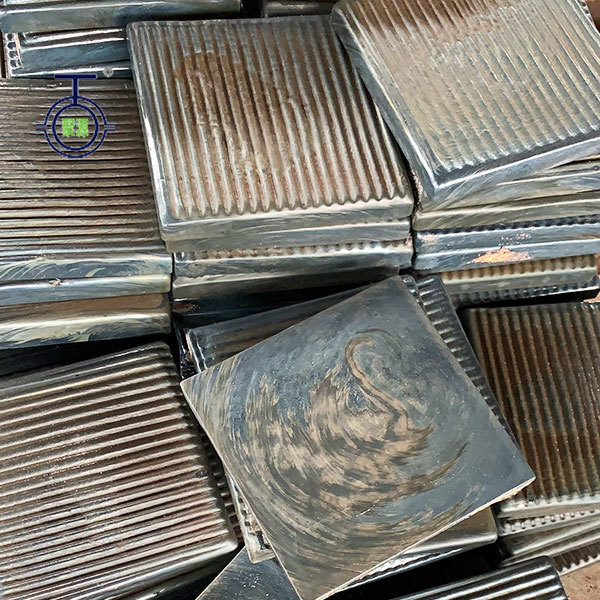
Cast basalt tiles are manufactured from natural basalt rock, known for its strength and thermal resistance. The production process involves melting the basalt and casting it into tile shapes, resulting in a dense material that boasts impressive hardness levels. These tiles have been designed to withstand extreme conditions, including chemical exposure, high temperatures, and mechanical impact.
Benefits of Using Corrosion-Proof Cast Basalt Tiles
When it comes to protecting equipment from wear and tear, cast basalt tiles stand out for several reasons:
1. Exceptional Wear Resistance
Cast basalt tiles have a **high abrasion resistance**, making them suitable for use in environments where materials are subject to constant friction. This property significantly reduces the risk of damage to machinery and extends the operational lifespan of equipment.
2. Corrosion Resistance
These tiles are inherently resistant to **corrosive substances**, ensuring that they maintain their integrity over time. This quality is particularly beneficial in industries such as mining, chemical processing, and wastewater treatment, where materials can be exposed to harsh chemicals.
3. Thermal Stability
Cast basalt tiles can withstand high temperatures without degrading, allowing them to perform effectively in environments with fluctuating heat levels. This thermal stability makes them ideal for applications involving kiln linings, furnace areas, and other heat-intensive operations.
4. Easy Installation and Maintenance
The tiles can be easily installed in various configurations, reducing downtime during setup. Furthermore, their smooth surface allows for easier cleaning and maintenance, ensuring that your equipment remains in optimal condition.
Applications of Corrosion-Proof Cast Basalt Tiles
These tiles can be utilized across a wide range of industries. Let's explore some of the key applications:
1. Mining and Mineral Processing
In mining operations, equipment is often subjected to abrasive materials. Cast basalt tiles can be used to line chutes, hoppers, and conveyor systems, ensuring that the equipment remains protected from wear.
2. Chemical Processing
For industries dealing with corrosive chemicals, cast basalt tiles provide a reliable protective barrier. Their resistance to acids and alkalis makes them suitable for use in storage tanks and processing areas.
3. Wastewater Treatment Facilities
In wastewater treatment, cast basalt tiles can help safeguard equipment from the corrosive effects of sewage. Their durability and easy maintenance contribute to more efficient facility operations.
4. Power Generation
In power plants, particularly those using coal, the wear from particulate matter can damage equipment. Cast basalt tiles can be employed in coal handling systems to minimize this impact and enhance equipment longevity.
How to Choose the Right Cast Basalt Tiles
Selecting the appropriate cast basalt tiles for your specific needs requires careful consideration of several factors:
1. Tile Thickness and Size
Consider the thickness and dimensions of the tiles based on the application. Thicker tiles may offer enhanced durability, making them suitable for areas with higher wear rates.
2. Surface Finish
The surface finish of the tiles can impact their performance. Smooth finishes may be preferable for easy cleaning, while textured surfaces may provide better grip in certain applications.
3. Installation Method
Evaluate the installation method based on your facility's layout. Some applications may require adhesive bonding, while others may utilize mechanical fastening.
Installation Process of Cast Basalt Tiles
To ensure optimal performance, proper installation is crucial. Follow these steps for seamless integration:
1. Surface Preparation
Clean and level the substrate where the tiles will be installed. Any debris or irregularities can affect adhesion and tile performance.
2. Applying Adhesive
Use a suitable adhesive recommended for cast basalt tiles. Apply the adhesive evenly over the substrate to ensure solid bonding.
3. Tile Placement
Carefully place the tiles onto the adhesive, ensuring proper alignment. Use spacers if necessary to maintain consistent gaps.
4. Curing Time
Allow the adhesive to cure for the recommended period before subjecting the tiles to stress. This ensures a secure bond and enhances durability.
Maintenance Tips for Cast Basalt Tiles
To maximize the lifespan of cast basalt tiles, regular maintenance is essential:
1. Regular Cleaning
Implement a routine cleaning schedule to remove dust, debris, and any potentially corrosive substances. This not only maintains aesthetic appeal but also safeguards equipment performance.
2. Inspect for Damage
Conduct regular inspections for any signs of chipping or wear. Addressing minor issues promptly can prevent more significant damage in the long run.
3. Monitor Environmental Conditions
Keep an eye on the environmental factors that may affect tile performance, such as temperature fluctuations and chemical exposure levels. Adjust maintenance practices accordingly.
Cost-Effectiveness of Cast Basalt Tiles
Investing in cast basalt tiles may seem significant initially, but the long-term benefits far outweigh the costs. By reducing equipment downtime, minimizing replacement needs, and decreasing maintenance expenses, these tiles can lead to substantial savings over time.
1. Reduced Equipment Downtime
The durability of cast basalt tiles translates to fewer interruptions in operations. This reliability allows businesses to maintain productivity and efficiency levels.
2. Longevity of Equipment
By protecting machinery from wear, cast basalt tiles extend the lifespan of essential equipment, providing businesses with a strong return on investment.
3. Lower Maintenance Costs
The ease of cleaning and maintaining cast basalt tiles can significantly cut down on labor costs associated with upkeep.
Case Study: Successful Implementation of Cast Basalt Tiles
To illustrate the effectiveness of cast basalt tiles, consider a case study from a leading mineral processing facility. The plant was struggling with frequent equipment failures due to abrasive materials damaging the conveyor system. After installing cast basalt tiles, the facility saw a remarkable reduction in wear-related issues, increasing operational efficiency and significantly lowering maintenance costs.
Frequently Asked Questions (FAQs)
1. What are the main advantages of using cast basalt tiles?
Cast basalt tiles offer exceptional wear resistance, corrosion resistance, thermal stability, and ease of installation and maintenance.
2. Can cast basalt tiles be used in high-temperature applications?
Yes, cast basalt tiles are designed to withstand high temperatures, making them suitable for various heat-intensive industrial applications.
3. How do I maintain cast basalt tiles?
Regular cleaning, inspections for damage, and monitoring environmental conditions are key to maintaining cast basalt tiles.
4. Are cast basalt tiles cost-effective?
While the initial investment may be higher, the long-term benefits, including reduced downtime and maintenance costs, make cast basalt tiles a cost-effective choice.
5. Where can I use cast basalt tiles?
These tiles are ideal for use in mining, chemical processing, wastewater treatment, and power generation, among other industries.
Conclusion
Corrosion-proof cast basalt tiles represent a critical investment for industries looking to protect their equipment from wear and tear. With unparalleled durability, thermal stability, and ease of maintenance, these tiles can significantly enhance operational efficiency while reducing costs associated with equipment failure. By selecting the right tiles and following best practices for installation and maintenance, businesses can ensure their equipment remains protected for years to come.
Recommended

Understanding Non-Return Valves for Ash Pipelines: A Key Component in Industrial Applications

Supplier of wear-resistant material solutions, specializing in cast basalt products
Many years of focus on the production and sales of high-quality wear-resistant materials, mainly used in power, metallurgy, mining, coal, building materials, chemical, and other industries.
Leave your contact information to get the latest product discount information

Mobile Website

Contact Us
Phone: +86-535-5632189 / 5666528 / 5637763
Fax: +86-535-5666528 / 5642975
Email: z.minhui@plsczsgdfm.com
Address: No. 6 Zhenxing, Liujiagou Town, Penglai District, Yantai City, Shandong Province


