
-
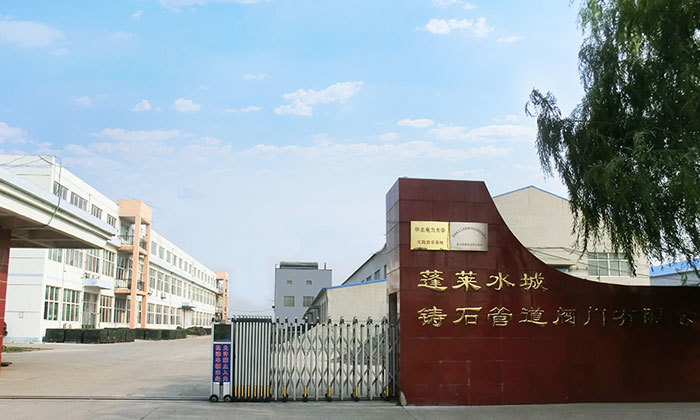
About UsSpecializing in the production and sales of wear-resistant materials such as cast basalt products, the company has obtained over 20 invention patents and utility model patents, and was awarded the "Shandong Star Enterprise of China Patent" title. The company has a history of over 20 years, and currently owns a single basalt cast basalt production line with a production capacity of 15000 tons/year, and mechanical processing equipment with an annual output of 5000 wear-resistant valves and 20000 clamp-type flexible pipe joints.
-
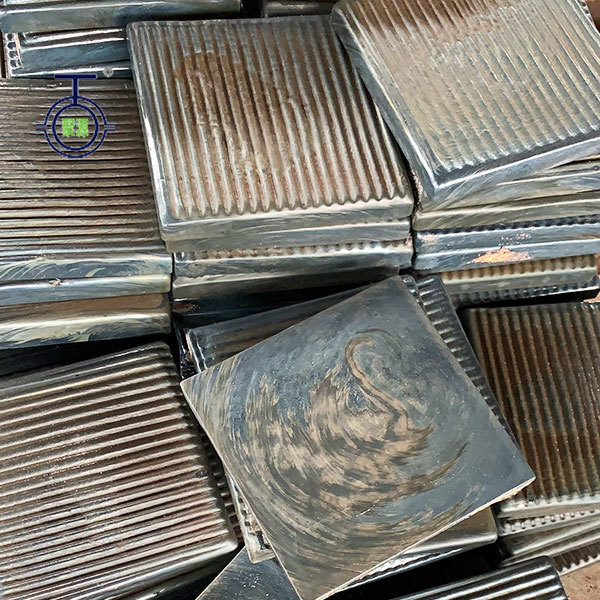
Cast BasaltCast basalt products include cast basalt pipes, cast basalt tiles, cast basalt powder, cast basalt lined steel pipes, etc., mainly used in industries such as electric power, metallurgy, mining, coal, building materials, and chemical.

-
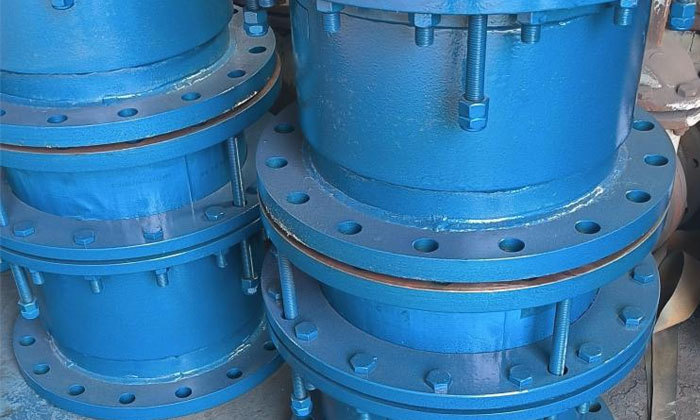
ValveCast basalt ball valves are durable, have a long service life, low fluid resistance, reliable sealing, wear and corrosion resistance, and the sealing surfaces of the ball and valve seat are always isolated from the medium during the fully open and fully closed processes of the valve, so that the medium passing through the valve at high speed will not erode the sealing surface.
-
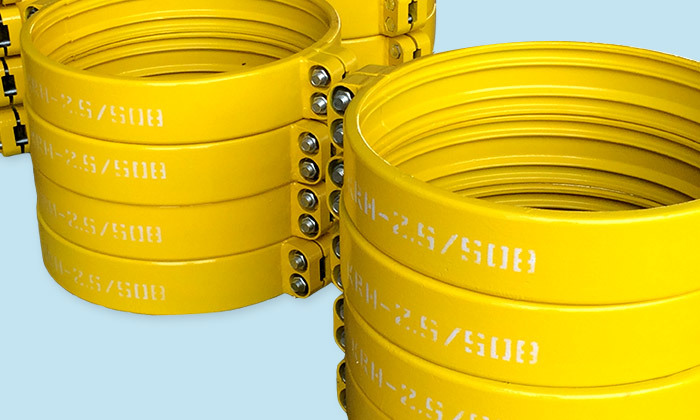
Pipe FittingClamp-type flexible pipe joints are used to connect pipes. KRH and KRJ series rolled clamp-type flexible pipe joints are patented products of our factory. They can effectively compensate for thermal expansion and contraction caused by temperature changes in the pipeline system, and can also compensate for angular changes caused by pipeline foundation settlement. They are high-pressure resistant, easy to install, and have a much better price-performance ratio than flange connections.
-
BLOGSince its establishment in 1986, the company has cumulatively produced: over 1600 kilometers of cast basalt lined steel pipes; over 260000 sets of flexible pipe joints; over 18000 valves of various types. Its products cover all provinces nationwide and are exported to countries such as South Korea, the United States, Serbia, South Africa, Zimbabwe, Japan, India, Vietnam, Russia, Poland, Ukraine, Kazakhstan, and Australia.

Exploring the Versatility of Corrosion-Proof Cast Basalt Tile in Manufacturing
Exploring the Versatility of Corrosion-Proof Cast Basalt Tile in Manufacturing Introduction to Cast Basalt Tile Cast basalt tile has emerged as a revolutionary material in various manufacturing sectors, offering remarkable durability and resistance to corrosive environments. This unique material, created from volcanic rock, is not only aesthetically pleasing but also highly functional. In this a
Exploring the Versatility of Corrosion-Proof Cast Basalt Tile in Manufacturing
Introduction to Cast Basalt Tile
Cast basalt tile has emerged as a revolutionary material in various manufacturing sectors, offering remarkable durability and resistance to corrosive environments. This unique material, created from volcanic rock, is not only aesthetically pleasing but also highly functional. In this article, we delve into the versatile applications of corrosion-proof cast basalt tile in manufacturing, providing insights into its properties, advantages, and potential uses.
The Composition and Manufacturing Process of Cast Basalt Tile
To understand the advantages of cast basalt tile, it's crucial to comprehend its composition and the process of manufacturing. Cast basalt is created through a meticulous process that involves melting basalt rock at high temperatures, typically around 1300°C. This molten material is then cast into molds to form tiles of varying shapes and sizes.
Key Components of Cast Basalt
Cast basalt is primarily composed of silicon dioxide, aluminum oxide, and iron oxide. These components contribute to its high resistance to wear and thermal shock, making it an ideal choice for applications subjected to extreme conditions.
The Manufacturing Process Explained
1. **Crushing and Grinding**: Basalt rocks are crushed and ground into a fine powder.
2. **Melting**: The powdered basalt is subjected to extreme heat in a furnace.
3. **Molding**: The molten basalt is poured into molds, forming tiles.
4. **Cooling**: The tiles are allowed to cool and solidify before being removed from the molds.
5. **Finishing**: Finally, the tiles are polished and inspected for quality.
Properties of Corrosion-Proof Cast Basalt Tile
Understanding the properties of cast basalt tiles helps in appreciating their applications. Some key properties include:
High Corrosion Resistance
Cast basalt tiles exhibit exceptional resistance to acid and alkali, making them ideal for use in chemical manufacturing environments. Their ability to withstand hostile chemicals ensures longevity and reduces maintenance costs.
Durability and Wear Resistance
These tiles are renowned for their hardness and wear resistance, often outperforming traditional materials. This characteristic is vital in heavy-duty applications where abrasion is a concern.
Thermal Stability
Cast basalt can endure extreme temperature fluctuations without cracking or degrading, which is crucial in manufacturing processes that involve heat.
Environmental Impact
With an emphasis on sustainability, cast basalt tiles are made from natural materials and can be recycled. Their longevity also contributes to reduced waste in manufacturing processes.
Applications of Corrosion-Proof Cast Basalt Tile in Manufacturing
The versatility of cast basalt tiles allows for a broad range of applications across various manufacturing sectors.
Chemical Processing Industries
In chemical processing, cast basalt tiles provide a robust flooring solution that can withstand spills, chemical exposure, and heavy foot traffic. They ensure safety and efficiency in operations.
Mining and Mineral Processing
Mining operations can benefit from the wear-resistant properties of cast basalt tiles. They can be used in chutes, hoppers, and other equipment exposed to abrasive materials.
Food and Beverage Industry
The food industry demands materials that are hygienic and easy to clean. Cast basalt tiles meet these requirements while also offering durability against high-pressure washing systems.
Power Generation Plants
In power generation, cast basalt tiles are utilized in flue gas desulfurization systems and other components where high temperatures and corrosive materials are present.
Pulp and Paper Industry
The pulp and paper industry benefits from cast basalt’s resistance to chemicals commonly used in processing, thus improving the lifespan of manufacturing equipment.
Installation and Maintenance of Cast Basalt Tile
Proper installation and maintenance are critical to maximizing the benefits of cast basalt tiles.
Installation Process
1. **Surface Preparation**: Ensure the substrate is clean, dry, and free of debris.
2. **Adhesive Application**: Use a suitable adhesive for bonding the tiles to the substrate.
3. **Tile Placement**: Lay the tiles in a staggered pattern for added strength.
4. **Grouting**: Fill the joints with the appropriate grout once the adhesive has cured.
Maintenance Tips
- Regular cleaning with non-abrasive agents ensures longevity.
- Inspect for cracks and wear periodically, addressing any issues promptly.
- Avoid exposing the tiles to extreme thermal shocks to maintain their integrity.
Cost-Effectiveness of Corrosion-Proof Cast Basalt Tile
Investing in cast basalt tiles may have a higher upfront cost compared to some traditional flooring solutions. However, the long-term benefits far outweigh these initial expenses.
Longevity and Durability
Due to their durability, cast basalt tiles require less frequent replacement, translating to lower costs over time. Additionally, their resistance to damage from chemicals and abrasion reduces maintenance expenses.
Energy Efficiency
The thermal stability of cast basalt tiles contributes to energy efficiency in manufacturing environments, reducing heating and cooling costs.
Comparative Analysis: Cast Basalt Tile vs. Other Materials
When evaluating cast basalt tiles, it's helpful to compare them with other common flooring materials in manufacturing.
Cast Basalt Tile vs. Ceramic Tile
While ceramic tiles can be aesthetically pleasing, they lack the corrosion and wear resistance offered by cast basalt. Cast basalt tiles are more suitable for heavy-duty applications.
Cast Basalt Tile vs. Epoxy Flooring
Epoxy flooring is often less expensive but does not offer the same thermal stability and wear resistance as cast basalt tiles. In harsh environments, cast basalt proves to be a superior choice.
Cast Basalt Tile vs. Concrete
Concrete is durable but can crack under thermal stress and is susceptible to chemical damage. Cast basalt tiles outperform concrete in both areas, making them a more reliable option for demanding manufacturing settings.
Future Trends: Innovations in Cast Basalt Tile Technology
The manufacturing industry continues to evolve, and so does cast basalt tile technology. Innovations are emerging that enhance its performance and expand its applications.
Enhanced Surface Treatments
New surface treatments are being developed to improve slip resistance and hygiene, further increasing the usability of cast basalt tiles in various sectors.
Customization Options
Manufacturers are now offering customized designs and colors for cast basalt tiles, allowing businesses to maintain aesthetic appeal without sacrificing functionality.
FAQs About Corrosion-Proof Cast Basalt Tile
1. What are the main benefits of using cast basalt tile in manufacturing?
Cast basalt tiles provide excellent corrosion resistance, durability, thermal stability, and low maintenance costs, making them ideal for demanding manufacturing environments.
2. How does cast basalt tile compare to traditional flooring materials?
Cast basalt outperforms traditional materials such as ceramic and epoxy in terms of durability, wear resistance, and resistance to harsh chemicals.
3. Can cast basalt tiles be recycled?
Yes, cast basalt tiles are made from natural materials and can be recycled, contributing to sustainability in manufacturing practices.
4. What is the installation process for cast basalt tiles?
The installation involves surface preparation, adhesive application, tile placement, and grouting, ensuring a secure and durable flooring solution.
5. Are cast basalt tiles suitable for food processing environments?
Absolutely! Cast basalt tiles are hygienic, easy to clean, and resistant to chemicals, making them an excellent choice for the food and beverage industry.
Conclusion
Corrosion-proof cast basalt tiles represent a significant advancement in manufacturing materials, offering unmatched durability, versatility, and resistance to harsh conditions. As industries continue to seek efficient and sustainable solutions, cast basalt tiles stand out as a premier choice. Their application across various sectors underscores their importance in modern manufacturing, ensuring safety, efficiency, and longevity. By investing in cast basalt tiles, manufacturers not only enhance their operational capabilities but also contribute to a sustainable future.
Recommended

Exploring the Versatility of Corrosion-Proof Cast Basalt Tile in Manufacturing

Supplier of wear-resistant material solutions, specializing in cast basalt products
Many years of focus on the production and sales of high-quality wear-resistant materials, mainly used in power, metallurgy, mining, coal, building materials, chemical, and other industries.
Leave your contact information to get the latest product discount information

Mobile Website

Contact Us
Phone: +86-535-5632189 / 5666528 / 5637763
Fax: +86-535-5666528 / 5642975
Email: z.minhui@plsczsgdfm.com
Address: No. 6 Zhenxing, Liujiagou Town, Penglai District, Yantai City, Shandong Province


