
-
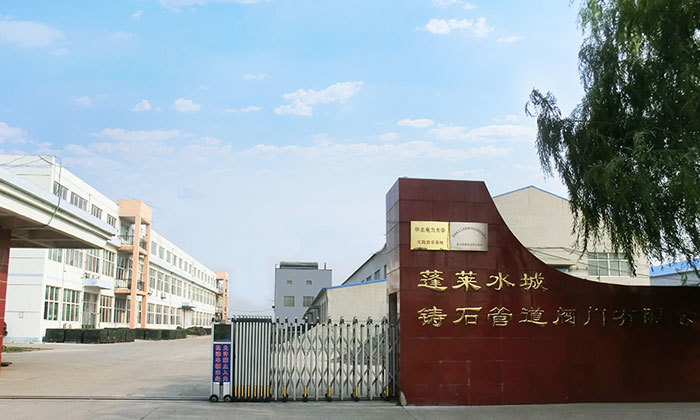
About UsSpecializing in the production and sales of wear-resistant materials such as cast basalt products, the company has obtained over 20 invention patents and utility model patents, and was awarded the "Shandong Star Enterprise of China Patent" title. The company has a history of over 20 years, and currently owns a single basalt cast basalt production line with a production capacity of 15000 tons/year, and mechanical processing equipment with an annual output of 5000 wear-resistant valves and 20000 clamp-type flexible pipe joints.
-
Cast BasaltCast basalt products include cast basalt pipes, cast basalt tiles, cast basalt powder, cast basalt lined steel pipes, etc., mainly used in industries such as electric power, metallurgy, mining, coal, building materials, and chemical.

-
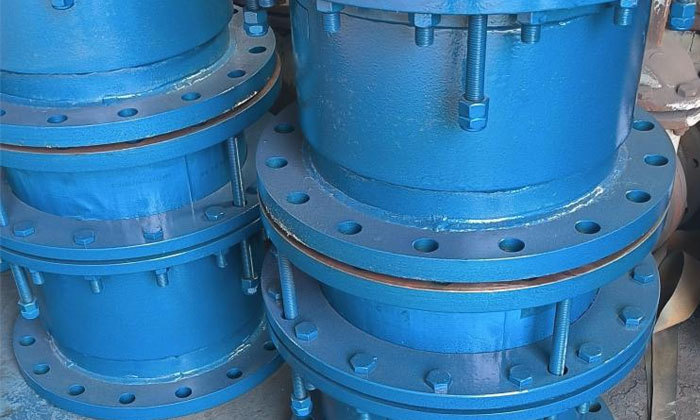
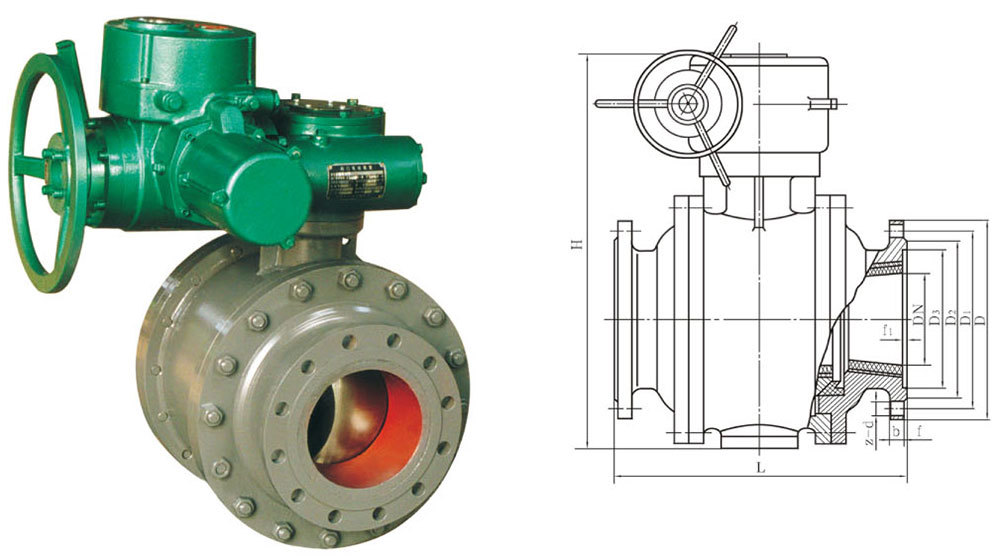
ValveCast basalt ball valves are durable, have a long service life, low fluid resistance, reliable sealing, wear and corrosion resistance, and the sealing surfaces of the ball and valve seat are always isolated from the medium during the fully open and fully closed processes of the valve, so that the medium passing through the valve at high speed will not erode the sealing surface.
-
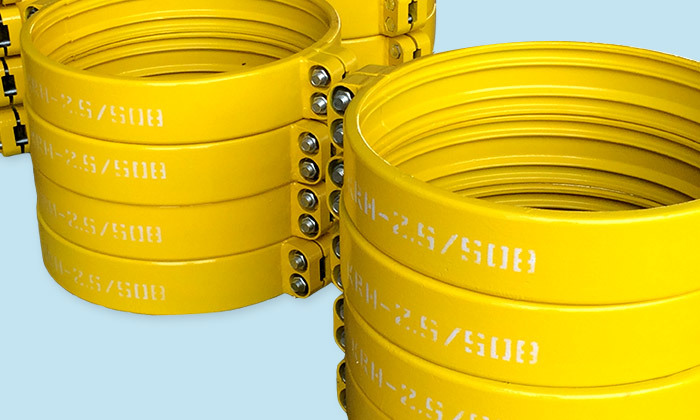
Pipe FittingClamp-type flexible pipe joints are used to connect pipes. KRH and KRJ series rolled clamp-type flexible pipe joints are patented products of our factory. They can effectively compensate for thermal expansion and contraction caused by temperature changes in the pipeline system, and can also compensate for angular changes caused by pipeline foundation settlement. They are high-pressure resistant, easy to install, and have a much better price-performance ratio than flange connections.
-
BLOGSince its establishment in 1986, the company has cumulatively produced: over 1600 kilometers of cast basalt lined steel pipes; over 260000 sets of flexible pipe joints; over 18000 valves of various types. Its products cover all provinces nationwide and are exported to countries such as South Korea, the United States, Serbia, South Africa, Zimbabwe, Japan, India, Vietnam, Russia, Poland, Ukraine, Kazakhstan, and Australia.

Cast Basalt Tile for Chute Lining: An Industrial Perspective
Cast Basalt Tile for Chute Lining: An Industrial Perspective Table of Contents Introduction to Cast Basalt Tiles Key Properties of Cast Basalt Tiles The Manufacturing Process of Cast Basalt Tiles Applications of Cast Basalt Tiles in Industry Advantages of Using Cast Basalt Tiles for Chute Lining Installation Best Practices for Cast Basalt Tiles Maintenance of Cast Basalt Tile Li
Cast Basalt Tile for Chute Lining: An Industrial Perspective
Table of Contents
- Introduction to Cast Basalt Tiles
- Key Properties of Cast Basalt Tiles
- The Manufacturing Process of Cast Basalt Tiles
- Applications of Cast Basalt Tiles in Industry
- Advantages of Using Cast Basalt Tiles for Chute Lining
- Installation Best Practices for Cast Basalt Tiles
- Maintenance of Cast Basalt Tile Linings
- Case Studies: Successful Implementations of Cast Basalt Tiles
- Frequently Asked Questions
- Conclusion
Introduction to Cast Basalt Tiles
In the world of industrial applications, the choice of materials plays a crucial role in efficiency, longevity, and cost-effectiveness. **Cast basalt tiles** have emerged as a valuable solution for chute lining due to their unique attributes. These tiles are recognized for their exceptional wear resistance, thermal stability, and low porosity. Industries that involve the transportation of abrasive materials often face challenges such as wear and tear on chute linings. Cast basalt tiles serve as an excellent alternative to traditional materials, providing enhanced performance and sustainability.
Key Properties of Cast Basalt Tiles
Cast basalt tiles possess several intrinsic properties that make them ideal for industrial applications, particularly in chute lining.
1. High Wear Resistance
One of the most significant advantages of cast basalt tiles is their **high wear resistance**. These tiles can withstand abrasive materials, ensuring that they last longer than many other lining options. This property is particularly beneficial in industries like mining, where the materials transported can be highly abrasive.
2. Thermal Stability
Cast basalt tiles exhibit remarkable thermal stability, allowing them to maintain their integrity in extreme temperature fluctuations. This characteristic is essential for applications where materials may be exposed to heat or cold, ensuring that the tiles do not crack or warp under stress.
3. Low Porosity
The low porosity of cast basalt tiles minimizes the absorption of moisture and other liquids, preventing degradation and extending the life of the lining. This property also makes the tiles less susceptible to chemical attacks, which is crucial in industries where corrosive materials may be present.
4. Eco-Friendly
Cast basalt tiles are made from natural raw materials, making them an eco-friendly choice. They can be produced with minimal environmental impact, aligning with the growing trend toward sustainable industrial practices.
The Manufacturing Process of Cast Basalt Tiles
Understanding the manufacturing process of cast basalt tiles sheds light on their unique properties and applications.
1. Raw Material Selection
The process begins with the selection of high-quality raw materials, primarily basalt rock. The rocks undergo crushing and grinding to achieve the desired particle size, which is critical for ensuring uniformity in the final product.
2. Melting and Casting
The ground basalt material is then subjected to extreme temperatures in a furnace, where it melts and forms a molten glass-like substance. This molten material is poured into molds, where it cools and solidifies, resulting in the dense cast basalt tiles.
3. Finishing Touches
After cooling, the tiles undergo a finishing process, which may involve grinding and polishing to achieve the desired surface texture and dimensions. Quality control measures are implemented to ensure that each tile meets industry standards.
Applications of Cast Basalt Tiles in Industry
Cast basalt tiles find their utility in a myriad of industrial applications, primarily as lining materials for chutes, hoppers, and other equipment that handle abrasive materials.
1. Mining and Mineral Processing
In the mining industry, cast basalt tiles are widely used for chute linings due to their ability to handle highly abrasive ores and minerals. They ensure smooth material flow while minimizing wear on the equipment.
2. Cement Production
Cement production involves the movement of heavy, abrasive materials. Cast basalt tiles provide reliable protection for chutes and hoppers, extending the lifespan of the equipment and reducing maintenance costs.
3. Power Generation
In power plants, particularly those that utilize coal, cast basalt tiles are employed in ash handling systems. Their resistance to wear and thermal shock makes them ideal for managing the abrasive nature of coal ash.
Advantages of Using Cast Basalt Tiles for Chute Lining
Utilizing cast basalt tiles for chute lining offers several advantages that enhance operational efficiency and reduce overall costs.
1. Cost-Effectiveness
While the initial investment in cast basalt tiles may be higher than traditional materials, their longevity and reduced maintenance requirements lead to significant cost savings in the long run.
2. Enhanced Safety
The durability and reliability of cast basalt tiles contribute to safer operations. With fewer breakdowns and maintenance needs, the risk of accidents and operational downtime is minimized.
3. Improved Material Flow
The smooth surface of cast basalt tiles promotes better material flow, reducing blockages and improving overall productivity in industrial processes.
Installation Best Practices for Cast Basalt Tiles
Proper installation of cast basalt tiles is crucial for maximizing their benefits. Follow these best practices for optimal results:
1. Surface Preparation
Ensure that the surface where the tiles will be installed is clean, dry, and free from debris. Any irregularities should be addressed to guarantee proper adhesion.
2. Adhesive Selection
Choose an appropriate adhesive that is compatible with cast basalt tiles. Consult with the manufacturer for specific recommendations to ensure a strong bond.
3. Tile Placement
When placing the tiles, ensure they are aligned correctly and fit snugly against each other. Use spacers if necessary to maintain uniform gaps, facilitating even adhesive coverage.
Maintenance of Cast Basalt Tile Linings
To ensure the longevity of cast basalt tile linings, regular maintenance is essential.
1. Routine Inspections
Conduct routine inspections to identify any signs of wear or damage. Early detection of issues allows for timely repairs, preventing more extensive damage.
2. Cleaning Procedures
Implement cleaning procedures to remove any buildup of materials that may cause wear on the tiles. Use appropriate cleaning agents that will not damage the surface.
Case Studies: Successful Implementations of Cast Basalt Tiles
Examining real-world applications of cast basalt tiles provides insight into their effectiveness.
1. Mining Company Implementation
A leading mining company adopted cast basalt tiles for their transportation chutes, leading to a 30% reduction in maintenance costs and an extended lifespan of the equipment.
2. Cement Plant Upgrade
A cement plant upgraded their chute linings to cast basalt tiles, resulting in a smoother operation and a notable increase in throughput while reducing overall downtime.
Frequently Asked Questions
1. What are cast basalt tiles made from?
Cast basalt tiles are primarily made from naturally occurring basalt rock, which is crushed, melted, and cast into tile shapes.
2. How long do cast basalt tiles last?
With proper installation and maintenance, cast basalt tiles can last several decades, depending on the application and environmental conditions.
3. Can cast basalt tiles be repaired if damaged?
Yes, if cast basalt tiles become damaged, they can be repaired using appropriate adhesives and techniques, although replacement is often the best option for severely damaged tiles.
4. Are cast basalt tiles environmentally friendly?
Yes, cast basalt tiles are made from natural materials and can be produced with minimal environmental impact, making them a sustainable choice.
5. What industries benefit most from cast basalt tiles?
Industries such as mining, cement production, and power generation benefit significantly from the use of cast basalt tiles due to their durability and wear resistance.
Conclusion
In conclusion, cast basalt tiles represent a robust solution for chute lining in various industrial applications. Their exceptional properties—such as high wear resistance, thermal stability, and eco-friendliness—make them an ideal choice for industries that deal with abrasive materials. By understanding their manufacturing processes, applications, and best practices for installation and maintenance, businesses can harness the full potential of these innovative tiles. Investing in cast basalt tiles not only improves operational efficiency but also contributes to long-term sustainability in industrial practices. Understanding and implementing these advanced materials will undoubtedly lead to safer and more efficient industrial environments.
Previous
Recommended

Cast Basalt Tile for Chute Lining: An Industrial Perspective

Supplier of wear-resistant material solutions, specializing in cast basalt products
Many years of focus on the production and sales of high-quality wear-resistant materials, mainly used in power, metallurgy, mining, coal, building materials, chemical, and other industries.
Leave your contact information to get the latest product discount information

Mobile Website

Contact Us
Phone: +86-535-5632189 / 5666528 / 5637763
Fax: +86-535-5666528 / 5642975
Email: z.minhui@plsczsgdfm.com
Address: No. 6 Zhenxing, Liujiagou Town, Penglai District, Yantai City, Shandong Province


