
-
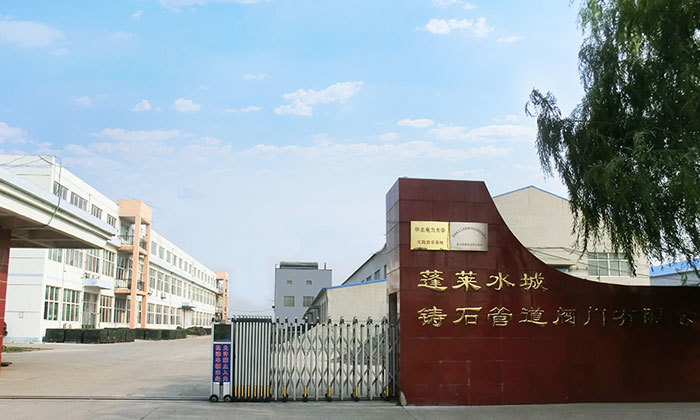
About UsSpecializing in the production and sales of wear-resistant materials such as cast basalt products, the company has obtained over 20 invention patents and utility model patents, and was awarded the "Shandong Star Enterprise of China Patent" title. The company has a history of over 20 years, and currently owns a single basalt cast basalt production line with a production capacity of 15000 tons/year, and mechanical processing equipment with an annual output of 5000 wear-resistant valves and 20000 clamp-type flexible pipe joints.
-
Cast BasaltCast basalt products include cast basalt pipes, cast basalt tiles, cast basalt powder, cast basalt lined steel pipes, etc., mainly used in industries such as electric power, metallurgy, mining, coal, building materials, and chemical.

-
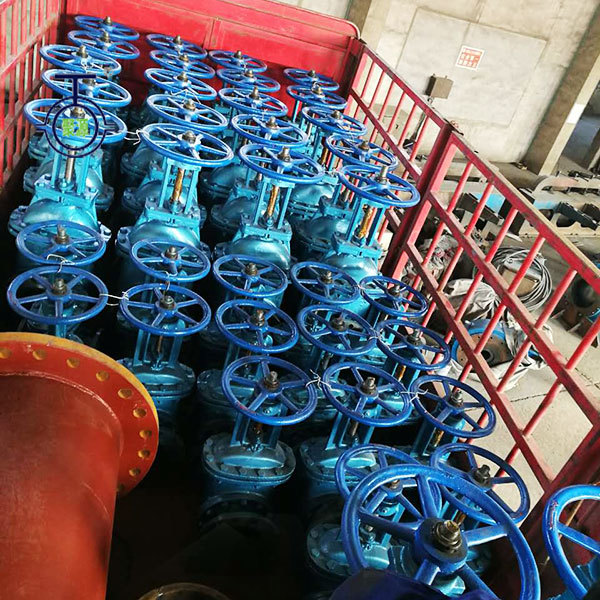
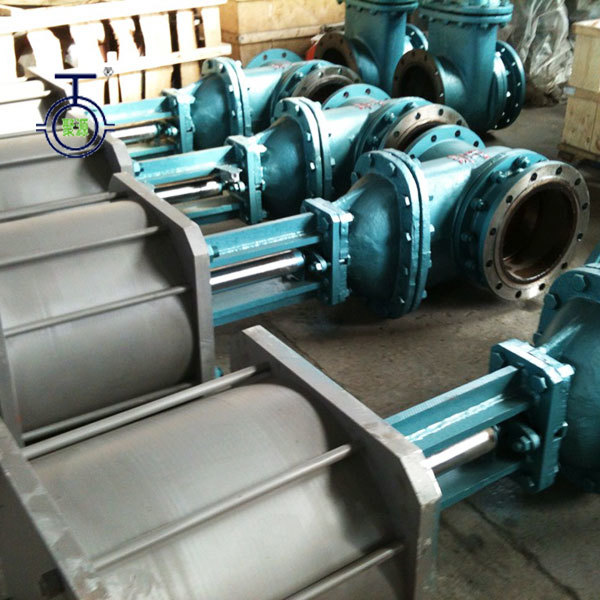
ValveCast basalt ball valves are durable, have a long service life, low fluid resistance, reliable sealing, wear and corrosion resistance, and the sealing surfaces of the ball and valve seat are always isolated from the medium during the fully open and fully closed processes of the valve, so that the medium passing through the valve at high speed will not erode the sealing surface.
-
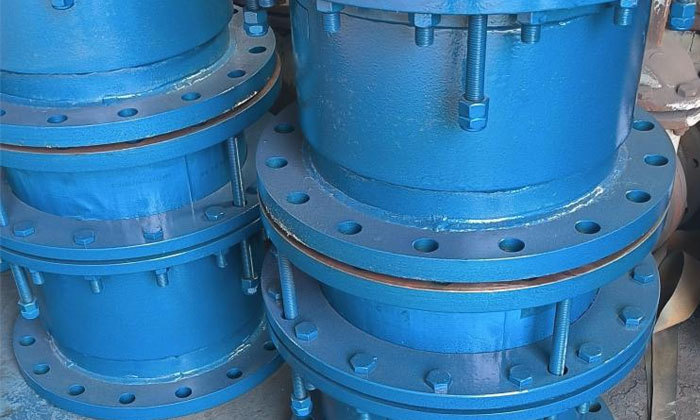
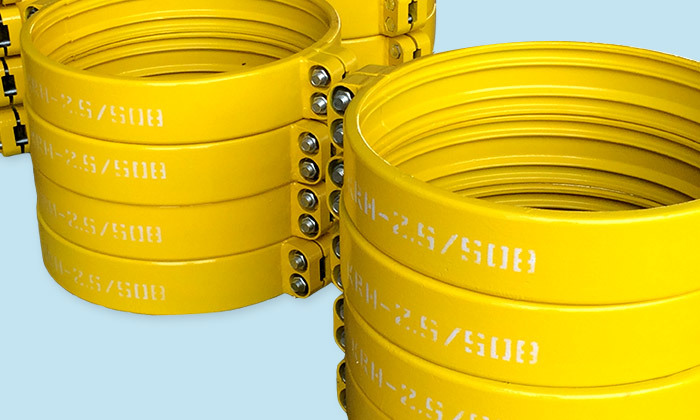
Pipe FittingClamp-type flexible pipe joints are used to connect pipes. KRH and KRJ series rolled clamp-type flexible pipe joints are patented products of our factory. They can effectively compensate for thermal expansion and contraction caused by temperature changes in the pipeline system, and can also compensate for angular changes caused by pipeline foundation settlement. They are high-pressure resistant, easy to install, and have a much better price-performance ratio than flange connections.
-
BLOGSince its establishment in 1986, the company has cumulatively produced: over 1600 kilometers of cast basalt lined steel pipes; over 260000 sets of flexible pipe joints; over 18000 valves of various types. Its products cover all provinces nationwide and are exported to countries such as South Korea, the United States, Serbia, South Africa, Zimbabwe, Japan, India, Vietnam, Russia, Poland, Ukraine, Kazakhstan, and Australia.

Choosing the Right Wear-Resistant Flow Control Valve for Your Industrial Applications
Choosing the Right Wear-Resistant Flow Control Valve for Your Industrial Applications In industrial applications, the efficiency and longevity of your equipment can significantly influence productivity and operational costs. One critical component that plays a vital role in managing fluid movement is the flow control valve. Selecting the appropriate **wear-resistant flow control valve** is essenti
Choosing the Right Wear-Resistant Flow Control Valve for Your Industrial Applications
In industrial applications, the efficiency and longevity of your equipment can significantly influence productivity and operational costs. One critical component that plays a vital role in managing fluid movement is the flow control valve. Selecting the appropriate **wear-resistant flow control valve** is essential for ensuring consistent performance in challenging environments. This article aims to provide an in-depth understanding of how to choose the right valve for your specific needs.
Table of Contents
- 1. Introduction to Wear-Resistant Flow Control Valves
- 2. Importance of Choosing the Right Valve
- 3. Types of Wear-Resistant Flow Control Valves
- 4. Materials Used in Manufacturing Flow Control Valves
- 5. Key Criteria for Selection
- 6. Applications in Industrial Settings
- 7. Maintenance Tips for Longevity
- 8. Expert Tips for Optimal Performance
- 9. Frequently Asked Questions
- 10. Conclusion
1. Introduction to Wear-Resistant Flow Control Valves
Wear-resistant flow control valves are designed to ensure precise fluid control in various industrial processes. These valves are built to withstand abrasive materials and high-pressure conditions, making them ideal for industries such as mining, pulp and paper, and oil and gas. Understanding the functionality and advantages of these valves is the first step toward making an informed decision for your application.
2. Importance of Choosing the Right Valve
The **right wear-resistant flow control valve** can enhance operational efficiency and reduce maintenance costs. An ill-suited valve may lead to frequent breakdowns, increased downtime, and financial losses. Therefore, understanding the importance of selection criteria, such as valve type, material, and application suitability, can significantly impact your operational success.
3. Types of Wear-Resistant Flow Control Valves
Several types of wear-resistant flow control valves cater to different industrial needs. The main types include:
3.1 Gate Valves
Gate valves are ideal for applications requiring minimal pressure drop. They provide a straight flow path, making them suitable for on/off service in larger pipelines.
3.2 Ball Valves
Ball valves offer quick shut off and are highly reliable. They are typically used in applications where tight sealing is crucial, such as in chemical processing.
3.3 Butterfly Valves
Butterfly valves are compact and lightweight, allowing for easy installation. They are perfect for regulating flow in large pipelines.
3.4 Plug Valves
Plug valves are versatile and can be used for throttling as well as on/off services. They are effective in applications involving slurry or viscous materials.
3.5 Check Valves
Check valves prevent backflow, ensuring that fluids flow in one direction. They are crucial in protecting pumps and other equipment from damage.
4. Materials Used in Manufacturing Flow Control Valves
Material selection is critical in the construction of wear-resistant flow control valves. Common materials include:
4.1 Stainless Steel
Stainless steel offers excellent corrosion resistance and strength, making it a popular choice for a variety of applications.
4.2 Cast Iron
Cast iron valves are known for their durability and wear resistance, often used in high-pressure applications.
4.3 Bronze
Bronze is preferred for its resistance to erosion and corrosion, particularly in marine environments.
4.4 Polyurethane and Other Composites
Advanced polymers and composites are used for specific applications where chemical resistance and lightweight properties are critical.
5. Key Criteria for Selection
When selecting a wear-resistant flow control valve, consider the following criteria:
5.1 Flow Rate
Determine the required flow rate to ensure the valve can handle your specific application without performance issues.
5.2 Pressure Rating
Ensure that the valve can withstand the maximum pressure of your system. Opt for valves with higher pressure ratings for safety.
5.3 Temperature Range
Evaluate the temperature range of your application to select a valve that can operate efficiently within those limits.
5.4 Compatibility with Fluids
Ensure that the valve material is compatible with the fluids being transported to avoid premature wear and failure.
5.5 Maintenance Requirements
Choose valves that are easy to maintain. Regular maintenance can extend the lifespan of your equipment significantly.
6. Applications in Industrial Settings
Wear-resistant flow control valves find applications across various industries, including:
6.1 Mining Industry
In mining, these valves are used to control the flow of slurries and other abrasive materials, ensuring efficient operations.
6.2 Chemical Processing
In chemical plants, flow control valves manage corrosive substances, maintaining safety and operational integrity.
6.3 Oil and Gas
In the oil and gas sector, these valves regulate fluids and gases under high-pressure conditions, critical for safe transport.
6.4 Water Treatment
In water treatment facilities, these valves control the flow of water and chemicals, ensuring optimal treatment processes.
7. Maintenance Tips for Longevity
To ensure the longevity of your wear-resistant flow control valves, follow these maintenance tips:
7.1 Regular Inspections
Conduct periodic inspections to identify signs of wear or damage early, preventing costly repairs.
7.2 Lubrication
Ensure proper lubrication of moving parts to reduce friction and wear, extending the valve's life.
7.3 Cleaning
Regularly clean the valve to remove any accumulated debris or corrosive substances that could affect performance.
7.4 Replace Worn Parts
Identify and replace worn components promptly to maintain optimal function and prevent breakdowns.
8. Expert Tips for Optimal Performance
Implementing the following expert tips can enhance the performance of your flow control valves:
8.1 Consult with Suppliers
Engage with valve suppliers to gain insights into the best options available for your specific application.
8.2 Test Before Full Implementation
Whenever possible, conduct tests on a small scale to evaluate the valve’s performance before full deployment.
8.3 Educate Your Team
Ensure that your team is well-informed about valve operation and maintenance to minimize human error.
9. Frequently Asked Questions
9.1 What is a wear-resistant flow control valve?
A wear-resistant flow control valve is designed to manage fluid flow while withstanding abrasive materials and harsh conditions.
9.2 How do I know which type of valve to choose?
Choose a valve based on your specific application, flow rate, pressure requirements, and compatibility with the fluids being used.
9.3 Can I use a single valve for multiple applications?
While some valves may offer versatility, it is generally advisable to select specific valves designed for each application for optimal performance.
9.4 What maintenance is required for flow control valves?
Regular inspections, lubrication, cleaning, and prompt replacement of worn parts are essential for maintaining flow control valves.
9.5 What materials are best for wear resistance?
Stainless steel, cast iron, and advanced polymers are commonly used for their wear-resistant properties in industrial applications.
10. Conclusion
Selecting the right **wear-resistant flow control valve** is crucial for the efficiency and reliability of your industrial operations. By understanding the various types, materials, and selection criteria, along with implementing proper maintenance practices, you can enhance your system's performance and extend the lifespan of your valves. The right choice not only improves productivity but also minimizes costly downtime, providing a solid return on investment. Make informed decisions today to pave the way for a more efficient tomorrow.
Recommended

Optimizing Your Equipment with Cast Basalt Cylinder Technology: A Comprehensive Guide

Supplier of wear-resistant material solutions, specializing in cast basalt products
Many years of focus on the production and sales of high-quality wear-resistant materials, mainly used in power, metallurgy, mining, coal, building materials, chemical, and other industries.
Leave your contact information to get the latest product discount information

Mobile Website

Contact Us
Phone: +86-535-5632189 / 5666528 / 5637763
Fax: +86-535-5666528 / 5642975
Email: z.minhui@plsczsgdfm.com
Address: No. 6 Zhenxing, Liujiagou Town, Penglai District, Yantai City, Shandong Province


