
-
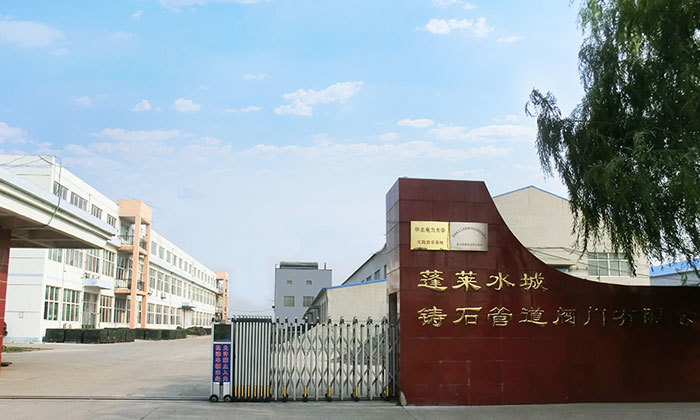
About UsSpecializing in the production and sales of wear-resistant materials such as cast basalt products, the company has obtained over 20 invention patents and utility model patents, and was awarded the "Shandong Star Enterprise of China Patent" title. The company has a history of over 20 years, and currently owns a single basalt cast basalt production line with a production capacity of 15000 tons/year, and mechanical processing equipment with an annual output of 5000 wear-resistant valves and 20000 clamp-type flexible pipe joints.
-
Cast BasaltCast basalt products include cast basalt pipes, cast basalt tiles, cast basalt powder, cast basalt lined steel pipes, etc., mainly used in industries such as electric power, metallurgy, mining, coal, building materials, and chemical.

-
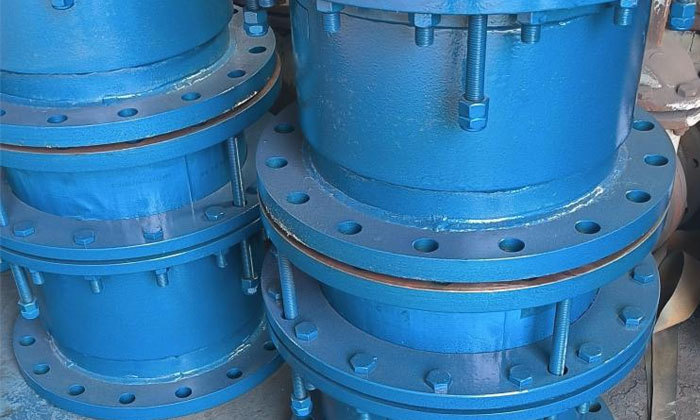
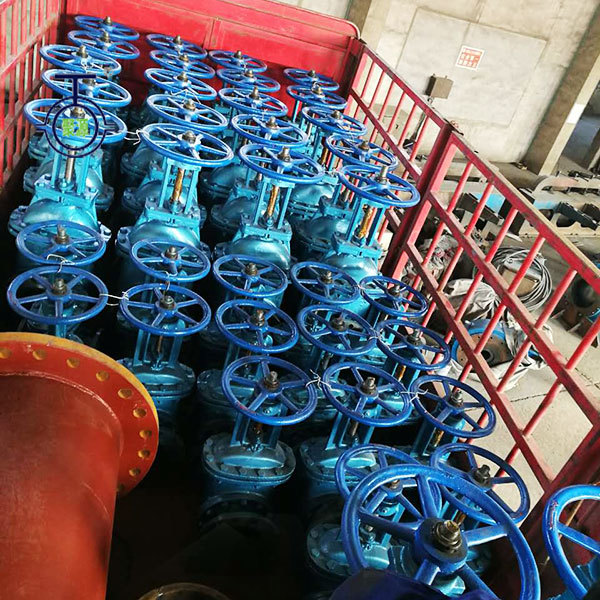
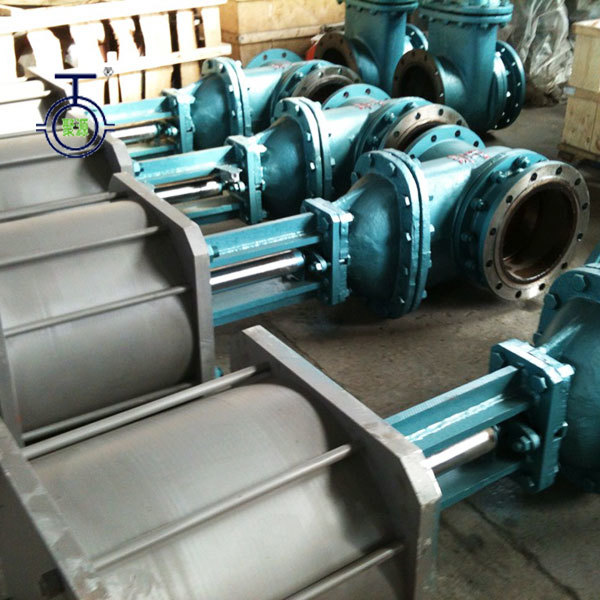
ValveCast basalt ball valves are durable, have a long service life, low fluid resistance, reliable sealing, wear and corrosion resistance, and the sealing surfaces of the ball and valve seat are always isolated from the medium during the fully open and fully closed processes of the valve, so that the medium passing through the valve at high speed will not erode the sealing surface.
-
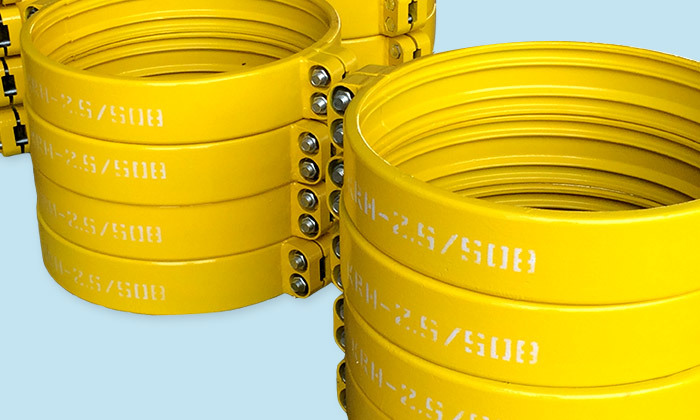
Pipe FittingClamp-type flexible pipe joints are used to connect pipes. KRH and KRJ series rolled clamp-type flexible pipe joints are patented products of our factory. They can effectively compensate for thermal expansion and contraction caused by temperature changes in the pipeline system, and can also compensate for angular changes caused by pipeline foundation settlement. They are high-pressure resistant, easy to install, and have a much better price-performance ratio than flange connections.
-
BLOGSince its establishment in 1986, the company has cumulatively produced: over 1600 kilometers of cast basalt lined steel pipes; over 260000 sets of flexible pipe joints; over 18000 valves of various types. Its products cover all provinces nationwide and are exported to countries such as South Korea, the United States, Serbia, South Africa, Zimbabwe, Japan, India, Vietnam, Russia, Poland, Ukraine, Kazakhstan, and Australia.

Optimizing Your Equipment with Cast Basalt Cylinder Technology: A Comprehensive Guide
Optimizing Your Equipment with Cast Basalt Cylinder Technology Introduction to Cast Basalt Cylinder Technology In the constantly evolving industrial landscape, **optimizing equipment** is crucial for enhancing efficiency, reducing wear and tear, and ultimately lowering operational costs. One technology that has gained significant traction in recent years is **cast basalt cylinder technology**.
Optimizing Your Equipment with Cast Basalt Cylinder Technology
Introduction to Cast Basalt Cylinder Technology
In the constantly evolving industrial landscape, **optimizing equipment** is crucial for enhancing efficiency, reducing wear and tear, and ultimately lowering operational costs. One technology that has gained significant traction in recent years is **cast basalt cylinder technology**. This innovative solution not only offers superior durability but also provides exceptional performance in the most challenging environments. In this article, we will delve into the intricacies of cast basalt technology, its applications, benefits, and how it can be effectively integrated into your operations.
Understanding Cast Basalt: What Makes It Unique?
Cast basalt is a ceramic material produced from natural volcanic rock. This process involves melting the basalt at high temperatures and then casting it into molds to create various components, including cylinders. The unique properties of cast basalt make it an ideal choice for industrial applications, especially in environments that experience high abrasion, corrosion, and thermal stress.
Key Characteristics of Cast Basalt
- **High Abrasion Resistance**: Cast basalt exhibits remarkable resistance to wear, making it suitable for applications involving the movement of abrasive materials.
- **Exceptional Thermal Stability**: This material can withstand extreme temperatures, ensuring consistent performance even in harsh conditions.
- **Chemical Resistance**: Its inert nature allows it to resist various chemicals, ensuring longevity in environments where corrosive substances are present.
- **Lightweight yet Strong**: Despite its strength, cast basalt is relatively light, allowing for easier handling and installation.
Applications of Cast Basalt Cylinder Technology in Various Industries
Cast basalt cylinders are versatile and can be utilized in multiple industrial sectors. Here are some notable applications:
1. Mining and Mineral Processing
In the mining industry, cast basalt cylinders are often used in slurry pipelines and chutes. Their **abrasion-resistant properties** help in reducing wear and prolonging the lifespan of equipment, ensuring minimal downtime.
2. Power Generation
In power plants, cast basalt is utilized in ash handling systems. Its ability to withstand high-temperature environments makes it an excellent choice for managing materials that can be corrosive to other types of equipment.
3. Chemical Processing
Chemical plants benefit from cast basalt due to its chemical resistance and durability. This technology is often used in the construction of piping systems, reactors, and storage tanks that require superior performance under extreme conditions.
4. Food and Beverage Industry
In the food industry, hygiene is paramount. Cast basalt components can be employed in conveying systems where hygiene and resistance to wear are essential.
5. Construction and Civil Engineering
Cast basalt technology finds its way into construction through the manufacturing of specialized components such as **pipes, fittings, and tiles**, which require durability and resistance to aggressive environmental factors.
Benefits of Integrating Cast Basalt Cylinder Technology
Implementing cast basalt technology in your industrial operations can yield significant advantages, including:
1. Cost Efficiency
The **initial investment** in cast basalt components may be higher than traditional materials, but the long-term savings in maintenance and replacement costs far outweigh the upfront expenses.
2. Enhanced Performance and Efficiency
Cast basalt cylinders improve the efficiency of your equipment by reducing friction and wear, leading to smoother operations and less energy consumption.
3. Extended Equipment Lifespan
With their inherent resistance to wear and corrosion, cast basalt components can last significantly longer than alternatives, resulting in fewer replacements and reduced waste.
4. Improved Safety Standards
The use of cast basalt technology can enhance workplace safety by minimizing the risk of equipment failures and accidents related to wear and tear.
5. Environmentally Friendly Solution
Cast basalt is a sustainable material that is recyclable and reduces the environmental footprint of industrial processes.
How to Optimize Your Equipment with Cast Basalt Cylinder Technology
To fully realize the potential of cast basalt cylinder technology, consider the following optimization strategies:
1. Assessing Your Current Equipment
Begin by conducting a comprehensive assessment of your existing equipment. Identify areas with frequent wear and tear or components that require regular replacement.
2. Selecting the Right Cast Basalt Components
Not all cast basalt products are created equal. Work with reputable suppliers to select components tailored to your specific application requirements.
3. Implementing Proper Installation Techniques
Ensure that cast basalt components are installed correctly to avoid any potential issues. Follow manufacturer guidelines and best practices to achieve optimal performance.
4. Regular Maintenance and Monitoring
Despite their durability, cast basalt components still require regular maintenance. Implement a monitoring system to track performance and identify any potential issues early on.
5. Training Your Staff
Educate your team on the benefits and handling of cast basalt technology. A knowledgeable workforce will contribute to the successful integration and optimization of this technology.
Common Misconceptions about Cast Basalt Cylinder Technology
Despite its many advantages, there are some misconceptions regarding cast basalt technology:
1. High Initial Costs
While the upfront cost may be higher, the long-term savings in maintenance and efficiency often justify the investment.
2. Limited Applications
Some may believe that cast basalt is relevant only in specific industries. In reality, its versatility allows it to be integrated into various sectors.
3. Fragility of Cast Basalt
Contrary to popular belief, cast basalt is not fragile. Its design and manufacturing process ensure it can withstand harsh conditions and heavy wear.
FAQs about Cast Basalt Cylinder Technology
1. What is cast basalt?
Cast basalt is a ceramic material made from natural volcanic rock, known for its high durability and resistance to abrasion, corrosion, and thermal stress.
2. How does cast basalt compare to traditional materials?
Cast basalt typically outperforms traditional materials in terms of wear resistance, longevity, and overall performance, making it a cost-effective solution in the long term.
3. Can cast basalt be used in high-temperature applications?
Yes, cast basalt can withstand high temperatures, making it suitable for various applications in industries such as power generation and chemical processing.
4. Is cast basalt environmentally friendly?
Yes, cast basalt is a sustainable material that is recyclable and contributes to reducing the environmental impact of industrial operations.
5. How can I integrate cast basalt technology into my existing operations?
Begin by assessing your current equipment, selecting appropriate cast basalt components, ensuring proper installation, and providing necessary staff training.
Conclusion
In conclusion, optimizing your equipment with cast basalt cylinder technology is a strategic move that can significantly enhance your operational efficiency and reduce long-term costs. By understanding its unique properties, applications, and benefits, you can make informed decisions that lead to improved productivity and safety in your industrial processes. As industries continue to evolve, embracing innovative technologies like cast basalt will be critical in maintaining a competitive edge. Start integrating cast basalt today and witness the transformation in your operations.
Recommended

Optimizing Your Equipment with Cast Basalt Cylinder Technology: A Comprehensive Guide

Supplier of wear-resistant material solutions, specializing in cast basalt products
Many years of focus on the production and sales of high-quality wear-resistant materials, mainly used in power, metallurgy, mining, coal, building materials, chemical, and other industries.
Leave your contact information to get the latest product discount information

Mobile Website

Contact Us
Phone: +86-535-5632189 / 5666528 / 5637763
Fax: +86-535-5666528 / 5642975
Email: z.minhui@plsczsgdfm.com
Address: No. 6 Zhenxing, Liujiagou Town, Penglai District, Yantai City, Shandong Province


