
-
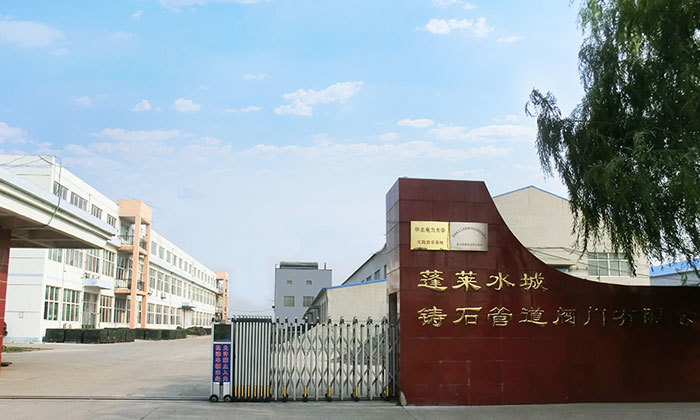
About UsSpecializing in the production and sales of wear-resistant materials such as cast basalt products, the company has obtained over 20 invention patents and utility model patents, and was awarded the "Shandong Star Enterprise of China Patent" title. The company has a history of over 20 years, and currently owns a single basalt cast basalt production line with a production capacity of 15000 tons/year, and mechanical processing equipment with an annual output of 5000 wear-resistant valves and 20000 clamp-type flexible pipe joints.
-
Cast BasaltCast basalt products include cast basalt pipes, cast basalt tiles, cast basalt powder, cast basalt lined steel pipes, etc., mainly used in industries such as electric power, metallurgy, mining, coal, building materials, and chemical.

-
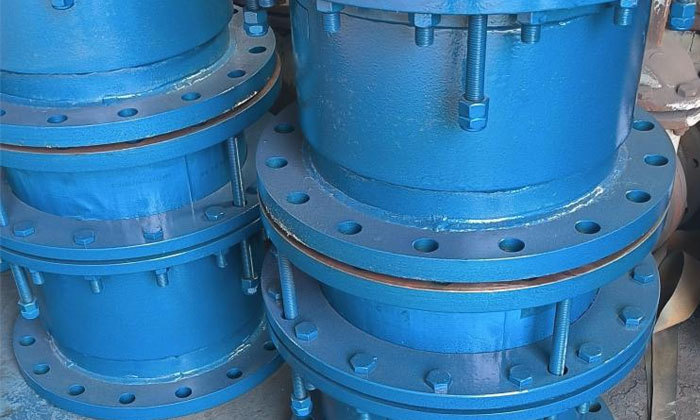
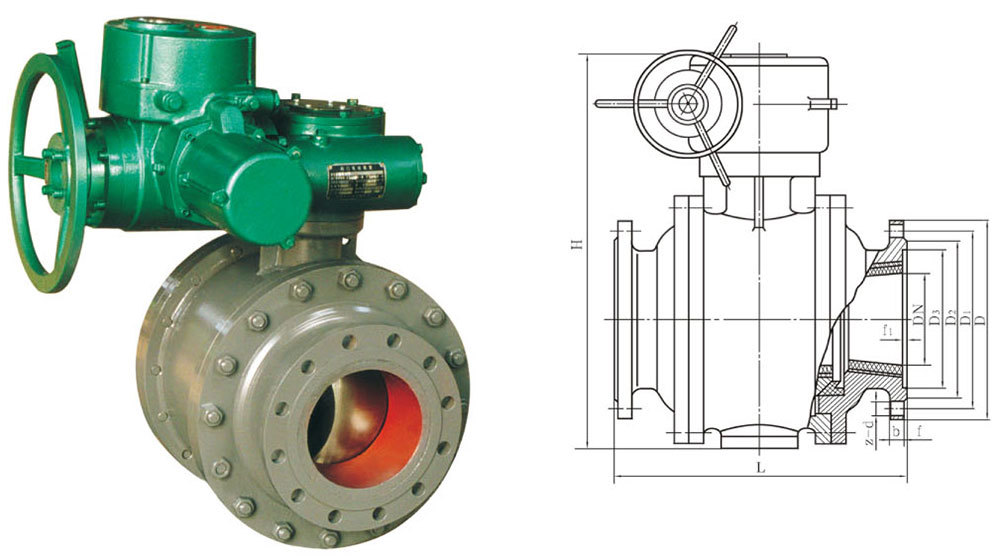
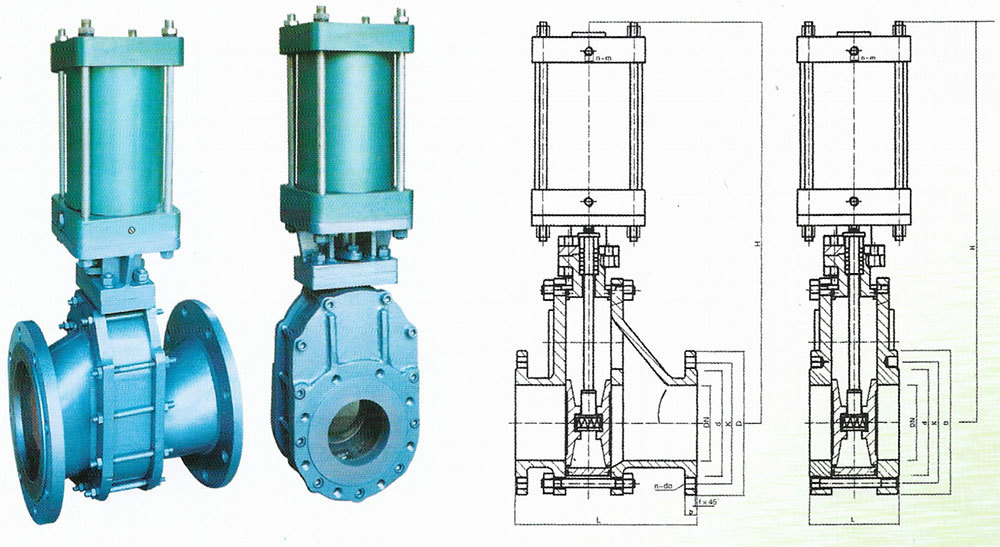
ValveCast basalt ball valves are durable, have a long service life, low fluid resistance, reliable sealing, wear and corrosion resistance, and the sealing surfaces of the ball and valve seat are always isolated from the medium during the fully open and fully closed processes of the valve, so that the medium passing through the valve at high speed will not erode the sealing surface.
-
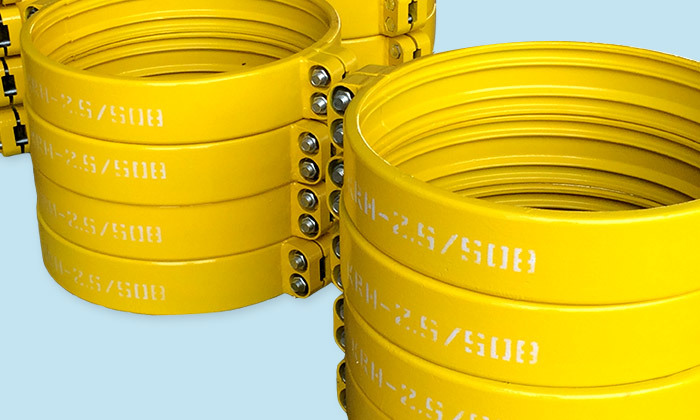
Pipe FittingClamp-type flexible pipe joints are used to connect pipes. KRH and KRJ series rolled clamp-type flexible pipe joints are patented products of our factory. They can effectively compensate for thermal expansion and contraction caused by temperature changes in the pipeline system, and can also compensate for angular changes caused by pipeline foundation settlement. They are high-pressure resistant, easy to install, and have a much better price-performance ratio than flange connections.
-
BLOGSince its establishment in 1986, the company has cumulatively produced: over 1600 kilometers of cast basalt lined steel pipes; over 260000 sets of flexible pipe joints; over 18000 valves of various types. Its products cover all provinces nationwide and are exported to countries such as South Korea, the United States, Serbia, South Africa, Zimbabwe, Japan, India, Vietnam, Russia, Poland, Ukraine, Kazakhstan, and Australia.

Why Corrosion-Proof Cast Basalt Tile is Essential for Industrial Applications
Why Corrosion-Proof Cast Basalt Tile is Essential for Industrial Applications Introduction to Corrosion-Proof Cast Basalt Tiles Corrosion-proof cast basalt tiles are increasingly becoming a crucial component in various industrial applications. Their unique properties—such as high resistance to wear and chemical corrosion—make them a preferred choice in environments where traditional materials may
Why Corrosion-Proof Cast Basalt Tile is Essential for Industrial Applications
Introduction to Corrosion-Proof Cast Basalt Tiles
Corrosion-proof cast basalt tiles are increasingly becoming a crucial component in various industrial applications. Their unique properties—such as high resistance to wear and chemical corrosion—make them a preferred choice in environments where traditional materials may fail. As industries grow and evolve, the need for durable and reliable surfaces becomes more apparent. This article delves into the reasons behind the rising demand for cast basalt tiles and how they outperform other materials in industrial settings.
The Composition and Properties of Cast Basalt Tiles
Understanding the Material Structure
Cast basalt is a natural stone material derived from volcanic rock. Through a specialized casting process, the material is transformed into tiles that exhibit remarkable strength and durability. The manufacturing process involves melting basalt at high temperatures, which is then poured into molds to create the desired tile shape. This process not only ensures uniformity and precision but also contributes to the tiles' superior properties.
Key Properties of Corrosion-Proof Cast Basalt Tiles
1. **Chemical Resistance**: One of the standout features of cast basalt tiles is their exceptional resistance to a wide range of chemicals, including acids and alkalis. This makes them ideal for environments like chemical processing plants where spills are inevitable.
2. **High Wear Resistance**: The hardness of cast basalt tiles is significant, allowing them to withstand heavy foot traffic and the movement of equipment without degrading.
3. **Thermal Stability**: Cast basalt tiles can endure extreme temperature fluctuations, making them suitable for applications in industries that experience intense heat or cold.
4. **Low Porosity**: The low porosity of cast basalt tiles prevents the absorption of liquids, thus minimizing the risk of damage from spills and leaks.
Industrial Applications of Corrosion-Proof Cast Basalt Tiles
Mining and Mineral Processing
In the mining industry, cast basalt tiles are employed extensively due to their durability and resistance to abrasive materials. These tiles provide a reliable surface in mineral processing plants, where they can handle heavy machinery and the wear from transporting minerals without significant damage.
Chemical and Petrochemical Industries
The chemical industry presents a challenging environment, often involving the handling of harsh chemicals and corrosive substances. Corrosion-proof cast basalt tiles are essential in these settings, as they protect underlying surfaces and maintain structural integrity over time.
Food and Beverage Processing
In food manufacturing facilities, hygiene and safety are paramount. Cast basalt tiles offer a non-porous surface that is easy to clean, while their chemical resistance ensures they remain unaffected by cleaning agents and food products.
Benefits of Using Corrosion-Proof Cast Basalt Tiles
Cost-Effectiveness and Longevity
Investing in cast basalt tiles can lead to significant cost savings in the long run. Their durability means that they require less frequent replacement compared to traditional materials. Furthermore, their resistance to wear reduces maintenance costs, making them a financially sound choice for industrial applications.
Easy Installation and Maintenance
Installation of cast basalt tiles is straightforward, often requiring less time compared to other flooring options. Their interlocking design allows for quick assembly, and once installed, they require minimal maintenance, making them an efficient option for industrial facilities.
Installation Process of Cast Basalt Tiles
Preparation of the Substrate
Before installation, it is essential to prepare the substrate adequately. The area must be cleaned and leveled to ensure that the tiles adhere properly and provide a stable surface.
Tile Layout and Installation
Once the substrate is prepared, the tiles can be laid out according to the specified design. Using appropriate adhesives or bonding agents will ensure that the tiles remain in place and maintain their integrity.
Sealing and Finishing Touches
After installation, it’s recommended to apply a sealant depending on the specific application and environmental conditions. This additional layer can enhance the tiles' protective properties and prolong their lifespan.
Challenges and Considerations When Choosing Cast Basalt Tiles
Understanding Environmental Impact
While cast basalt tiles are durable and chemically resistant, it is crucial to consider the environmental impact of their production. As industries move towards sustainable practices, selecting tiles that minimize carbon footprints and adhere to eco-friendly guidelines is vital.
Choosing the Right Supplier
Selecting a reputable supplier can make a significant difference in the quality of cast basalt tiles. It is essential to research suppliers who provide detailed information about their products and ensure compliance with industry standards.
Frequently Asked Questions (FAQs)
1. What industries benefit the most from cast basalt tiles?
Cast basalt tiles are widely used in mining, chemical processing, food and beverage manufacturing, and wastewater treatment plants due to their durability and resistance to harsh conditions.
2. How do cast basalt tiles compare to other flooring materials?
Cast basalt tiles outperform many traditional flooring materials in terms of durability, chemical resistance, and lifespan, making them a superior choice for heavy-duty industrial applications.
3. Can cast basalt tiles be recycled?
Yes, cast basalt tiles can be recycled, which contributes to their sustainability as a flooring option in industrial environments.
4. How do you maintain cast basalt tiles?
Maintenance is minimal; regular cleaning to remove debris and periodic checks for any signs of wear or damage are typically sufficient to maintain their longevity.
5. Are cast basalt tiles suitable for outdoor use?
While cast basalt tiles are primarily designed for indoor environments, they can be used outdoors in certain conditions, provided they are protected from extreme weather elements.
Conclusion
In summary, **corrosion-proof cast basalt tiles** are essential for industrial applications due to their unique properties and numerous benefits. Their durability, chemical resistance, and cost-effectiveness make them a valuable investment in various industries, from mining to chemical processing. By understanding the advantages and application processes of these tiles, businesses can enhance their operational efficiency and ensure safety in demanding environments. As industries continue to evolve, the demand for innovative and effective materials like cast basalt tiles will undoubtedly increase, making them a cornerstone of modern industrial flooring solutions.
Recommended

Cast Basalt Cylinders vs. Traditional Materials: A Comprehensive Comparative Study

Supplier of wear-resistant material solutions, specializing in cast basalt products
Many years of focus on the production and sales of high-quality wear-resistant materials, mainly used in power, metallurgy, mining, coal, building materials, chemical, and other industries.
Leave your contact information to get the latest product discount information

Mobile Website

Contact Us
Phone: +86-535-5632189 / 5666528 / 5637763
Fax: +86-535-5666528 / 5642975
Email: z.minhui@plsczsgdfm.com
Address: No. 6 Zhenxing, Liujiagou Town, Penglai District, Yantai City, Shandong Province


