
-
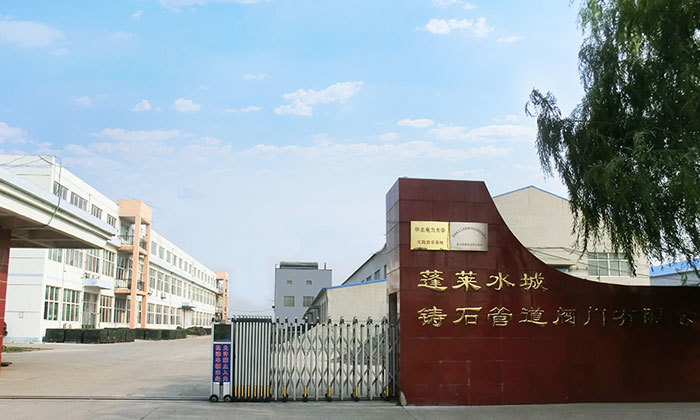
About UsSpecializing in the production and sales of wear-resistant materials such as cast basalt products, the company has obtained over 20 invention patents and utility model patents, and was awarded the "Shandong Star Enterprise of China Patent" title. The company has a history of over 20 years, and currently owns a single basalt cast basalt production line with a production capacity of 15000 tons/year, and mechanical processing equipment with an annual output of 5000 wear-resistant valves and 20000 clamp-type flexible pipe joints.
-
Cast BasaltCast basalt products include cast basalt pipes, cast basalt tiles, cast basalt powder, cast basalt lined steel pipes, etc., mainly used in industries such as electric power, metallurgy, mining, coal, building materials, and chemical.

-
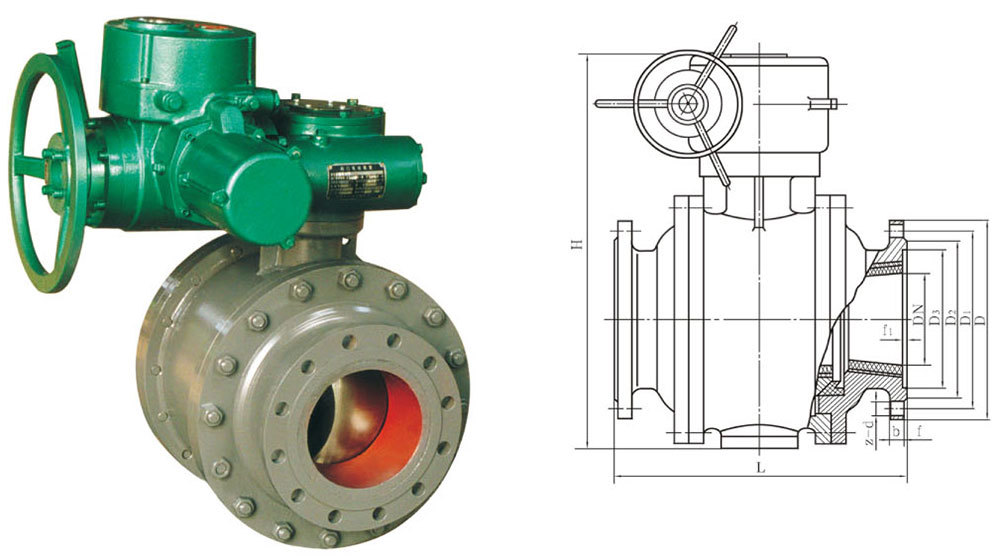
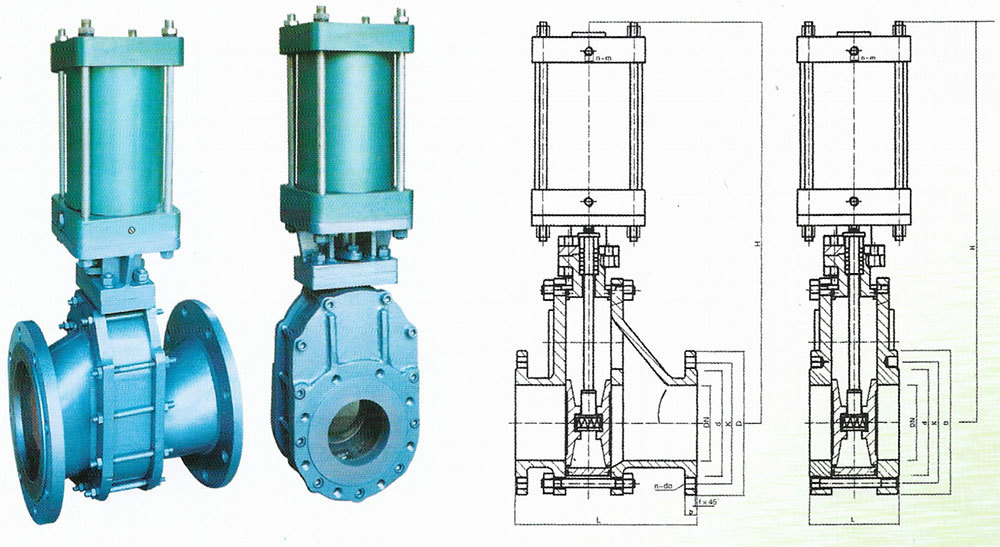
ValveCast basalt ball valves are durable, have a long service life, low fluid resistance, reliable sealing, wear and corrosion resistance, and the sealing surfaces of the ball and valve seat are always isolated from the medium during the fully open and fully closed processes of the valve, so that the medium passing through the valve at high speed will not erode the sealing surface.
-
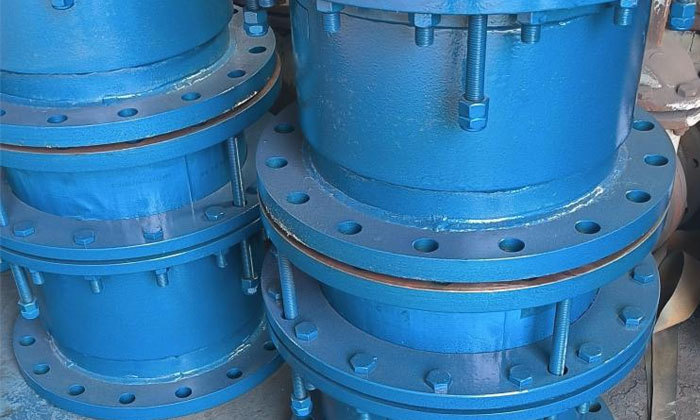
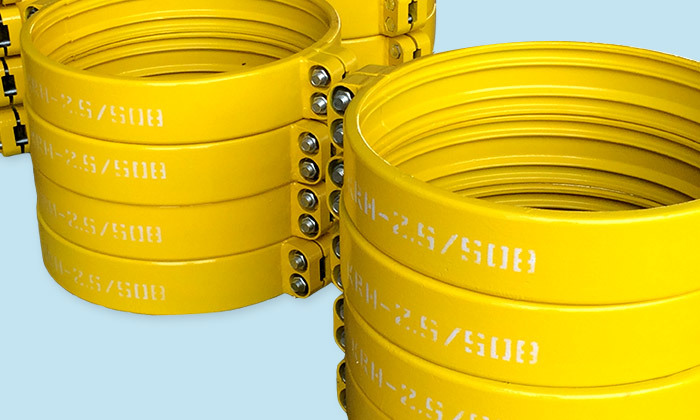
Pipe FittingClamp-type flexible pipe joints are used to connect pipes. KRH and KRJ series rolled clamp-type flexible pipe joints are patented products of our factory. They can effectively compensate for thermal expansion and contraction caused by temperature changes in the pipeline system, and can also compensate for angular changes caused by pipeline foundation settlement. They are high-pressure resistant, easy to install, and have a much better price-performance ratio than flange connections.
-
BLOGSince its establishment in 1986, the company has cumulatively produced: over 1600 kilometers of cast basalt lined steel pipes; over 260000 sets of flexible pipe joints; over 18000 valves of various types. Its products cover all provinces nationwide and are exported to countries such as South Korea, the United States, Serbia, South Africa, Zimbabwe, Japan, India, Vietnam, Russia, Poland, Ukraine, Kazakhstan, and Australia.

Cast Basalt Cylinders vs. Traditional Materials: A Comprehensive Comparative Study
Introduction to Cast Basalt Cylinders and Traditional Materials In the ever-evolving world of industrial equipment and components, the choice of materials can significantly impact the efficiency, durability, and cost-effectiveness of operations. One of the most debated materials in this sector is **cast basalt**, which has gained traction as a viable alternative to traditional materials such as st
Introduction to Cast Basalt Cylinders and Traditional Materials
In the ever-evolving world of industrial equipment and components, the choice of materials can significantly impact the efficiency, durability, and cost-effectiveness of operations. One of the most debated materials in this sector is **cast basalt**, which has gained traction as a viable alternative to traditional materials such as steel, concrete, and plastics. This detailed comparative study aims to shed light on the strengths and weaknesses of cast basalt cylinders versus traditional materials, focusing on various application areas, performance metrics, and cost implications.
Understanding Cast Basalt: Properties and Characteristics
Cast basalt is a unique material known for its exceptional properties. It is derived from natural basalt rock, which is melted and cast into shapes, such as cylinders, to form high-performance components. Below are some of the critical characteristics of cast basalt:
1. Superior Hardness and Wear Resistance
One of the standout features of cast basalt is its extraordinary **hardness**. It typically ranks between **HV 700 to HV 800** on the Vickers hardness scale, making it significantly more durable than many traditional materials. This hardness translates into excellent **wear resistance**, making cast basalt cylinders ideal for high-abrasion applications, such as in the mining and mineral processing industries.
2. Exceptional Thermal Resistance
Cast basalt exhibits impressive thermal stability. With a **temperature resistance** of up to **600°C (1112°F)**, it can withstand extreme conditions without losing its structural integrity. This property makes it particularly useful in applications involving hot materials and processes, where traditional materials might fail.
3. Corrosion and Chemical Resistance
Unlike many metals, cast basalt is inherently resistant to various chemicals, including acids and alkalis. This characteristic extends its lifespan in aggressive environments, reducing the need for frequent replacements and maintenance.
The Drawbacks of Cast Basalt Cylinders
While cast basalt presents numerous advantages, it is essential to acknowledge its limitations.
1. Fragility and Brittleness
Though hard, cast basalt is also **brittle**, which means it can fracture under shock or impact. This characteristic requires careful handling and consideration during installation and operation.
2. Higher Initial Costs
The **initial investment** for cast basalt cylinders may be higher than that of traditional materials. However, the total cost of ownership should consider the long-term savings derived from reduced maintenance and replacement frequencies.
Traditional Materials: An Overview
Traditional materials such as steel, concrete, and plastic have been the mainstay in industrial applications for decades. Below, we delve into the properties and shortcomings of these materials.
1. Steel
Steel is prized for its **strength** and **ductility**. It is widely used in various applications, from structural components to machinery. However, its susceptibility to corrosion can significantly limit its lifespan unless protective coatings are applied.
2. Concrete
Concrete is known for its compressive strength and durability, making it suitable for construction and heavy-duty applications. Nevertheless, it is prone to cracking under tensile stress and may require reinforcement.
3. Plastics
Plastics offer excellent resistance to chemicals and are lightweight, making them suitable for specific applications. However, they can lack the structural integrity and thermal resistance offered by cast basalt and metals.
Comparative Analysis: Key Performance Indicators
To better understand the practical implications of choosing cast basalt cylinders versus traditional materials, we will examine several **key performance indicators**:
1. Durability
Cast basalt outperforms traditional materials in terms of wear and thermal resistance. While steel can corrode and concrete can crack, cast basalt provides a longer-lasting solution with minimal wear.
2. Cost-Effectiveness
While the initial costs of cast basalt cylinders may be higher, their durability can lead to lower overall costs in long-term scenarios. In contrast, traditional materials may require frequent replacements and repairs, potentially offsetting their lower upfront price.
3. Installation and Handling
The **installation and handling requirements** for cast basalt cylinders differ markedly from traditional materials. Cast basalt's brittleness necessitates careful handling, while steel and concrete may allow for more robust installation techniques.
A Practical Example
In a recent study conducted in a mineral processing facility, replacing steel with cast basalt cylinders in a high-abrasion environment resulted in a **35% reduction in maintenance costs** over five years. The initial investment in cast basalt was quickly recuperated through savings on downtime and equipment failure.
Application Scenarios: Where Is Each Material Best Used?
Different applications can benefit from each type of material depending on their unique properties.
1. Mining and Mineral Processing
In mining operations, where wear resistance is critical, **cast basalt cylinders** often outperform traditional materials. Their ability to withstand high abrasion and corrosive environments makes them ideal for this sector.
2. Chemical Processing and Storage
For applications involving aggressive chemicals, cast basalt's superior corrosion resistance makes it an optimal choice. Traditional materials like steel may corrode, leading to safety risks and operational inefficiencies.
3. Construction and Heavy Machinery
While cast basalt has its advantages, traditional materials like concrete and steel remain widely used in construction due to their strength and load-bearing capabilities. In these scenarios, traditional materials may still reign supreme.
Maintenance Considerations: Cast Basalt vs. Traditional Materials
Maintenance is a crucial aspect of industrial operations.
1. Maintenance Needs for Cast Basalt Cylinders
Cast basalt cylinders require minimal maintenance due to their durability. They can often be inspected periodically without the need for extensive upkeep, leading to increased operational efficiency.
2. Traditional Material Maintenance Challenges
Traditional materials such as steel often require regular maintenance, including painting and rust prevention, to sustain their performance. This additional maintenance can lead to increased downtime and operational costs.
Environmental Impact and Sustainability
With growing concerns about sustainability in manufacturing processes, understanding the environmental impact of materials becomes paramount.
1. Environmental Footprint of Cast Basalt
Cast basalt is derived from natural basalt rock, making it a more environmentally friendly option. Its longevity and durability also contribute to lower waste generation over time.
2. Sustainability of Traditional Materials
While steel and concrete are recyclable, their production processes consume significant resources and energy. This aspect raises concerns about their overall sustainability compared to cast basalt.
Conclusion: Making an Informed Choice
In summary, both **cast basalt cylinders** and **traditional materials** have unique strengths and weaknesses that make them suitable for different industrial applications. Cast basalt excels in terms of durability, wear resistance, and thermal stability, making it an attractive option for high-abrasion and corrosive environments. However, its brittleness and higher upfront costs may deter some users.
Traditional materials like steel and concrete continue to serve their purpose effectively in various applications but often come with increased maintenance and susceptibility to wear and corrosion. Ultimately, the choice between cast basalt and traditional materials should be based on specific application needs, long-term operational goals, and cost considerations.
FAQs
1. What is cast basalt used for?
Cast basalt is primarily used in high-abrasion environments, such as mining, mineral processing, and chemical handling.
2. How does cast basalt compare to steel?
Cast basalt offers superior wear resistance and thermal stability compared to steel, but it is more brittle and can be more expensive initially.
3. Can cast basalt withstand high temperatures?
Yes, cast basalt can withstand temperatures up to 600°C (1112°F) without compromising its structural integrity.
4. Is cast basalt environmentally friendly?
Yes, cast basalt has a lower environmental footprint compared to traditional materials, as it is derived from natural rock and has a longer lifespan.
5. What are the maintenance requirements for cast basalt cylinders?
Cast basalt cylinders require minimal maintenance, leading to increased operational efficiency compared to traditional materials.
Previous
Recommended

Cast Basalt Cylinders vs. Traditional Materials: A Comprehensive Comparative Study

Supplier of wear-resistant material solutions, specializing in cast basalt products
Many years of focus on the production and sales of high-quality wear-resistant materials, mainly used in power, metallurgy, mining, coal, building materials, chemical, and other industries.
Leave your contact information to get the latest product discount information

Mobile Website

Contact Us
Phone: +86-535-5632189 / 5666528 / 5637763
Fax: +86-535-5666528 / 5642975
Email: z.minhui@plsczsgdfm.com
Address: No. 6 Zhenxing, Liujiagou Town, Penglai District, Yantai City, Shandong Province


