
-
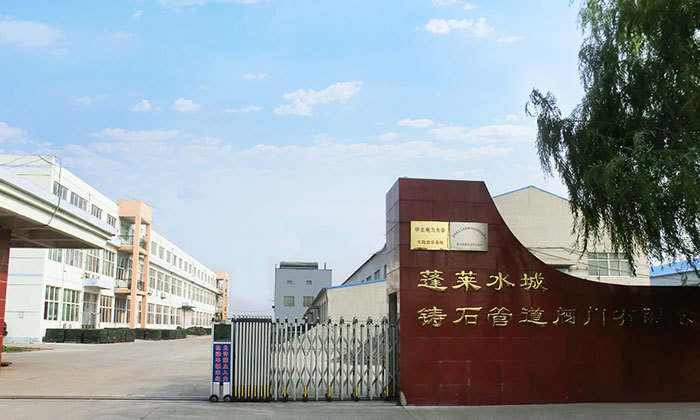
About UsSpecializing in the production and sales of wear-resistant materials such as cast basalt products, the company has obtained over 20 invention patents and utility model patents, and was awarded the "Shandong Star Enterprise of China Patent" title. The company has a history of over 20 years, and currently owns a single basalt cast basalt production line with a production capacity of 15000 tons/year, and mechanical processing equipment with an annual output of 5000 wear-resistant valves and 20000 clamp-type flexible pipe joints.
-
Cast BasaltCast basalt products include cast basalt pipes, cast basalt tiles, cast basalt powder, cast basalt lined steel pipes, etc., mainly used in industries such as electric power, metallurgy, mining, coal, building materials, and chemical.

-
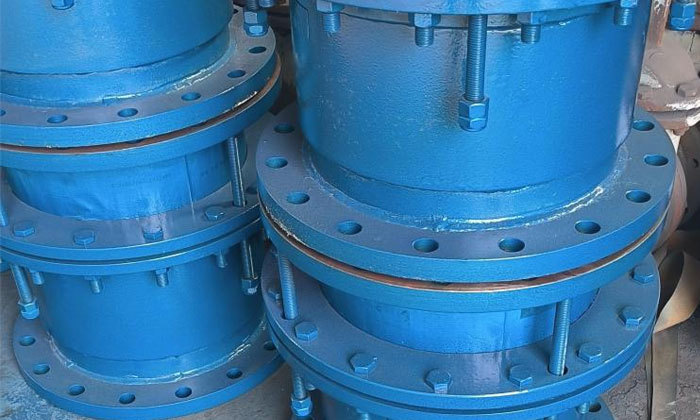
ValveCast basalt ball valves are durable, have a long service life, low fluid resistance, reliable sealing, wear and corrosion resistance, and the sealing surfaces of the ball and valve seat are always isolated from the medium during the fully open and fully closed processes of the valve, so that the medium passing through the valve at high speed will not erode the sealing surface.
-
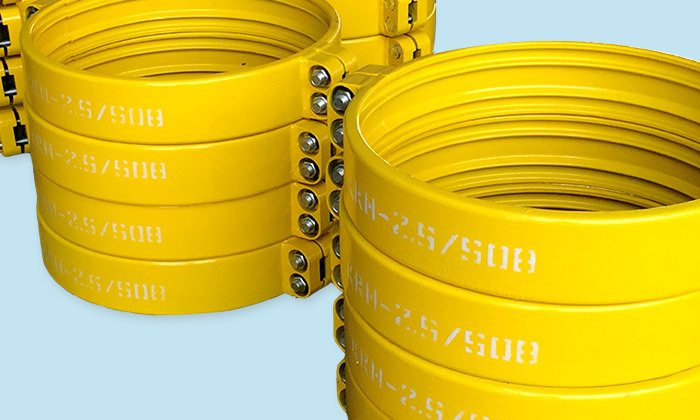
Pipe FittingClamp-type flexible pipe joints are used to connect pipes. KRH and KRJ series rolled clamp-type flexible pipe joints are patented products of our factory. They can effectively compensate for thermal expansion and contraction caused by temperature changes in the pipeline system, and can also compensate for angular changes caused by pipeline foundation settlement. They are high-pressure resistant, easy to install, and have a much better price-performance ratio than flange connections.
-
BLOGSince its establishment in 1986, the company has cumulatively produced: over 1600 kilometers of cast basalt lined steel pipes; over 260000 sets of flexible pipe joints; over 18000 valves of various types. Its products cover all provinces nationwide and are exported to countries such as South Korea, the United States, Serbia, South Africa, Zimbabwe, Japan, India, Vietnam, Russia, Poland, Ukraine, Kazakhstan, and Australia.

Exploring the Manufacturing Process of Wear-Resistant Flow Control Valves
Exploring the Manufacturing Process of Wear-Resistant Flow Control Valves Table of Contents Introduction to Wear-Resistant Flow Control Valves The Importance of Wear-Resistant Flow Control Valves in Industries Material Selection for Optimal Performance The Manufacturing Process of Wear-Resistant Flow Control Valves 1. Casting Techniques 2. Machining Processes 3. H
Exploring the Manufacturing Process of Wear-Resistant Flow Control Valves
Table of Contents
- Introduction to Wear-Resistant Flow Control Valves
- The Importance of Wear-Resistant Flow Control Valves in Industries
- Material Selection for Optimal Performance
- The Manufacturing Process of Wear-Resistant Flow Control Valves
- Quality Assurance Measures in Manufacturing
- Applications of Wear-Resistant Flow Control Valves
- Future Directions in Flow Control Valve Manufacturing
- Conclusion
- Frequently Asked Questions
Introduction to Wear-Resistant Flow Control Valves
Wear-resistant flow control valves play a critical role in various industrial applications, controlling the flow of fluids and gases while ensuring minimal wear and tear. Their design incorporates advanced materials and manufacturing techniques that optimize performance and durability. Understanding the manufacturing process behind these components provides insights into their reliability and effectiveness in real-world applications.
The Importance of Wear-Resistant Flow Control Valves in Industries
In industries such as oil and gas, chemical processing, and water treatment, wear-resistant flow control valves are essential for maintaining efficiency and safety. These valves not only regulate flow but also withstand harsh operating conditions, including high pressure, temperature fluctuations, and abrasive materials. The longevity of these components significantly impacts operational costs and safety, making their reliable manufacturing process paramount.
Material Selection for Optimal Performance
Material selection is the cornerstone of manufacturing wear-resistant flow control valves. The choice of materials directly affects the valve's performance, durability, and resistance to wear. Common materials include:
Stainless Steel
Stainless steel offers excellent corrosion resistance and strength, making it a popular choice for flow control valves in various environments.
Carbon Steel
Carbon steel is known for its strength and toughness, often used in high-pressure applications where durability is essential.
Alloyed Materials
Special alloys, such as those containing chromium or nickel, enhance wear resistance and thermal stability, catering to specific industrial needs.
The Manufacturing Process of Wear-Resistant Flow Control Valves
The manufacturing process of wear-resistant flow control valves involves several key steps, each crucial in ensuring the final product meets stringent performance standards.
1. Casting Techniques
Casting is often the first step in manufacturing wear-resistant flow control valves. This involves pouring molten metal into a mold to create the desired shape. Different casting methods include:
Sand Casting
This traditional method uses sand molds and is suitable for producing complex shapes. It allows for flexibility in design and is cost-effective for small production runs.
Investment Casting
Investment casting offers higher precision and surface finish, ideal for intricate designs. This method involves creating a wax model, coating it in ceramic, and then melting away the wax to leave a mold.
2. Machining Processes
Once the casting is complete, machining processes refine the valve to exact specifications. This step includes:
Turning
Turning involves rotating the valve material against a cutting tool, shaping it into the final design. This process ensures precise dimensions and surface smoothness.
Milling
Milling uses rotary cutters to remove material, creating complex features such as seats and ports within the valve body.
3. Heat Treatment Procedures
Heat treatment enhances the mechanical properties of the valve, improving strength and wear resistance. Common techniques include:
Quenching
This rapid cooling process hardens the valve material, increasing its strength and stiffness.
Tempering
Tempering is applied after quenching to relieve stresses and achieve a balance between hardness and ductility, essential for preventing failure during operation.
4. Finishing Techniques
The final step in the manufacturing process is finishing, which prepares the valve for service. Techniques include:
Surface Treatment
Surface treatments such as coating or plating enhance corrosion resistance and improve wear characteristics.
Assembly
Once finished, the valve components are assembled, ensuring tight tolerances and proper function.
Quality Assurance Measures in Manufacturing
Quality assurance is critical throughout the manufacturing process of wear-resistant flow control valves. Rigorous testing and inspection ensure that each valve meets industry standards. Key measures include:
Material Testing
Before production, all raw materials undergo testing for composition and mechanical properties to ensure they meet specified requirements.
Dimensional Inspection
During and after machining, dimensional checks are conducted using precision tools to verify that each component adheres to design specifications.
Performance Testing
Final products are subject to performance tests under simulated operating conditions to assess functionality, including flow rates and pressure tolerances.
Applications of Wear-Resistant Flow Control Valves
Wear-resistant flow control valves find applications across various industries, demonstrating their versatility and reliability. Significant applications include:
Oil and Gas Industry
In oil and gas, these valves regulate the flow of crude oil, natural gas, and other fluids, withstanding high pressures and temperatures.
Chemical Processing
Chemical plants utilize wear-resistant valves to control corrosive and abrasive substances, ensuring safety and efficiency in production.
Water Treatment Facilities
In water treatment, flow control valves manage the flow of water through different treatment stages, contributing to safe and clean water supply systems.
Future Directions in Flow Control Valve Manufacturing
As industries evolve, so does the need for advanced wear-resistant flow control valves. Future directions include:
Smart Technology Integration
Incorporating IoT technology into flow control valves allows for real-time monitoring and automated control, enhancing efficiency and reliability.
Advanced Materials Development
Research into new alloys and composites promises even greater wear resistance and performance, catering to increasingly demanding applications.
Conclusion
The manufacturing process of wear-resistant flow control valves is a complex and meticulous journey that combines advanced materials, innovative techniques, and stringent quality control. As industries continue to innovate and face new challenges, the importance of these valves in ensuring operational efficiency and safety cannot be overstated. Understanding their manufacturing process not only highlights the engineering prowess involved but also underscores their critical role in modern industrial applications.
Frequently Asked Questions
1. What are wear-resistant flow control valves?
Wear-resistant flow control valves are components designed to regulate the flow of fluids or gases while minimizing wear and tear in harsh operating conditions.
2. Why is material selection crucial in manufacturing these valves?
Material selection affects the valve's durability, corrosion resistance, and overall performance, making it essential for ensuring reliability in demanding environments.
3. What manufacturing processes are used to create wear-resistant flow control valves?
Key processes include casting, machining, heat treatment, and finishing, each contributing to the final product's precision and performance.
4. How is quality assurance implemented in the manufacturing process?
Quality assurance involves material testing, dimensional inspections, and performance testing to ensure compliance with industry standards.
5. What industries commonly use wear-resistant flow control valves?
These valves are widely used in the oil and gas, chemical processing, and water treatment industries, among others, due to their reliability and performance.
Recommended

Exploring the Manufacturing Process of Wear-Resistant Flow Control Valves


Supplier of wear-resistant material solutions, specializing in cast basalt products
Many years of focus on the production and sales of high-quality wear-resistant materials, mainly used in power, metallurgy, mining, coal, building materials, chemical, and other industries.
Leave your contact information to get the latest product discount information

Mobile Website

Contact Us
Phone: +86-535-5632189 / 5666528 / 5637763
Fax: +86-535-5666528 / 5642975
Email: z.minhui@plsczsgdfm.com
Address: No. 6 Zhenxing, Liujiagou Town, Penglai District, Yantai City, Shandong Province


