-
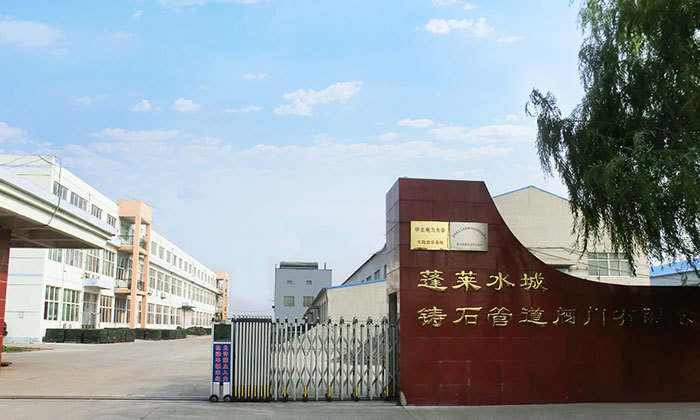
About UsSpecializing in the production and sales of wear-resistant materials such as cast basalt products, the company has obtained over 20 invention patents and utility model patents, and was awarded the "Shandong Star Enterprise of China Patent" title. The company has a history of over 20 years, and currently owns a single basalt cast basalt production line with a production capacity of 15000 tons/year, and mechanical processing equipment with an annual output of 5000 wear-resistant valves and 20000 clamp-type flexible pipe joints.
-
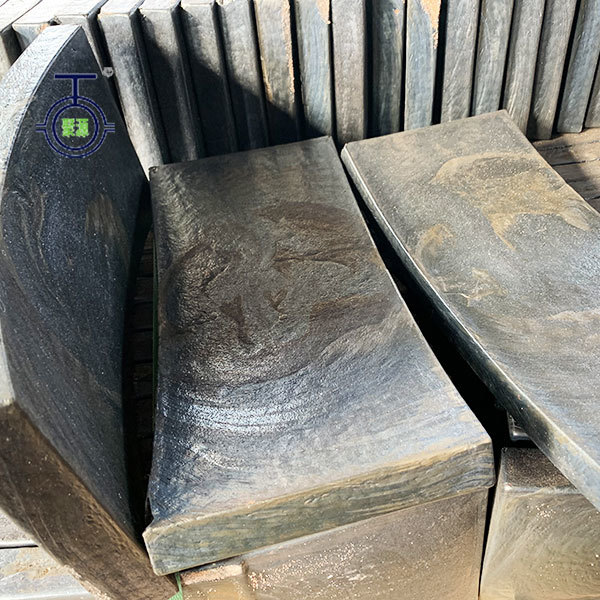
Cast BasaltCast basalt products include cast basalt pipes, cast basalt tiles, cast basalt powder, cast basalt lined steel pipes, etc., mainly used in industries such as electric power, metallurgy, mining, coal, building materials, and chemical.

-
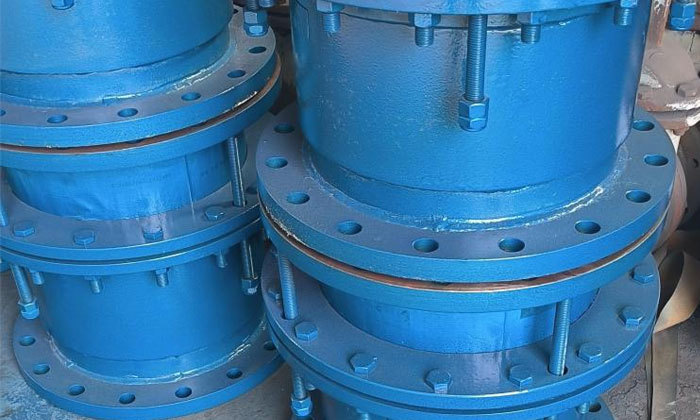
ValveCast basalt ball valves are durable, have a long service life, low fluid resistance, reliable sealing, wear and corrosion resistance, and the sealing surfaces of the ball and valve seat are always isolated from the medium during the fully open and fully closed processes of the valve, so that the medium passing through the valve at high speed will not erode the sealing surface.
-
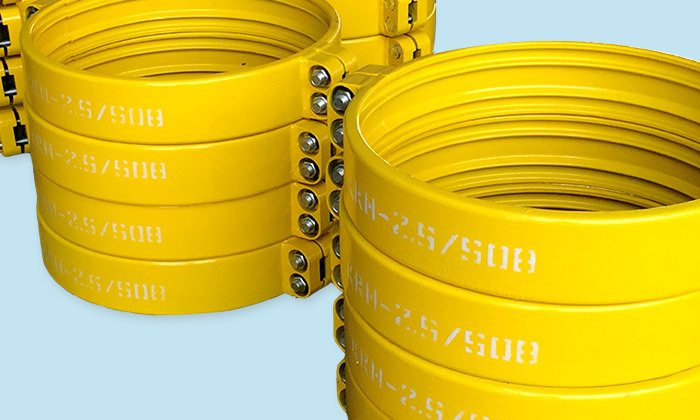
Pipe FittingClamp-type flexible pipe joints are used to connect pipes. KRH and KRJ series rolled clamp-type flexible pipe joints are patented products of our factory. They can effectively compensate for thermal expansion and contraction caused by temperature changes in the pipeline system, and can also compensate for angular changes caused by pipeline foundation settlement. They are high-pressure resistant, easy to install, and have a much better price-performance ratio than flange connections.
-
BLOGSince its establishment in 1986, the company has cumulatively produced: over 1600 kilometers of cast basalt lined steel pipes; over 260000 sets of flexible pipe joints; over 18000 valves of various types. Its products cover all provinces nationwide and are exported to countries such as South Korea, the United States, Serbia, South Africa, Zimbabwe, Japan, India, Vietnam, Russia, Poland, Ukraine, Kazakhstan, and Australia.

Understanding the Importance of Non-Return Valves in Ash Pipeline Systems
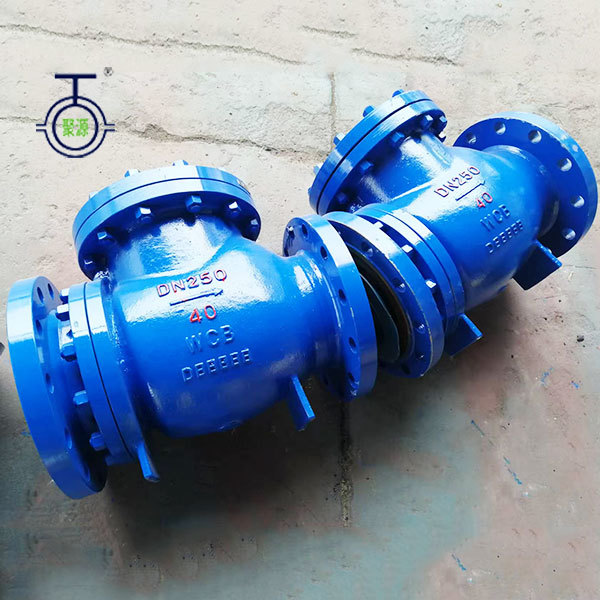
In industrial settings, especially those involving casting and heat treatment processes, the management of ash and particulate matter is essential. One of the key components that facilitate effective ash handling in pipelines is the non-return valve. This device plays a significant role in preventing backflow, ensuring that ash flows smoothly through the pipeline without obstruction. A non-return
A non-return valve, also known as a check valve, is designed to allow fluid (in this case, ash) to flow in one direction while preventing reverse flow. This functionality is crucial in ash pipeline systems, where the flow direction must be maintained to avoid blockages and ensure efficient operation. When ash is transported through pipelines, the pressure changes can sometimes cause backflow, leading to potential system failures. By installing a non-return valve, companies can mitigate these risks, thus enhancing the reliability and longevity of their ash handling systems.
The applications of non-return valves in ash pipeline systems are varied. They are commonly used in power generation facilities, waste management plants, and other industrial processes where ash accumulation is a concern. In these environments, non-return valves help maintain a consistent flow of ash to disposal areas or processing units, reducing the risk of clogs and minimizing downtime. Furthermore, they contribute to the overall efficiency of the system by ensuring that the ash is directed where it is needed without unnecessary backflow.
Maintenance of non-return valves is paramount to ensure they operate effectively. Regular inspection is necessary to check for wear and tear, as any malfunction could lead to backflow, resulting in potential blockages and operational delays. It is advisable to develop a maintenance schedule that includes cleaning the valves and checking for any signs of damage or corrosion. By ensuring these valves are in good condition, companies can avoid costly repairs and maintain the seamless operation of their ash pipeline systems.
In conclusion, non-return valves are essential components in ash pipeline systems within the industrial sector. Their ability to prevent backflow not only enhances the efficiency of ash transport but also reduces maintenance issues and operational risks. Investing in high-quality non-return valves and establishing a robust maintenance routine can significantly impact the performance of ash handling systems, ultimately contributing to more efficient industrial operations. For anyone involved in industrial equipment and components, understanding the importance of these valves can lead to better decision-making and improved operational outcomes.
Recommended

How Wear-Resistant Flow Control Valves Reduce Downtime in Production

Supplier of wear-resistant material solutions, specializing in cast basalt products
Many years of focus on the production and sales of high-quality wear-resistant materials, mainly used in power, metallurgy, mining, coal, building materials, chemical, and other industries.
Leave your contact information to get the latest product discount information