
-
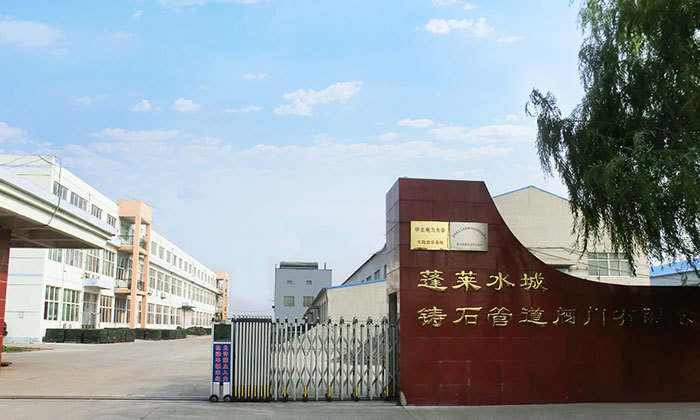
About UsSpecializing in the production and sales of wear-resistant materials such as cast basalt products, the company has obtained over 20 invention patents and utility model patents, and was awarded the "Shandong Star Enterprise of China Patent" title. The company has a history of over 20 years, and currently owns a single basalt cast basalt production line with a production capacity of 15000 tons/year, and mechanical processing equipment with an annual output of 5000 wear-resistant valves and 20000 clamp-type flexible pipe joints.
-
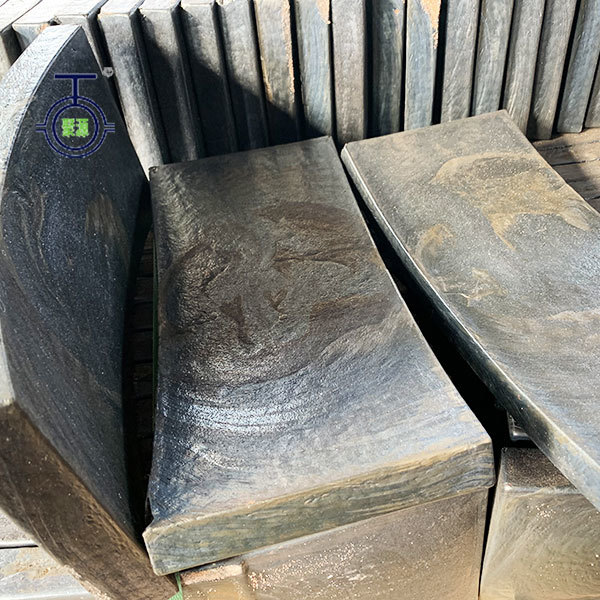
Cast BasaltCast basalt products include cast basalt pipes, cast basalt tiles, cast basalt powder, cast basalt lined steel pipes, etc., mainly used in industries such as electric power, metallurgy, mining, coal, building materials, and chemical.

-
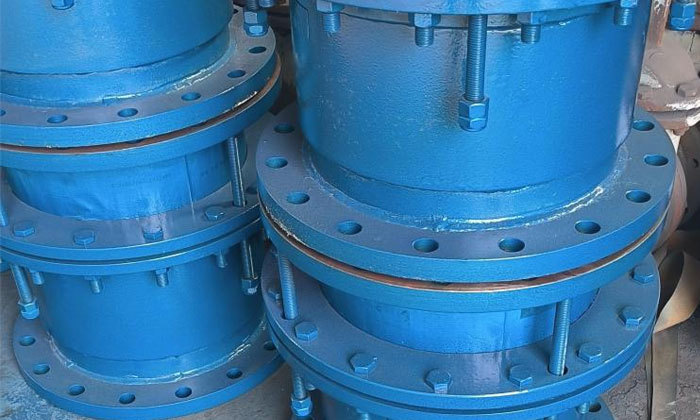
ValveCast basalt ball valves are durable, have a long service life, low fluid resistance, reliable sealing, wear and corrosion resistance, and the sealing surfaces of the ball and valve seat are always isolated from the medium during the fully open and fully closed processes of the valve, so that the medium passing through the valve at high speed will not erode the sealing surface.
-
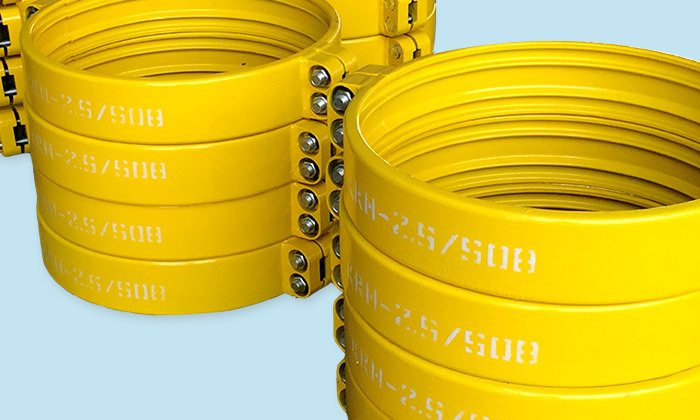
Pipe FittingClamp-type flexible pipe joints are used to connect pipes. KRH and KRJ series rolled clamp-type flexible pipe joints are patented products of our factory. They can effectively compensate for thermal expansion and contraction caused by temperature changes in the pipeline system, and can also compensate for angular changes caused by pipeline foundation settlement. They are high-pressure resistant, easy to install, and have a much better price-performance ratio than flange connections.
-
BLOGSince its establishment in 1986, the company has cumulatively produced: over 1600 kilometers of cast basalt lined steel pipes; over 260000 sets of flexible pipe joints; over 18000 valves of various types. Its products cover all provinces nationwide and are exported to countries such as South Korea, the United States, Serbia, South Africa, Zimbabwe, Japan, India, Vietnam, Russia, Poland, Ukraine, Kazakhstan, and Australia.

The Impact of Wear-Resistant Flow Control Valves on Energy Efficiency
The Impact of Wear-Resistant Flow Control Valves on Energy Efficiency Introduction In today's industrial landscape, maximizing energy efficiency is not just a goal; it is a necessity. With rising energy costs and increased environmental regulations, industries are continuously seeking innovative solutions to enhance operational performance. One such solution is the adoption of **wear-resistant flo
The Impact of Wear-Resistant Flow Control Valves on Energy Efficiency
Introduction
In today's industrial landscape, maximizing energy efficiency is not just a goal; it is a necessity. With rising energy costs and increased environmental regulations, industries are continuously seeking innovative solutions to enhance operational performance. One such solution is the adoption of **wear-resistant flow control valves**. These valves not only improve the longevity of equipment but also significantly contribute to energy efficiency across various applications. This article delves into the intricate relationship between wear-resistant flow control valves and energy efficiency, exploring their benefits, applications, and the technology driving these advancements.
Understanding Flow Control Valves
Flow control valves are essential components in various industrial systems, managing the flow of fluids by opening, closing, or partially obstructing passageways. Their primary objective is to regulate fluid flow, ensuring optimal performance of equipment and machinery.
What Are Wear-Resistant Flow Control Valves?
Wear-resistant flow control valves are specifically designed to withstand abrasive conditions and materials, extending their service life and reducing maintenance requirements. Constructed from advanced materials and coatings, these valves can endure harsh environments, making them ideal for industries such as mining, petrochemical, and water treatment.
The Role of Wear-Resistance in Industrial Applications
The wear resistance of these valves is crucial in applications where corrosive or abrasive materials are in constant contact. For instance, in the **mining industry**, flow control valves often handle slurries containing solid particles that can erode traditional valve materials. By utilizing wear-resistant technologies, industries can minimize downtime, enhance safety, and reduce the overall costs associated with frequent replacements.
Linking Energy Efficiency to Wear-Resistant Valves
The energy efficiency of industrial systems is closely linked to the performance of flow control valves. When these valves operate effectively, they contribute to significant energy savings. Here’s how:
Reduced Friction and Pressure Loss
One of the primary benefits of wear-resistant flow control valves is their ability to minimize friction and pressure loss in fluid systems. High-quality materials and engineering reduce the energy required to maintain desired flow rates, thus conserving energy.
Enhanced System Performance
Wear-resistant valves maintain optimal flow conditions, which is vital for achieving peak performance in various industrial processes. By preventing flow disruptions and ensuring a consistent flow rate, these valves help systems operate more efficiently, leading to reduced energy consumption.
Longevity and Maintenance Savings
Investing in wear-resistant flow control valves results in lower maintenance and replacement costs over time. Fewer repairs and replacements mean less energy is consumed in manufacturing and transporting new parts, contributing to a more sustainable operation overall.
Applications of Wear-Resistant Flow Control Valves
Wear-resistant flow control valves are widely used across various industries where fluid flow management is critical.
Mining and Mineral Processing
In mining operations, these valves handle slurries filled with abrasive materials. Their wear-resistant properties ensure long-lasting performance, reducing the risk of system failures and minimizing operational costs.
Petrochemical Industry
The petrochemical sector often involves corrosive substances that can wear down traditional valves quickly. Wear-resistant flow control valves provide the durability needed to maintain efficiency and safety in chemical processing.
Water Treatment Facilities
Water treatment plants rely on these valves for effective flow management. By utilizing wear-resistant technology, facilities can ensure a consistent supply of clean water while minimizing energy usage and operational costs.
Technological Advancements in Wear-Resistant Valves
The development of wear-resistant flow control valves has been propelled by advancements in materials science and engineering.
Advanced Coatings and Materials
Today's wear-resistant valves are often constructed from high-performance alloys and coated with specialized materials that enhance their durability. These innovations allow for better performance in extreme conditions, providing industries with a reliable solution for flow control.
Smart Valve Technology
Integrating smart technology into flow control valves offers even more potential for energy savings. Smart valves can monitor flow rates and pressure conditions in real-time, allowing for automated adjustments that optimize performance and energy efficiency.
Benefits of Implementing Wear-Resistant Flow Control Valves
Adopting wear-resistant flow control valves presents numerous advantages for industries aiming to enhance energy efficiency.
Cost Reductions
By minimizing maintenance and replacement costs, wear-resistant valves lead to significant long-term savings. These reductions contribute to an overall lower total cost of ownership for industrial systems.
Improved Safety and Reliability
Durable flow control valves reduce the likelihood of failures that can lead to hazardous situations. Enhanced safety and reliability are vital for maintaining operational continuity and protecting personnel.
Environmental Benefits
Using energy-efficient systems translates to a reduced carbon footprint. By adopting wear-resistant valves, industries can contribute to environmental sustainability while optimizing their processes.
Challenges in Implementing Wear-Resistant Flow Control Valves
While the benefits are clear, there are challenges to consider when implementing wear-resistant flow control valves in industrial settings.
Initial Investment Costs
The upfront costs of wear-resistant valves can be higher than traditional options. However, businesses must evaluate the long-term savings against initial expenses to understand the total value.
Integration into Existing Systems
Integrating new technologies into existing systems can be complex. Companies may need to invest in additional training and resources to ensure proper installation and operation.
FAQs About Wear-Resistant Flow Control Valves
1. What materials are used in wear-resistant flow control valves?
Wear-resistant flow control valves are typically made from high-performance alloys, ceramics, or coated with specialized materials designed to withstand abrasive conditions.
2. How do wear-resistant valves improve energy efficiency?
They reduce friction and pressure loss in fluid systems, ensuring optimal flow conditions that lead to lower energy consumption.
3. Are wear-resistant flow control valves suitable for all industrial applications?
While they are beneficial in many sectors, the specific application and conditions should be evaluated to determine suitability.
4. What are the maintenance requirements for wear-resistant valves?
Although they are designed for durability, regular inspections and monitoring are recommended to ensure optimal performance.
5. Can wear-resistant valves be retrofitted into existing systems?
Yes, wear-resistant flow control valves can often be integrated into existing systems, though careful planning is required for proper installation.
Conclusion
Wear-resistant flow control valves play a pivotal role in enhancing energy efficiency across various industrial applications. By reducing friction, minimizing maintenance costs, and ensuring system reliability, these valves contribute to sustainable manufacturing practices. As industries continue to seek innovative solutions for energy conservation, the adoption of advanced wear-resistant technologies will be crucial for achieving operational excellence and environmental responsibility. Investing in these valves not only yields immediate benefits but also positions companies for a more sustainable future.
Recommended

Understanding Non-Return Valves for Ash Pipelines: Essential Insights for Industrial Applications

Supplier of wear-resistant material solutions, specializing in cast basalt products
Many years of focus on the production and sales of high-quality wear-resistant materials, mainly used in power, metallurgy, mining, coal, building materials, chemical, and other industries.
Leave your contact information to get the latest product discount information

Mobile Website

Contact Us
Phone: +86-535-5632189 / 5666528 / 5637763
Fax: +86-535-5666528 / 5642975
Email: z.minhui@plsczsgdfm.com
Address: No. 6 Zhenxing, Liujiagou Town, Penglai District, Yantai City, Shandong Province


