
-
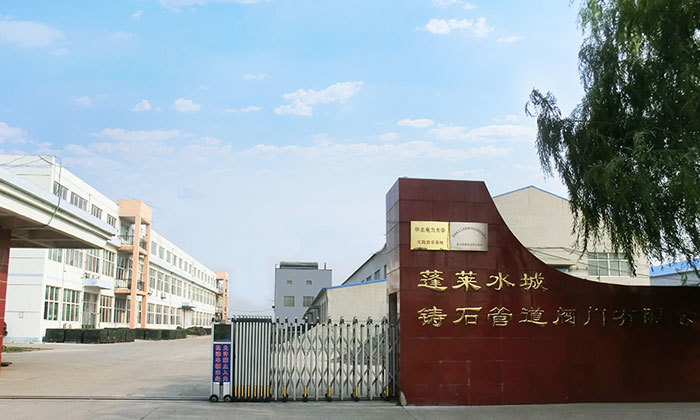
About UsSpecializing in the production and sales of wear-resistant materials such as cast basalt products, the company has obtained over 20 invention patents and utility model patents, and was awarded the "Shandong Star Enterprise of China Patent" title. The company has a history of over 20 years, and currently owns a single basalt cast basalt production line with a production capacity of 15000 tons/year, and mechanical processing equipment with an annual output of 5000 wear-resistant valves and 20000 clamp-type flexible pipe joints.
-
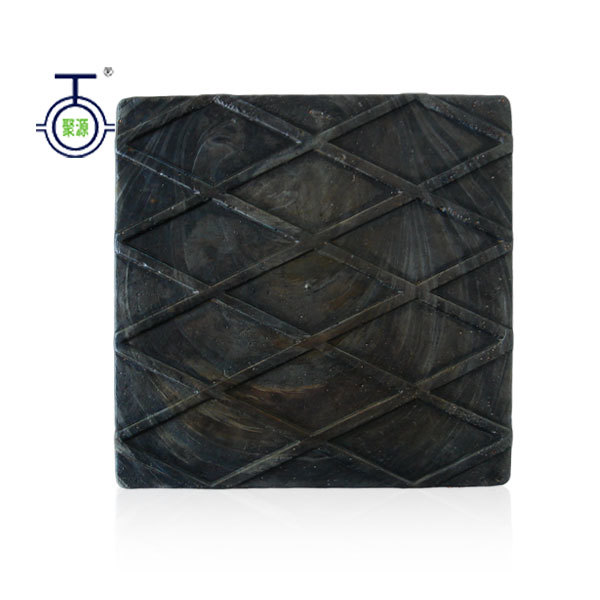
Cast BasaltCast basalt products include cast basalt pipes, cast basalt tiles, cast basalt powder, cast basalt lined steel pipes, etc., mainly used in industries such as electric power, metallurgy, mining, coal, building materials, and chemical.

-
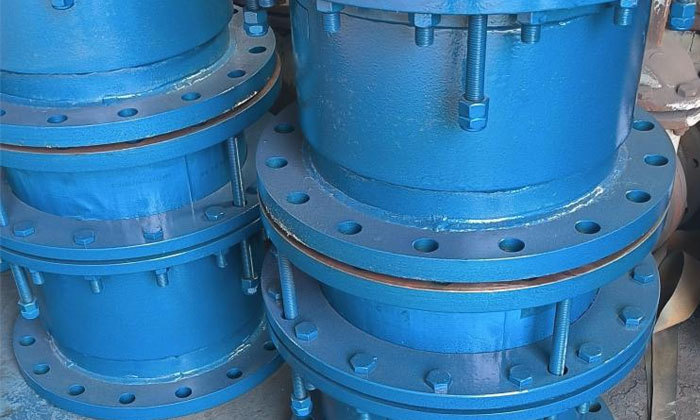
ValveCast basalt ball valves are durable, have a long service life, low fluid resistance, reliable sealing, wear and corrosion resistance, and the sealing surfaces of the ball and valve seat are always isolated from the medium during the fully open and fully closed processes of the valve, so that the medium passing through the valve at high speed will not erode the sealing surface.
-
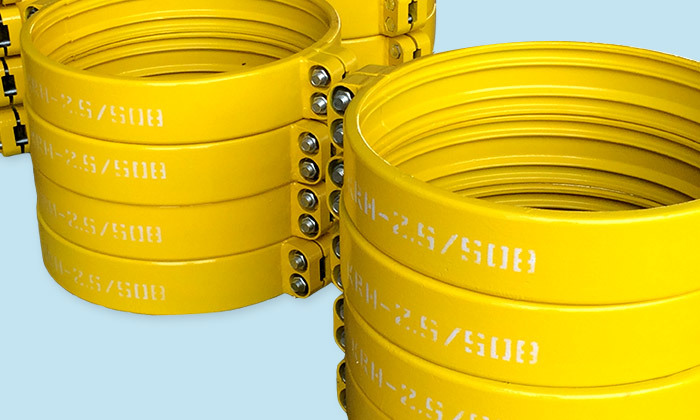
Pipe FittingClamp-type flexible pipe joints are used to connect pipes. KRH and KRJ series rolled clamp-type flexible pipe joints are patented products of our factory. They can effectively compensate for thermal expansion and contraction caused by temperature changes in the pipeline system, and can also compensate for angular changes caused by pipeline foundation settlement. They are high-pressure resistant, easy to install, and have a much better price-performance ratio than flange connections.
-
BLOGSince its establishment in 1986, the company has cumulatively produced: over 1600 kilometers of cast basalt lined steel pipes; over 260000 sets of flexible pipe joints; over 18000 valves of various types. Its products cover all provinces nationwide and are exported to countries such as South Korea, the United States, Serbia, South Africa, Zimbabwe, Japan, India, Vietnam, Russia, Poland, Ukraine, Kazakhstan, and Australia.

Enhancing Safety in Industrial Applications with Wear-Resistant Flow Control Valves
Enhancing Safety in Industrial Applications with Wear-Resistant Flow Control Valves Table of Contents 1. Introduction to Flow Control Valves 2. The Importance of Safety in Industrial Equipment 3. What Are Wear-Resistant Flow Control Valves? 4. Benefits of Wear-Resistant Flow Control Valves 5. Applications of Wear-Resistant Flow Control Valves in Industries 6.
Enhancing Safety in Industrial Applications with Wear-Resistant Flow Control Valves
Table of Contents
- 1. Introduction to Flow Control Valves
- 2. The Importance of Safety in Industrial Equipment
- 3. What Are Wear-Resistant Flow Control Valves?
- 4. Benefits of Wear-Resistant Flow Control Valves
- 5. Applications of Wear-Resistant Flow Control Valves in Industries
- 6. How to Select the Right Wear-Resistant Flow Control Valve
- 7. Maintenance Tips for Flow Control Valves
- 8. The Future of Flow Control Valves in Industrial Applications
- 9. Frequently Asked Questions
- 10. Conclusion
1. Introduction to Flow Control Valves
Flow control valves are essential components in various industrial applications, responsible for regulating the flow and pressure of liquids and gases. Their role is crucial in maintaining operational efficiency, ensuring system reliability, and, most importantly, enhancing safety.
In industries where harsh conditions prevail, the need for robust and reliable components becomes paramount. This is where **wear-resistant flow control valves** come into play, offering exceptional durability against wear and tear.
2. The Importance of Safety in Industrial Equipment
Safety in industrial environments cannot be overstated. With equipment operating under high pressure, temperature, and abrasive conditions, the potential for accidents increases significantly. Ensuring that every component, particularly flow control valves, is designed for safety can mitigate risks, protect workers, and prevent costly downtime.
The implementation of wear-resistant materials in flow control valves significantly enhances safety by reducing the likelihood of failures. This proactive approach to safety leads to a more controlled environment, thus bolstering confidence among operators and stakeholders.
3. What Are Wear-Resistant Flow Control Valves?
Wear-resistant flow control valves are specifically engineered to withstand abrasive conditions that can lead to deterioration over time. These valves are often constructed from advanced materials, such as hardened alloys, ceramics, or specialized coatings, which provide superior resistance to wear and corrosion.
The design of these valves ensures that they can maintain their performance even in extreme conditions, thereby enhancing the overall reliability of the industrial systems they serve.
4. Benefits of Wear-Resistant Flow Control Valves
**Enhanced Durability**
Wear-resistant flow control valves are built to last. The specialized materials used in their construction enable them to endure harsh conditions that would typically lead to early failure in standard valves.
**Improved Safety**
By minimizing the risk of valve failure, these flow control valves significantly enhance operational safety. This is crucial in preventing leaks, spills, or catastrophic failures that could endanger personnel or the surrounding environment.
**Cost Efficiency**
While the initial investment in wear-resistant flow control valves may be higher, the long-term savings in maintenance, repairs, and downtime make them a cost-effective choice for industrial applications. Their durability translates into reduced replacement frequency and lower total cost of ownership.
**Reliable Performance**
These valves maintain consistent performance levels, ensuring that flow rates and pressure are accurately regulated even under demanding conditions. This reliability is essential for maintaining process integrity across various applications.
5. Applications of Wear-Resistant Flow Control Valves in Industries
**Manufacturing**
In manufacturing settings, wear-resistant flow control valves are crucial for managing the flow of raw materials, chemicals, and water in production processes. Their ability to handle abrasive materials makes them ideal for industries such as mining, metalworking, and chemical processing.
**Petrochemical**
The petrochemical industry often deals with corrosive and abrasive substances. Wear-resistant flow control valves play a vital role in managing flow in refineries and chemical plants, ensuring that processes remain safe and efficient.
**Water Treatment**
In water treatment facilities, these valves are used to control the flow of chemicals and water, ensuring that treatment processes operate smoothly while reducing the risk of failure that could lead to contamination.
**Pharmaceutical**
In the pharmaceutical industry, maintaining the integrity of fluids is critical. Wear-resistant flow control valves help ensure that production lines run without contamination, maintaining safety and compliance with regulatory standards.
6. How to Select the Right Wear-Resistant Flow Control Valve
Selecting the right wear-resistant flow control valve involves several critical factors:
**1. Material Selection**
Consider the type of material being processed and the conditions it will be exposed to. Different materials offer varying levels of wear resistance, so it’s essential to choose one that suits your specific application.
**2. Valve Type**
Different types of flow control valves—such as globe valves, ball valves, or butterfly valves—offer unique benefits. Understanding the flow characteristics and application requirements will help in making the right choice.
**3. Size and Specifications**
Ensure that the valve chosen is appropriately sized for the application. The valve's specifications, including pressure ratings and temperature limits, should align with the operational requirements.
**4. Manufacturer Reputation**
Choose valves from reputable manufacturers known for quality and reliability. Researching customer reviews and industry feedback can help in making an informed decision.
7. Maintenance Tips for Flow Control Valves
Maintaining wear-resistant flow control valves is crucial for their longevity and performance. Here are some best practices:
**Regular Inspections**
Conduct routine inspections to identify any signs of wear or damage. Early detection can prevent unexpected failures.
**Cleaning**
Keep the valves clean and free from debris. Contaminants can impact performance and lead to premature wear.
**Lubrication**
Ensure that moving parts are adequately lubricated to reduce friction and wear. Follow the manufacturer's guidelines for the appropriate lubricant.
**Monitoring Performance**
Keep track of the valve's performance metrics. Any deviations from normal operating conditions may indicate underlying issues that require attention.
8. The Future of Flow Control Valves in Industrial Applications
As industries continue to evolve, the demand for more robust and reliable equipment will only increase. The future of wear-resistant flow control valves looks promising, with advancements in materials science leading to even more durable options.
Emerging technologies, such as smart valves equipped with sensors, will enhance monitoring and control, providing real-time data to optimize performance and safety. This integration of technology will further empower industries to maintain safe and efficient operations.
9. Frequently Asked Questions
**Q1: What is a flow control valve?**
A flow control valve regulates the flow and pressure of fluids in a system, ensuring proper operation.
**Q2: Why are wear-resistant materials important for flow control valves?**
Wear-resistant materials extend the lifespan of valves by minimizing wear and damage from abrasive substances.
**Q3: How do I know if I need a wear-resistant flow control valve?**
If your application involves harsh conditions, abrasive materials, or high-pressure systems, a wear-resistant valve is advisable.
**Q4: What maintenance is required for flow control valves?**
Regular inspections, cleaning, lubrication, and performance monitoring are key maintenance practices.
**Q5: Are all flow control valves the same?**
No, flow control valves differ in type, material, design, and application suitability. It’s essential to choose one that fits your specific needs.
10. Conclusion
In conclusion, wear-resistant flow control valves play a pivotal role in enhancing safety across various industrial applications. Their robust design and durability help mitigate risks associated with valve failures, ensuring smoother operations and increased safety for workers and equipment. By understanding their benefits and selecting the right valves for specific applications, industries can significantly improve their safety standards and operational efficiency. As technology continues to advance, the evolution of flow control valves will undoubtedly enhance their capabilities, making them indispensable components of modern industrial systems.
Previous
Recommended

Enhancing Safety in Industrial Applications with Wear-Resistant Flow Control Valves

Supplier of wear-resistant material solutions, specializing in cast basalt products
Many years of focus on the production and sales of high-quality wear-resistant materials, mainly used in power, metallurgy, mining, coal, building materials, chemical, and other industries.
Leave your contact information to get the latest product discount information

Mobile Website

Contact Us
Phone: +86-535-5632189 / 5666528 / 5637763
Fax: +86-535-5666528 / 5642975
Email: z.minhui@plsczsgdfm.com
Address: No. 6 Zhenxing, Liujiagou Town, Penglai District, Yantai City, Shandong Province


