
-
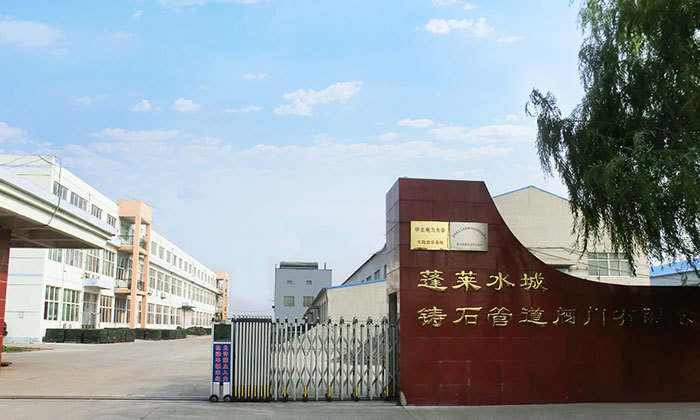
About UsSpecializing in the production and sales of wear-resistant materials such as cast basalt products, the company has obtained over 20 invention patents and utility model patents, and was awarded the "Shandong Star Enterprise of China Patent" title. The company has a history of over 20 years, and currently owns a single basalt cast basalt production line with a production capacity of 15000 tons/year, and mechanical processing equipment with an annual output of 5000 wear-resistant valves and 20000 clamp-type flexible pipe joints.
-
Cast BasaltCast basalt products include cast basalt pipes, cast basalt tiles, cast basalt powder, cast basalt lined steel pipes, etc., mainly used in industries such as electric power, metallurgy, mining, coal, building materials, and chemical.

-
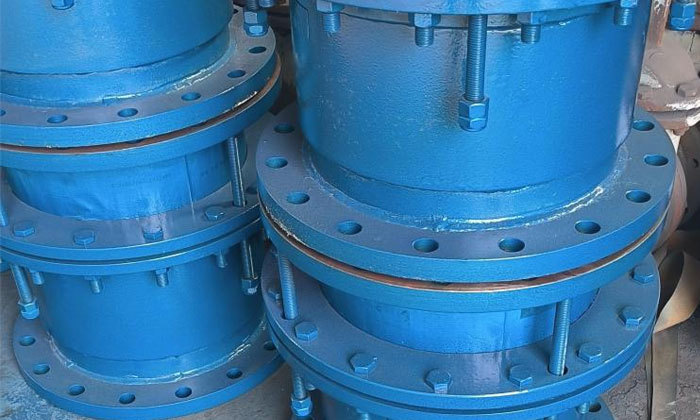
ValveCast basalt ball valves are durable, have a long service life, low fluid resistance, reliable sealing, wear and corrosion resistance, and the sealing surfaces of the ball and valve seat are always isolated from the medium during the fully open and fully closed processes of the valve, so that the medium passing through the valve at high speed will not erode the sealing surface.
-
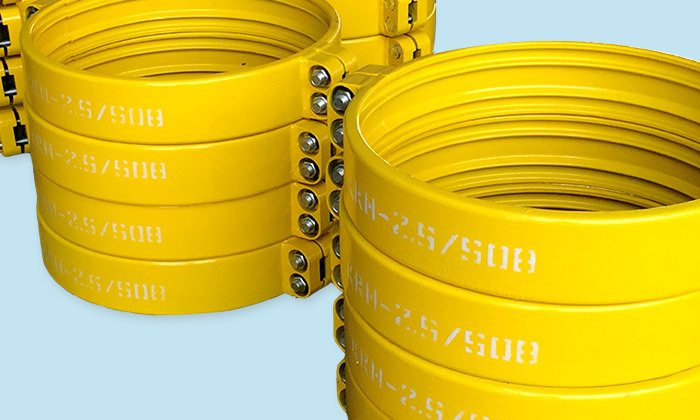
Pipe FittingClamp-type flexible pipe joints are used to connect pipes. KRH and KRJ series rolled clamp-type flexible pipe joints are patented products of our factory. They can effectively compensate for thermal expansion and contraction caused by temperature changes in the pipeline system, and can also compensate for angular changes caused by pipeline foundation settlement. They are high-pressure resistant, easy to install, and have a much better price-performance ratio than flange connections.
-
BLOGSince its establishment in 1986, the company has cumulatively produced: over 1600 kilometers of cast basalt lined steel pipes; over 260000 sets of flexible pipe joints; over 18000 valves of various types. Its products cover all provinces nationwide and are exported to countries such as South Korea, the United States, Serbia, South Africa, Zimbabwe, Japan, India, Vietnam, Russia, Poland, Ukraine, Kazakhstan, and Australia.

Why Corrosion-Proof Cast Basalt Tile is the Future of Industrial Flooring
Why Corrosion-Proof Cast Basalt Tile is the Future of Industrial Flooring Table of Contents 1. Introduction to Cast Basalt Tile 2. What is Cast Basalt? 3. Benefits of Corrosion-Proof Cast Basalt Tile 3.1 Exceptional Durability 3.2 Chemical Resistance 3.3 Cost-Effectiveness 3.4 Eco-Friendliness 4. Applications o
Why Corrosion-Proof Cast Basalt Tile is the Future of Industrial Flooring
Table of Contents
- 1. Introduction to Cast Basalt Tile
- 2. What is Cast Basalt?
- 3. Benefits of Corrosion-Proof Cast Basalt Tile
- 4. Applications of Cast Basalt Tile in Industry
- 5. Installation and Care of Cast Basalt Tiles
- 6. Future Trends in Industrial Flooring
- 7. Conclusion
- 8. Frequently Asked Questions
1. Introduction to Cast Basalt Tile
In the ever-evolving landscape of industrial flooring solutions, **corrosion-proof cast basalt tile** emerges as a compelling alternative to traditional materials. Its unique properties cater specifically to the rigorous demands of industrial environments, where durability and resistance to harsh conditions are paramount. This article delves into the essence of cast basalt tile, exploring its benefits, applications, and why it is poised to lead the future of industrial flooring.
2. What is Cast Basalt?
**Cast basalt** is a type of ceramic material produced by melting basalt rock at high temperatures. The molten rock is then poured into molds, where it solidifies, creating a dense, hard surface that exhibits exceptional hardness and resilience. This unique manufacturing process grants cast basalt tiles remarkable properties, including corrosion resistance and a high tolerance for temperature fluctuations. As a result, cast basalt tiles are increasingly being recognized for their application in demanding industrial settings.
3. Benefits of Corrosion-Proof Cast Basalt Tile
When considering industrial flooring options, it's crucial to evaluate several key benefits that **corrosion-proof cast basalt tile** provides:
3.1 Exceptional Durability
One of the standout features of cast basalt tiles is their exceptional durability. These tiles can withstand heavy loads and high-impact conditions without cracking or chipping. Their hard surface makes them ideal for areas subjected to constant wear and tear, such as manufacturing plants, warehouses, and distribution centers. **Investing in cast basalt tiles** means investing in a long-lasting flooring solution that minimizes replacement costs over time.
3.2 Chemical Resistance
Industrial environments often expose flooring to various chemicals, oils, and solvents. Cast basalt tiles exhibit a high degree of chemical resistance, allowing them to withstand spills and prevent degradation. This inherent property makes them particularly well-suited for industries such as chemicals, pharmaceuticals, and food processing, where cleanliness and hygiene are crucial.
3.3 Cost-Effectiveness
While the initial investment in cast basalt tiles may be higher than traditional flooring options, their long-term benefits far outweigh the costs. The durability and low maintenance requirements lead to significant savings on repairs and replacements. Furthermore, their energy-efficient properties can contribute to reduced heating and cooling costs in industrial facilities.
3.4 Eco-Friendliness
In today's environmentally conscious world, the demand for sustainable materials is higher than ever. Cast basalt tiles are made from natural materials, offering a low environmental impact during production. They are also fully recyclable, minimizing waste and promoting sustainability within industrial operations. Choosing cast basalt tiles is a step toward greener industrial practices.
4. Applications of Cast Basalt Tile in Industry
The versatility of **cast basalt tiles** allows for a wide range of applications across various industries:
4.1 Manufacturing Industry
The manufacturing sector benefits immensely from the strength and durability of cast basalt tiles. In environments where heavy machinery operates, these tiles provide a stable and resilient flooring solution that can absorb impact and prevent damage.
4.2 Food Processing
In food processing facilities, hygiene is paramount. The non-porous surface of cast basalt tiles resists bacteria buildup and is easy to clean, making it an ideal choice for food-related industries where cleanliness standards are high.
4.3 Chemical Industry
The chemical industry requires flooring solutions that can withstand corrosive substances. Cast basalt tiles offer superior chemical resistance, ensuring that flooring remains intact even in the presence of harsh chemicals.
5. Installation and Care of Cast Basalt Tiles
Proper installation and maintenance are crucial to maximizing the benefits of cast basalt tiles. The installation process involves preparing the subfloor and ensuring it is level, followed by laying the tiles with precision. Adhesives specifically designed for heavy-duty applications should be used to secure the tiles in place.
Maintenance is relatively straightforward; regular sweeping and mopping with a pH-neutral cleaner keep the tiles looking new while ensuring they remain hygienic. It is essential to avoid harsh chemicals or abrasive cleaners that could damage the surface.
6. Future Trends in Industrial Flooring
As industries evolve, so do flooring solutions. The future of industrial flooring is leaning towards materials that offer enhanced performance, sustainability, and cost-effectiveness. **Corrosion-proof cast basalt tiles** are at the forefront of this trend. Innovations in manufacturing processes and increasing awareness of environmental issues are likely to propel the use of cast basalt tiles in various sectors.
Emerging technologies, such as smart flooring systems that monitor wear and provide data for maintenance, may also integrate with cast basalt solutions, enhancing their functionalities and adaptability.
7. Conclusion
Corrosion-proof cast basalt tile is undeniably the future of industrial flooring, thanks to its exceptional durability, chemical resistance, cost-effectiveness, and eco-friendliness. As industries continue to seek innovative solutions that meet the demands of their operations, cast basalt tiles emerge as a leading choice. By investing in this advanced flooring solution, businesses can enhance safety, reduce maintenance costs, and contribute to a more sustainable future.
8. Frequently Asked Questions
What is cast basalt tile made of?
Cast basalt tile is made from basalt rock, which is melted and poured into molds to create a dense, hard surface.
How does cast basalt tile compare to other flooring options?
Cast basalt tiles offer superior durability, chemical resistance, and lower maintenance compared to traditional flooring materials like concrete or ceramic.
Is cast basalt tile eco-friendly?
Yes, cast basalt tiles are made from natural materials and are fully recyclable, making them an eco-friendly choice for industrial flooring.
What industries benefit most from cast basalt tiles?
Industries such as manufacturing, food processing, and the chemical sector significantly benefit from the durability and chemical resistance of cast basalt tiles.
How do I maintain cast basalt flooring?
Regular sweeping and mopping with a pH-neutral cleaner are recommended to maintain the appearance and hygiene of cast basalt flooring, avoiding harsh chemicals that can damage the surface.
By embracing the unique advantages offered by corrosion-proof cast basalt tiles, industries can ensure their flooring solutions are not only robust but also aligned with future sustainability goals.
Recommended

Understanding Non-Return Valves for Ash Pipelines in Industrial Applications


Supplier of wear-resistant material solutions, specializing in cast basalt products
Many years of focus on the production and sales of high-quality wear-resistant materials, mainly used in power, metallurgy, mining, coal, building materials, chemical, and other industries.
Leave your contact information to get the latest product discount information

Mobile Website

Contact Us
Phone: +86-535-5632189 / 5666528 / 5637763
Fax: +86-535-5666528 / 5642975
Email: z.minhui@plsczsgdfm.com
Address: No. 6 Zhenxing, Liujiagou Town, Penglai District, Yantai City, Shandong Province


