
-
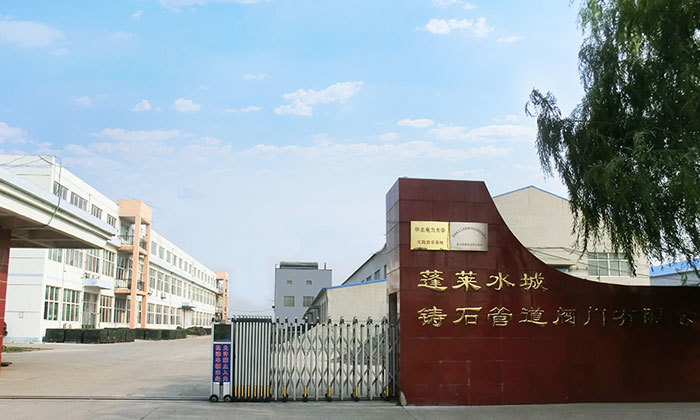
About UsSpecializing in the production and sales of wear-resistant materials such as cast basalt products, the company has obtained over 20 invention patents and utility model patents, and was awarded the "Shandong Star Enterprise of China Patent" title. The company has a history of over 20 years, and currently owns a single basalt cast basalt production line with a production capacity of 15000 tons/year, and mechanical processing equipment with an annual output of 5000 wear-resistant valves and 20000 clamp-type flexible pipe joints.
-
Cast BasaltCast basalt products include cast basalt pipes, cast basalt tiles, cast basalt powder, cast basalt lined steel pipes, etc., mainly used in industries such as electric power, metallurgy, mining, coal, building materials, and chemical.

-
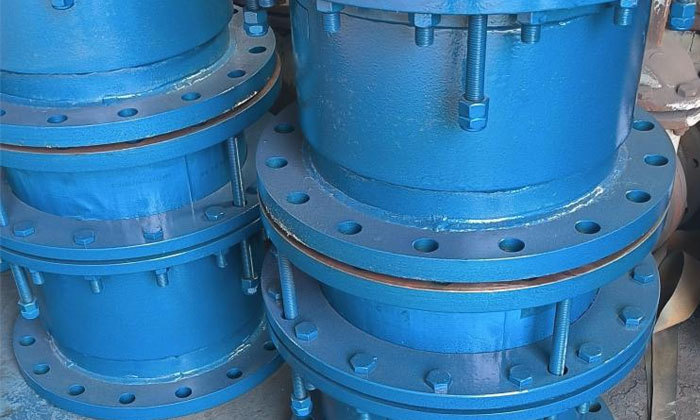
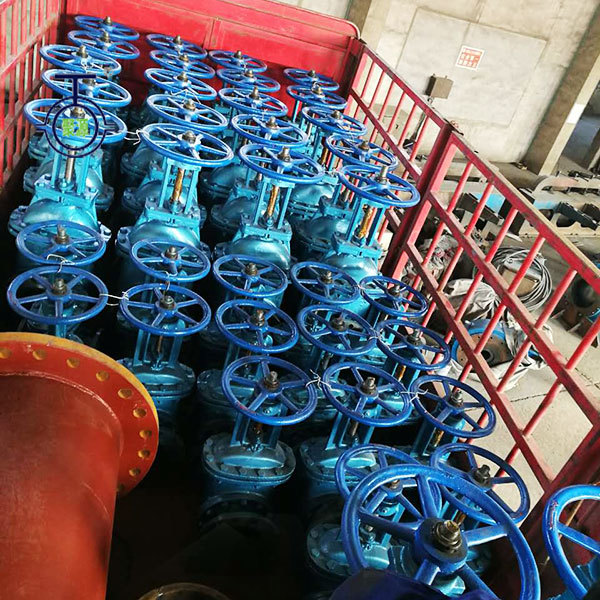
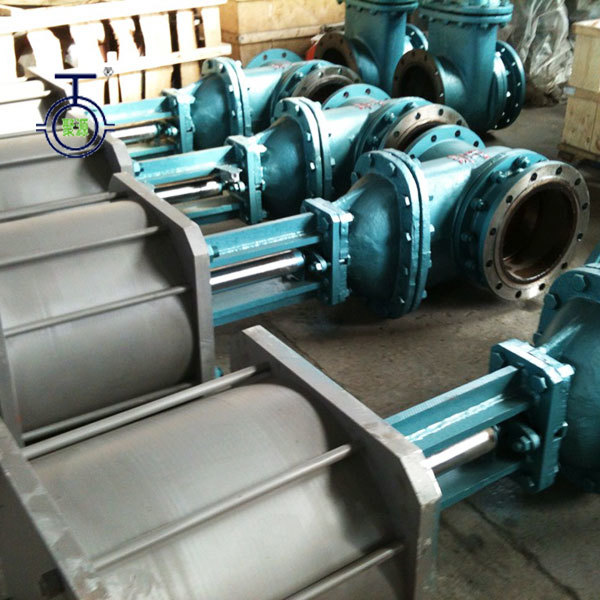
ValveCast basalt ball valves are durable, have a long service life, low fluid resistance, reliable sealing, wear and corrosion resistance, and the sealing surfaces of the ball and valve seat are always isolated from the medium during the fully open and fully closed processes of the valve, so that the medium passing through the valve at high speed will not erode the sealing surface.
-
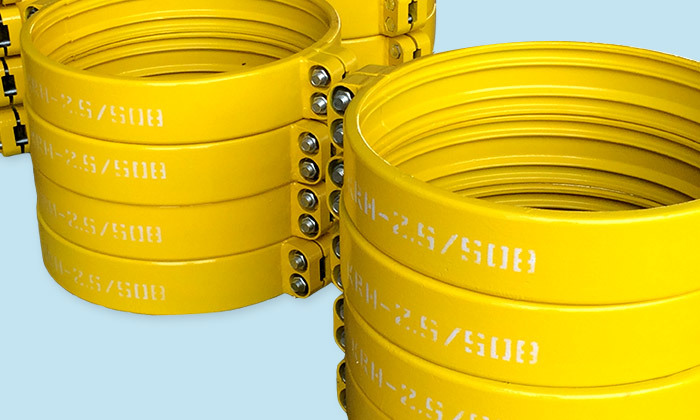
Pipe FittingClamp-type flexible pipe joints are used to connect pipes. KRH and KRJ series rolled clamp-type flexible pipe joints are patented products of our factory. They can effectively compensate for thermal expansion and contraction caused by temperature changes in the pipeline system, and can also compensate for angular changes caused by pipeline foundation settlement. They are high-pressure resistant, easy to install, and have a much better price-performance ratio than flange connections.
-
BLOGSince its establishment in 1986, the company has cumulatively produced: over 1600 kilometers of cast basalt lined steel pipes; over 260000 sets of flexible pipe joints; over 18000 valves of various types. Its products cover all provinces nationwide and are exported to countries such as South Korea, the United States, Serbia, South Africa, Zimbabwe, Japan, India, Vietnam, Russia, Poland, Ukraine, Kazakhstan, and Australia.

The Science Behind the Strength of Cast Basalt Cylinders
The Science Behind the Strength of Cast Basalt Cylinders Introduction to Cast Basalt Technology Cast basalt cylinders have emerged as a leading solution in the industrial sector, particularly in applications requiring high durability and resistance to wear. This article delves into the science behind their strength, exploring key properties, manufacturing processes, and applications that showcase
The Science Behind the Strength of Cast Basalt Cylinders
Introduction to Cast Basalt Technology
Cast basalt cylinders have emerged as a leading solution in the industrial sector, particularly in applications requiring high durability and resistance to wear. This article delves into the science behind their strength, exploring key properties, manufacturing processes, and applications that showcase their effectiveness.
Understanding Basalt: The Raw Material
What is Basalt?
Basalt is a fine-grained volcanic rock that is prevalent on Earth's surface. Composed primarily of silicate minerals, basalt has unique properties that make it ideal for various industrial applications. The process of transforming basalt into cast cylinders involves precise engineering and advanced methodologies.
The Unique Properties of Basalt
The inherent qualities of basalt contribute significantly to the strength of cast basalt cylinders. These properties include:
- **High compressive strength:** Basalt's structural integrity allows it to withstand significant force, making it ideal for high-pressure applications.
- **Excellent abrasion resistance:** The material's hardness ensures that it can endure harsh environments without deteriorating.
- **Thermal stability:** Basalt can withstand extreme temperatures, making it suitable for high-heat applications without losing its strength.
The Manufacturing Process of Cast Basalt Cylinders
Raw Material Preparation
The first step in manufacturing cast basalt cylinders is the careful selection and preparation of raw basalt. This involves crushing the rock into fine particles and subjecting it to high temperatures (around 1200°C) to facilitate the casting process.
Melting and Pouring
Once prepared, the basalt is melted in a furnace, transforming it into a molten state. This molten basalt is then poured into molds to create cylinders. The cooling process is carefully controlled to ensure uniformity and eliminate any internal stress within the material.
Finishing Processes
After cooling, the cast basalt cylinders undergo various finishing processes, including grinding and polishing. These steps enhance their surface quality and ensure they meet the specific dimensional tolerances required for industrial applications.
Applications of Cast Basalt Cylinders in Industry
Mining and Mineral Processing
In the mining industry, cast basalt cylinders are used for lining chutes, hoppers, and other equipment where abrasion is a significant concern. Their durability leads to reduced maintenance costs and increased operational efficiency.
Cement and Concrete Production
Cast basalt's high wear resistance makes it an excellent choice for components in cement and concrete manufacturing. The cylinders help to prolong the life of machinery, thereby minimizing downtime and enhancing productivity.
Power Generation
In power plants, especially those utilizing pulverized coal, cast basalt cylinders are used in various applications, including wear liners for chutes and pipes. Their ability to withstand extreme conditions ensures reliable performance in energy generation processes.
Comparative Analysis: Cast Basalt vs. Traditional Materials
Cost vs. Longevity
While the initial investment in cast basalt products may be higher than traditional materials like steel or rubber, the longevity and reduced maintenance requirements often offset these costs in the long term.
Performance Metrics
Cast basalt cylinders outperform traditional materials in key performance metrics such as wear resistance, thermal stability, and structural integrity. This makes them a preferred choice for industries seeking reliable and efficient solutions.
Environmental Considerations and Sustainability
The production of cast basalt cylinders also aligns with sustainable practices. Basalt is abundant and naturally occurring, and the manufacturing process requires relatively low energy compared to other materials. Additionally, the longevity of cast basalt reduces the need for frequent replacements, contributing to lower overall environmental impact.
Future Innovations in Cast Basalt Technology
As industries continue to innovate, the future of cast basalt technology looks promising. Ongoing research focuses on enhancing the properties of basalt-based materials, potentially leading to even more robust and versatile applications in various sectors.
Frequently Asked Questions (FAQs)
1. What are the main advantages of using cast basalt cylinders?
Cast basalt cylinders offer superior wear resistance, high compressive strength, thermal stability, and durability, making them ideal for various industrial applications.
2. How do cast basalt cylinders compare to other materials?
When compared to traditional materials like steel and rubber, cast basalt cylinders exhibit longer lifespans, reduced maintenance costs, and better performance in abrasive environments.
3. What industries benefit most from cast basalt technology?
Key industries include mining, cement and concrete production, and power generation, where demand for high durability and efficiency is critical.
4. Are cast basalt cylinders environmentally friendly?
Yes, cast basalt production utilizes abundant natural materials and requires lower energy for manufacturing, contributing to a smaller carbon footprint.
5. Can cast basalt cylinders be customized for specific applications?
Absolutely! Cast basalt cylinders can be manufactured in various sizes and shapes to meet the specific needs of different industrial applications.
Conclusion
In summary, the strength of cast basalt cylinders is rooted in the unique properties of basalt, the careful manufacturing processes, and the advanced engineering techniques that produce these remarkable industrial components. Their applications across various sectors underscore their importance in enhancing operational efficiency and durability. As industries continue to evolve, cast basalt technology will undoubtedly play a pivotal role in driving innovation and sustainability in the industrial landscape.
Recommended

Optimizing Your Equipment with Cast Basalt Cylinder Technology: A Comprehensive Guide

Supplier of wear-resistant material solutions, specializing in cast basalt products
Many years of focus on the production and sales of high-quality wear-resistant materials, mainly used in power, metallurgy, mining, coal, building materials, chemical, and other industries.
Leave your contact information to get the latest product discount information

Mobile Website

Contact Us
Phone: +86-535-5632189 / 5666528 / 5637763
Fax: +86-535-5666528 / 5642975
Email: z.minhui@plsczsgdfm.com
Address: No. 6 Zhenxing, Liujiagou Town, Penglai District, Yantai City, Shandong Province


