
-
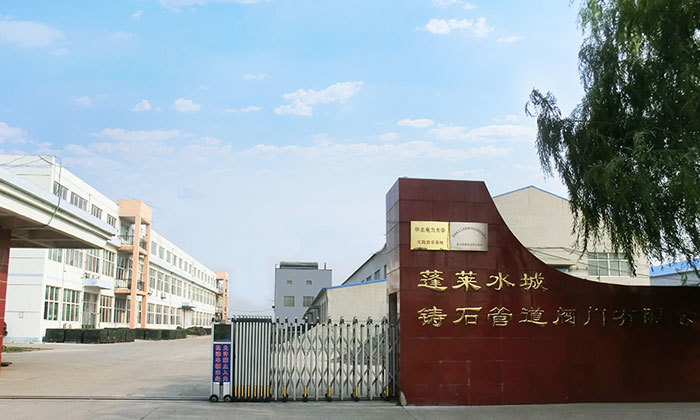
About UsSpecializing in the production and sales of wear-resistant materials such as cast basalt products, the company has obtained over 20 invention patents and utility model patents, and was awarded the "Shandong Star Enterprise of China Patent" title. The company has a history of over 20 years, and currently owns a single basalt cast basalt production line with a production capacity of 15000 tons/year, and mechanical processing equipment with an annual output of 5000 wear-resistant valves and 20000 clamp-type flexible pipe joints.
-
Cast BasaltCast basalt products include cast basalt pipes, cast basalt tiles, cast basalt powder, cast basalt lined steel pipes, etc., mainly used in industries such as electric power, metallurgy, mining, coal, building materials, and chemical.

-
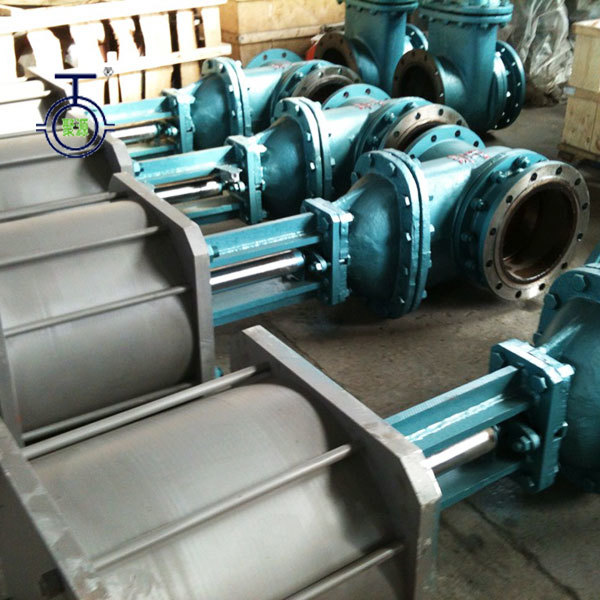
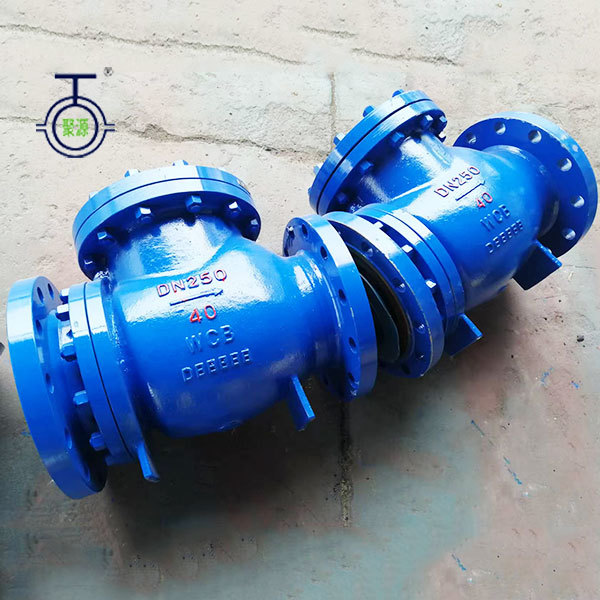
ValveCast basalt ball valves are durable, have a long service life, low fluid resistance, reliable sealing, wear and corrosion resistance, and the sealing surfaces of the ball and valve seat are always isolated from the medium during the fully open and fully closed processes of the valve, so that the medium passing through the valve at high speed will not erode the sealing surface.
-
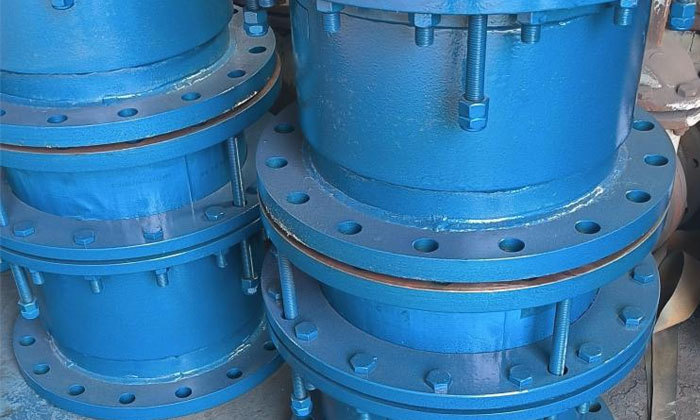
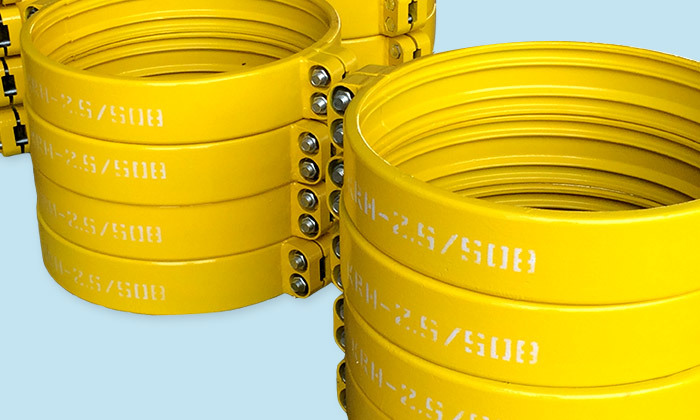
Pipe FittingClamp-type flexible pipe joints are used to connect pipes. KRH and KRJ series rolled clamp-type flexible pipe joints are patented products of our factory. They can effectively compensate for thermal expansion and contraction caused by temperature changes in the pipeline system, and can also compensate for angular changes caused by pipeline foundation settlement. They are high-pressure resistant, easy to install, and have a much better price-performance ratio than flange connections.
-
BLOGSince its establishment in 1986, the company has cumulatively produced: over 1600 kilometers of cast basalt lined steel pipes; over 260000 sets of flexible pipe joints; over 18000 valves of various types. Its products cover all provinces nationwide and are exported to countries such as South Korea, the United States, Serbia, South Africa, Zimbabwe, Japan, India, Vietnam, Russia, Poland, Ukraine, Kazakhstan, and Australia.

Troubleshooting Common Issues with NPZ Wear-resistant Slurry Gate Valves: A Comprehensive Guide
Troubleshooting Common Issues with NPZ Wear-resistant Slurry Gate Valves Introduction to NPZ Wear-resistant Slurry Gate Valves In the world of industrial equipment, **NPZ wear-resistant slurry gate valves** play a crucial role in managing the flow of abrasive materials. These valves are specifically designed to withstand the harsh conditions associated with slurry applications, making them indispe
Troubleshooting Common Issues with NPZ Wear-resistant Slurry Gate Valves
Introduction to NPZ Wear-resistant Slurry Gate Valves
In the world of industrial equipment, **NPZ wear-resistant slurry gate valves** play a crucial role in managing the flow of abrasive materials. These valves are specifically designed to withstand the harsh conditions associated with slurry applications, making them indispensable in industries such as mining, wastewater treatment, and chemical processing. Despite their robust design, NPZ slurry gate valves can encounter several operational issues. Understanding how to troubleshoot these problems effectively ensures optimal performance and longevity.
Understanding Slurry Gate Valve Operations
Before diving into troubleshooting, it’s important to grasp how NPZ wear-resistant slurry gate valves function. These valves utilize a mechanism that allows for smooth flow control of slurry materials. They are designed to handle high-pressure conditions while minimizing wear and tear. Key components include the valve body, gate, seals, and actuator, each playing a pivotal role in the valve's operation.
Key Components of NPZ Wear-resistant Slurry Gate Valves
1. **Valve Body**: The main structure that houses all components, made from wear-resistant materials.
2. **Gate**: The element that opens and closes the valve, controlling slurry flow.
3. **Seals**: Essential for preventing leaks and maintaining pressure within the system.
4. **Actuator**: The mechanism that enables the valve to open and close, either manually or automatically.
Understanding the role of each component can help diagnose issues when they arise.
Common Issues with NPZ Wear-resistant Slurry Gate Valves
Knowing the common problems can help facilitate quicker troubleshooting. Here are some frequent issues users encounter with NPZ wear-resistant slurry gate valves:
1. Valve Leakage
**Leakage** is one of the most common issues experienced with slurry gate valves. It can lead to material loss, environmental hazards, and increased operational costs.
Causes of Valve Leakage
- **Worn Seals**: Over time, seals can degrade due to continuous exposure to abrasive materials.
- **Improper Installation**: Incorrect installation can lead to misalignment, which causes leaks.
- **Corrosion**: In corrosive environments, the valve body can deteriorate, resulting in leaks.
Troubleshooting Valve Leakage
- **Inspect and Replace Seals**: Regularly check seals for wear and replace them as necessary.
- **Check Alignment**: Ensure that the valve is correctly aligned during installation.
- **Conduct Corrosion Testing**: Monitor for signs of corrosion and consider protective coatings if necessary.
2. Valve Sticking
**Sticking** occurs when the valve does not open or close smoothly, leading to operational inefficiencies.
Causes of Valve Sticking
- **Material Build-up**: Slurry can accumulate on the gate, causing it to stick.
- **Corrosion**: Rust can develop on internal surfaces, creating friction.
- **Damaged Actuator**: A malfunctioning actuator can prevent the gate from moving.
Troubleshooting Sticking Valves
- **Regular Cleaning**: Implement a cleaning schedule to remove build-up from the valve.
- **Inspect Actuator Functionality**: Check the actuator for proper operation and replace if necessary.
- **Lubrication**: Apply suitable lubricants to reduce friction on moving parts.
3. Valve Failure to Open or Close
When a slurry gate valve fails to operate, it causes significant disruptions in flow control.
Causes of Failure to Operate
- **Power Supply Issues**: In electrically actuated valves, power failures can halt operation.
- **Mechanical Failures**: Broken or worn components can prevent the valve from functioning.
- **Control Signal Malfunction**: For automated systems, a failure in the control signal can impede operation.
Troubleshooting Valve Operation Failures
- **Check Power Supply**: Ensure that the power supply is consistent and functioning.
- **Inspect Mechanical Parts**: Examine all mechanical components for wear or damage.
- **Test Control Signals**: Verify that the control system is sending appropriate signals to the actuator.
Preventative Maintenance Strategies for NPZ Wear-resistant Slurry Gate Valves
Preventative maintenance can significantly reduce the likelihood of encountering issues with NPZ slurry gate valves.
Regular Inspection and Maintenance
Implement a **routine inspection schedule** to identify wear and potential problems before they escalate. Key areas to focus on include:
- **Seals and Gaskets**: Check for signs of wear or damage.
- **Actuator Functionality**: Ensure proper operation and response.
- **Valve Alignment**: Confirm the valve is correctly aligned with piping.
Proper Installation Techniques
Ensure that all installation procedures are followed meticulously. This includes:
- Using the correct tools and techniques.
- Ensuring proper torque specifications for bolts and fittings.
- Following manufacturer guidelines for setup and configuration.
Material Compatibility Checks
Regularly verify that the materials being transported through the valve are compatible with its construction. This minimizes the risk of corrosion and premature wear.
Best Practices for Troubleshooting NPZ Wear-resistant Slurry Gate Valves
To enhance troubleshooting efficiency, consider implementing these **best practices**:
Documentation of Issues
Maintain a log of all encountered issues along with the steps taken for resolution. This documentation can help identify patterns and recurring problems, allowing for more focused troubleshooting.
Engage with Technical Support
Don’t hesitate to reach out to NPZ’s technical support for guidance on complex issues. Their expertise can provide insights that may not be immediately apparent.
Training for Personnel
Ensure that all personnel involved in valve operation and maintenance are adequately trained. Understanding the nuances of NPZ slurry gate valves will empower them to troubleshoot effectively.
Frequently Asked Questions (FAQs)
1. What are the signs that my NPZ wear-resistant slurry gate valve needs maintenance?
Common signs include unusual noises, leaks, sticking, or failure to operate. Regular checks can help identify these issues early.
2. How often should I inspect my slurry gate valves?
A routine inspection every six months is generally recommended, but more frequent checks may be necessary depending on the operating conditions.
3. Can I perform maintenance on my NPZ wear-resistant slurry gate valve myself?
Yes, basic maintenance tasks such as cleaning and seal replacement can often be performed by trained personnel. However, complex issues should be handled by professionals.
4. What should I do if my valve is leaking?
First, identify the source of the leak. If it's due to worn seals, replace them immediately. If the issue persists, consult an expert.
5. Are NPZ slurry gate valves suitable for all types of slurries?
While NPZ valves are designed for abrasive materials, it's essential to assess the compatibility of specific slurries with the valve's construction to avoid damage.
Conclusion
Effective troubleshooting of NPZ wear-resistant slurry gate valves is essential for maintaining operational efficiency and prolonging the lifespan of your equipment. By understanding common issues, utilizing preventative maintenance strategies, and following best practices, you can ensure that your slurry systems operate smoothly. Regular inspections, proper installation techniques, and continuous training for personnel contribute significantly to minimizing disruptions and optimizing performance. Embrace these practices to enhance the reliability of your NPZ valves and achieve seamless operational success in your industrial processes.
Recommended

Maximizing Efficiency: A Comprehensive Guide to NPZ Wear-resistant Slurry Gate Valves Performance

Supplier of wear-resistant material solutions, specializing in cast basalt products
Many years of focus on the production and sales of high-quality wear-resistant materials, mainly used in power, metallurgy, mining, coal, building materials, chemical, and other industries.
Leave your contact information to get the latest product discount information

Mobile Website

Contact Us
Phone: +86-535-5632189 / 5666528 / 5637763
Fax: +86-535-5666528 / 5642975
Email: z.minhui@plsczsgdfm.com
Address: No. 6 Zhenxing, Liujiagou Town, Penglai District, Yantai City, Shandong Province


