
-
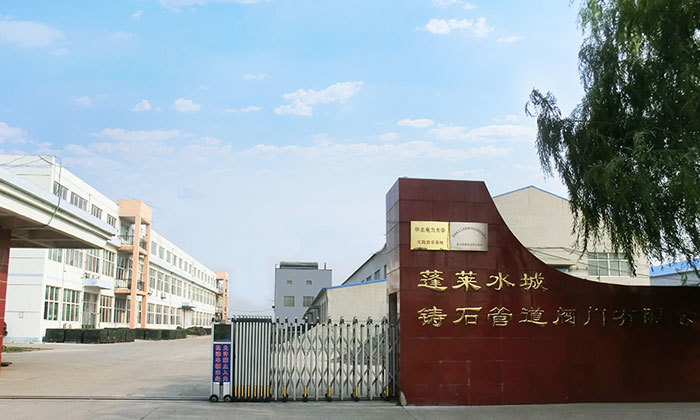
About UsSpecializing in the production and sales of wear-resistant materials such as cast basalt products, the company has obtained over 20 invention patents and utility model patents, and was awarded the "Shandong Star Enterprise of China Patent" title. The company has a history of over 20 years, and currently owns a single basalt cast basalt production line with a production capacity of 15000 tons/year, and mechanical processing equipment with an annual output of 5000 wear-resistant valves and 20000 clamp-type flexible pipe joints.
-
Cast BasaltCast basalt products include cast basalt pipes, cast basalt tiles, cast basalt powder, cast basalt lined steel pipes, etc., mainly used in industries such as electric power, metallurgy, mining, coal, building materials, and chemical.

-
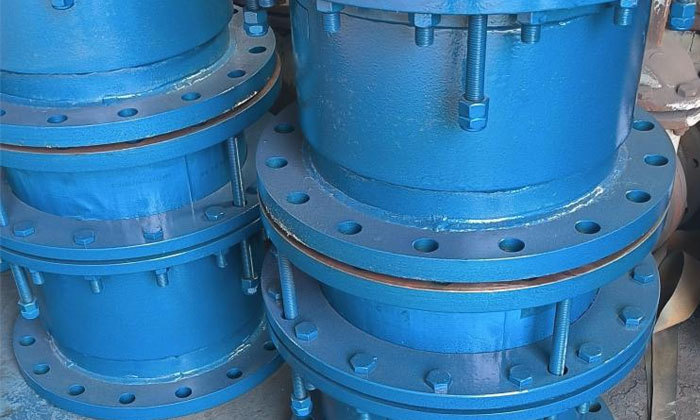
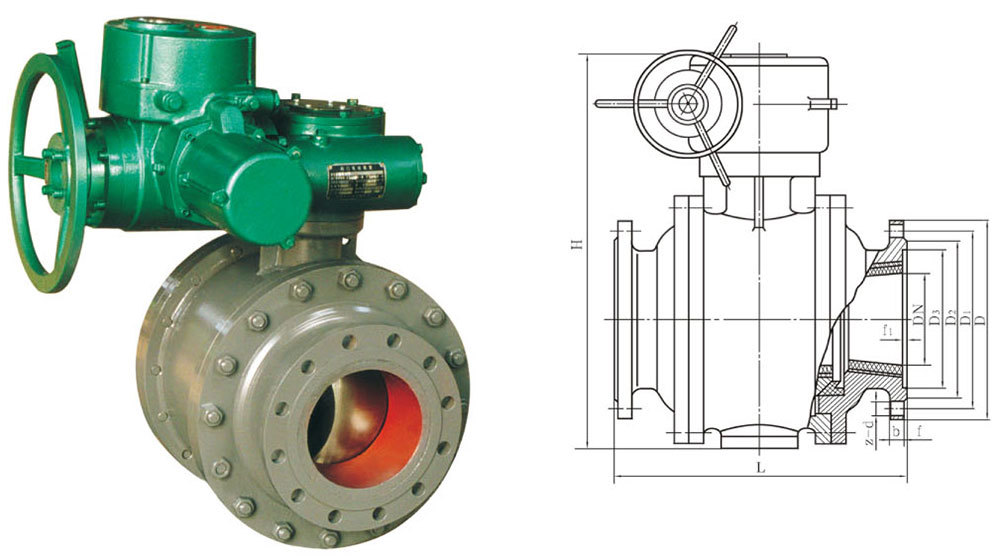
ValveCast basalt ball valves are durable, have a long service life, low fluid resistance, reliable sealing, wear and corrosion resistance, and the sealing surfaces of the ball and valve seat are always isolated from the medium during the fully open and fully closed processes of the valve, so that the medium passing through the valve at high speed will not erode the sealing surface.
-
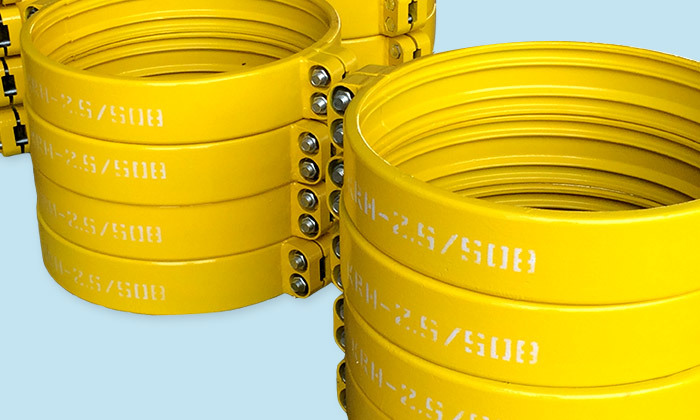
Pipe FittingClamp-type flexible pipe joints are used to connect pipes. KRH and KRJ series rolled clamp-type flexible pipe joints are patented products of our factory. They can effectively compensate for thermal expansion and contraction caused by temperature changes in the pipeline system, and can also compensate for angular changes caused by pipeline foundation settlement. They are high-pressure resistant, easy to install, and have a much better price-performance ratio than flange connections.
-
BLOGSince its establishment in 1986, the company has cumulatively produced: over 1600 kilometers of cast basalt lined steel pipes; over 260000 sets of flexible pipe joints; over 18000 valves of various types. Its products cover all provinces nationwide and are exported to countries such as South Korea, the United States, Serbia, South Africa, Zimbabwe, Japan, India, Vietnam, Russia, Poland, Ukraine, Kazakhstan, and Australia.

Understanding the Manufacturing Process of Cast Basalt Cylinders: A Comprehensive Guide
Understanding the Manufacturing Process of Cast Basalt Cylinders Table of Contents Introduction to Cast Basalt Cylinders Raw Material Selection for Cast Basalt The Melting Process: Turning Raw Materials into Cast Basalt Molding Techniques for Cast Basalt Cylinders Cooling and Hardening: Essential Steps in Manufacturing Finishing Processes for Enhanced Performance Applications of Cas
Understanding the Manufacturing Process of Cast Basalt Cylinders
Table of Contents
- Introduction to Cast Basalt Cylinders
- Raw Material Selection for Cast Basalt
- The Melting Process: Turning Raw Materials into Cast Basalt
- Molding Techniques for Cast Basalt Cylinders
- Cooling and Hardening: Essential Steps in Manufacturing
- Finishing Processes for Enhanced Performance
- Applications of Cast Basalt Cylinders
- Quality Control in Cast Basalt Manufacturing
- Future Trends in Cast Basalt Cylinder Manufacturing
- Frequently Asked Questions
- Conclusion
Introduction to Cast Basalt Cylinders
Cast basalt cylinders are renowned for their exceptional durability and resistance to wear and abrasion. Typically made from high-quality basalt, these cylinders are designed for various industrial applications, ranging from pipelines to specialized equipment. Understanding the manufacturing process of cast basalt cylinders is crucial for industries aiming to utilize these robust components effectively.
In this comprehensive guide, we will explore the entire manufacturing process, highlighting each step involved in creating cast basalt products. From sourcing raw materials to the final inspection, we will provide insights into the techniques, technologies, and best practices that ensure the highest quality cast basalt cylinders.
Raw Material Selection for Cast Basalt
The first step in manufacturing cast basalt cylinders is the selection of raw materials. **Cast basalt** is primarily made from natural basalt rock, which is abundant and possesses excellent thermal and mechanical properties. The quality of the basalt used significantly impacts the final product's performance.
Key considerations for raw material selection include:
Basalt Rock Quality
High-quality basalt rock should have minimal impurities and a consistent mineral composition. The most desirable characteristics include high silica content and low iron levels, as these factors contribute to the durability and strength of the final product.
Supplementary Materials
In addition to basalt rock, manufacturers may incorporate supplementary materials to enhance the properties of the cast basalt. These materials can include additives that improve thermal stability, increase wear resistance, or enhance fluidity during the casting process.
Supplier Relationships
Building strong relationships with reliable suppliers is essential for maintaining a consistent quality of raw materials. Manufacturers should conduct regular quality assessments and audits to ensure that the materials meet their specifications.
The Melting Process: Turning Raw Materials into Cast Basalt
Once the raw materials are selected, the next phase is the melting process. This step is critical, as it transforms solid basalt rock into a molten state, allowing it to be shaped into cylinders.
Preparation for Melting
Before melting, raw materials are crushed and blended to achieve the desired consistency. This mixture is then placed in a furnace, where it is subjected to high temperatures.
Furnace Types
Different types of furnaces can be utilized in the melting process, including electric arc furnaces and induction furnaces. Each type has its advantages and disadvantages, depending on the scale of production and the specific properties required in the final product.
Temperature Control
Maintaining precise temperature control is essential during the melting process. The optimal melting temperature for basalt typically ranges between 1300°C to 1400°C. This temperature range ensures that the basalt achieves the necessary viscosity for effective casting.
Molding Techniques for Cast Basalt Cylinders
After the melting process, the molten basalt must be formed into the desired shape. Molding techniques play a crucial role in determining the final dimensions and characteristics of the cast basalt cylinders.
Types of Molds
Manufacturers may utilize different types of molds, including sand molds, metal molds, or ceramic molds. Each type offers unique benefits in terms of cost, durability, and the level of detail achievable in the final product.
Pouring the Molten Basalt
The molten basalt is carefully poured into the pre-prepared molds. This process requires precision and skill to avoid defects such as air pockets or uneven surfaces. The pouring rate and technique can significantly influence the quality of the final casting.
Setting Time
After pouring, the molten basalt requires time to cool and solidify within the mold. The setting time can vary based on the ambient temperature, mold material, and the specific formulation of the basalt.
Cooling and Hardening: Essential Steps in Manufacturing
Once the basalt has set, it needs to cool down to achieve its final hardness and durability.
Controlled Cooling Processes
Controlled cooling is vital to prevent thermal shock, which can result in cracks or other defects. Gradual cooling methods, such as furnace cooling or forced-air cooling, are often employed to ensure uniform temperature distribution.
Hardening Timeframes
The hardening process can take several hours to days, depending on the thickness of the casting and the specific formulation used. Proper hardening is necessary for ensuring the mechanical properties of the cast basalt cylinders meet industry standards.
Finishing Processes for Enhanced Performance
After the cast basalt cylinders have cooled and hardened, finishing processes are implemented to enhance their performance and appearance.
Surface Grinding and Polishing
Surface grinding is performed to achieve the desired dimensions and to create a smooth finish. This process can significantly improve the aesthetic appeal of the cylinders and contribute to their functional performance.
Inspection and Testing
Quality control measures are implemented during the finishing process. Each cast basalt cylinder undergoes rigorous inspection and testing to ensure it meets the required specifications. This may include dimensional checks, hardness tests, and visual inspections.
Protective Coatings
In some applications, applying a protective coating may be necessary to enhance durability and resistance to environmental factors. These coatings can be tailored to meet specific industry requirements and extend the lifespan of the cast basalt cylinders.
Applications of Cast Basalt Cylinders
Cast basalt cylinders are utilized across various industries due to their durability and resistance to wear. Some common applications include:
Pipelines and Transportation
In the mining and mineral processing industries, cast basalt cylinders are extensively used in pipelines due to their wear resistance and ability to handle abrasive materials. They can also be used in transportation systems for various bulk materials.
Industrial Equipment
These cylinders are often used as liners in industrial equipment, such as chutes, hoppers, and mixers, where they protect against wear and extend equipment life.
Thermal Insulation
Cast basalt also exhibits excellent thermal properties, making it suitable for applications requiring thermal insulation in high-temperature environments.
Quality Control in Cast Basalt Manufacturing
Maintaining high standards of quality throughout the manufacturing process is essential for ensuring the reliability and longevity of cast basalt products.
Quality Assurance Programs
Implementing robust quality assurance programs helps manufacturers maintain consistency in product quality. Regular audits and testing should be conducted to identify any deviations from established standards.
Certification and Compliance
Compliance with industry regulations and standards is crucial in the manufacturing of cast basalt cylinders. Obtaining certifications can enhance credibility and assure customers of the quality and reliability of the products.
Future Trends in Cast Basalt Cylinder Manufacturing
As technology continues to advance, the manufacturing process of cast basalt cylinders is expected to evolve. Emerging trends include:
Automation and Digitalization
The incorporation of automation and digital technologies in the manufacturing process can improve efficiency and reduce human error. Smart manufacturing solutions offer real-time monitoring and control, leading to enhanced quality and production speeds.
Advanced Materials and Formulations
Research into advanced materials and formulations may lead to the development of even more durable and versatile cast basalt products. Innovations in additives and composite materials can enhance performance characteristics and expand application possibilities.
Sustainability Practices
With increasing focus on sustainability, manufacturers are likely to explore environmentally friendly practices, including recycling and the use of renewable energy sources in the production process.
Frequently Asked Questions
1. What are cast basalt cylinders used for?
Cast basalt cylinders are primarily used in industrial applications requiring high durability and resistance to wear, such as pipelines, liners, and thermal insulation.
2. How are cast basalt cylinders manufactured?
The manufacturing process involves raw material selection, melting, molding, cooling, finishing, and quality control to produce high-quality cast basalt products.
3. What advantages do cast basalt cylinders offer?
Cast basalt cylinders offer numerous advantages, including exceptional wear resistance, high thermal stability, and durability, making them ideal for various industrial applications.
4. Can cast basalt cylinders be recycled?
Yes, cast basalt materials can often be recycled, contributing to sustainable manufacturing practices.
5. How long do cast basalt cylinders last?
With proper care and maintenance, cast basalt cylinders can last several years, depending on the application and environmental conditions.
Conclusion
Understanding the manufacturing process of cast basalt cylinders is essential for industries looking to harness their benefits effectively. From the careful selection of raw materials to advanced finishing techniques, each step is crucial for ensuring the quality and performance of these robust components. As technology advances, the future of cast basalt manufacturing promises even greater innovations, ensuring that these products continue to meet the demanding needs of various applications. Investing in high-quality cast basalt cylinders not only enhances operational efficiency but also contributes to long-term sustainability and performance in industrial environments.
Recommended

The Advantages of Corrosion-Resistant Cast Basalt Tile for Industrial Applications


Supplier of wear-resistant material solutions, specializing in cast basalt products
Many years of focus on the production and sales of high-quality wear-resistant materials, mainly used in power, metallurgy, mining, coal, building materials, chemical, and other industries.
Leave your contact information to get the latest product discount information

Mobile Website

Contact Us
Phone: +86-535-5632189 / 5666528 / 5637763
Fax: +86-535-5666528 / 5642975
Email: z.minhui@plsczsgdfm.com
Address: No. 6 Zhenxing, Liujiagou Town, Penglai District, Yantai City, Shandong Province


