
-
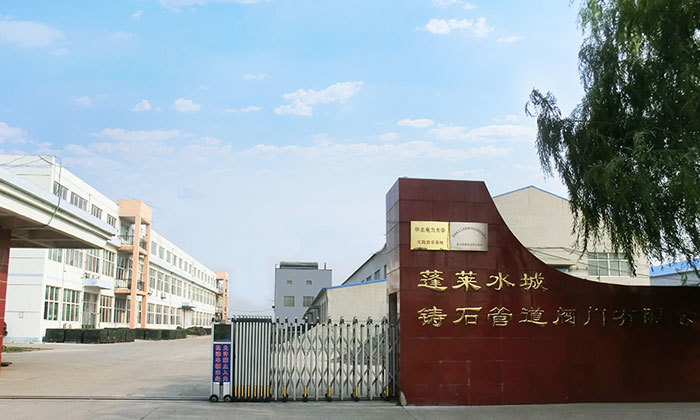
About UsSpecializing in the production and sales of wear-resistant materials such as cast basalt products, the company has obtained over 20 invention patents and utility model patents, and was awarded the "Shandong Star Enterprise of China Patent" title. The company has a history of over 20 years, and currently owns a single basalt cast basalt production line with a production capacity of 15000 tons/year, and mechanical processing equipment with an annual output of 5000 wear-resistant valves and 20000 clamp-type flexible pipe joints.
-
Cast BasaltCast basalt products include cast basalt pipes, cast basalt tiles, cast basalt powder, cast basalt lined steel pipes, etc., mainly used in industries such as electric power, metallurgy, mining, coal, building materials, and chemical.

-
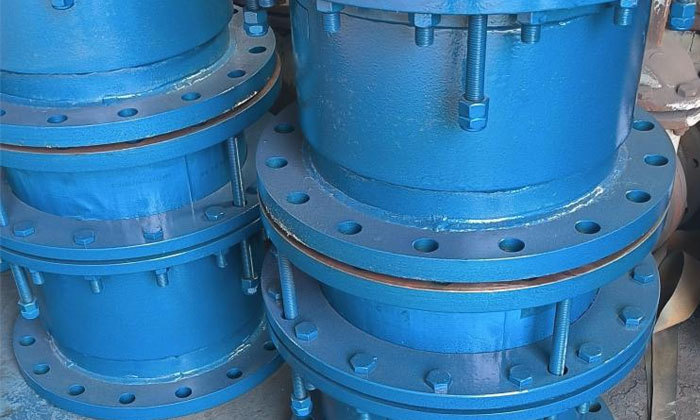
ValveCast basalt ball valves are durable, have a long service life, low fluid resistance, reliable sealing, wear and corrosion resistance, and the sealing surfaces of the ball and valve seat are always isolated from the medium during the fully open and fully closed processes of the valve, so that the medium passing through the valve at high speed will not erode the sealing surface.
-
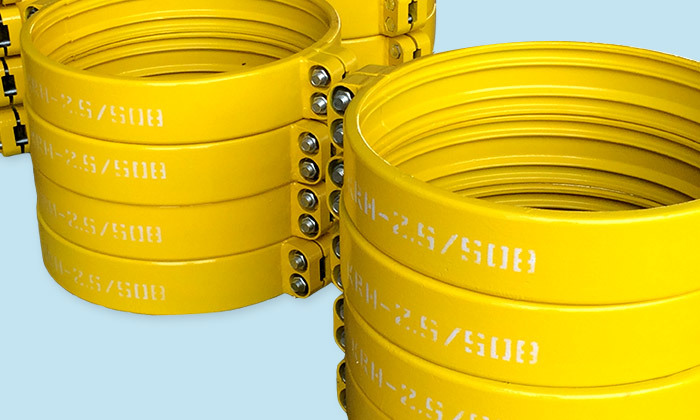
Pipe FittingClamp-type flexible pipe joints are used to connect pipes. KRH and KRJ series rolled clamp-type flexible pipe joints are patented products of our factory. They can effectively compensate for thermal expansion and contraction caused by temperature changes in the pipeline system, and can also compensate for angular changes caused by pipeline foundation settlement. They are high-pressure resistant, easy to install, and have a much better price-performance ratio than flange connections.
-
BLOGSince its establishment in 1986, the company has cumulatively produced: over 1600 kilometers of cast basalt lined steel pipes; over 260000 sets of flexible pipe joints; over 18000 valves of various types. Its products cover all provinces nationwide and are exported to countries such as South Korea, the United States, Serbia, South Africa, Zimbabwe, Japan, India, Vietnam, Russia, Poland, Ukraine, Kazakhstan, and Australia.

Understanding the Importance of Cast Basalt Tile in Chute Lining: The Ultimate Guide
Understanding the Importance of Cast Basalt Tile in Chute Lining When it comes to the world of industrial equipment and components, particularly in casting and heat treatment, understanding the materials that make a significant difference in efficiency and durability is crucial. Among these materials, **cast basalt tile** stands out, especially when utilized in **chute lining**. This article delve
Understanding the Importance of Cast Basalt Tile in Chute Lining
When it comes to the world of industrial equipment and components, particularly in casting and heat treatment, understanding the materials that make a significant difference in efficiency and durability is crucial. Among these materials, **cast basalt tile** stands out, especially when utilized in **chute lining**. This article delves into the importance of cast basalt tile, its benefits, applications, and maintenance, providing a comprehensive overview that will help you leverage its advantages.
The Role of Chutes in Industrial Processes
Chutes are integral components in various industrial processes, serving as conduits for the transportation of materials from one point to another. Typically designed to handle bulk materials such as minerals, aggregates, and other granular substances, the efficiency of chutes is pivotal in maintaining the overall productivity of operations.
Understanding Chute Lining
Chute lining refers to the protective coating applied to the interior surfaces of chutes. This lining is crucial for safeguarding against wear and tear, enhancing the flow of materials, and preventing material buildup.
Challenges Faced in Chute Operations
Chute systems often encounter several challenges, including:
- **Abrasion**: Continuous movement of materials can lead to significant surface wear.
- **Corrosion**: Exposure to abrasive and corrosive substances can deteriorate chute materials over time.
- **Material buildup**: Accumulation of materials can obstruct flow, leading to operational inefficiencies.
To mitigate these issues, selecting the right lining material is essential.
What is Cast Basalt Tile?
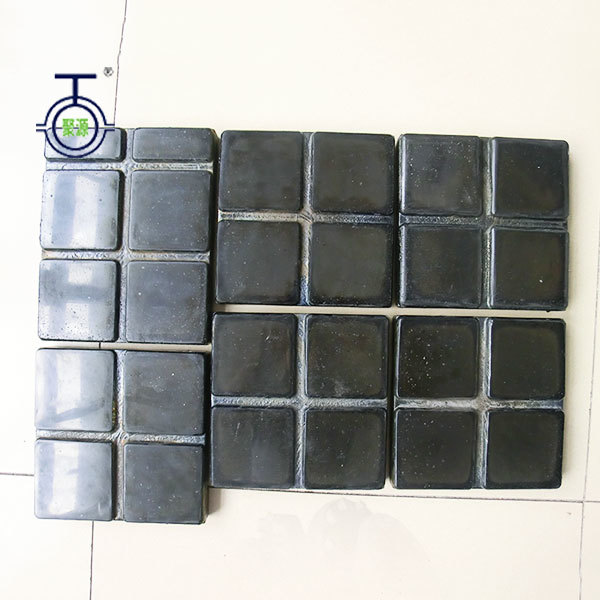
Cast basalt tile is an advanced ceramic material produced by melting basalt rock at extremely high temperatures. The resulting product is a dense, durable tile that exhibits impressive mechanical and thermal properties.
Characteristics of Cast Basalt Tile
The unique characteristics of cast basalt tile make it an ideal choice for chute lining:
- **High Abrasion Resistance**: Cast basalt tiles can withstand extreme wear and tear, making them perfect for high-traffic chutes.
- **Chemical Resistance**: The inert nature of cast basalt enables it to resist corrosion from various chemicals.
- **Low Friction**: This property promotes efficient material flow, reducing blockages and maintenance needs.
- **Thermal Stability**: Cast basalt tiles can withstand high temperatures, making them suitable for hot material transport.
Benefits of Using Cast Basalt Tile in Chute Lining
The advantages of incorporating cast basalt tiles in chute lining are manifold.
1. Enhanced Durability
Cast basalt tiles have a significantly longer lifespan compared to traditional lining materials. Their abrasion and corrosion resistance ensures they maintain their integrity even in the most demanding environments.
2. Improved Material Flow
The low friction surface of cast basalt tiles minimizes material clinging and buildup, promoting a smooth flow of materials. This efficiency can result in reduced downtime for maintenance and increased productivity.
3. Cost-Effectiveness
Although the initial investment in cast basalt tiles may be higher than other lining materials, their durability and reduced maintenance costs lead to significant long-term savings.
4. Versatility in Applications
Cast basalt tiles can be utilized in various industrial applications, including coal handling, mineral processing, and waste management. Their adaptability makes them a valuable asset across multiple sectors.
Applications of Cast Basalt Tile in Chute Lining
Cast basalt tiles are widely used in several areas of industry to enhance chute performance.
1. Mining and Mineral Processing
In mining operations, cast basalt tiles protect chutes that transport minerals and ores. Their durability ensures minimal wear from abrasive materials, leading to less frequent replacements and operational downtimes.
2. Cement and Concrete Production
In the cement industry, cast basalt tiles can be employed in chutes that handle aggregates and other materials, ensuring efficient transport and minimal product loss.
3. Power Generation
In power plants, particularly those using coal, cast basalt tiles provide a reliable lining option for chutes that manage the flow of materials, contributing to safer and more efficient operations.
4. Waste Management
In waste management facilities, cast basalt tiles can endure the harsh conditions associated with the transport of various waste materials, providing a solution that minimizes wear and maintenance.
Installation Process of Cast Basalt Tile in Chute Lining
Installing cast basalt tiles requires meticulous planning and execution to ensure optimal performance.
1. Preparation of the Chute
Before installation, it's essential to clean and prepare the chute's surface. Any existing debris or old lining material must be removed to create a smooth and even surface.
2. Measuring and Cutting Tiles
Tiles should be measured and cut to fit the chute dimensions accurately. Precision is key to ensuring that there are no gaps that could lead to material buildup.
3. Applying Adhesive
A suitable adhesive must be applied to the chute surface before placing the tiles. This adhesive should be compatible with both the chute material and the cast basalt tiles.
4. Placement of Tiles
Tiles should be laid out systematically, ensuring a tight fit. Using spacers can help maintain uniformity in gaps and alignment.
5. Finishing Touches
Once all tiles are in place, any excess adhesive should be removed, and the joints may be grouted, depending on the installation requirements.
Maintenance of Cast Basalt Tile Lining
Maintaining cast basalt tile lining is crucial for ensuring its longevity and performance.
1. Regular Inspections
Conducting regular inspections helps identify any signs of wear or damage early. Addressing these issues promptly can prevent larger problems down the line.
2. Cleaning Practices
To maintain optimal performance, chutes should be cleaned periodically to remove any material buildup that could affect flow.
3. Repairing Damaged Tiles
In the event of tile damage, swift repair or replacement is necessary. Damaged tiles can compromise the integrity of the entire lining system.
Comparing Cast Basalt Tiles to Other Lining Materials
While there are several lining materials available, it’s beneficial to compare cast basalt tiles with some common alternatives.
1. Rubber Linings
Rubber linings offer good shock absorption but are prone to wear from abrasive materials and often require more frequent replacements compared to cast basalt.
2. Steel Linings
Steel linings provide strength but can be susceptible to corrosion and wear, leading to higher maintenance costs over time. Cast basalt offers superior resistance to these issues.
3. Ceramic Tiles
Ceramic tiles have decent wear resistance but may not match the thermal and chemical stability of cast basalt tiles, making them less suitable for extreme applications.
Future Trends in Chute Lining Materials
As industries evolve, the demand for advanced materials that enhance efficiency and reduce operational costs continues to grow. Future trends in chute lining may include:
1. Smart Materials
The integration of smart technology in materials may lead to innovations that allow for real-time monitoring of wear and performance, enabling predictive maintenance strategies.
2. Eco-Friendly Options
Sustainability is becoming increasingly important, leading to the development of eco-friendly lining materials that maintain performance while minimizing environmental impact.
FAQs about Cast Basalt Tile in Chute Lining
1. What is the lifespan of cast basalt tile?
**The lifespan of cast basalt tile can exceed 20 years**, depending on the application and conditions it is exposed to.
2. Can cast basalt tiles be used in high-temperature environments?
**Yes, cast basalt tiles exhibit excellent thermal stability**, making them suitable for high-temperature applications.
3. How do I clean cast basalt tile lining?
Routine cleaning involves removing material buildup with scrapers or pressurized air. For heavy deposits, a high-pressure washer may be utilized.
4. Are there any limitations to using cast basalt tiles?
While cast basalt tiles are durable, they can be brittle, and improper handling during installation may lead to breakage.
5. How do cast basalt tiles compare in cost to other lining materials?
While cast basalt tiles may have a higher initial cost, their longevity and reduced maintenance needs often make them more cost-effective in the long run.
Conclusion
In conclusion, cast basalt tile plays an essential role in enhancing the performance and longevity of chute lining in various industrial applications. Its unique properties make it an invaluable asset in combating wear and tear, reducing maintenance costs, and improving material flow. As industries look towards more sustainable and efficient solutions, cast basalt tiles will remain a critical component in the future of industrial operations. Embracing this advanced material could lead to significant improvements in productivity and efficiency, making it a worthwhile investment for any business operating in demanding environments.
Recommended

Enhancing Coal Handling Systems with Cast Basalt Tile Solutions

Supplier of wear-resistant material solutions, specializing in cast basalt products
Many years of focus on the production and sales of high-quality wear-resistant materials, mainly used in power, metallurgy, mining, coal, building materials, chemical, and other industries.
Leave your contact information to get the latest product discount information

Mobile Website

Contact Us
Phone: +86-535-5632189 / 5666528 / 5637763
Fax: +86-535-5666528 / 5642975
Email: z.minhui@plsczsgdfm.com
Address: No. 6 Zhenxing, Liujiagou Town, Penglai District, Yantai City, Shandong Province


