
-
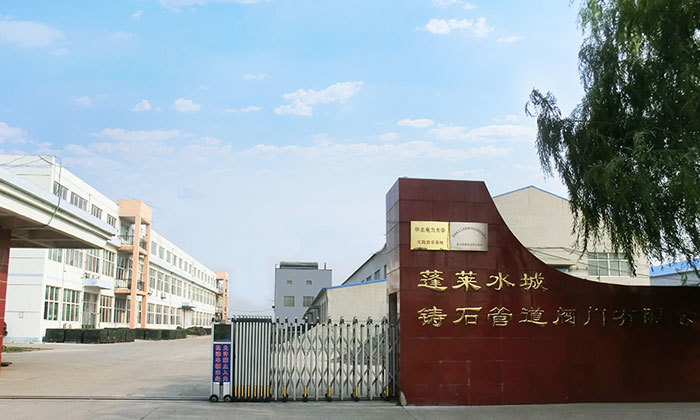
About UsSpecializing in the production and sales of wear-resistant materials such as cast basalt products, the company has obtained over 20 invention patents and utility model patents, and was awarded the "Shandong Star Enterprise of China Patent" title. The company has a history of over 20 years, and currently owns a single basalt cast basalt production line with a production capacity of 15000 tons/year, and mechanical processing equipment with an annual output of 5000 wear-resistant valves and 20000 clamp-type flexible pipe joints.
-
Cast BasaltCast basalt products include cast basalt pipes, cast basalt tiles, cast basalt powder, cast basalt lined steel pipes, etc., mainly used in industries such as electric power, metallurgy, mining, coal, building materials, and chemical.

-
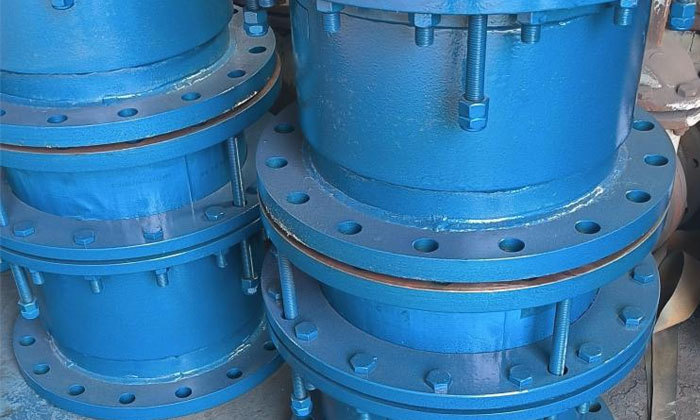
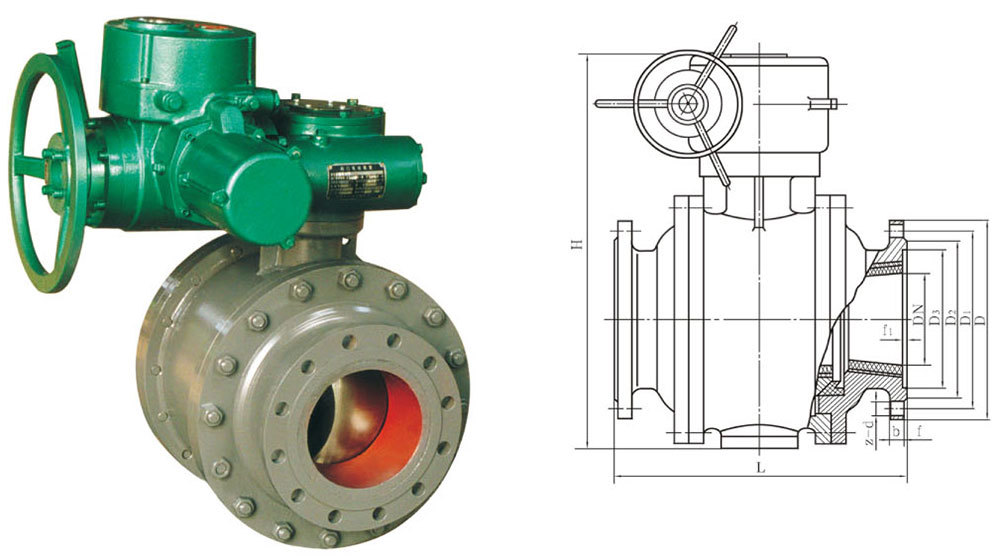
ValveCast basalt ball valves are durable, have a long service life, low fluid resistance, reliable sealing, wear and corrosion resistance, and the sealing surfaces of the ball and valve seat are always isolated from the medium during the fully open and fully closed processes of the valve, so that the medium passing through the valve at high speed will not erode the sealing surface.
-
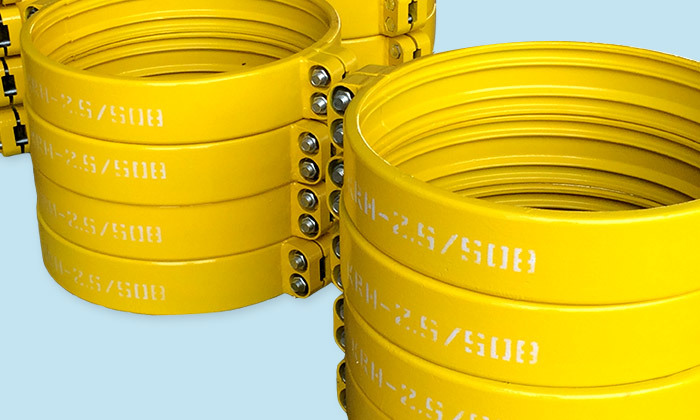
Pipe FittingClamp-type flexible pipe joints are used to connect pipes. KRH and KRJ series rolled clamp-type flexible pipe joints are patented products of our factory. They can effectively compensate for thermal expansion and contraction caused by temperature changes in the pipeline system, and can also compensate for angular changes caused by pipeline foundation settlement. They are high-pressure resistant, easy to install, and have a much better price-performance ratio than flange connections.
-
BLOGSince its establishment in 1986, the company has cumulatively produced: over 1600 kilometers of cast basalt lined steel pipes; over 260000 sets of flexible pipe joints; over 18000 valves of various types. Its products cover all provinces nationwide and are exported to countries such as South Korea, the United States, Serbia, South Africa, Zimbabwe, Japan, India, Vietnam, Russia, Poland, Ukraine, Kazakhstan, and Australia.

Exploring the Durability of Cast Basalt Cylinders in Harsh Environments
Exploring the Durability of Cast Basalt Cylinders in Harsh Environments Table of Contents 1. Introduction to Cast Basalt Cylinders 2. Key Properties of Cast Basalt 2.1 Hardness and Wear Resistance 2.2 Thermal Properties 2.3 Chemical Resistance 3. Applications of Cast Basalt Cylinders in Harsh Environments 3.1 M
Exploring the Durability of Cast Basalt Cylinders in Harsh Environments
Table of Contents
- 1. Introduction to Cast Basalt Cylinders
- 2. Key Properties of Cast Basalt
- 3. Applications of Cast Basalt Cylinders in Harsh Environments
- 4. Manufacturing Process of Cast Basalt Cylinders
- 5. Advantages of Using Cast Basalt Cylinders
- 6. Case Studies: Success Stories in Harsh Environments
- 7. The Future of Cast Basalt Technology
- 8. Frequently Asked Questions
- 9. Conclusion
1. Introduction to Cast Basalt Cylinders
Cast basalt cylinders are becoming increasingly recognized for their exceptional durability in harsh environments. Made from volcanic rock, these cylinders are specifically engineered to resist wear, corrosion, and thermal shock. Their unique composition allows them to perform efficiently in demanding applications across various industries, making them a preferred choice for many engineers and business owners. This article aims to provide an in-depth analysis of cast basalt cylinders, their properties, applications, and the manufacturing processes involved.
2. Key Properties of Cast Basalt
2.1 Hardness and Wear Resistance
One of the most significant advantages of cast basalt cylinders is their incredible hardness, which enables them to withstand abrasive wear. With a Mohs hardness rating of between 6 and 7, they can endure impacts and friction caused by the materials they transport. This durability translates into longer service life and lower replacement costs, making them a cost-effective solution for industries that deal with abrasive materials.
2.2 Thermal Properties
Cast basalt exhibits remarkable thermal stability, capable of withstanding high temperatures without deforming or losing structural integrity. This property makes them particularly useful in applications that involve extreme heat, such as furnace linings or hot material handling. The low thermal conductivity of cast basalt also helps in maintaining optimal temperatures and preventing heat loss, which is invaluable in energy-intensive processes.
2.3 Chemical Resistance
In environments where corrosive chemicals and substances are present, cast basalt cylinders shine due to their excellent chemical resistance. They do not react with acids, alkalis, or other aggressive agents, thereby ensuring that they maintain their functionality and structural integrity over time. This resistance to chemical degradation makes them ideal for use in chemical processing industries, where equipment is frequently exposed to harsh substances.
3. Applications of Cast Basalt Cylinders in Harsh Environments
Cast basalt cylinders find application in a wide array of industries, thanks to their durability and resilience. Below are some specific sectors where they excel.
3.1 Mining Industry
In the mining sector, cast basalt cylinders are used for material transport systems, including chutes and pipes. Their hardness and wear resistance allow them to handle heavy and abrasive materials like ores and minerals without suffering damage. Additionally, their ability to withstand extreme weather conditions ensures that they perform reliably even in harsh outdoor environments.
3.2 Construction Applications
The construction industry benefits from cast basalt cylinders in various ways, particularly in the creation of durable drainage systems and protective linings for tunnels. Their resilience against physical wear and adverse weather conditions makes them an asset for infrastructure projects that demand long-lasting materials.
3.3 Chemical Processing
In chemical processing plants, safety and reliability are paramount. Cast basalt cylinders can be employed for transporting corrosive chemicals and slurries. Their chemical resistance ensures that they do not degrade or contaminate the materials they handle, making them an essential component in maintaining operational safety and efficiency.
4. Manufacturing Process of Cast Basalt Cylinders
Understanding the manufacturing process of cast basalt cylinders sheds light on their unique properties and performance capabilities.
4.1 The Casting Process
The production of cast basalt cylinders begins with the careful selection of high-quality basalt rock, which is then crushed and melted at high temperatures. The molten basalt is poured into molds and allowed to cool, solidifying into the desired shape. This casting process ensures uniformity in density and composition, contributing to the cylinders' overall strength and durability.
4.2 Quality Control Measures
Maintaining high quality is crucial in the manufacturing of cast basalt cylinders. Rigorous quality control measures are implemented at every stage of the production process. Each batch is tested for hardness, thermal stability, and chemical resistance to guarantee that the final product meets industry standards and customer expectations.
5. Advantages of Using Cast Basalt Cylinders
The advantages of cast basalt cylinders extend beyond their basic properties. Below are key benefits that position them as an innovative solution in various applications.
1. **Cost-Effectiveness**: The long service life of cast basalt cylinders reduces the need for frequent replacements, leading to significant cost savings.
2. **Environmental Sustainability**: Made from natural volcanic rock, cast basalt is an eco-friendly choice that minimizes environmental impact.
3. **Versatility**: Their adaptable nature allows for use in a variety of applications, from high-temperature environments to corrosive chemical handling.
4. **Enhanced Safety**: Their chemical resistance reduces the risk of leaks or failures, contributing to workplace safety.
6. Case Studies: Success Stories in Harsh Environments
To illustrate the effectiveness of cast basalt cylinders, we present a few case studies where they have been successfully implemented in harsh conditions.
- **Mining Operation**: A mining company replaced traditional steel pipes with cast basalt cylinders in their slurry transport system. They reported a 40% reduction in maintenance costs and a significant increase in operational efficiency due to the cylinders' wear resistance.
- **Chemical Processing Facility**: A chemical plant faced issues with pipeline corrosion from aggressive acids. By switching to cast basalt cylinders, they achieved a 60% increase in service life and eliminated costly downtime due to replacements.
7. The Future of Cast Basalt Technology
The future of cast basalt technology looks promising. With ongoing advancements in manufacturing techniques and increased awareness of its benefits, more industries are likely to integrate cast basalt cylinders into their operations. Research into improving the properties of cast basalt could further enhance its performance in even more demanding applications, solidifying its position as a material of choice for harsh environments.
8. Frequently Asked Questions
1. What are cast basalt cylinders made of?
Cast basalt cylinders are made from high-quality volcanic rock, which is melted and cast into specific shapes, ensuring durability and strength.
2. How long do cast basalt cylinders last?
The lifespan of cast basalt cylinders can exceed several years, depending on the application and environmental conditions, significantly reducing replacement costs.
3. Are cast basalt cylinders environmentally friendly?
Yes, cast basalt cylinders are made from natural materials and are considered an eco-friendly option due to their long service life and minimal environmental impact.
4. Can cast basalt cylinders handle extreme temperatures?
Absolutely! Cast basalt cylinders exhibit excellent thermal stability and can withstand high temperatures without losing their structural integrity.
5. What industries commonly use cast basalt cylinders?
Cast basalt cylinders are widely used in the mining, construction, and chemical processing industries, among others, due to their durability and versatility.
9. Conclusion
In conclusion, cast basalt cylinders represent a remarkable advancement in materials designed for use in harsh environments. Their unique properties, including hardness, chemical resistance, and thermal stability, make them a preferred choice across various industries. With a robust manufacturing process and proven success stories, cast basalt cylinders not only enhance operational efficiency but also contribute to long-term cost savings and environmental sustainability. As technology continues to evolve, the potential for cast basalt cylinders in challenging applications remains vast, cementing their role as indispensable components in modern industrial equipment and systems.
Recommended

Cast Basalt Tile: The Ultimate Solution for Chute Lining Challenges

Supplier of wear-resistant material solutions, specializing in cast basalt products
Many years of focus on the production and sales of high-quality wear-resistant materials, mainly used in power, metallurgy, mining, coal, building materials, chemical, and other industries.
Leave your contact information to get the latest product discount information

Mobile Website

Contact Us
Phone: +86-535-5632189 / 5666528 / 5637763
Fax: +86-535-5666528 / 5642975
Email: z.minhui@plsczsgdfm.com
Address: No. 6 Zhenxing, Liujiagou Town, Penglai District, Yantai City, Shandong Province


