
-
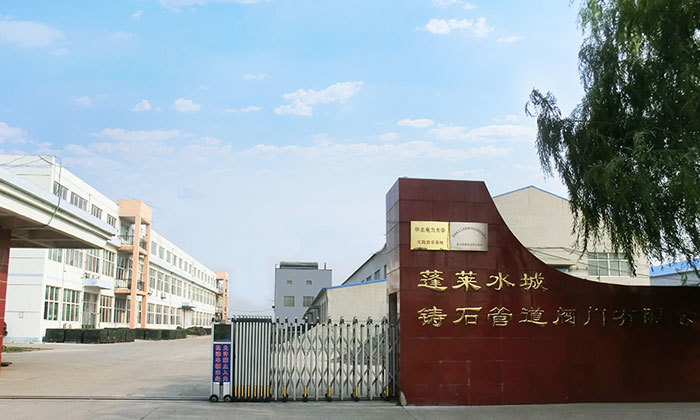
About UsSpecializing in the production and sales of wear-resistant materials such as cast basalt products, the company has obtained over 20 invention patents and utility model patents, and was awarded the "Shandong Star Enterprise of China Patent" title. The company has a history of over 20 years, and currently owns a single basalt cast basalt production line with a production capacity of 15000 tons/year, and mechanical processing equipment with an annual output of 5000 wear-resistant valves and 20000 clamp-type flexible pipe joints.
-
Cast BasaltCast basalt products include cast basalt pipes, cast basalt tiles, cast basalt powder, cast basalt lined steel pipes, etc., mainly used in industries such as electric power, metallurgy, mining, coal, building materials, and chemical.

-
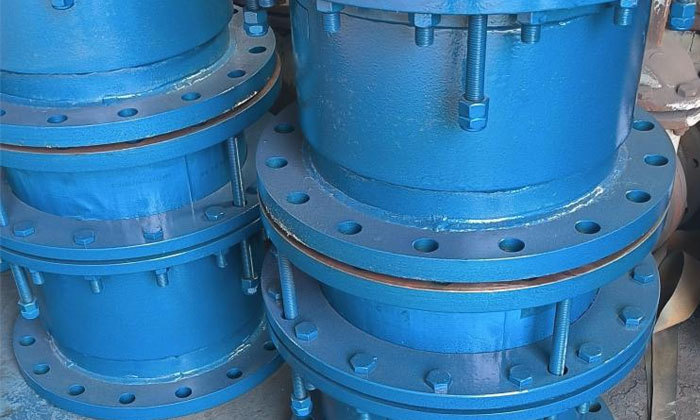
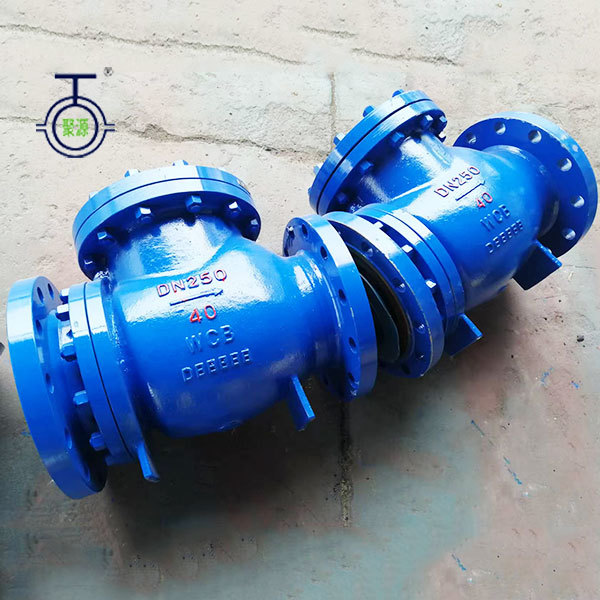
ValveCast basalt ball valves are durable, have a long service life, low fluid resistance, reliable sealing, wear and corrosion resistance, and the sealing surfaces of the ball and valve seat are always isolated from the medium during the fully open and fully closed processes of the valve, so that the medium passing through the valve at high speed will not erode the sealing surface.
-
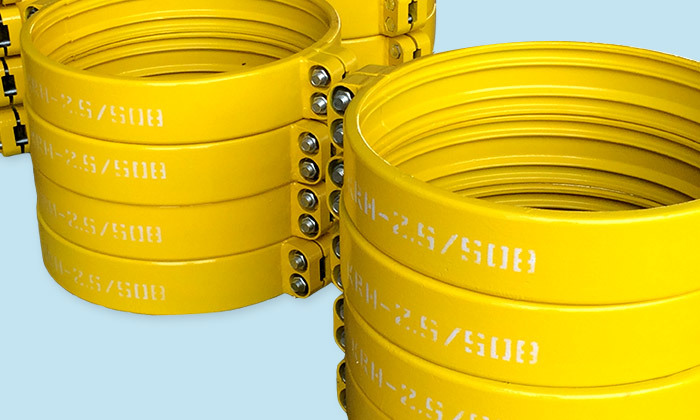
Pipe FittingClamp-type flexible pipe joints are used to connect pipes. KRH and KRJ series rolled clamp-type flexible pipe joints are patented products of our factory. They can effectively compensate for thermal expansion and contraction caused by temperature changes in the pipeline system, and can also compensate for angular changes caused by pipeline foundation settlement. They are high-pressure resistant, easy to install, and have a much better price-performance ratio than flange connections.
-
BLOGSince its establishment in 1986, the company has cumulatively produced: over 1600 kilometers of cast basalt lined steel pipes; over 260000 sets of flexible pipe joints; over 18000 valves of various types. Its products cover all provinces nationwide and are exported to countries such as South Korea, the United States, Serbia, South Africa, Zimbabwe, Japan, India, Vietnam, Russia, Poland, Ukraine, Kazakhstan, and Australia.

Ultimate Maintenance Tips for NPZ Wear-resistant Slurry Gate Valves to Extend Lifespan
Ultimate Maintenance Tips for NPZ Wear-resistant Slurry Gate Valves to Extend Lifespan Introduction to NPZ Wear-resistant Slurry Gate Valves NPZ wear-resistant slurry gate valves are crucial components in various industrial applications, particularly in the mining, mineral processing, and wastewater treatment sectors. These valves are specifically designed to manage the flow of abrasive slurries,
Ultimate Maintenance Tips for NPZ Wear-resistant Slurry Gate Valves to Extend Lifespan
Introduction to NPZ Wear-resistant Slurry Gate Valves
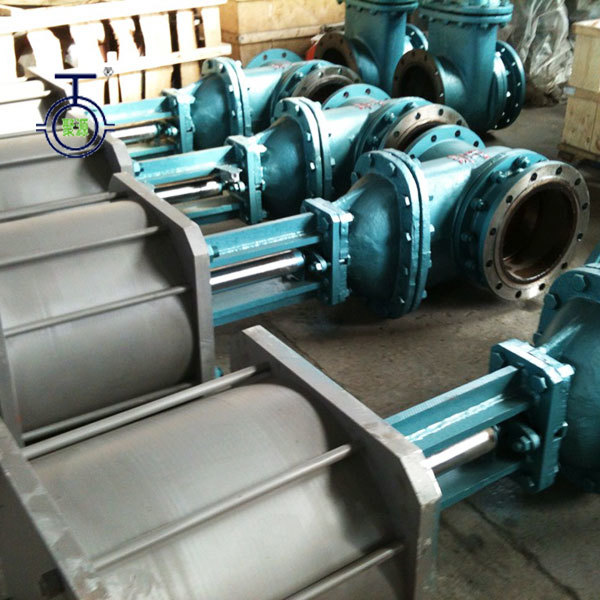
NPZ wear-resistant slurry gate valves are crucial components in various industrial applications, particularly in the mining, mineral processing, and wastewater treatment sectors. These valves are specifically designed to manage the flow of abrasive slurries, ensuring operational efficiency and minimizing downtime. Given their role in handling harsh materials, proper maintenance is vital to extending their lifespan and performance. This article delves into effective maintenance strategies tailored for NPZ wear-resistant slurry gate valves.
Table of Contents
1. Understanding the Functionality of NPZ Slurry Gate Valves
2. Importance of Regular Maintenance
3. Routine Inspection Procedures
3.1 Visual Checks
3.2 Functional Testing
4. Cleaning Procedures for Slurry Gate Valves
5. Lubrication Techniques for Enhanced Performance
6. Troubleshooting Common Issues
6.1 Leaks and Seal Failures
6.2 Sticking or Jammed Valves
7. Replacement and Repair Guidelines
8. Best Practices for Long-term Maintenance
1. Understanding the Functionality of NPZ Slurry Gate Valves
The NPZ wear-resistant slurry gate valve operates by controlling the flow of slurries through a gate mechanism. This valve type is characterized by its robust construction, designed to withstand abrasive materials. The unique features of NPZ valves include reinforced body materials and specialized seat designs that minimize wear and tear. Understanding their functionality is essential for implementing effective maintenance strategies.
2. Importance of Regular Maintenance
Regular maintenance of NPZ slurry gate valves is not merely a recommendation; it is a necessity. Routine maintenance can significantly enhance the efficiency of these valves and prevent costly downtimes. By adhering to a maintenance schedule, operators can ensure that the valves function optimally, reducing the risk of unexpected failures that could disrupt production.
3. Routine Inspection Procedures
Conducting routine inspections is vital for identifying potential issues before they escalate. Here are some key inspection procedures to follow:
3.1 Visual Checks
Visual inspections should be performed regularly to detect any signs of wear or damage. Look for:
- Corrosion on the valve body and components
- Cracked or damaged seals
- Accumulation of debris around the valve
3.2 Functional Testing
Functional testing involves operating the valve to ensure it opens and closes smoothly. Check for:
- Any unusual noises during operation
- The response time of the valve when actuated
- The overall performance under operational conditions
4. Cleaning Procedures for Slurry Gate Valves
Keeping NPZ slurry gate valves clean is essential for maintaining their functionality. The accumulation of slurry residue can lead to blockages and reduced efficiency. Follow these cleaning procedures:
- Use appropriate cleaning agents that do not corrode the valve material.
- Employ high-pressure water jets to remove stubborn debris without causing damage.
- Ensure that all components are thoroughly dried before reassembly.
5. Lubrication Techniques for Enhanced Performance
Proper lubrication is critical for the longevity of NPZ slurry gate valves. Lubrication reduces friction, preventing wear and tear on moving parts. Consider the following:
- Use high-quality, non-corrosive lubricants suitable for harsh environments.
- Apply lubricant to the moving parts and ensure even distribution.
- Regularly check lubricant levels and replenish as needed.
6. Troubleshooting Common Issues
Despite routine maintenance, issues may still arise. Here are some common problems associated with NPZ slurry gate valves and their solutions:
6.1 Leaks and Seal Failures
Leaking valves can lead to significant operational losses. To troubleshoot:
- Inspect seals for signs of wear or damage.
- Replace seals as necessary, ensuring proper seating during installation.
- Tighten any loose fittings that may contribute to leaks.
6.2 Sticking or Jammed Valves
Sticking valves can disrupt the flow of slurries, impacting production. If a valve is sticking:
- Check for debris in the valve mechanism.
- Ensure that the actuator is functioning correctly and providing adequate force.
- Lubricate moving parts to reduce friction.
7. Replacement and Repair Guidelines
In some cases, repairs may not suffice, and replacement of components may be necessary. Here are guidelines for replacing NPZ slurry gate valves:
- Always consult the manufacturer’s specifications for replacement parts.
- Ensure proper alignment during installation to prevent future issues.
- Test the newly installed valve for functionality before returning it to service.
8. Best Practices for Long-term Maintenance
To maximize the lifespan of NPZ wear-resistant slurry gate valves, implement these best practices:
- Develop a comprehensive maintenance schedule that includes inspections, cleaning, and lubrication.
- Train staff on proper valve operation and maintenance procedures.
- Keep detailed records of maintenance activities to track performance and identify trends.
Conclusion
Effective maintenance of NPZ wear-resistant slurry gate valves is crucial for ensuring their longevity and operational efficiency. By regularly inspecting, cleaning, lubricating, and addressing issues promptly, operators can minimize downtime and extend the lifespan of these critical components. Adhering to best practices and developing a robust maintenance strategy will not only enhance the performance of NPZ slurry gate valves but also contribute to overall operational success in industrial settings.
FAQs
1. How often should NPZ slurry gate valves be inspected?
Regular inspections should be conducted at least every six months, or more frequently based on operational conditions.
2. What cleaning agents are safe for NPZ slurry gate valves?
Use non-corrosive cleaning agents specifically designed for industrial equipment to prevent damage to valve materials.
3. Can I perform maintenance on NPZ valves without professional assistance?
While basic maintenance tasks can be performed by trained personnel, it is advisable to consult professionals for complex repairs.
4. What signs indicate a need for valve replacement?
Signs include persistent leaks, damaged seals, and consistent operational failures despite maintenance efforts.
5. How can I improve the performance of my slurry gate valves?
Regular maintenance, proper lubrication, and adhering to operational guidelines will significantly enhance valve performance.
Recommended

Maximizing Efficiency: A Comprehensive Guide to NPZ Wear-resistant Slurry Gate Valves Performance

Supplier of wear-resistant material solutions, specializing in cast basalt products
Many years of focus on the production and sales of high-quality wear-resistant materials, mainly used in power, metallurgy, mining, coal, building materials, chemical, and other industries.
Leave your contact information to get the latest product discount information

Mobile Website

Contact Us
Phone: +86-535-5632189 / 5666528 / 5637763
Fax: +86-535-5666528 / 5642975
Email: z.minhui@plsczsgdfm.com
Address: No. 6 Zhenxing, Liujiagou Town, Penglai District, Yantai City, Shandong Province


