
-
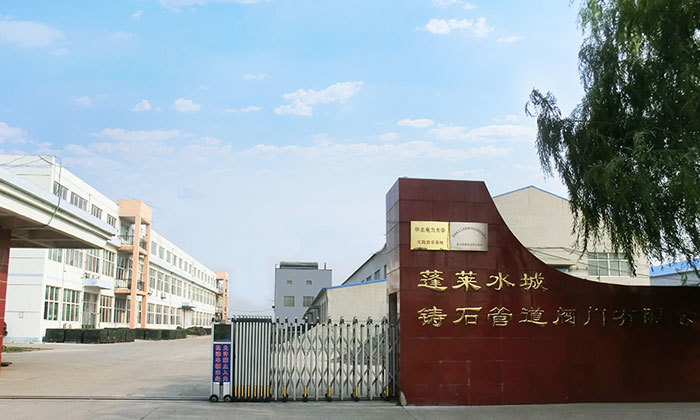
About UsSpecializing in the production and sales of wear-resistant materials such as cast basalt products, the company has obtained over 20 invention patents and utility model patents, and was awarded the "Shandong Star Enterprise of China Patent" title. The company has a history of over 20 years, and currently owns a single basalt cast basalt production line with a production capacity of 15000 tons/year, and mechanical processing equipment with an annual output of 5000 wear-resistant valves and 20000 clamp-type flexible pipe joints.
-
Cast BasaltCast basalt products include cast basalt pipes, cast basalt tiles, cast basalt powder, cast basalt lined steel pipes, etc., mainly used in industries such as electric power, metallurgy, mining, coal, building materials, and chemical.

-
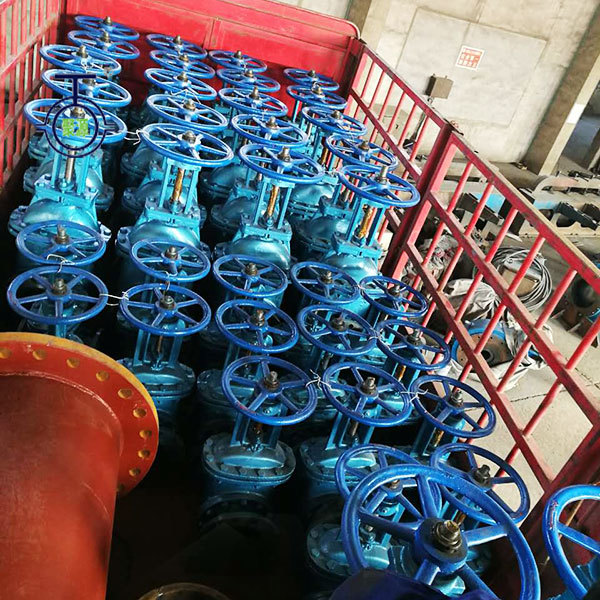
ValveCast basalt ball valves are durable, have a long service life, low fluid resistance, reliable sealing, wear and corrosion resistance, and the sealing surfaces of the ball and valve seat are always isolated from the medium during the fully open and fully closed processes of the valve, so that the medium passing through the valve at high speed will not erode the sealing surface.
-
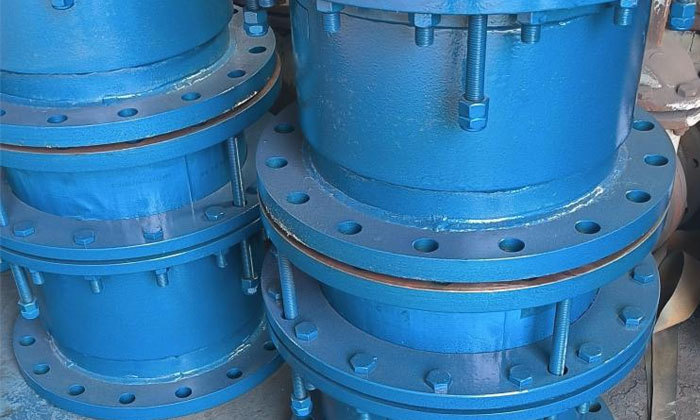
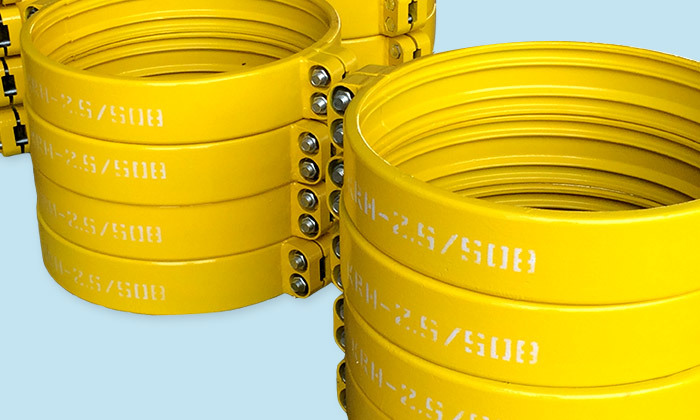
Pipe FittingClamp-type flexible pipe joints are used to connect pipes. KRH and KRJ series rolled clamp-type flexible pipe joints are patented products of our factory. They can effectively compensate for thermal expansion and contraction caused by temperature changes in the pipeline system, and can also compensate for angular changes caused by pipeline foundation settlement. They are high-pressure resistant, easy to install, and have a much better price-performance ratio than flange connections.
-
BLOGSince its establishment in 1986, the company has cumulatively produced: over 1600 kilometers of cast basalt lined steel pipes; over 260000 sets of flexible pipe joints; over 18000 valves of various types. Its products cover all provinces nationwide and are exported to countries such as South Korea, the United States, Serbia, South Africa, Zimbabwe, Japan, India, Vietnam, Russia, Poland, Ukraine, Kazakhstan, and Australia.

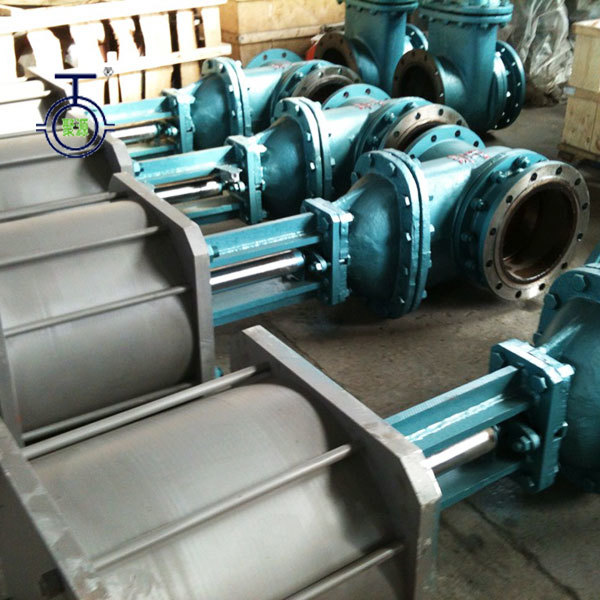
The Science Behind NPZ Wear-resistant Slurry Gate Valves: What You Need to Know
The Science Behind NPZ Wear-resistant Slurry Gate Valves: What You Need to Know Introduction to NPZ Wear-resistant Slurry Gate Valves NPZ wear-resistant slurry gate valves are pivotal components in various industrial processes, particularly in sectors like mining, metallurgy, and waste treatment. These valves manage the flow of abrasive slurries, which include a mix of solid particles suspended in
The Science Behind NPZ Wear-resistant Slurry Gate Valves: What You Need to Know
Introduction to NPZ Wear-resistant Slurry Gate Valves
NPZ wear-resistant slurry gate valves are pivotal components in various industrial processes, particularly in sectors like mining, metallurgy, and waste treatment. These valves manage the flow of abrasive slurries, which include a mix of solid particles suspended in liquid. Understanding the engineering and material science behind these valves is crucial for selecting the right equipment for your operations.
What Are Slurry Gate Valves?
Slurry gate valves are specialized valves designed to handle slurries with high solid content. Unlike standard valves, these are built to endure severe operating conditions, including high wear and tear from abrasive materials.
Key Features of NPZ Wear-resistant Slurry Gate Valves
1. **Durability**: Constructed using high-performance materials, NPZ valves resist wear and corrosion effectively.
2. **Design**: Innovative designs minimize turbulence and ensure smooth flow, reducing the potential for blockages.
3. **Versatility**: Suitable for various applications—from mining operations to wastewater management.
The Material Science Behind NPZ Valves
Material selection is critical in designing wear-resistant slurry gate valves. The materials used are engineered to withstand not only physical wear but also chemical corrosion.
Types of Materials Used in NPZ Valves
1. **High-Chrome White Iron**: Commonly used for its exceptional hardness and erosion resistance.
2. **Ceramic Coatings**: Provide additional protection against abrasion.
3. **Stainless Steel**: Often utilized for the valve body to enhance corrosion resistance.
The Role of High-Chrome White Iron
High-chrome white iron is a favored choice for NPZ valves due to its durability. It can withstand the high-impact forces from solid particles, making it ideal for slurry applications. The microstructure of this material allows it to retain hardness while providing some level of toughness.
Understanding Valve Design and Operation
The design of NPZ wear-resistant slurry gate valves is crucial for their functionality. A thorough understanding of how these valves operate can lead to better maintenance and performance.
Operational Mechanism of Slurry Gate Valves
These valves typically operate by utilizing a gate that either blocks or allows the flow of slurry. When the gate is lifted, the flow opens, and when it is lowered, the flow is stopped.
Flow Dynamics
The design minimizes turbulence, which is essential for maintaining the integrity of both the valve and the slurry. A smooth flow path reduces wear and enhances efficiency.
Applications of NPZ Wear-resistant Slurry Gate Valves
NPZ slurry gate valves find applications across various industries, making them versatile tools in handling challenging materials.
Industries That Benefit from NPZ Valves
1. **Mining**: Manage the flow of mineral slurries efficiently.
2. **Metallurgy**: Control processes involving molten metals and slurries.
3. **Wastewater Treatment**: Handle sludge and other abrasive materials.
Case Study: Mining Industry
In mining operations, NPZ valves play a critical role in separating valuable minerals from waste material. Their ability to manage abrasive slurries directly impacts the efficiency and safety of mining processes.
Benefits of Using NPZ Wear-resistant Slurry Gate Valves
Integrating NPZ wear-resistant slurry gate valves into your industrial processes provides numerous advantages.
Enhancing Operational Efficiency
By utilizing high-quality materials and innovative designs, these valves can handle higher flow rates with lower wear rates, leading to reduced downtime and maintenance costs.
Cost-effectiveness
Although NPZ valves may have a higher upfront cost, their durability and efficiency lead to significant cost savings over time through reduced replacements and maintenance.
Maintenance Best Practices for NPZ Valves
Ensuring the longevity of wear-resistant slurry gate valves requires proper maintenance.
Regular Inspection and Testing
Frequent inspections can help identify wear and potential failures before they affect operations.
Common Maintenance Procedures
1. **Cleaning**: Regularly remove debris and buildup from valve surfaces.
2. **Lubrication**: Keep moving parts well-lubricated to reduce friction.
3. **Component Replacement**: Timely replacement of worn parts can extend the lifespan of the entire valve.
Challenges and Solutions in Using Slurry Gate Valves
While NPZ wear-resistant slurry gate valves offer many benefits, they are not without challenges.
Common Challenges Faced
1. **Sealing Issues**: As slurries can be abrasive, seals may wear out faster than expected.
2. **Corrosion**: Continuous exposure to corrosive materials can lead to premature valve failure.
Effective Solutions
1. **Advanced Sealing Technology**: Utilize materials that exhibit higher resistance to wear and corrosion.
2. **Regular Maintenance**: Implementing a strict maintenance protocol can mitigate many common issues.
Future Innovations in Slurry Gate Valve Technology
The field of industrial valve technology is ever-evolving. Ongoing research and development are leading to innovative solutions that can further enhance the performance of NPZ wear-resistant slurry gate valves.
Emerging Trends
1. **Smart Valves**: Integration of IoT technology for real-time monitoring and diagnostics.
2. **Advanced Materials**: Development of new alloys and composite materials to further enhance performance.
Impact of Technology on Performance
As technology progresses, the reliability and efficiency of slurry gate valves will continue to improve, allowing industries to operate more efficiently and sustainably.
Frequently Asked Questions (FAQs)
1. What is the lifespan of NPZ wear-resistant slurry gate valves?
The lifespan can vary depending on the operating conditions and maintenance, but with proper care, they can last several years.
2. How do I choose the right size NPZ valve for my application?
Consider the flow rate, pressure, and type of slurry when selecting the valve size.
3. Are NPZ valves suitable for high-temperature applications?
Yes, NPZ valves can be designed to withstand high temperatures, but specific materials need to be chosen accordingly.
4. What are the signs that my slurry gate valve needs maintenance?
Look for leaks, unusual noises during operation, or reduced flow rates as indicators of possible maintenance needs.
5. Can NPZ valves handle corrosive materials?
Yes, NPZ valves can be made from materials that resist corrosion, making them suitable for handling aggressive slurries.
Conclusion
Understanding the science behind NPZ wear-resistant slurry gate valves is essential for any operation reliant on managing abrasive slurries. By selecting the right materials and designs, and adhering to proper maintenance practices, industries can significantly enhance their operational efficiency and longevity of equipment. As technology advances, these valves will continue to evolve, promising even greater reliability and effectiveness in managing the challenges of industrial slurry handling.
Recommended

Optimizing Your Equipment with Cast Basalt Cylinder Technology: A Comprehensive Guide

Supplier of wear-resistant material solutions, specializing in cast basalt products
Many years of focus on the production and sales of high-quality wear-resistant materials, mainly used in power, metallurgy, mining, coal, building materials, chemical, and other industries.
Leave your contact information to get the latest product discount information

Mobile Website

Contact Us
Phone: +86-535-5632189 / 5666528 / 5637763
Fax: +86-535-5666528 / 5642975
Email: z.minhui@plsczsgdfm.com
Address: No. 6 Zhenxing, Liujiagou Town, Penglai District, Yantai City, Shandong Province


