
-
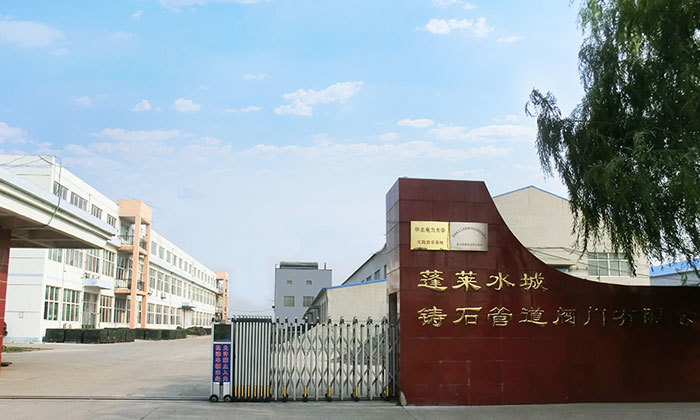
About UsSpecializing in the production and sales of wear-resistant materials such as cast basalt products, the company has obtained over 20 invention patents and utility model patents, and was awarded the "Shandong Star Enterprise of China Patent" title. The company has a history of over 20 years, and currently owns a single basalt cast basalt production line with a production capacity of 15000 tons/year, and mechanical processing equipment with an annual output of 5000 wear-resistant valves and 20000 clamp-type flexible pipe joints.
-
Cast BasaltCast basalt products include cast basalt pipes, cast basalt tiles, cast basalt powder, cast basalt lined steel pipes, etc., mainly used in industries such as electric power, metallurgy, mining, coal, building materials, and chemical.

-
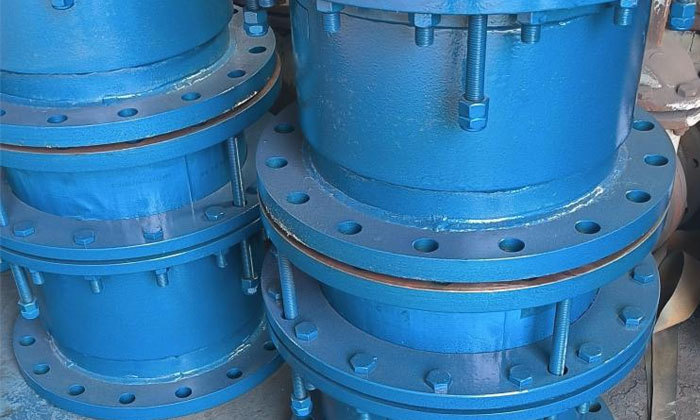
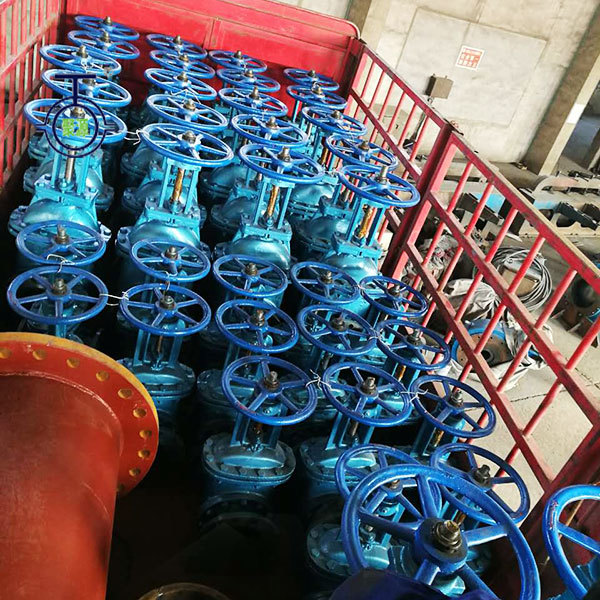
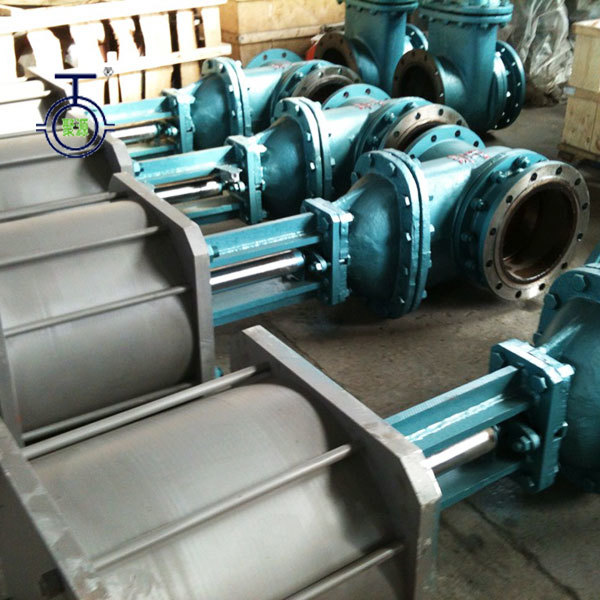
ValveCast basalt ball valves are durable, have a long service life, low fluid resistance, reliable sealing, wear and corrosion resistance, and the sealing surfaces of the ball and valve seat are always isolated from the medium during the fully open and fully closed processes of the valve, so that the medium passing through the valve at high speed will not erode the sealing surface.
-
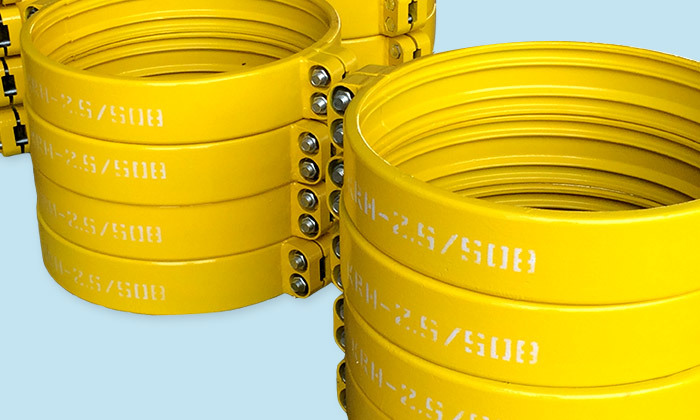
Pipe FittingClamp-type flexible pipe joints are used to connect pipes. KRH and KRJ series rolled clamp-type flexible pipe joints are patented products of our factory. They can effectively compensate for thermal expansion and contraction caused by temperature changes in the pipeline system, and can also compensate for angular changes caused by pipeline foundation settlement. They are high-pressure resistant, easy to install, and have a much better price-performance ratio than flange connections.
-
BLOGSince its establishment in 1986, the company has cumulatively produced: over 1600 kilometers of cast basalt lined steel pipes; over 260000 sets of flexible pipe joints; over 18000 valves of various types. Its products cover all provinces nationwide and are exported to countries such as South Korea, the United States, Serbia, South Africa, Zimbabwe, Japan, India, Vietnam, Russia, Poland, Ukraine, Kazakhstan, and Australia.

The Impact of Cast Basalt Tile on Chute Lining Longevity: An In-Depth Analysis
The Impact of Cast Basalt Tile on Chute Lining Longevity Table of Contents 1. Introduction to Cast Basalt Tile and Its Uses 2. Understanding Chute Lining: Purpose and Importance 3. Benefits of Using Cast Basalt Tile for Chute Linings 4. The Installation Process of Cast Basalt Tile 5. Maintenance Best Practices for Chute Linings 6. Cost Efficiency of Cast Basalt Tile in Chute Linin
The Impact of Cast Basalt Tile on Chute Lining Longevity
Table of Contents
- 1. Introduction to Cast Basalt Tile and Its Uses
- 2. Understanding Chute Lining: Purpose and Importance
- 3. Benefits of Using Cast Basalt Tile for Chute Linings
- 4. The Installation Process of Cast Basalt Tile
- 5. Maintenance Best Practices for Chute Linings
- 6. Cost Efficiency of Cast Basalt Tile in Chute Linings
- 7. Case Studies: Success Stories of Cast Basalt Tile Applications
- 8. Future Trends and Innovations in Chute Lining Solutions
- 9. Frequently Asked Questions
- 10. Conclusion
1. Introduction to Cast Basalt Tile and Its Uses
Cast basalt tile has emerged as a pivotal solution in the manufacturing and industrial sectors, particularly in applications requiring robust and reliable chute linings. This specialized material inherits excellent properties from the casting process of basalt rock, which is known for its incredible durability and resistance to wear and tear. As industries strive for efficiency and longevity in their equipment, understanding how cast basalt tile can significantly enhance chute lining longevity becomes paramount.
2. Understanding Chute Lining: Purpose and Importance
Chute linings serve a critical role in many industrial processes, primarily by directing the flow of materials and protecting the underlying structure from abrasion and impact. The right lining material can minimize wear and prolong the lifespan of chutes, leading to fewer downtimes and reduced maintenance costs. Thus, selecting an appropriate lining solution is essential for operational efficiency.
The Role of Chute Linings in Material Handling
Chute linings are particularly vital in material handling systems, where the movement of bulk materials occurs. The choice of material for these linings directly influences the performance and reliability of the entire system. A well-designed chute with high-quality linings can significantly enhance throughput and efficiency.
3. Benefits of Using Cast Basalt Tile for Chute Linings
Cast basalt tile offers multiple advantages that make it a preferred choice for chute linings in various industrial settings. Here are some of the key benefits:
Exceptional Wear Resistance
One of the standout features of cast basalt tile is its remarkable wear resistance. The inherent hardness of basalt rock allows it to withstand high levels of abrasion, ensuring that the linings remain intact even in demanding conditions.
High Temperature and Chemical Resistance
Cast basalt tile can endure high temperatures, making it suitable for applications involving hot materials. Additionally, its chemical resistance helps in environments where corrosive materials may be present, thus prolonging the life of the linings.
Ease of Installation and Customization
The installation of cast basalt tiles is straightforward, allowing for quick replacements and minimal downtime. Moreover, these tiles can be customized to fit specific chute designs, ensuring a perfect fit and maximum effectiveness.
4. The Installation Process of Cast Basalt Tile
Proper installation of cast basalt tile is crucial for maximizing its benefits. Here’s a step-by-step overview of the installation process:
Preparation of the Chute Surface
Before installation, it is essential to prepare the surface of the chute by cleaning it thoroughly and repairing any damage. This step ensures that the tiles adhere properly and function effectively.
Applying Adhesives
A suitable adhesive should be applied to the prepared surface, ensuring an even layer that will hold the tiles securely in place. The choice of adhesive may depend on the specific operating conditions of the chute.
Positioning the Tiles
Carefully position each cast basalt tile according to the design layout. It is crucial to ensure that the tiles fit snugly together, minimizing any gaps that could lead to material accumulation or wear.
Final Inspection and Testing
Once installed, a final inspection should be conducted to ensure that all tiles are securely in place and that no areas are left exposed. Conducting tests on the chute post-installation can help verify its operational efficiency.
5. Maintenance Best Practices for Chute Linings
To maximize the longevity of cast basalt tile linings, regular maintenance is essential. Here are some best practices:
Regular Inspections
Conducting regular inspections of chute linings allows for the early detection of wear and tear. Identifying issues before they escalate can save time and money in the long run.
Cleaning Procedures
Implementing effective cleaning procedures helps maintain the performance of the chute. Removing debris and buildup can prevent potential damage to the lining and ensure smooth material flow.
Monitoring Material Flow
Keep an eye on the type and amount of material passing through the chute. Abrasive materials may require more frequent inspections and maintenance to prevent unnecessary wear on the linings.
6. Cost Efficiency of Cast Basalt Tile in Chute Linings
While the initial investment in cast basalt tile may be higher than other materials, the long-term cost savings are significant. The durability and longevity of these tiles reduce the frequency of replacements, leading to reduced downtime and lower maintenance costs.
Return on Investment (ROI)
Calculating the ROI of installing cast basalt tiles involves considering the extended lifespan, reduced maintenance expenses, and improved efficiency of material handling systems. In many cases, businesses find that investing in high-quality linings pays off handsomely over time.
7. Case Studies: Success Stories of Cast Basalt Tile Applications
Several industries have successfully implemented cast basalt tile in their chute lining solutions, resulting in significant performance improvements.
Case Study 1: Mining Industry
In a mining operation, cast basalt tiles were utilized in chutes handling abrasive ores. The result was a reduction in wear rates by over 50%, leading to decreased maintenance costs and increased productivity.
Case Study 2: Cement Manufacturing
A cement manufacturing plant adopted cast basalt tile in their conveying systems. The tiles significantly prolonged the life of their chute linings, resulting in fewer interruptions and enhanced overall efficiency.
8. Future Trends and Innovations in Chute Lining Solutions
As industries continue to evolve, so too will the materials and methods used for chute linings. Innovations in material science may lead to even more advanced formulations of cast basalt tiles, enhancing their properties.
Smart Technology Integration
Future chute linings may incorporate smart technologies that monitor wear in real-time, providing valuable data for proactive maintenance and ensuring optimal performance.
Environmentally Friendly Options
With a growing emphasis on sustainability, the development of eco-friendly materials that offer similar benefits as cast basalt tile may soon emerge, providing even more options for businesses looking to minimize their environmental impact.
9. Frequently Asked Questions
What is cast basalt tile made from?
Cast basalt tile is made from basalt rock, which is melted and cast into tiles. This process results in a highly durable material that is resistant to abrasion and thermal shock.
How long does cast basalt tile last?
The lifespan of cast basalt tile can vary based on the application and operating conditions, but it typically lasts significantly longer than traditional materials, often exceeding several years.
Is cast basalt tile suitable for all types of materials?
While cast basalt tile is highly durable, its suitability may depend on the specific materials being handled. It is particularly effective for abrasive and corrosive materials.
Can cast basalt tiles be repaired if damaged?
Yes, damaged cast basalt tiles can often be repaired or replaced without needing to overhaul the entire chute lining.
Are there any disadvantages to using cast basalt tile?
Some potential disadvantages include the higher initial cost compared to other materials and the need for skilled labor for installation. However, the long-term benefits often outweigh these concerns.
10. Conclusion
The incorporation of cast basalt tile in chute linings offers a multitude of benefits that significantly enhance the longevity and efficiency of industrial operations. By understanding the properties of cast basalt, the installation process, maintenance practices, and the economic advantages it brings, businesses can make informed decisions that lead to long-term success. As industries continue to evolve, embracing innovative materials like cast basalt tile ensures operational resilience and sustainability in an ever-competitive landscape.
Recommended

Optimizing Your Equipment with Cast Basalt Cylinder Technology: A Comprehensive Guide

Supplier of wear-resistant material solutions, specializing in cast basalt products
Many years of focus on the production and sales of high-quality wear-resistant materials, mainly used in power, metallurgy, mining, coal, building materials, chemical, and other industries.
Leave your contact information to get the latest product discount information

Mobile Website

Contact Us
Phone: +86-535-5632189 / 5666528 / 5637763
Fax: +86-535-5666528 / 5642975
Email: z.minhui@plsczsgdfm.com
Address: No. 6 Zhenxing, Liujiagou Town, Penglai District, Yantai City, Shandong Province


