
-
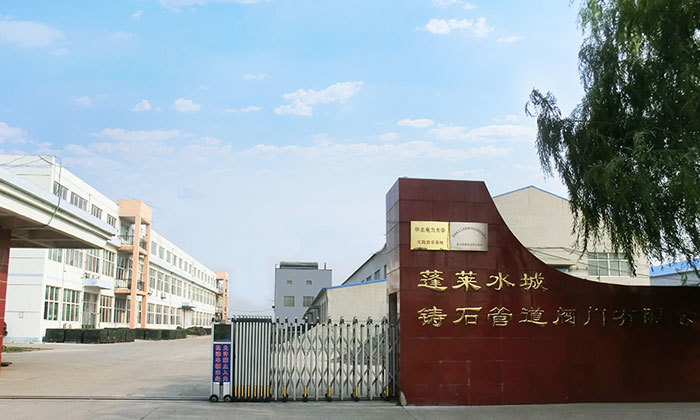
About UsSpecializing in the production and sales of wear-resistant materials such as cast basalt products, the company has obtained over 20 invention patents and utility model patents, and was awarded the "Shandong Star Enterprise of China Patent" title. The company has a history of over 20 years, and currently owns a single basalt cast basalt production line with a production capacity of 15000 tons/year, and mechanical processing equipment with an annual output of 5000 wear-resistant valves and 20000 clamp-type flexible pipe joints.
-
Cast BasaltCast basalt products include cast basalt pipes, cast basalt tiles, cast basalt powder, cast basalt lined steel pipes, etc., mainly used in industries such as electric power, metallurgy, mining, coal, building materials, and chemical.

-
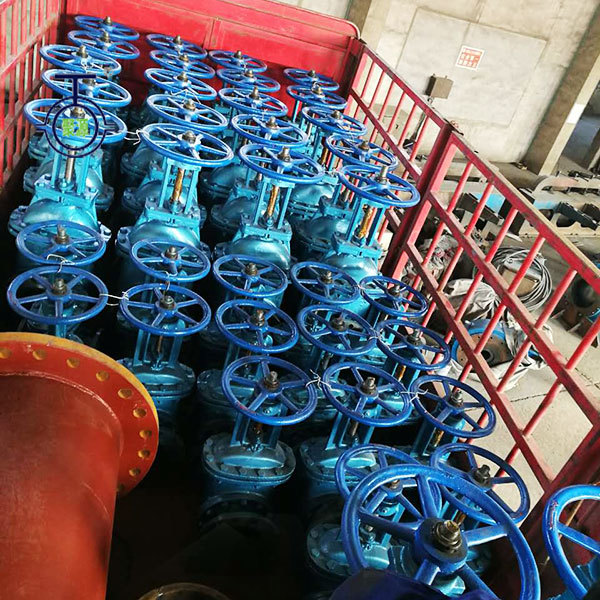
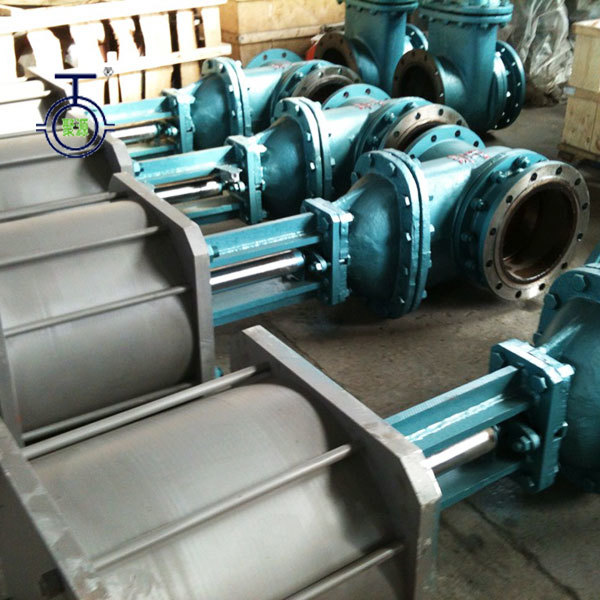
ValveCast basalt ball valves are durable, have a long service life, low fluid resistance, reliable sealing, wear and corrosion resistance, and the sealing surfaces of the ball and valve seat are always isolated from the medium during the fully open and fully closed processes of the valve, so that the medium passing through the valve at high speed will not erode the sealing surface.
-
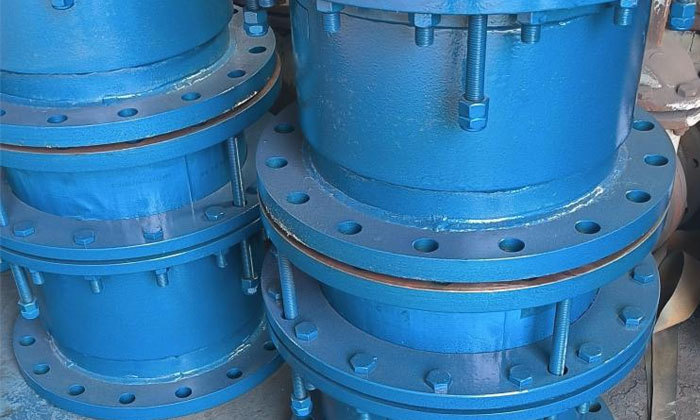
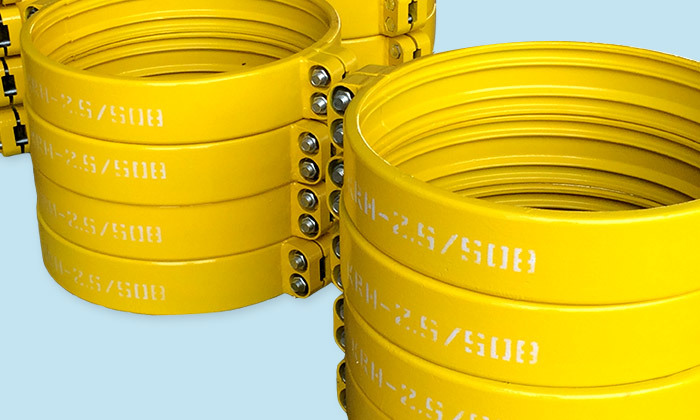
Pipe FittingClamp-type flexible pipe joints are used to connect pipes. KRH and KRJ series rolled clamp-type flexible pipe joints are patented products of our factory. They can effectively compensate for thermal expansion and contraction caused by temperature changes in the pipeline system, and can also compensate for angular changes caused by pipeline foundation settlement. They are high-pressure resistant, easy to install, and have a much better price-performance ratio than flange connections.
-
BLOGSince its establishment in 1986, the company has cumulatively produced: over 1600 kilometers of cast basalt lined steel pipes; over 260000 sets of flexible pipe joints; over 18000 valves of various types. Its products cover all provinces nationwide and are exported to countries such as South Korea, the United States, Serbia, South Africa, Zimbabwe, Japan, India, Vietnam, Russia, Poland, Ukraine, Kazakhstan, and Australia.

Understanding the Essential Function of Wear-Resistant Flow Control Valves in Heat Treatment Equipment
Understanding the Essential Function of Wear-Resistant Flow Control Valves in Heat Treatment Equipment Table of Contents Introduction to Flow Control Valves in Heat Treatment What are Wear-Resistant Flow Control Valves? Importance of Flow Control Valves in Heat Treatment Equipment Benefits of Using Wear-Resistant Flow Control Valves Types of Wear-Resistant Flow Control Valves Applicat
Understanding the Essential Function of Wear-Resistant Flow Control Valves in Heat Treatment Equipment
Table of Contents
- Introduction to Flow Control Valves in Heat Treatment
- What are Wear-Resistant Flow Control Valves?
- Importance of Flow Control Valves in Heat Treatment Equipment
- Benefits of Using Wear-Resistant Flow Control Valves
- Types of Wear-Resistant Flow Control Valves
- Applications of Flow Control Valves in Heat Treatment
- Maintenance and Care of Flow Control Valves
- Future Trends in Flow Control Valve Technology
- Frequently Asked Questions
- Conclusion: The Significance of Quality Flow Control
Introduction to Flow Control Valves in Heat Treatment
Heat treatment processes are integral in various industrial applications, especially in the manufacturing of metal components. Among the critical components in heat treatment equipment are wear-resistant flow control valves. These valves regulate the flow of fluids, ensuring optimal temperature and pressure conditions are maintained during the heat treatment process. Understanding their role is essential for manufacturers aiming to enhance the effectiveness and reliability of their equipment.
What are Wear-Resistant Flow Control Valves?
Wear-resistant flow control valves are specialized devices designed to manage and direct fluid flow within heat treatment systems. Unlike standard flow control valves, which may degrade over time due to the harsh conditions of heat treatment, wear-resistant valves are constructed from robust materials that withstand high temperatures and abrasive substances.
These valves function by opening and closing to either restrict or allow the flow of fluids, which is crucial for maintaining precise control over heat treatment parameters. They are typically used in conjunction with other equipment, such as furnaces and quenching systems, to ensure uniform temperature distribution and prevent overheating or underheating of materials.
Importance of Flow Control Valves in Heat Treatment Equipment
The significance of wear-resistant flow control valves in heat treatment equipment cannot be overstated. They play a vital role in ensuring quality control throughout the heat treatment process. Here are some key reasons why these valves are essential:
Temperature Regulation
Maintaining the right temperature is critical in heat treatment. Flow control valves help regulate fluid flow, which in turn controls the heat transfer to the materials being treated. This regulation is paramount for achieving desired mechanical properties in metals.
Pressure Management
Pressure fluctuations can lead to inconsistent heat treatment results. Flow control valves stabilize pressure levels, ensuring that the heat treatment process runs smoothly and efficiently.
Efficiency Optimization
By ensuring precise control over fluid flow, wear-resistant flow control valves help optimize the overall efficiency of heat treatment equipment. This efficiency translates into energy savings and reduced operational costs.
Benefits of Using Wear-Resistant Flow Control Valves
Employing wear-resistant flow control valves in heat treatment processes offers numerous advantages:
Extended Lifespan
Due to their robust construction, wear-resistant valves last significantly longer than conventional valves. This longevity translates into lower replacement costs and less downtime for maintenance.
Enhanced Performance
These valves maintain consistent performance under high temperatures and pressures, ensuring reliable operation and optimal heat treatment results.
Reduced Maintenance Needs
The durability of wear-resistant flow control valves reduces the frequency of maintenance interventions, allowing for more efficient operation and minimizing disruptions in production.
Cost-Effective Solutions
While the initial investment may be higher, the long-term savings achieved through reduced maintenance and increased reliability make wear-resistant flow control valves a cost-effective solution for heat treatment equipment.
Types of Wear-Resistant Flow Control Valves
Understanding the different types of wear-resistant flow control valves can help in selecting the right one for specific applications. Here are some common types:
Ball Valves
Ball valves utilize a spherical closure element to control flow. They provide excellent sealing and are suitable for high-pressure applications.
Gate Valves
Gate valves offer minimal flow resistance and are ideal for on/off control in heat treatment systems. They are particularly effective for large-diameter pipelines.
Globe Valves
Globe valves are designed for throttling flow and are more effective in regulating flow rates compared to other types. They are often used in applications where precise flow control is essential.
Check Valves
Check valves prevent backflow, ensuring that fluids flow in one direction. This feature is critical in preventing damage to equipment and ensuring the integrity of the heat treatment process.
Applications of Flow Control Valves in Heat Treatment
Wear-resistant flow control valves find applications across various sectors within heat treatment processes:
Metal Hardening
In metal hardening processes, these valves regulate the flow of quenching fluids, ensuring uniform cooling rates essential for achieving desired hardness levels.
Annealing
During the annealing process, flow control valves help maintain specific temperatures and regulate the atmosphere within furnaces, preventing oxidation and ensuring high-quality finishes.
Tempering
Flow control valves manage the flow of tempering fluids, providing the necessary heat and fluid dynamics to achieve optimal mechanical properties in treated materials.
Maintenance and Care of Flow Control Valves
Proper maintenance of wear-resistant flow control valves is crucial for their longevity and performance. Here are some best practices:
Regular Inspections
Conduct routine inspections to check for signs of wear, leaks, or damage. Early detection can prevent more extensive issues down the line.
Cleaning
Keeping valves clean from debris and contaminants is essential for smooth operation. Regular cleaning helps maintain flow accuracy and prolongs valve life.
Lubrication
Ensure that moving parts are adequately lubricated according to manufacturer specifications to prevent wear and improve functionality.
Replacement of Worn Parts
Promptly replace any worn or damaged components to maintain the efficiency and reliability of the heat treatment system.
Future Trends in Flow Control Valve Technology
As industrial processes evolve, so does the technology behind flow control valves. Here are some emerging trends in the field:
Smart Valves
The integration of IoT technology into flow control valves allows for enhanced monitoring and automation, providing real-time data on valve performance and facilitating predictive maintenance.
Advanced Materials
Research into new, more durable materials continues to innovate valve design, improving resistance to extreme temperatures and corrosive environments.
Sustainability Initiatives
The push for sustainable manufacturing practices drives the development of valves that reduce energy consumption and minimize waste, aligning with global environmental goals.
Frequently Asked Questions
1. What are the signs of wear in flow control valves?
Common signs of wear include leaks, difficulty in operation, and irregular flow rates. Regular inspections can help detect these issues early.
2. Can I use standard valves instead of wear-resistant ones?
While standard valves can be used, they may not withstand the harsh conditions of heat treatment, leading to frequent failures and increased maintenance costs.
3. How often should flow control valves be maintained?
It’s advisable to perform maintenance checks every six months or as per the manufacturer’s guidelines, depending on usage and operating conditions.
4. What materials are wear-resistant flow control valves typically made from?
They are often made from high-performance alloys, stainless steel, or specialized composites designed to withstand high temperatures and corrosive environments.
5. Are smart flow control valves worth the investment?
Yes, smart valves can significantly enhance performance, reduce downtime, and provide valuable data for improving operational efficiency, making them a worthwhile investment.
Conclusion: The Significance of Quality Flow Control
In conclusion, wear-resistant flow control valves are indispensable components in heat treatment equipment. Their ability to regulate fluid flow effectively ensures optimal temperature and pressure conditions, which are crucial for achieving high-quality results in metal treatment processes. By understanding their function, benefits, and applications, manufacturers can make informed decisions that enhance the efficiency and longevity of their equipment. Investing in quality flow control valves not only improves operational performance but also drives cost savings and sustainability in today’s competitive industrial landscape.
Recommended

Optimizing Your Equipment with Cast Basalt Cylinder Technology: A Comprehensive Guide

Supplier of wear-resistant material solutions, specializing in cast basalt products
Many years of focus on the production and sales of high-quality wear-resistant materials, mainly used in power, metallurgy, mining, coal, building materials, chemical, and other industries.
Leave your contact information to get the latest product discount information

Mobile Website

Contact Us
Phone: +86-535-5632189 / 5666528 / 5637763
Fax: +86-535-5666528 / 5642975
Email: z.minhui@plsczsgdfm.com
Address: No. 6 Zhenxing, Liujiagou Town, Penglai District, Yantai City, Shandong Province


