
-
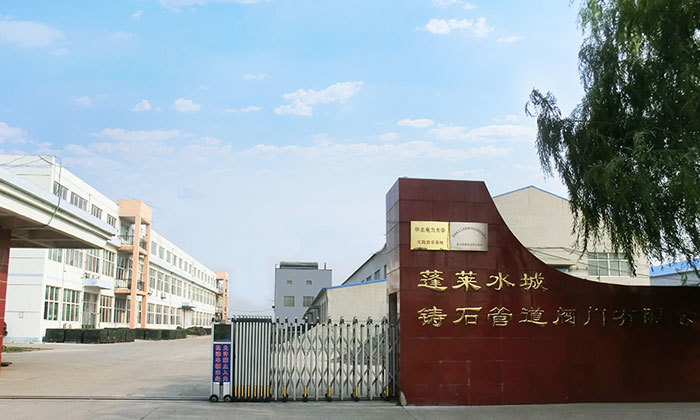
About UsSpecializing in the production and sales of wear-resistant materials such as cast basalt products, the company has obtained over 20 invention patents and utility model patents, and was awarded the "Shandong Star Enterprise of China Patent" title. The company has a history of over 20 years, and currently owns a single basalt cast basalt production line with a production capacity of 15000 tons/year, and mechanical processing equipment with an annual output of 5000 wear-resistant valves and 20000 clamp-type flexible pipe joints.
-
Cast BasaltCast basalt products include cast basalt pipes, cast basalt tiles, cast basalt powder, cast basalt lined steel pipes, etc., mainly used in industries such as electric power, metallurgy, mining, coal, building materials, and chemical.

-
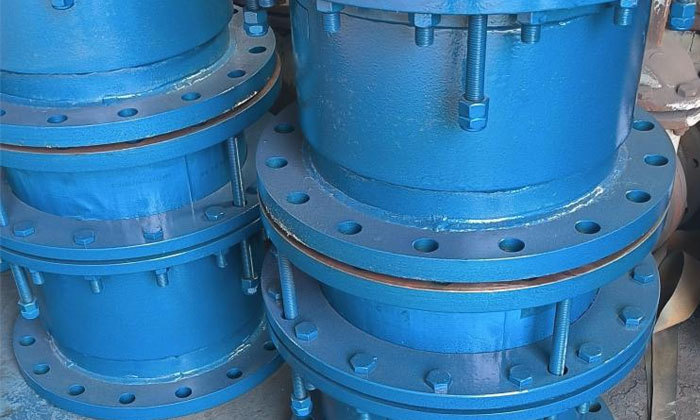
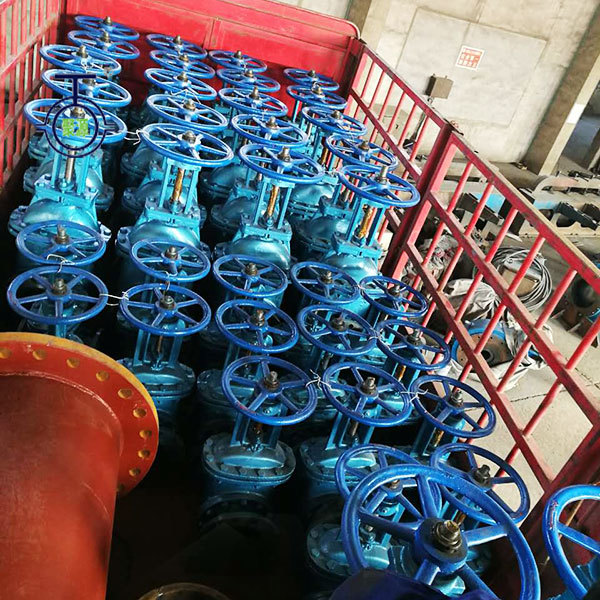
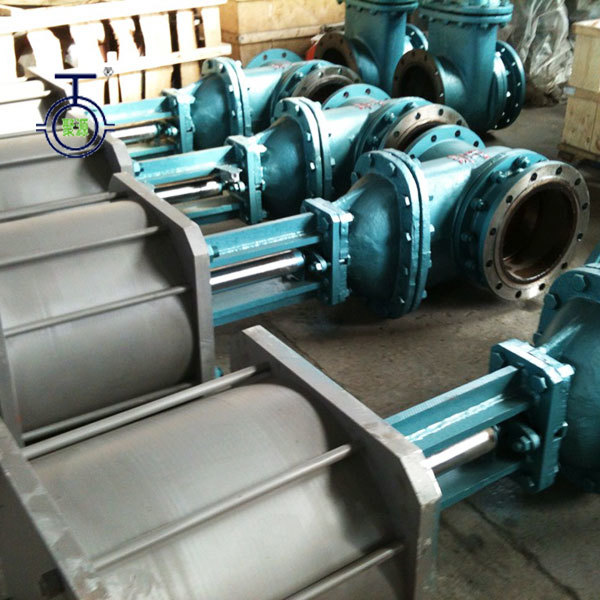
ValveCast basalt ball valves are durable, have a long service life, low fluid resistance, reliable sealing, wear and corrosion resistance, and the sealing surfaces of the ball and valve seat are always isolated from the medium during the fully open and fully closed processes of the valve, so that the medium passing through the valve at high speed will not erode the sealing surface.
-
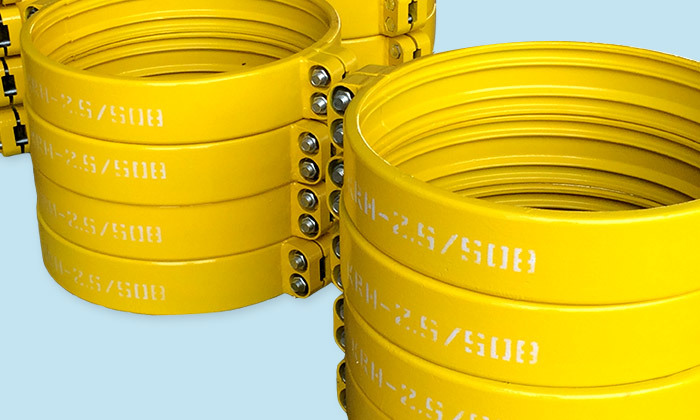
Pipe FittingClamp-type flexible pipe joints are used to connect pipes. KRH and KRJ series rolled clamp-type flexible pipe joints are patented products of our factory. They can effectively compensate for thermal expansion and contraction caused by temperature changes in the pipeline system, and can also compensate for angular changes caused by pipeline foundation settlement. They are high-pressure resistant, easy to install, and have a much better price-performance ratio than flange connections.
-
BLOGSince its establishment in 1986, the company has cumulatively produced: over 1600 kilometers of cast basalt lined steel pipes; over 260000 sets of flexible pipe joints; over 18000 valves of various types. Its products cover all provinces nationwide and are exported to countries such as South Korea, the United States, Serbia, South Africa, Zimbabwe, Japan, India, Vietnam, Russia, Poland, Ukraine, Kazakhstan, and Australia.

Corrosion-Proof Cast Basalt Tile: A Game-Changer for Industrial Flooring
Corrosion-Proof Cast Basalt Tile: A Game-Changer for Industrial Flooring Table of Contents 1. Introduction to Corrosion-Proof Cast Basalt Tile 2. Understanding the Composition of Cast Basalt Tiles 3. Key Benefits of Using Corrosion-Proof Cast Basalt Tiles 3.1 Unmatched Durability in Harsh Environments 3.2 Exceptional Resistance to Chemical Corrosion 3.3 Cost-Effectiveness Over Time 4. Applications
Corrosion-Proof Cast Basalt Tile: A Game-Changer for Industrial Flooring
Table of Contents
1. Introduction to Corrosion-Proof Cast Basalt Tile
2. Understanding the Composition of Cast Basalt Tiles
3. Key Benefits of Using Corrosion-Proof Cast Basalt Tiles
3.1 Unmatched Durability in Harsh Environments
3.2 Exceptional Resistance to Chemical Corrosion
3.3 Cost-Effectiveness Over Time
4. Applications of Cast Basalt Tiles in Various Industries
4.1 Chemical Processing Plants
4.2 Food and Beverage Industry
4.3 Mining and Material Handling
5. Installation Process of Cast Basalt Tiles
5.1 Preparation of the Substrate
5.2 Laying the Tiles
5.3 Sealing and Finishing Touches
6. Maintenance of Corrosion-Proof Cast Basalt Flooring
7. Frequently Asked Questions (FAQs)
8. Conclusion
1. Introduction to Corrosion-Proof Cast Basalt Tile
In the realm of industrial flooring, one material has emerged as a **revolutionary solution**: **corrosion-proof cast basalt tile**. Designed to withstand extreme conditions and provide long-lasting performance, these tiles are increasingly recognized for their efficiency and reliability across various industries. As companies seek materials that can endure wear, tear, and exposure to harsh chemicals, cast basalt tiles present themselves as a **game-changer**.
2. Understanding the Composition of Cast Basalt Tiles
Cast basalt tiles are crafted from a unique volcanic rock known as basalt. **The manufacturing process** involves melting basalt at high temperatures and then casting it into tile forms. This process results in a dense, homogeneous material that possesses remarkable properties, including **high strength** and **low porosity**. The intrinsic characteristics of basalt make these tiles ideal for environments that demand resilience and durability.
3. Key Benefits of Using Corrosion-Proof Cast Basalt Tiles
When it comes to industrial flooring, choosing the right material is critical. Cast basalt tiles offer several advantages:
3.1 Unmatched Durability in Harsh Environments
One of the standout features of cast basalt tiles is their **unmatched durability**. These tiles can withstand heavy loads, making them suitable for manufacturing plants and warehouses. Their resilience to abrasion ensures that they maintain their integrity even under the stress of heavy machinery.
3.2 Exceptional Resistance to Chemical Corrosion
For industries that operate in corrosive environments, cast basalt tiles provide **exceptional resistance** to a wide range of chemicals. Whether exposed to acids, alkalis, or aggressive cleaning agents, these tiles offer lasting protection, thereby reducing the risk of flooring degradation over time.
3.3 Cost-Effectiveness Over Time
Though the initial investment may be higher than some traditional flooring options, the long-term cost-effectiveness of cast basalt tiles is undeniable. With their durability and low maintenance requirements, businesses can save on replacement and repair costs, making them a financially sound choice.
4. Applications of Cast Basalt Tiles in Various Industries
The versatility of cast basalt tiles extends across multiple sectors, showcasing their adaptive qualities.
4.1 Chemical Processing Plants
In chemical processing plants, where floors are frequently exposed to hazardous substances, cast basalt tiles are the optimal flooring solution. Their resistance to chemical spills and corrosion ensures a safer working environment and enhances productivity by minimizing downtime caused by floor damage.
4.2 Food and Beverage Industry
Sanitation is paramount in the food and beverage industry. Cast basalt tiles offer a **non-porous surface**, preventing the absorption of food particles and contaminants. Furthermore, their ease of cleaning supports strict hygiene standards, making them an ideal flooring choice for kitchens and processing areas.
4.3 Mining and Material Handling
In mining operations, where heavy equipment and abrasive materials are commonplace, cast basalt tiles excel in durability. Their ability to withstand constant wear from heavy machinery and material handling further solidifies their status as a preferred flooring material.
5. Installation Process of Cast Basalt Tiles
Proper installation is crucial for optimizing the benefits of cast basalt tiles. Here’s a breakdown of the installation process:
5.1 Preparation of the Substrate
Before laying the tiles, it’s essential to prepare the substrate. This involves ensuring that the surface is clean, dry, and level. Any imperfections can affect the tile's performance and longevity.
5.2 Laying the Tiles
Once the substrate is prepared, the tiles can be laid down. It’s important to follow the manufacturer's guidelines for spacing and adhesive application to ensure a secure bond. Professional installation is recommended to achieve optimal results.
5.3 Sealing and Finishing Touches
After the tiles are installed, a sealing process may be necessary to enhance their resistance to stains and chemicals. This step is crucial in maximizing the longevity of the flooring.
6. Maintenance of Corrosion-Proof Cast Basalt Flooring
Maintaining cast basalt flooring is relatively straightforward. Regular cleaning with appropriate non-abrasive cleaners will keep the surface looking new. It’s important to avoid harsh chemicals that could damage the tiles. Periodic inspections for cracks or damage will ensure that any issues are addressed promptly, preserving the integrity of the flooring.
7. Frequently Asked Questions (FAQs)
What are the primary benefits of cast basalt tiles?
Cast basalt tiles offer exceptional durability, resistance to chemical corrosion, and cost-effectiveness over time.
How do cast basalt tiles compare to traditional flooring materials?
Unlike traditional flooring materials, cast basalt tiles provide superior resistance to harsh chemicals and heavy wear, resulting in a longer lifespan and lower maintenance costs.
Can cast basalt tiles be used in outdoor applications?
Yes, cast basalt tiles can be used in outdoor applications where they will not be exposed to extreme temperature fluctuations, as they are highly durable.
What industries benefit most from cast basalt tile flooring?
Industries such as chemical processing, food and beverage, mining, and material handling greatly benefit from the durability and chemical resistance of cast basalt tile flooring.
How can I ensure the longevity of cast basalt flooring?
Regular maintenance, including cleaning and inspections, is essential for ensuring the longevity of cast basalt flooring. Proper installation is also crucial.
8. Conclusion
Corrosion-proof cast basalt tiles have undoubtedly revolutionized the landscape of industrial flooring. Their unique composition and remarkable properties provide unparalleled benefits that cater to the demanding needs of various industries. With their exceptional durability, resistance to chemical corrosion, and cost-effectiveness, these tiles stand out as a **premier solution** for businesses seeking reliable flooring options. As industries continue to evolve, embracing materials like cast basalt will be essential for achieving operational excellence and maintaining safety standards. Ultimately, investing in corrosion-proof cast basalt tiles is a strategic decision that will yield long-term advantages for any industrial facility.
Recommended

Optimizing Your Equipment with Cast Basalt Cylinder Technology: A Comprehensive Guide

Supplier of wear-resistant material solutions, specializing in cast basalt products
Many years of focus on the production and sales of high-quality wear-resistant materials, mainly used in power, metallurgy, mining, coal, building materials, chemical, and other industries.
Leave your contact information to get the latest product discount information

Mobile Website

Contact Us
Phone: +86-535-5632189 / 5666528 / 5637763
Fax: +86-535-5666528 / 5642975
Email: z.minhui@plsczsgdfm.com
Address: No. 6 Zhenxing, Liujiagou Town, Penglai District, Yantai City, Shandong Province


