
-
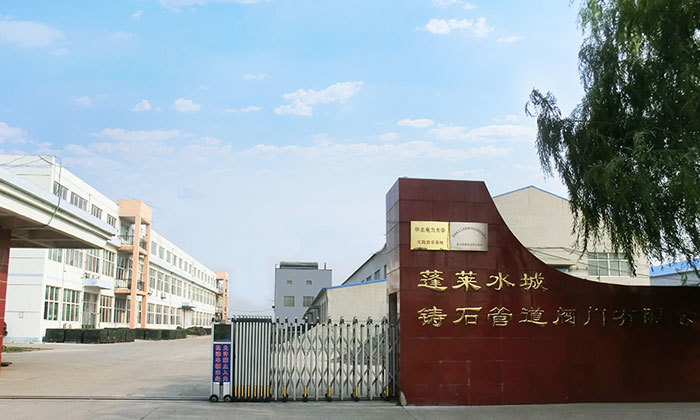
About UsSpecializing in the production and sales of wear-resistant materials such as cast basalt products, the company has obtained over 20 invention patents and utility model patents, and was awarded the "Shandong Star Enterprise of China Patent" title. The company has a history of over 20 years, and currently owns a single basalt cast basalt production line with a production capacity of 15000 tons/year, and mechanical processing equipment with an annual output of 5000 wear-resistant valves and 20000 clamp-type flexible pipe joints.
-
Cast BasaltCast basalt products include cast basalt pipes, cast basalt tiles, cast basalt powder, cast basalt lined steel pipes, etc., mainly used in industries such as electric power, metallurgy, mining, coal, building materials, and chemical.

-
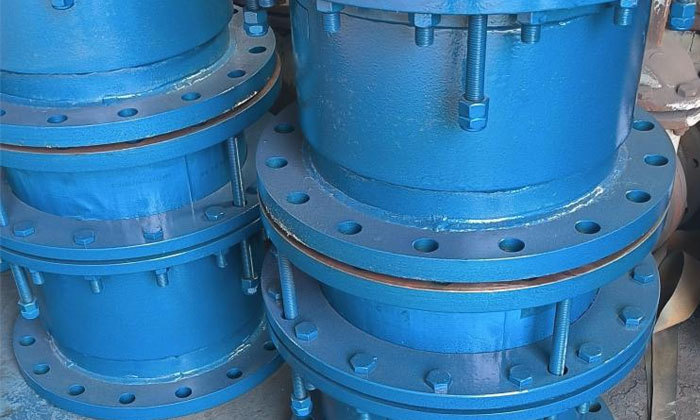
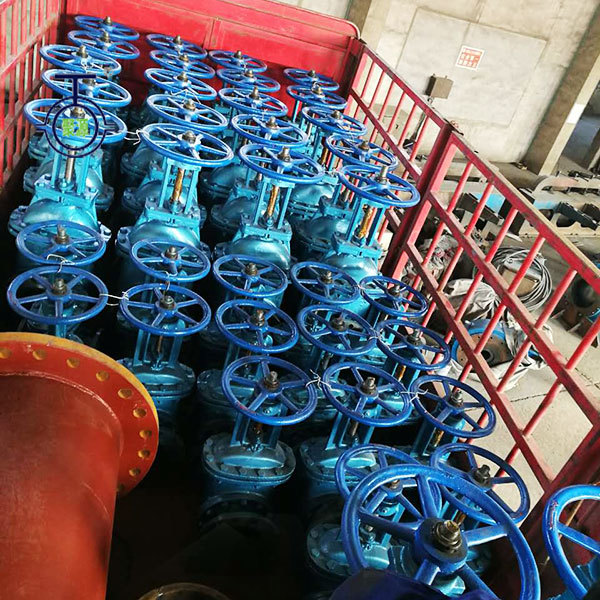
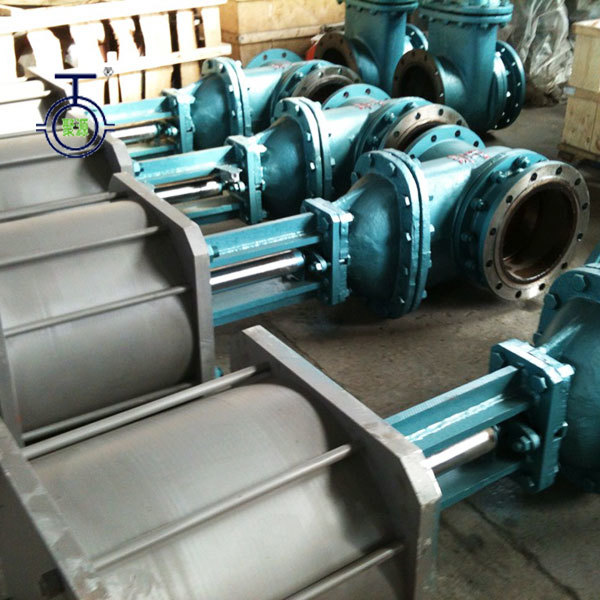
ValveCast basalt ball valves are durable, have a long service life, low fluid resistance, reliable sealing, wear and corrosion resistance, and the sealing surfaces of the ball and valve seat are always isolated from the medium during the fully open and fully closed processes of the valve, so that the medium passing through the valve at high speed will not erode the sealing surface.
-
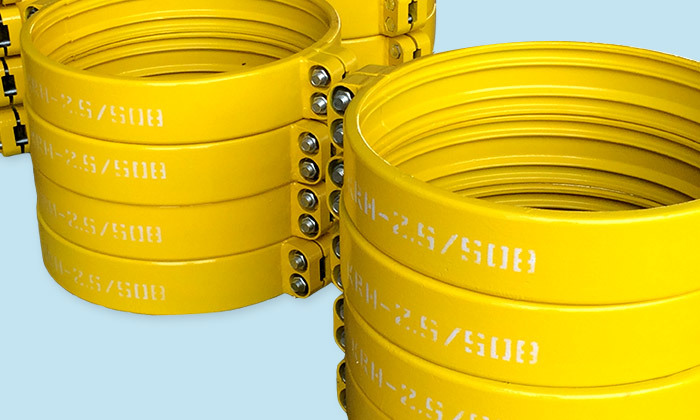
Pipe FittingClamp-type flexible pipe joints are used to connect pipes. KRH and KRJ series rolled clamp-type flexible pipe joints are patented products of our factory. They can effectively compensate for thermal expansion and contraction caused by temperature changes in the pipeline system, and can also compensate for angular changes caused by pipeline foundation settlement. They are high-pressure resistant, easy to install, and have a much better price-performance ratio than flange connections.
-
BLOGSince its establishment in 1986, the company has cumulatively produced: over 1600 kilometers of cast basalt lined steel pipes; over 260000 sets of flexible pipe joints; over 18000 valves of various types. Its products cover all provinces nationwide and are exported to countries such as South Korea, the United States, Serbia, South Africa, Zimbabwe, Japan, India, Vietnam, Russia, Poland, Ukraine, Kazakhstan, and Australia.

Cast Basalt Tile: A Game Changer for Chute Lining Applications
Cast Basalt Tile: A Game Changer for Chute Lining Applications Table of Contents 1. Introduction to Cast Basalt Tiles 2. Understanding Chute Lining Applications 3. The Advantages of Cast Basalt Tiles 3.1 Exceptional Durability and Longevity 3.2 Superior Resistance to Abrasion and Impact 3.3 Cost-Effective Solution for Industries 4. Installation Techniques for Cast Basalt Tiles 4.1 Preparing the Ch
Cast Basalt Tile: A Game Changer for Chute Lining Applications
Table of Contents
1. Introduction to Cast Basalt Tiles
2. Understanding Chute Lining Applications
3. The Advantages of Cast Basalt Tiles
3.1 Exceptional Durability and Longevity
3.2 Superior Resistance to Abrasion and Impact
3.3 Cost-Effective Solution for Industries
4. Installation Techniques for Cast Basalt Tiles
4.1 Preparing the Chute Surface
4.2 Selecting the Right Adhesive
4.3 Installation Process Step-by-Step
5. Maintenance and Care for Cast Basalt Tiles
6. Comparison with Other Lining Materials
7. Real-World Applications of Cast Basalt Tiles
8. Frequently Asked Questions (FAQs)
9. Conclusion
1. Introduction to Cast Basalt Tiles
Cast basalt tiles are engineered from volcanic rock, providing a unique combination of physical and chemical properties that make them ideal for industrial applications. These tiles are produced through a complex process involving the melting of basalt rock, followed by pouring it into molds to create tiles that are both robust and versatile. The unique characteristics of cast basalt tiles have made them a go-to choice for chute lining applications in various industries, including mining, cement, and power generation.
2. Understanding Chute Lining Applications
Chutes are integral components in many industrial processes, facilitating the transfer of bulk materials from one point to another. They are often subjected to harsh conditions, including high-stress environments, abrasive materials, and extreme temperatures. Therefore, selecting the right lining material for chutes is crucial to ensure efficient operations and minimize downtime caused by wear and tear. Cast basalt tiles present a groundbreaking solution, offering a protective layer that enhances the lifespan of chutes.
3. The Advantages of Cast Basalt Tiles
The benefits of cast basalt tiles extend far beyond their aesthetic appeal. Below we explore some of the most compelling advantages:
3.1 Exceptional Durability and Longevity
One of the standout features of cast basalt tiles is their exceptional durability. Unlike traditional materials, these tiles are engineered to withstand extreme conditions. Their high compressive strength ensures they can handle heavy loads without cracking or breaking, making them an ideal choice for high-traffic chutes.
3.2 Superior Resistance to Abrasion and Impact
Cast basalt tiles are highly resistant to abrasion and impact, significantly reducing the wear and tear associated with the movement of bulk materials. This resistance ensures that the tiles maintain their structural integrity over time, leading to lower replacement costs and less frequent maintenance.
3.3 Cost-Effective Solution for Industries
While the initial investment in cast basalt tiles may be higher than that of other lining materials, the long-term cost savings are undeniable. Their durability and lower maintenance requirements translate into reduced operational costs over the lifespan of the tiles. Industries that rely on chute lining can benefit significantly from this cost-effective solution.
4. Installation Techniques for Cast Basalt Tiles
Proper installation is crucial to maximize the benefits of cast basalt tiles. Here’s a detailed look at the installation process:
4.1 Preparing the Chute Surface
Before installation, it is essential to prepare the chute surface thoroughly. This involves cleaning the surface to remove any debris, dust, or old lining material that could hinder adhesion. A clean surface promotes better bonding between the tile and the chute.
4.2 Selecting the Right Adhesive
Choosing the correct adhesive is vital for ensuring the longevity of the installed tiles. It is recommended to use a high-strength adhesive specifically designed for cast basalt applications. This adhesive must withstand the operational conditions of the chute without degrading over time.
4.3 Installation Process Step-by-Step
1. **Measure and Cut**: Accurately measure the chute dimensions and cut the cast basalt tiles to fit snugly.
2. **Apply Adhesive**: Spread the adhesive evenly on the chute surface using a notched trowel.
3. **Place Tiles**: Position the tiles carefully, ensuring they fit tightly without gaps.
4. **Secure and Cure**: Press down on each tile to ensure proper adhesion, and allow the adhesive to cure as per the manufacturer's instructions.
5. Maintenance and Care for Cast Basalt Tiles
While cast basalt tiles are durable, regular maintenance can extend their lifespan further. Here are some tips for care:
- **Routine Inspections**: Conduct periodic inspections to identify any signs of wear or damage early.
- **Cleaning**: Keep the surface clean from debris, which can cause unnecessary abrasion.
- **Repairing Damage**: Address any cracks or chips promptly to prevent further deterioration.
6. Comparison with Other Lining Materials
When comparing cast basalt tiles to other lining materials, such as rubber, ceramic, or steel, it becomes clear that cast basalt holds numerous advantages. Rubber may offer flexibility but lacks the durability and heat resistance of cast basalt. Ceramic tiles, while hard, can be brittle and prone to cracking. Steel linings can corrode and require frequent replacement. Cast basalt tiles combine the best of both worlds, providing both strength and resistance.
7. Real-World Applications of Cast Basalt Tiles
Cast basalt tiles are utilized across various industries. Here are some notable applications:
- **Mining**: In mining operations, cast basalt tiles protect chutes and conveyors from abrasive materials, significantly reducing wear.
- **Cement Production**: Their high-temperature resistance makes them ideal for use in cement handling systems.
- **Power Generation**: In power plants, cast basalt tiles are used to line chutes and hoppers, ensuring smooth material flow even under high-stress conditions.
8. Frequently Asked Questions (FAQs)
1. What are cast basalt tiles made of?
Cast basalt tiles are made from volcanic basalt rock, which is melted and cast into tile forms.
2. How do cast basalt tiles compare to rubber linings?
Cast basalt tiles offer superior durability and resistance to heat and abrasion compared to rubber linings.
3. Can cast basalt tiles be installed over existing linings?
It is best to remove existing linings to ensure proper adhesion and performance.
4. What industries benefit most from cast basalt tiles?
Industries such as mining, cement production, and power generation benefit significantly from cast basalt tiles.
5. How do I maintain cast basalt tiles?
Regular inspections, cleaning, and prompt repairs of any damages are essential for maintaining cast basalt tiles.
9. Conclusion
Cast basalt tiles represent a significant advancement in chute lining technology. Their unparalleled durability, resistance to wear, and cost-effectiveness make them a game changer for industries that rely on efficient material handling. By adopting cast basalt tiles for chute lining applications, businesses can enhance their operational efficiency and reduce maintenance costs, ultimately leading to a more sustainable and profitable future. Embracing this innovative solution positions industries at the forefront of technological advancements, ensuring they remain competitive in a rapidly evolving marketplace.
Recommended

Optimizing Your Equipment with Cast Basalt Cylinder Technology: A Comprehensive Guide

Supplier of wear-resistant material solutions, specializing in cast basalt products
Many years of focus on the production and sales of high-quality wear-resistant materials, mainly used in power, metallurgy, mining, coal, building materials, chemical, and other industries.
Leave your contact information to get the latest product discount information

Mobile Website

Contact Us
Phone: +86-535-5632189 / 5666528 / 5637763
Fax: +86-535-5666528 / 5642975
Email: z.minhui@plsczsgdfm.com
Address: No. 6 Zhenxing, Liujiagou Town, Penglai District, Yantai City, Shandong Province


