
-
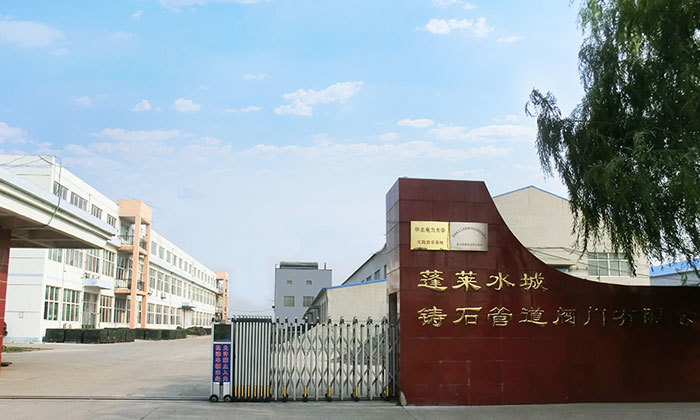
About UsSpecializing in the production and sales of wear-resistant materials such as cast basalt products, the company has obtained over 20 invention patents and utility model patents, and was awarded the "Shandong Star Enterprise of China Patent" title. The company has a history of over 20 years, and currently owns a single basalt cast basalt production line with a production capacity of 15000 tons/year, and mechanical processing equipment with an annual output of 5000 wear-resistant valves and 20000 clamp-type flexible pipe joints.
-
Cast BasaltCast basalt products include cast basalt pipes, cast basalt tiles, cast basalt powder, cast basalt lined steel pipes, etc., mainly used in industries such as electric power, metallurgy, mining, coal, building materials, and chemical.

-
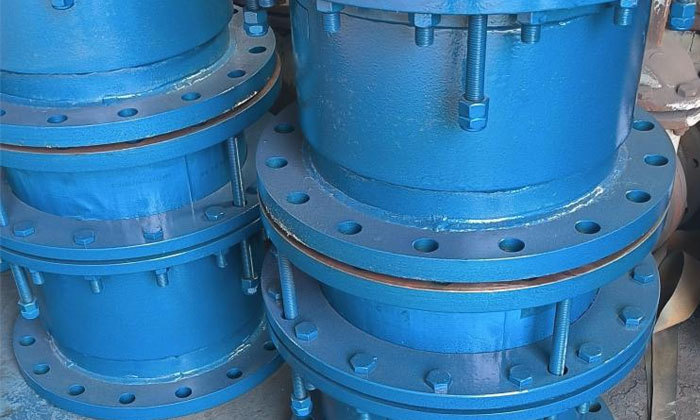
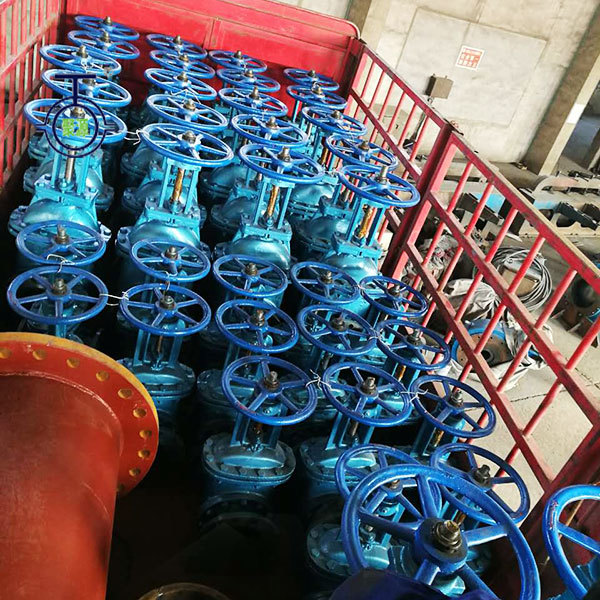
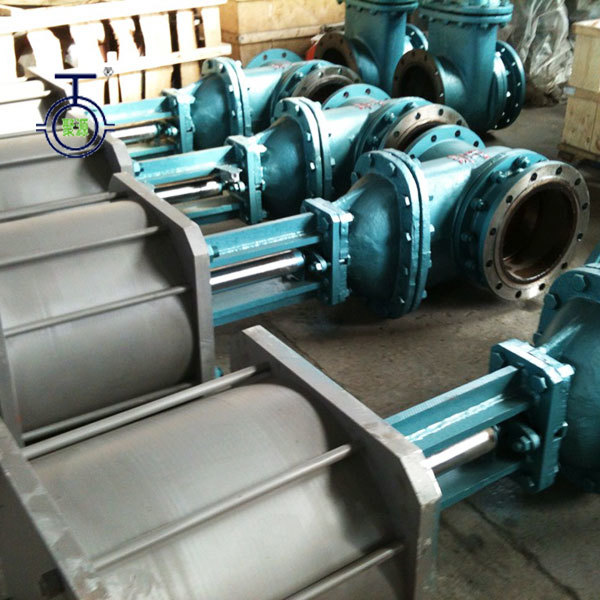
ValveCast basalt ball valves are durable, have a long service life, low fluid resistance, reliable sealing, wear and corrosion resistance, and the sealing surfaces of the ball and valve seat are always isolated from the medium during the fully open and fully closed processes of the valve, so that the medium passing through the valve at high speed will not erode the sealing surface.
-
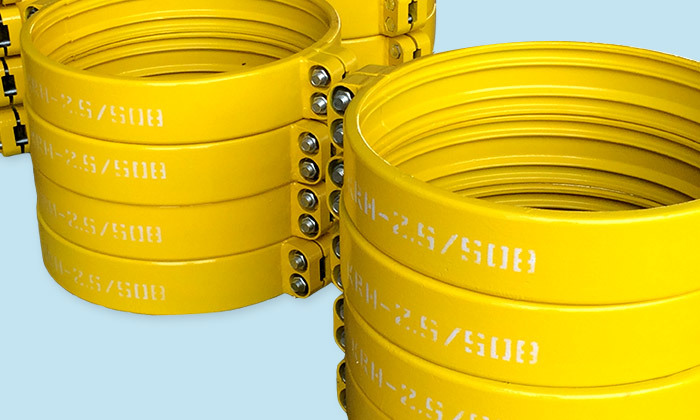
Pipe FittingClamp-type flexible pipe joints are used to connect pipes. KRH and KRJ series rolled clamp-type flexible pipe joints are patented products of our factory. They can effectively compensate for thermal expansion and contraction caused by temperature changes in the pipeline system, and can also compensate for angular changes caused by pipeline foundation settlement. They are high-pressure resistant, easy to install, and have a much better price-performance ratio than flange connections.
-
BLOGSince its establishment in 1986, the company has cumulatively produced: over 1600 kilometers of cast basalt lined steel pipes; over 260000 sets of flexible pipe joints; over 18000 valves of various types. Its products cover all provinces nationwide and are exported to countries such as South Korea, the United States, Serbia, South Africa, Zimbabwe, Japan, India, Vietnam, Russia, Poland, Ukraine, Kazakhstan, and Australia.

Unlocking Industrial Efficiency with Cast Basalt Cylinders: A Comprehensive Guide
Unlocking Industrial Efficiency with Cast Basalt Cylinders Introduction to Cast Basalt Cylinders In the realm of industrial equipment and components, **cast basalt cylinders** stand out as a remarkable innovation. Not only do they provide unparalleled performance in harsh environments, but they also enhance operational efficiency across various sectors. As industries strive for more effective and
Unlocking Industrial Efficiency with Cast Basalt Cylinders
Introduction to Cast Basalt Cylinders
In the realm of industrial equipment and components, **cast basalt cylinders** stand out as a remarkable innovation. Not only do they provide unparalleled performance in harsh environments, but they also enhance operational efficiency across various sectors. As industries strive for more effective and sustainable solutions, understanding the benefits and applications of cast basalt cylinders becomes imperative.
The Significance of Material Selection in Industrial Applications
Material selection plays a pivotal role in determining the efficiency and longevity of industrial equipment. Traditional materials often struggle under extreme conditions, leading to frequent replacements and increased downtime. Cast basalt, however, offers a unique solution, combining strength and resistance to wear, corrosion, and thermal shock.
What is Cast Basalt?
Cast basalt is a type of ceramic material made from natural basalt rock. When heated and cast into molds, it forms a robust structure capable of withstanding severe environmental challenges. Its unique properties make it ideal for various industrial applications, particularly in the fields of **casting and heat treatment equipment**.
Key Advantages of Cast Basalt Cylinders
1. Exceptional Durability and Wear Resistance
One of the standout features of cast basalt cylinders is their impressive **durability**. They exhibit excellent wear resistance against abrasives, making them ideal for industries such as mining, cement, and heavy machinery. By significantly reducing wear and tear, cast basalt components contribute to lower maintenance costs and longer equipment lifespans.
2. High Thermal Shock Resistance
Industrial processes often involve extreme temperature fluctuations. Cast basalt cylinders can withstand rapid temperature changes without cracking or deforming. This thermal shock resistance is crucial for applications involving molten materials or heat treatment processes, ensuring consistent performance even under the most demanding conditions.
3. Corrosion Resistance
Many industrial environments expose equipment to corrosive substances, leading to premature failure. Cast basalt’s chemical inertness means it does not react with acids, alkalis, or other corrosive materials. This property not only enhances the **longevity of the equipment** but also ensures safer operation in hazardous conditions.
4. Lightweight and Easy to Install
Despite their strength, cast basalt cylinders are relatively lightweight compared to traditional materials like steel or concrete. This lightweight nature simplifies transportation and installation, reducing labor costs and improving overall efficiency in operational setups.
Applications of Cast Basalt Cylinders in Industry
1. Mining and Mineral Processing
In the mining sector, cast basalt cylinders are extensively used for lining chutes, pipes, and other equipment that experience high abrasion. Their ability to withstand impact and wear makes them an excellent choice for transporting minerals and aggregates.
2. Cement and Concrete Production
The cement industry benefits significantly from cast basalt’s durability. Used in kiln linings and other critical areas, cast basalt helps reduce downtime due to maintenance and enhances the overall productivity of cement manufacturing processes.
3. Power Generation
Power generation facilities often encounter extreme conditions. Cast basalt cylinders are ideal for applications involving flue gas desulfurization, where durability and chemical resistance are crucial for efficient operation.
4. Oil and Gas Industry
In the oil and gas sector, where equipment faces harsh chemicals and extreme temperatures, cast basalt provides a reliable solution. Its corrosion resistance ensures the integrity of pipelines and other components, reducing the risk of leaks and failures.
Cost Effectiveness of Cast Basalt Cylinders
While the initial investment in cast basalt cylinders may be higher than traditional materials, the long-term savings are significant. Reduced maintenance costs, fewer replacements, and increased operational efficiency contribute to a lower total cost of ownership. Industries that adopt cast basalt technology often see a rapid return on investment.
Comparative Analysis: Cast Basalt vs. Traditional Materials
When comparing cast basalt to conventional materials such as steel or concrete, the advantages become clear. Traditional materials often require frequent replacements, leading to higher maintenance costs and downtime. In contrast, cast basalt’s durability and resistance properties ensure that equipment remains operational longer, providing a competitive edge in productivity and cost efficiency.
Environmental Benefits of Using Cast Basalt Cylinders
Choosing cast basalt cylinders not only benefits individual companies but also supports environmental sustainability. Their durability leads to less waste generated from discarded materials, and their resistance to chemicals reduces the risk of environmental contamination. By opting for cast basalt, companies contribute to a greener industrial landscape.
Energy Efficiency in Production
The lightweight nature of cast basalt also contributes to energy savings during transportation and handling. As companies focus on reducing their carbon footprint, the adoption of energy-efficient materials like cast basalt plays a pivotal role in achieving sustainability goals.
Frequently Asked Questions (FAQs)
1. What are cast basalt cylinders made of?
Cast basalt cylinders are made from natural basalt rock that is heated and molded into various shapes, providing exceptional durability and resistance to wear and corrosion.
2. In what industries are cast basalt cylinders commonly used?
Cast basalt cylinders are commonly utilized in mining, cement production, power generation, and the oil and gas industry due to their durability and resistance to harsh conditions.
3. How do cast basalt cylinders compare to steel in terms of durability?
Cast basalt cylinders offer superior wear resistance compared to steel, leading to longer lifespans and reduced maintenance costs in challenging environments.
4. Are cast basalt cylinders environmentally friendly?
Yes, cast basalt cylinders contribute to environmental sustainability by reducing waste and minimizing potential environmental contamination in industrial applications.
5. What is the typical lifespan of cast basalt cylinders?
The lifespan of cast basalt cylinders can vary based on usage and environment, but they are generally known for their longevity, often outlasting traditional materials significantly.
Conclusion
Cast basalt cylinders represent a transformative solution for industries seeking to enhance efficiency, durability, and sustainability. Their unique properties enable them to thrive in extreme environments, reducing maintenance costs and downtime while boosting productivity. As industries continue to innovate, the adoption of cast basalt technology will play a crucial role in unlocking new levels of operational efficiency. Transitioning to cast basalt cylinders is more than just a material choice; it is a strategic decision that positions companies for success in an increasingly competitive landscape. Embrace the future of industrial efficiency with cast basalt and experience the difference it can make.
Recommended

Optimizing Your Equipment with Cast Basalt Cylinder Technology: A Comprehensive Guide

Supplier of wear-resistant material solutions, specializing in cast basalt products
Many years of focus on the production and sales of high-quality wear-resistant materials, mainly used in power, metallurgy, mining, coal, building materials, chemical, and other industries.
Leave your contact information to get the latest product discount information

Mobile Website

Contact Us
Phone: +86-535-5632189 / 5666528 / 5637763
Fax: +86-535-5666528 / 5642975
Email: z.minhui@plsczsgdfm.com
Address: No. 6 Zhenxing, Liujiagou Town, Penglai District, Yantai City, Shandong Province


