
-
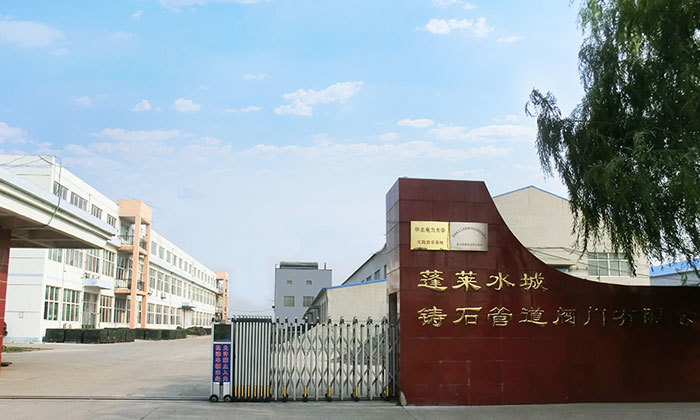
About UsSpecializing in the production and sales of wear-resistant materials such as cast basalt products, the company has obtained over 20 invention patents and utility model patents, and was awarded the "Shandong Star Enterprise of China Patent" title. The company has a history of over 20 years, and currently owns a single basalt cast basalt production line with a production capacity of 15000 tons/year, and mechanical processing equipment with an annual output of 5000 wear-resistant valves and 20000 clamp-type flexible pipe joints.
-
Cast BasaltCast basalt products include cast basalt pipes, cast basalt tiles, cast basalt powder, cast basalt lined steel pipes, etc., mainly used in industries such as electric power, metallurgy, mining, coal, building materials, and chemical.

-
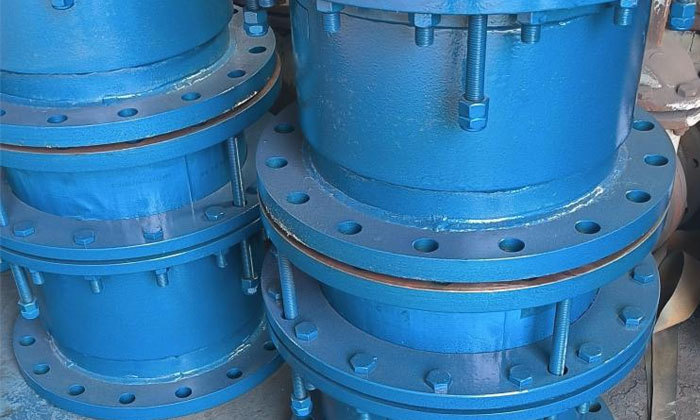
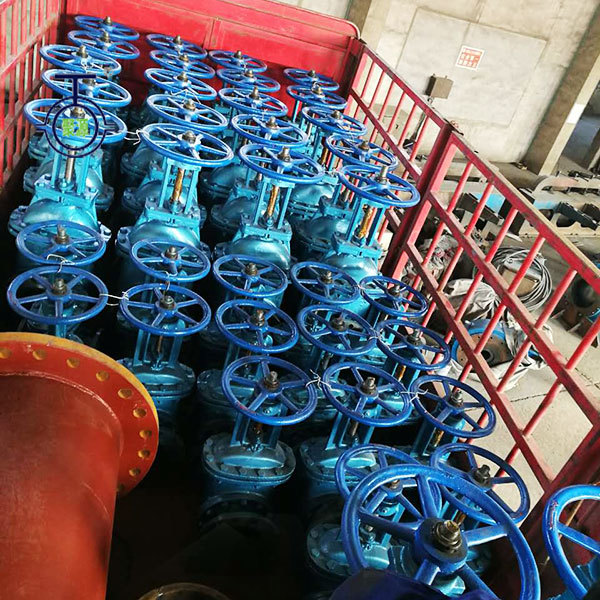
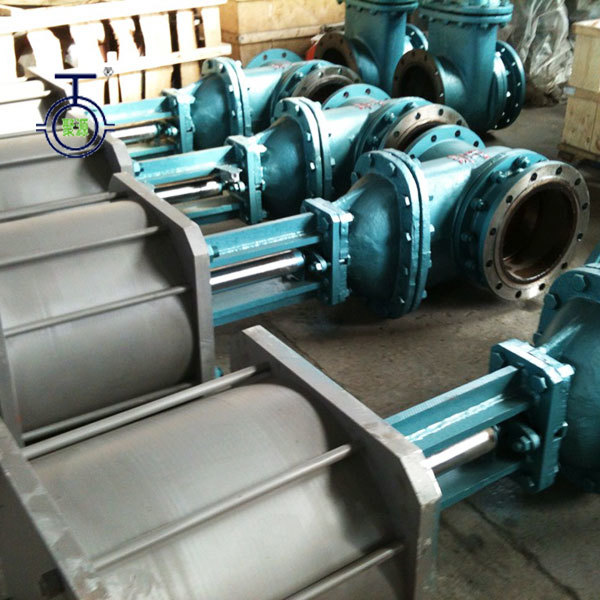
ValveCast basalt ball valves are durable, have a long service life, low fluid resistance, reliable sealing, wear and corrosion resistance, and the sealing surfaces of the ball and valve seat are always isolated from the medium during the fully open and fully closed processes of the valve, so that the medium passing through the valve at high speed will not erode the sealing surface.
-
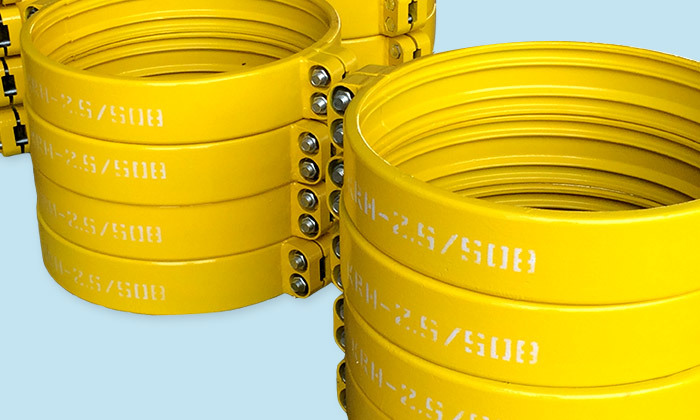
Pipe FittingClamp-type flexible pipe joints are used to connect pipes. KRH and KRJ series rolled clamp-type flexible pipe joints are patented products of our factory. They can effectively compensate for thermal expansion and contraction caused by temperature changes in the pipeline system, and can also compensate for angular changes caused by pipeline foundation settlement. They are high-pressure resistant, easy to install, and have a much better price-performance ratio than flange connections.
-
BLOGSince its establishment in 1986, the company has cumulatively produced: over 1600 kilometers of cast basalt lined steel pipes; over 260000 sets of flexible pipe joints; over 18000 valves of various types. Its products cover all provinces nationwide and are exported to countries such as South Korea, the United States, Serbia, South Africa, Zimbabwe, Japan, India, Vietnam, Russia, Poland, Ukraine, Kazakhstan, and Australia.

Navigating the Supply Chain for Cast Basalt Cylinders: Key Considerations for Optimal Efficiency
Navigating the Supply Chain for Cast Basalt Cylinders: Key Considerations for Optimal Efficiency Table of Contents 1. Introduction to Cast Basalt Cylinders 2. Overview of the Supply Chain for Cast Basalt Cylinders 3. Key Materials in Manufacturing Cast Basalt Cylinders 4. Effective Procurement Strategies 5. Quality Control Measures in Supply Chain 6. Sustainability in the Cast Basalt Cylinder Sup
Navigating the Supply Chain for Cast Basalt Cylinders: Key Considerations for Optimal Efficiency
Table of Contents
- 1. Introduction to Cast Basalt Cylinders
- 2. Overview of the Supply Chain for Cast Basalt Cylinders
- 3. Key Materials in Manufacturing Cast Basalt Cylinders
- 4. Effective Procurement Strategies
- 5. Quality Control Measures in Supply Chain
- 6. Sustainability in the Cast Basalt Cylinder Supply Chain
- 7. Challenges in the Supply Chain for Cast Basalt Cylinders
- 8. Future Trends in the Cast Basalt Cylinder Market
- 9. Frequently Asked Questions
- 10. Conclusion
1. Introduction to Cast Basalt Cylinders
Cast basalt cylinders play a critical role in various industrial applications, renowned for their durability, resistance to high temperatures, and chemical attack. These cylinders are primarily utilized in piping systems for conveying abrasive materials, making them essential in industries such as mining, chemical processing, and construction. The supply chain for cast basalt cylinders involves several complex steps, from sourcing raw materials to delivering the finished product. Understanding the intricacies of this supply chain allows companies to optimize efficiency and ensure product quality.
2. Overview of the Supply Chain for Cast Basalt Cylinders
The supply chain for cast basalt cylinders is composed of multiple stages, each essential for the final product's integrity and performance. Key stages include:
2.1 Raw Material Sourcing
The foundation of any supply chain begins with the sourcing of raw materials. Cast basalt is produced from a unique blend of natural basalt rock, which is carefully mined and processed to achieve the desired properties.
2.2 Manufacturing Processes
Once the raw materials are sourced, they undergo a series of manufacturing processes that involve melting, casting, and cooling. The precise temperature controls and techniques used during this phase significantly influence the final product's characteristics.
2.3 Quality Assurance
Quality assurance is crucial in the manufacturing stage. This involves rigorous testing of the materials and finished products to ensure they meet industry standards.
2.4 Distribution Logistics
After production, effective distribution logistics come into play to ensure timely delivery to clients. This involves careful planning regarding transportation methods and routes to minimize delays.
3. Key Materials in Manufacturing Cast Basalt Cylinders
The quality of cast basalt cylinders heavily relies on the materials used in their production. The primary component, basalt, is a volcanic rock that is known for its exceptional properties.
3.1 Characteristics of Basalt
Basalt is known for its high compressive strength, low water absorption, and resistance to thermal shock. These characteristics make it an ideal material for creating durable cylinders that can withstand extreme conditions.
3.2 Supplementary Materials
In addition to basalt, manufacturers often use supplementary materials such as silica, alumina, and other additives to enhance specific properties of the cylinders, such as wear resistance and chemical stability.
4. Effective Procurement Strategies
To maintain a competitive edge, businesses must implement effective procurement strategies within their supply chain.
4.1 Supplier Selection
Choosing reliable suppliers is paramount. Companies should evaluate potential suppliers based on their track record, quality of materials, and ability to meet delivery deadlines.
4.2 Cost Management
Effective cost management strategies can help businesses reduce overheads and improve profitability. This may include negotiating bulk purchase discounts or exploring alternative suppliers.
4.3 Inventory Management
Maintaining optimal inventory levels is critical. Companies should implement just-in-time inventory systems to minimize holding costs while ensuring materials are available when needed.
5. Quality Control Measures in Supply Chain
Quality control is an ongoing process that begins with raw material sourcing and continues throughout the production and distribution phases.
5.1 Testing Protocols
Implementing stringent testing protocols can help identify potential issues early in the manufacturing process. This includes regular checks for material properties and performance evaluations.
5.2 Certifications
Obtaining industry-recognized certifications can enhance a company’s credibility and demonstrate its commitment to quality.
6. Sustainability in the Cast Basalt Cylinder Supply Chain
Sustainability is becoming increasingly important in industrial supply chains. Companies must consider the environmental impact of their operations.
6.1 Eco-Friendly Materials
Utilizing eco-friendly materials and production methods can significantly reduce a company's carbon footprint. This includes sourcing basalt from sustainable quarries and using environmentally friendly additives.
6.2 Recycling Initiatives
Implementing recycling initiatives for waste materials generated during production can contribute to a more sustainable supply chain.
7. Challenges in the Supply Chain for Cast Basalt Cylinders
Navigating the supply chain for cast basalt cylinders presents various challenges that companies must address.
7.1 Market Fluctuations
Fluctuations in market demand can impact supply chain efficiency. Companies must be agile in their operations to adapt to changing market conditions.
7.2 Supply Chain Disruptions
External factors such as natural disasters, transportation issues, or political instability can disrupt supply chains. Developing contingency plans can help mitigate these risks.
8. Future Trends in the Cast Basalt Cylinder Market
The future of the cast basalt cylinder market is influenced by emerging trends that companies must consider for strategic planning.
8.1 Technological Advancements
The adoption of advanced manufacturing technologies, such as 3D printing and automation, is set to transform production processes, improving efficiency and reducing costs.
8.2 Increased Demand for Sustainable Solutions
As environmental concerns grow, the demand for sustainable products is likely to rise. Companies that prioritize sustainability in their supply chains may gain a competitive advantage.
9. Frequently Asked Questions
9.1 What are cast basalt cylinders used for?
Cast basalt cylinders are primarily used in industrial applications, particularly in piping systems for transporting abrasive materials.
9.2 How are cast basalt cylinders manufactured?
The manufacturing process involves melting basalt rock, casting it into cylinder shapes, and cooling it to achieve the desired properties.
9.3 What advantages do cast basalt cylinders offer?
They offer exceptional durability, resistance to wear and tear, and thermal stability, making them suitable for harsh industrial environments.
9.4 How can companies ensure quality in their supply chain?
Companies can implement stringent testing protocols, select reliable suppliers, and obtain industry certifications to ensure quality.
9.5 What are the sustainability considerations in manufacturing cast basalt cylinders?
Sustainability considerations include sourcing eco-friendly materials, implementing recycling initiatives, and minimizing the carbon footprint during production.
10. Conclusion
Navigating the supply chain for cast basalt cylinders involves a multifaceted approach that encompasses raw material sourcing, manufacturing processes, quality control, and sustainable practices. By understanding the key considerations and trends within this industry, companies can enhance their operational efficiency and product quality. As market demands evolve, staying informed about emerging technologies and sustainability initiatives will be vital for maintaining a competitive edge in the cast basalt cylinder supply chain.
Recommended

Optimizing Your Equipment with Cast Basalt Cylinder Technology: A Comprehensive Guide

Supplier of wear-resistant material solutions, specializing in cast basalt products
Many years of focus on the production and sales of high-quality wear-resistant materials, mainly used in power, metallurgy, mining, coal, building materials, chemical, and other industries.
Leave your contact information to get the latest product discount information

Mobile Website

Contact Us
Phone: +86-535-5632189 / 5666528 / 5637763
Fax: +86-535-5666528 / 5642975
Email: z.minhui@plsczsgdfm.com
Address: No. 6 Zhenxing, Liujiagou Town, Penglai District, Yantai City, Shandong Province


