
-
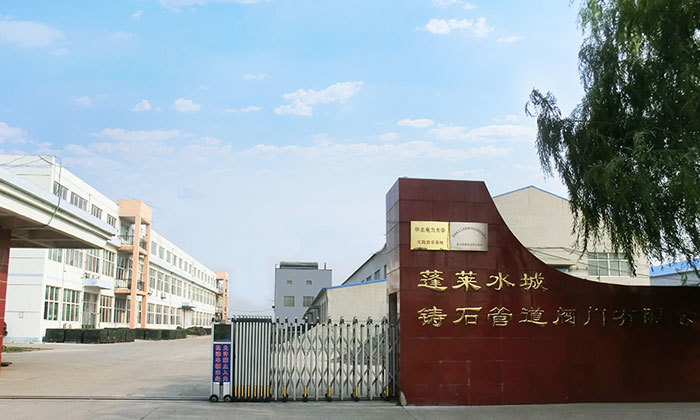
About UsSpecializing in the production and sales of wear-resistant materials such as cast basalt products, the company has obtained over 20 invention patents and utility model patents, and was awarded the "Shandong Star Enterprise of China Patent" title. The company has a history of over 20 years, and currently owns a single basalt cast basalt production line with a production capacity of 15000 tons/year, and mechanical processing equipment with an annual output of 5000 wear-resistant valves and 20000 clamp-type flexible pipe joints.
-
Cast BasaltCast basalt products include cast basalt pipes, cast basalt tiles, cast basalt powder, cast basalt lined steel pipes, etc., mainly used in industries such as electric power, metallurgy, mining, coal, building materials, and chemical.

-
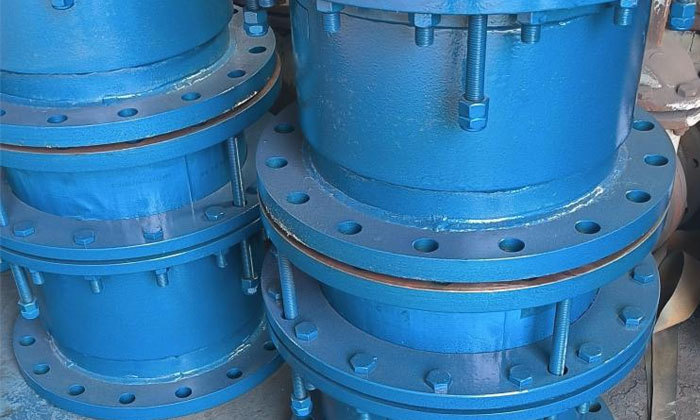
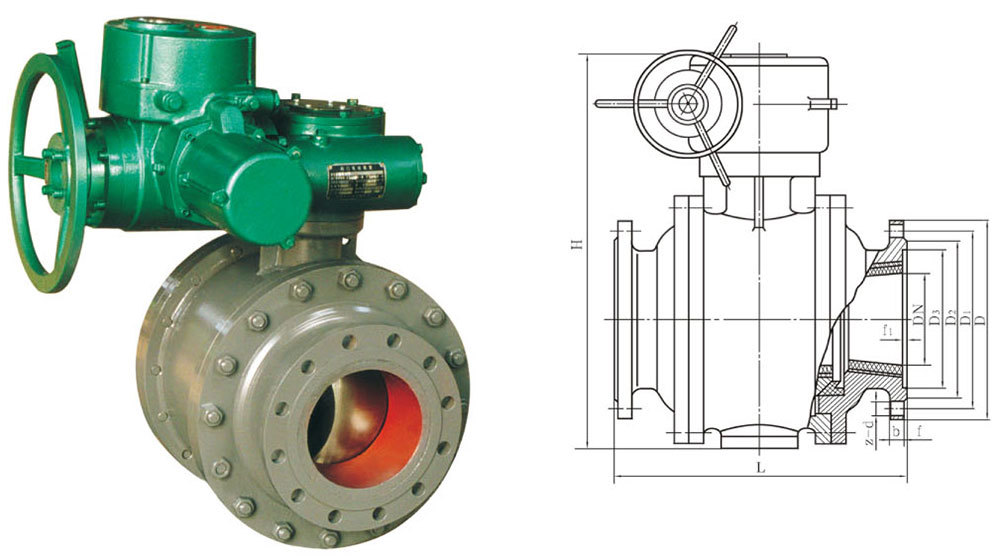
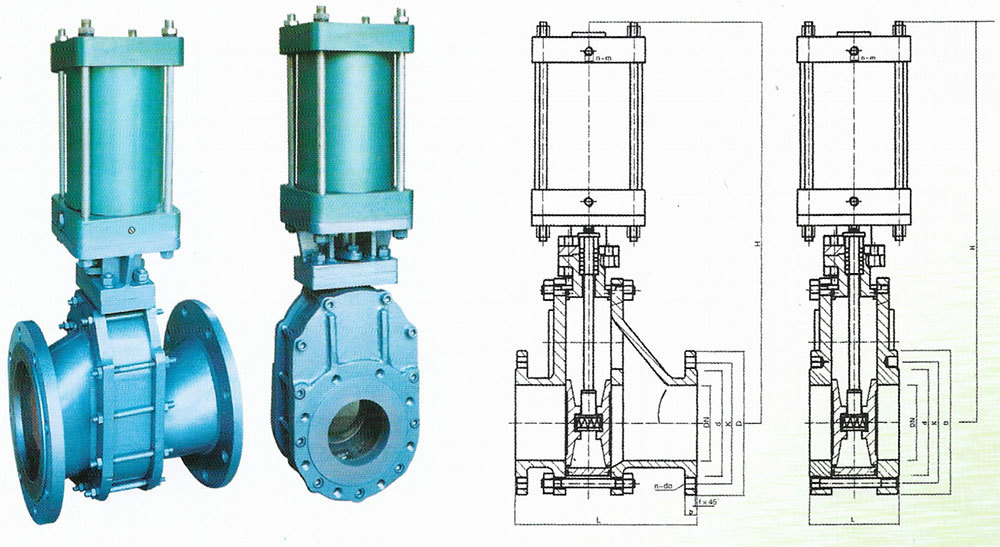
ValveCast basalt ball valves are durable, have a long service life, low fluid resistance, reliable sealing, wear and corrosion resistance, and the sealing surfaces of the ball and valve seat are always isolated from the medium during the fully open and fully closed processes of the valve, so that the medium passing through the valve at high speed will not erode the sealing surface.
-
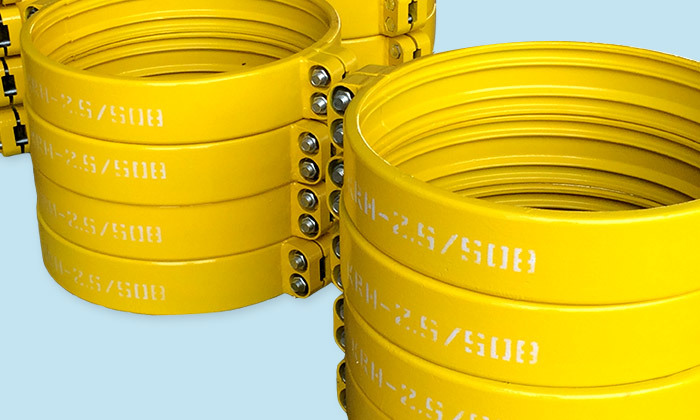
Pipe FittingClamp-type flexible pipe joints are used to connect pipes. KRH and KRJ series rolled clamp-type flexible pipe joints are patented products of our factory. They can effectively compensate for thermal expansion and contraction caused by temperature changes in the pipeline system, and can also compensate for angular changes caused by pipeline foundation settlement. They are high-pressure resistant, easy to install, and have a much better price-performance ratio than flange connections.
-
BLOGSince its establishment in 1986, the company has cumulatively produced: over 1600 kilometers of cast basalt lined steel pipes; over 260000 sets of flexible pipe joints; over 18000 valves of various types. Its products cover all provinces nationwide and are exported to countries such as South Korea, the United States, Serbia, South Africa, Zimbabwe, Japan, India, Vietnam, Russia, Poland, Ukraine, Kazakhstan, and Australia.

Chute Lining Revolution: The Role of Cast Basalt Tile in Industry
Chute Lining Revolution: The Role of Cast Basalt Tile in Industry Table of Contents 1. Introduction to Chute Lining and Its Importance in Industry 2. Understanding Cast Basalt Tile: Composition and Characteristics 3. Advantages of Using Cast Basalt Tile for Chute Lining 4. Applications of Cast Basalt Tile in Various Industries 5. Installation Process of Cast Basalt Tile in Chute Lining
Chute Lining Revolution: The Role of Cast Basalt Tile in Industry
Table of Contents
1. Introduction to Chute Lining and Its Importance in Industry
2. Understanding Cast Basalt Tile: Composition and Characteristics
3. Advantages of Using Cast Basalt Tile for Chute Lining
4. Applications of Cast Basalt Tile in Various Industries
5. Installation Process of Cast Basalt Tile in Chute Lining Systems
6. Maintenance and Care for Cast Basalt Chute Linings
7. The Future of Chute Lining Materials: Innovations and Trends
8. Frequently Asked Questions (FAQs)
9. Conclusion: Embracing the Chute Lining Revolution with Cast Basalt Tile
1. Introduction to Chute Lining and Its Importance in Industry
In the realm of industrial operations, **chute systems** play a pivotal role in the efficient **transportation of materials**. From mining to recycling, these systems are responsible for guiding materials from one point to another with minimal damage and maximum efficiency. The **lining materials** used in chutes are crucial, as they greatly influence the performance, longevity, and maintenance requirements of the system. With advancements in materials science, the introduction of **cast basalt tile** has sparked a revolution in chute lining technologies.
2. Understanding Cast Basalt Tile: Composition and Characteristics
Cast basalt tile is a unique material derived from natural basalt rock that is melted and formed into tiles. This process creates a highly durable and chemically resistant product. Key characteristics of cast basalt tile include:
- **High Wear Resistance:** Cast basalt tiles can withstand extreme abrasion, making them ideal for high-traffic systems.
- **Chemical Resistance:** They resist a wide range of acids and alkalis, making them suitable for various industrial environments.
- **Thermal Stability:** Cast basalt tiles can endure high temperatures, ensuring performance even in harsh conditions.
- **Low Friction Coefficient:** This property enhances the flow of materials, reducing wear on both the chute and the transported material.
3. Advantages of Using Cast Basalt Tile for Chute Lining
The rise of cast basalt tile in chute lining applications can be attributed to several advantages:
- **Extended Service Life:** Unlike traditional materials, cast basalt tiles can significantly reduce the frequency of replacements, leading to lower long-term costs.
- **Enhanced Material Flow:** The smooth surface of cast basalt promotes better material flow, which can improve operational efficiency.
- **Reduced Maintenance Costs:** Less frequent replacements and repairs equate to lower maintenance expenses, allowing companies to allocate resources more effectively.
- **Sustainable Option:** Cast basalt is an environmentally friendly choice, as it is made from natural materials and can be recycled at the end of its life cycle.
4. Applications of Cast Basalt Tile in Various Industries
Cast basalt tile finds applications in numerous industries, highlighting its versatility:
- **Mining and Mineral Processing:** Its wear resistance is crucial in managing abrasive materials such as ores and minerals.
- **Cement and Concrete Production:** Cast basalt tiles are used in chutes to handle cement mixes, preventing contamination and ensuring product quality.
- **Food Processing:** The hygienic properties of cast basalt make it suitable for food handling and processing environments.
- **Power Generation:** In coal-fired power plants, cast basalt tiles effectively manage coal transport under extreme conditions.
5. Installation Process of Cast Basalt Tile in Chute Lining Systems
The installation of cast basalt tiles requires careful planning and execution to ensure optimal performance. The process typically involves:
1. **Surface Preparation:** The substrate must be clean, dry, and free from contaminants.
2. **Tile Selection:** Choosing the appropriate thickness and size based on the specific chute requirements is essential.
3. **Adhesive Application:** A compatible adhesive is applied to bond the tiles securely to the substrate.
4. **Tile Placement:** Tiles are meticulously placed to ensure proper alignment and coverage.
5. **Grouting:** After the tiles are set, grout is applied to fill any gaps, providing additional protection against wear and moisture.
6. Maintenance and Care for Cast Basalt Chute Linings
To maximize the lifespan of cast basalt chute linings, regular maintenance is necessary. This includes:
- **Regular Inspections:** Frequent checks for wear and tear can help identify issues early.
- **Cleaning:** Removing dust and debris ensures optimal flow and prevents material buildup.
- **Prompt Repairs:** Addressing any damage quickly can prevent further deterioration and costly repairs.
7. The Future of Chute Lining Materials: Innovations and Trends
The industrial landscape is constantly evolving, and the future of chute lining materials looks promising. Innovations such as synthetic composites and hybrid materials may complement cast basalt’s advantages. Additionally, advancements in manufacturing techniques are likely to enhance the quality and performance of cast basalt tiles further.
8. Frequently Asked Questions (FAQs)
**Q1: What is cast basalt tile?**
A1: Cast basalt tile is a durable, wear-resistant material made from natural basalt rock, ideal for lining chutes in various industrial applications.
**Q2: How does cast basalt tile compare to traditional lining materials?**
A2: Cast basalt tile offers superior wear resistance, chemical stability, and a longer service life compared to traditional materials like rubber or metal.
**Q3: Can cast basalt tiles be recycled?**
A3: Yes, cast basalt tiles can be recycled at the end of their life cycle, making them an environmentally friendly option.
**Q4: What industries benefit the most from cast basalt tile?**
A4: Industries such as mining, cement production, food processing, and power generation significantly benefit from the use of cast basalt tile.
**Q5: How often do cast basalt chute linings need to be replaced?**
A5: Cast basalt chute linings typically have a longer service life than traditional materials, often lasting several years depending on usage conditions.
9. Conclusion: Embracing the Chute Lining Revolution with Cast Basalt Tile
The introduction of cast basalt tile in the realm of chute lining represents a significant advancement in industrial materials. Its unique properties, including high wear resistance, chemical stability, and longevity, make it an indispensable element in various industries. As businesses continue to seek ways to improve efficiency and reduce costs, cast basalt tile stands out as a revolutionary option that promises not only enhanced performance but also sustainability. Embracing cast basalt tile is not just about keeping up with industry standards; it’s about leading the way in innovation and operational excellence.
Recommended

Cast Basalt Cylinders vs. Traditional Materials: A Comprehensive Comparative Study

Supplier of wear-resistant material solutions, specializing in cast basalt products
Many years of focus on the production and sales of high-quality wear-resistant materials, mainly used in power, metallurgy, mining, coal, building materials, chemical, and other industries.
Leave your contact information to get the latest product discount information

Mobile Website

Contact Us
Phone: +86-535-5632189 / 5666528 / 5637763
Fax: +86-535-5666528 / 5642975
Email: z.minhui@plsczsgdfm.com
Address: No. 6 Zhenxing, Liujiagou Town, Penglai District, Yantai City, Shandong Province


