
-
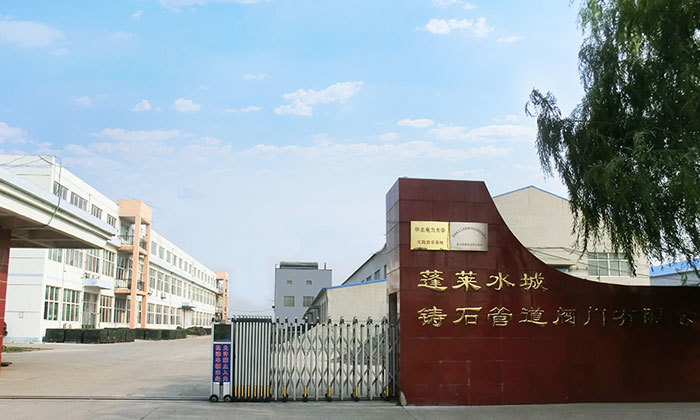
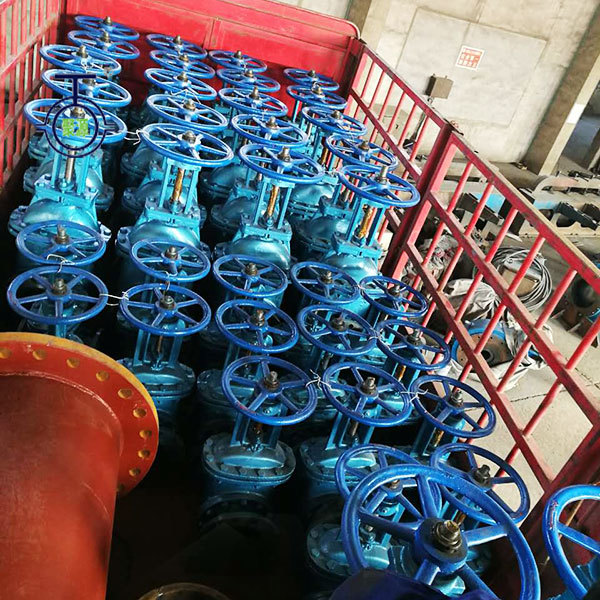
About UsSpecializing in the production and sales of wear-resistant materials such as cast basalt products, the company has obtained over 20 invention patents and utility model patents, and was awarded the "Shandong Star Enterprise of China Patent" title. The company has a history of over 20 years, and currently owns a single basalt cast basalt production line with a production capacity of 15000 tons/year, and mechanical processing equipment with an annual output of 5000 wear-resistant valves and 20000 clamp-type flexible pipe joints.
-
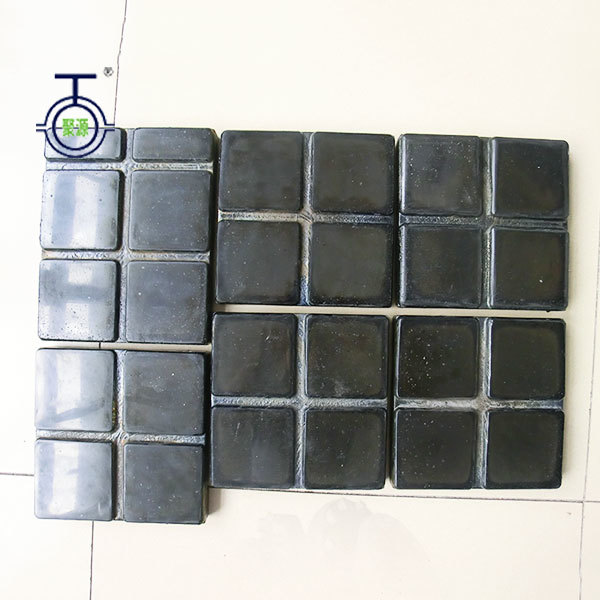
Cast BasaltCast basalt products include cast basalt pipes, cast basalt tiles, cast basalt powder, cast basalt lined steel pipes, etc., mainly used in industries such as electric power, metallurgy, mining, coal, building materials, and chemical.

-
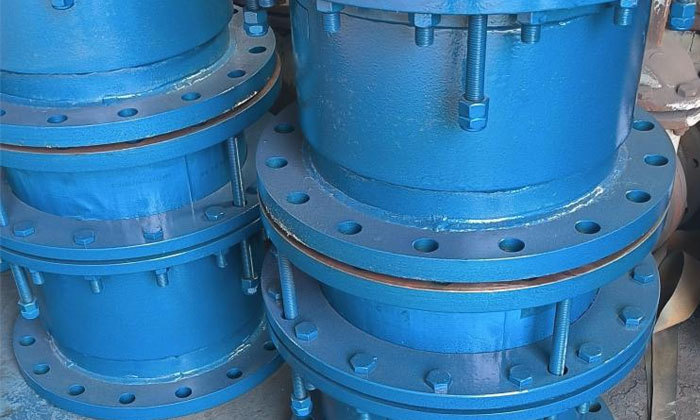
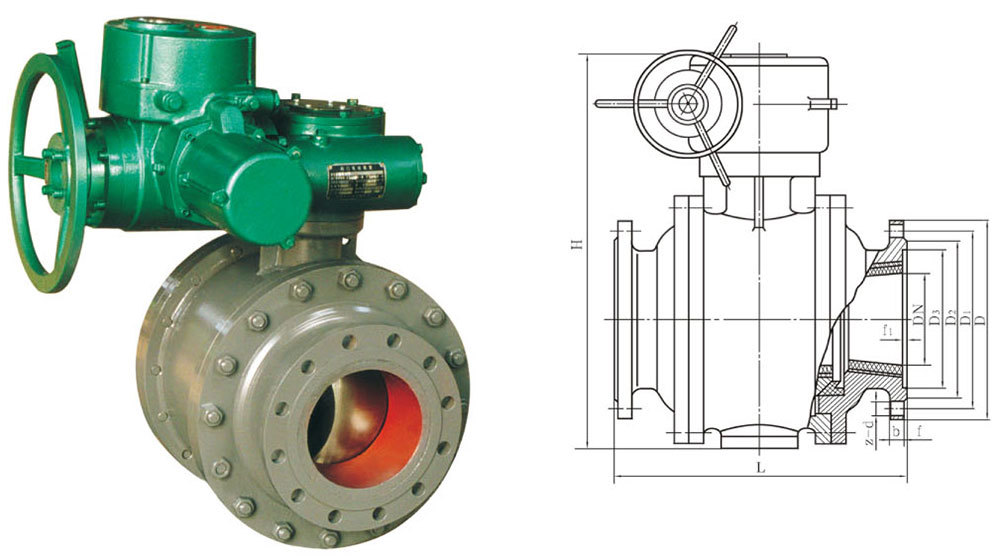
ValveCast basalt ball valves are durable, have a long service life, low fluid resistance, reliable sealing, wear and corrosion resistance, and the sealing surfaces of the ball and valve seat are always isolated from the medium during the fully open and fully closed processes of the valve, so that the medium passing through the valve at high speed will not erode the sealing surface.
-
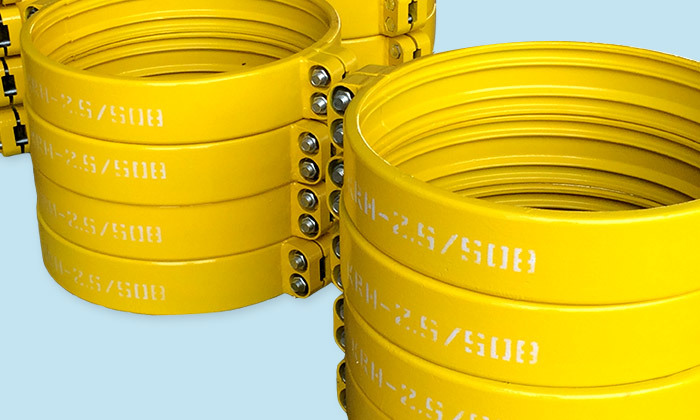
Pipe FittingClamp-type flexible pipe joints are used to connect pipes. KRH and KRJ series rolled clamp-type flexible pipe joints are patented products of our factory. They can effectively compensate for thermal expansion and contraction caused by temperature changes in the pipeline system, and can also compensate for angular changes caused by pipeline foundation settlement. They are high-pressure resistant, easy to install, and have a much better price-performance ratio than flange connections.
-
BLOGSince its establishment in 1986, the company has cumulatively produced: over 1600 kilometers of cast basalt lined steel pipes; over 260000 sets of flexible pipe joints; over 18000 valves of various types. Its products cover all provinces nationwide and are exported to countries such as South Korea, the United States, Serbia, South Africa, Zimbabwe, Japan, India, Vietnam, Russia, Poland, Ukraine, Kazakhstan, and Australia.

Understanding the Role of Cast Basalt Tile in Coal Handling Systems
Cast basalt tiles have become an essential component in the industrial sector, particularly in coal handling systems. These tiles are manufactured from basalt rock, which is known for its durability and resistance to wear. The process of creating cast basalt tiles involves melting the basalt at high temperatures, followed by casting it into tile shapes that can withstand harsh operational environm
One of the primary advantages of using cast basalt tiles in coal handling systems is their excellent abrasion resistance. In environments where coal is transported and processed, materials can cause significant wear and tear on surfaces. Cast basalt tiles are engineered to handle this wear effectively, thereby extending the lifespan of the flooring and reducing maintenance costs. This is particularly beneficial in facilities with heavy machinery and constant movement, where traditional materials might fail prematurely.
Additionally, cast basalt tiles provide excellent thermal resistance, allowing them to perform well under extreme temperature conditions. In coal handling systems, where equipment can experience rapid temperature fluctuations, these tiles help maintain structural integrity. This feature is crucial for ensuring the safety and efficiency of operations, as it minimizes the risk of damage to both the flooring and the equipment used in the handling processes.
Another noteworthy aspect of cast basalt tiles is their ability to reduce noise levels. The dense composition of these tiles helps absorb sound, which can be a significant factor in industrial settings. By lowering noise pollution, cast basalt tiles contribute to a more pleasant working environment for employees and minimize disturbances in surrounding areas.
Moreover, cast basalt tiles are resistant to chemical attacks, making them suitable for facilities that may encounter various corrosive substances during coal processing. Their resilience against chemicals ensures that the tiles maintain their performance and aesthetic qualities over time, further enhancing the operational longevity of coal handling systems.
In conclusion, cast basalt tiles are a valuable asset in coal handling systems within the industrial equipment and components sector. Their unique properties—such as abrasion resistance, thermal stability, noise reduction, and chemical resilience—make them an ideal choice for enhancing the efficiency and durability of operations. As industries continue to seek ways to improve their processes and reduce downtime, cast basalt tiles present an effective solution that meets the demanding requirements of coal handling applications.
Recommended

Understanding the Benefits of Corrosion-Resistant Cast Basalt Tile in Industrial Applications
Supplier of wear-resistant material solutions, specializing in cast basalt products
Many years of focus on the production and sales of high-quality wear-resistant materials, mainly used in power, metallurgy, mining, coal, building materials, chemical, and other industries.
Leave your contact information to get the latest product discount information

Mobile Website

Contact Us
Phone: +86-535-5632189 / 5666528 / 5637763
Fax: +86-535-5666528 / 5642975
Email: z.minhui@plsczsgdfm.com
Address: No. 6 Zhenxing, Liujiagou Town, Penglai District, Yantai City, Shandong Province


