
-
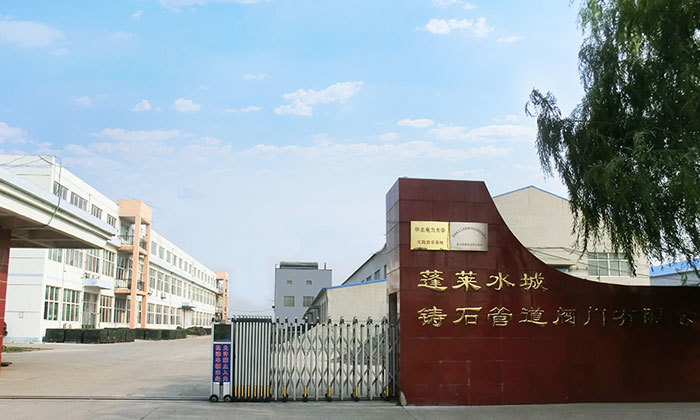
About UsSpecializing in the production and sales of wear-resistant materials such as cast basalt products, the company has obtained over 20 invention patents and utility model patents, and was awarded the "Shandong Star Enterprise of China Patent" title. The company has a history of over 20 years, and currently owns a single basalt cast basalt production line with a production capacity of 15000 tons/year, and mechanical processing equipment with an annual output of 5000 wear-resistant valves and 20000 clamp-type flexible pipe joints.
-
Cast BasaltCast basalt products include cast basalt pipes, cast basalt tiles, cast basalt powder, cast basalt lined steel pipes, etc., mainly used in industries such as electric power, metallurgy, mining, coal, building materials, and chemical.

-
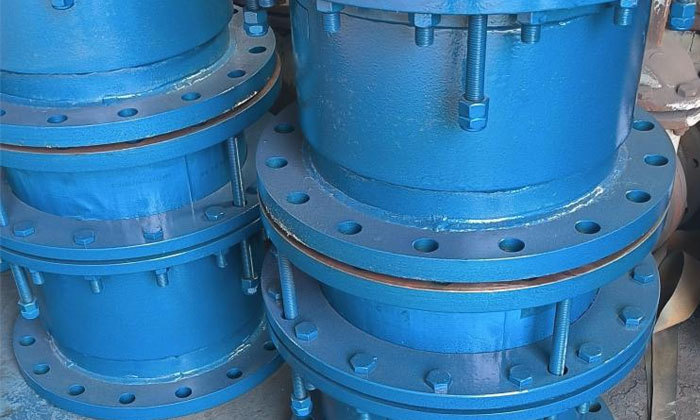
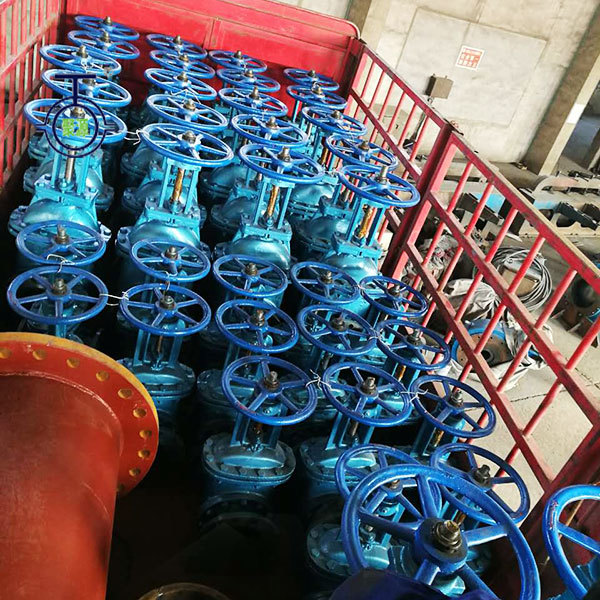
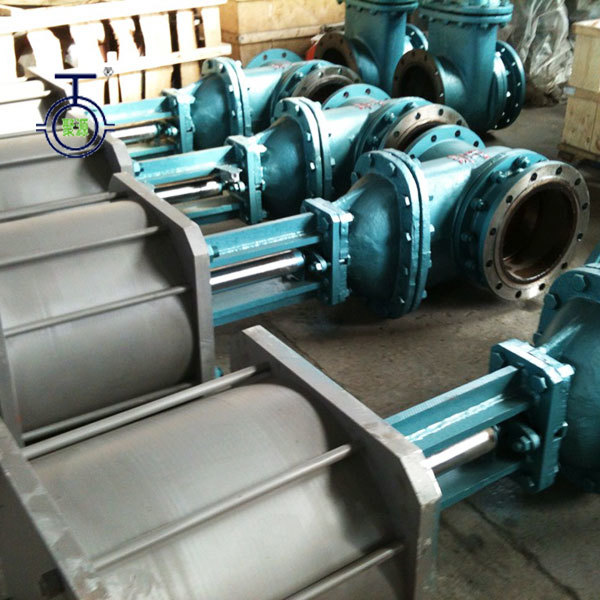
ValveCast basalt ball valves are durable, have a long service life, low fluid resistance, reliable sealing, wear and corrosion resistance, and the sealing surfaces of the ball and valve seat are always isolated from the medium during the fully open and fully closed processes of the valve, so that the medium passing through the valve at high speed will not erode the sealing surface.
-
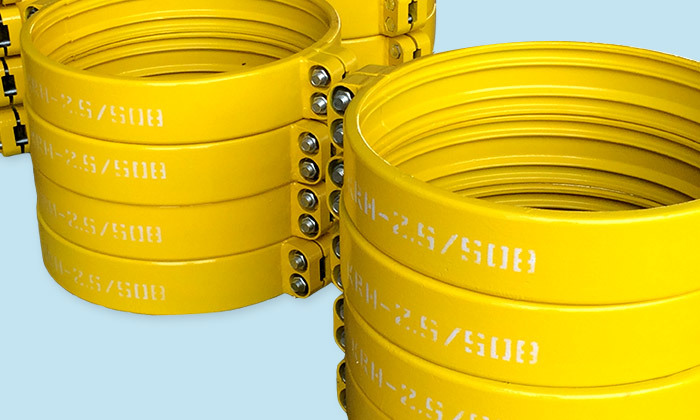
Pipe FittingClamp-type flexible pipe joints are used to connect pipes. KRH and KRJ series rolled clamp-type flexible pipe joints are patented products of our factory. They can effectively compensate for thermal expansion and contraction caused by temperature changes in the pipeline system, and can also compensate for angular changes caused by pipeline foundation settlement. They are high-pressure resistant, easy to install, and have a much better price-performance ratio than flange connections.
-
BLOGSince its establishment in 1986, the company has cumulatively produced: over 1600 kilometers of cast basalt lined steel pipes; over 260000 sets of flexible pipe joints; over 18000 valves of various types. Its products cover all provinces nationwide and are exported to countries such as South Korea, the United States, Serbia, South Africa, Zimbabwe, Japan, India, Vietnam, Russia, Poland, Ukraine, Kazakhstan, and Australia.

Unlocking Durability: The Benefits of Corrosion-Proof Cast Basalt Tile
Unlocking Durability: The Benefits of Corrosion-Proof Cast Basalt Tile Table of Contents Introduction to Cast Basalt Tiles What is Cast Basalt? Benefits of Using Cast Basalt Tiles Exceptional Durability Superior Chemical Resistance Thermal Shock Resistance Low Maintenance Requirements Environmentally Friendly Choice
Unlocking Durability: The Benefits of Corrosion-Proof Cast Basalt Tile
Table of Contents
- Introduction to Cast Basalt Tiles
- What is Cast Basalt?
- Benefits of Using Cast Basalt Tiles
- Exceptional Durability
- Superior Chemical Resistance
- Thermal Shock Resistance
- Low Maintenance Requirements
- Environmentally Friendly Choice
- Applications of Cast Basalt Tiles
- Installation and Care of Cast Basalt Tiles
- Cost-Effectiveness of Cast Basalt Tiles
- Frequently Asked Questions
- Conclusion
Introduction to Cast Basalt Tiles
Cast basalt tiles are a revolutionary flooring solution designed to withstand the rigors of demanding industrial environments. These tiles are manufactured from molten basalt rock, which is cooled and hardened to create a highly durable material. This unique manufacturing process results in a tile that not only meets but exceeds the expectations of performance, making it an excellent choice for various applications. In this article, we will explore the numerous benefits of corrosion-proof cast basalt tiles, their applications, and essential maintenance tips to ensure longevity.
What is Cast Basalt?
Cast basalt is derived from volcanic rock, specifically basalt, through a meticulous casting process. The raw basalt is heated to a molten state and poured into molds to form tiles. This process allows for precise control over the tile's density and structural integrity, resulting in a product that offers remarkable mechanical strength and resistance to wear. Cast basalt is renowned for its non-porous nature, making it an ideal candidate for environments with exposure to corrosive substances.
Benefits of Using Cast Basalt Tiles
Exceptional Durability
One of the standout features of cast basalt tiles is their exceptional durability. These tiles boast a high compressive strength, enabling them to endure significant loads without cracking or breaking. This durability makes cast basalt tiles suitable for areas with heavy machinery or foot traffic, providing a long-lasting solution that reduces the need for frequent replacements.
Superior Chemical Resistance
In industrial settings, exposure to chemicals is often unavoidable. Cast basalt tiles are designed to resist a wide range of corrosive substances, including acids and alkalis. This resistance ensures that the tiles maintain their structural integrity and appearance over time, even in the most challenging chemical environments. The ability to withstand such harsh conditions makes cast basalt tiles an invaluable investment for facilities that deal with corrosive materials.
Thermal Shock Resistance
Another significant advantage of cast basalt tiles is their thermal shock resistance. These tiles can withstand rapid temperature fluctuations without compromising their structural integrity. This characteristic is particularly beneficial in industries where processes involve extreme heat or cold, such as metalworking or food processing. The ability to resist thermal shock significantly reduces the risk of cracking, ensuring the longevity of the flooring.
Low Maintenance Requirements
Maintaining flooring can be a daunting task, especially in industrial environments. However, cast basalt tiles require minimal maintenance. Their non-porous surface prevents the accumulation of dirt, grime, and staining agents, making cleaning straightforward with basic detergents. Routine maintenance is often limited to regular sweeping and occasional mopping, allowing facilities to focus on productivity rather than upkeep.
Environmentally Friendly Choice
In today's world, sustainability is a key consideration for businesses. Cast basalt tiles are an environmentally friendly choice, as they are made from natural materials and can be recycled at the end of their life cycle. Additionally, their longevity reduces the need for replacements, further minimizing environmental impact. By choosing cast basalt, companies can enhance their green credentials while still investing in quality materials.
Applications of Cast Basalt Tiles
The versatility of cast basalt tiles allows them to be utilized in various environments, each benefiting from the unique properties of this durable material.
Industrial Applications
In industrial settings, cast basalt tiles are ideal for areas exposed to heavy machinery, chemicals, and thermal shock. Industries such as mining, metal processing, and chemical manufacturing frequently employ cast basalt tiles in flooring, wall linings, and other surfaces requiring durability and chemical resistance. Their ability to withstand the rigors of these environments ensures safety and efficiency in operations.
Commercial Applications
Beyond industrial uses, cast basalt tiles are also making their mark in commercial applications. Retail spaces, restaurants, and healthcare facilities can benefit from the aesthetic appeal and durability of cast basalt flooring. The non-slip surface of these tiles enhances safety for customers and employees alike, while their low maintenance requirements enable businesses to maintain a pristine appearance with ease.
Installation and Care of Cast Basalt Tiles
Installing cast basalt tiles requires careful planning and execution to ensure optimal performance. It is advisable to engage professional installers who understand the specific requirements of working with these tiles. They will prepare the substrate correctly, ensuring proper adhesion and longevity.
After installation, it's essential to implement a cleaning routine that involves regular sweeping and mopping. Avoid using harsh chemicals that could damage the surface. For heavy-duty cleaning, use pH-neutral cleaners to maintain the integrity of the tiles.
Cost-Effectiveness of Cast Basalt Tiles
While the initial investment in cast basalt tiles may be higher than traditional flooring options, their durability and low maintenance costs make them a cost-effective solution in the long run. Reduced replacement frequency and lower cleaning costs contribute to significant savings over time. Companies that prioritize durability and performance will find cast basalt tiles to be a financially sound choice.
Frequently Asked Questions
1. Are cast basalt tiles suitable for outdoor use?
Yes, cast basalt tiles can be used outdoors due to their resistance to weathering and temperature fluctuations.
2. How do cast basalt tiles compare to ceramic tiles?
Cast basalt tiles offer superior durability, chemical resistance, and thermal shock resistance compared to ceramic tiles, making them more suitable for industrial applications.
3. Can cast basalt tiles be installed over existing flooring?
In some cases, cast basalt tiles can be installed over existing flooring if the substrate is stable and properly prepared. Consulting with a professional installer is recommended.
4. What is the lifespan of cast basalt tiles?
With proper installation and maintenance, cast basalt tiles can last for several decades, making them a long-term investment.
5. Are there any design options available for cast basalt tiles?
Yes, cast basalt tiles come in various colors and finishes, allowing for customization to suit the aesthetic preferences of different spaces.
Conclusion
Corrosion-proof cast basalt tiles offer a unique combination of durability, chemical resistance, and low maintenance, making them an ideal choice for a variety of applications in industrial and commercial settings. Their ability to withstand harsh conditions while maintaining aesthetic appeal highlights their versatility and practicality. By choosing cast basalt tiles, businesses invest in a long-lasting solution that enhances safety and operational efficiency, ultimately contributing to their bottom line. Embracing this innovative material is a step towards unlocking unmatched durability and performance in flooring solutions.
Recommended

Optimizing Your Equipment with Cast Basalt Cylinder Technology: A Comprehensive Guide

Supplier of wear-resistant material solutions, specializing in cast basalt products
Many years of focus on the production and sales of high-quality wear-resistant materials, mainly used in power, metallurgy, mining, coal, building materials, chemical, and other industries.
Leave your contact information to get the latest product discount information

Mobile Website

Contact Us
Phone: +86-535-5632189 / 5666528 / 5637763
Fax: +86-535-5666528 / 5642975
Email: z.minhui@plsczsgdfm.com
Address: No. 6 Zhenxing, Liujiagou Town, Penglai District, Yantai City, Shandong Province


