
-
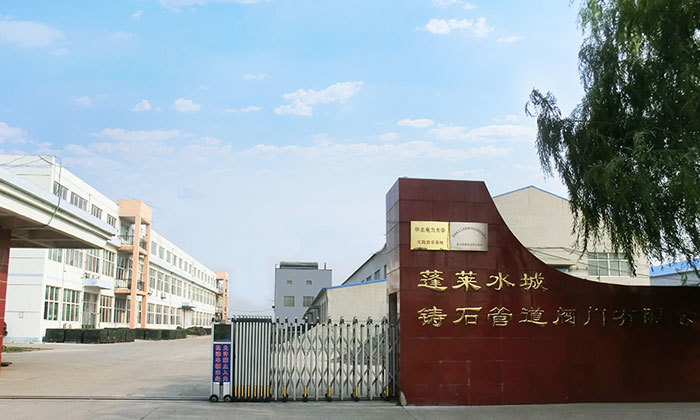
About UsSpecializing in the production and sales of wear-resistant materials such as cast basalt products, the company has obtained over 20 invention patents and utility model patents, and was awarded the "Shandong Star Enterprise of China Patent" title. The company has a history of over 20 years, and currently owns a single basalt cast basalt production line with a production capacity of 15000 tons/year, and mechanical processing equipment with an annual output of 5000 wear-resistant valves and 20000 clamp-type flexible pipe joints.
-
Cast BasaltCast basalt products include cast basalt pipes, cast basalt tiles, cast basalt powder, cast basalt lined steel pipes, etc., mainly used in industries such as electric power, metallurgy, mining, coal, building materials, and chemical.

-
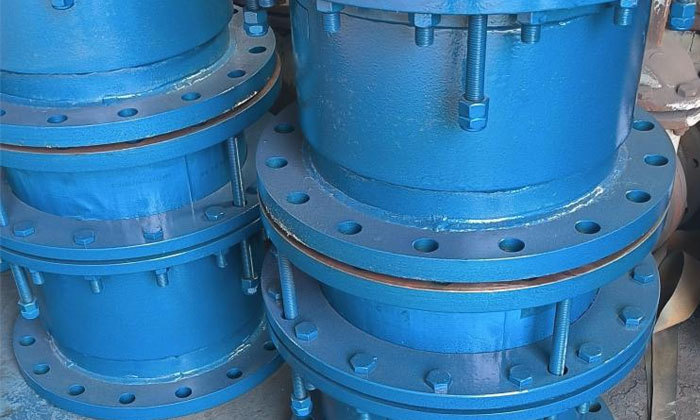
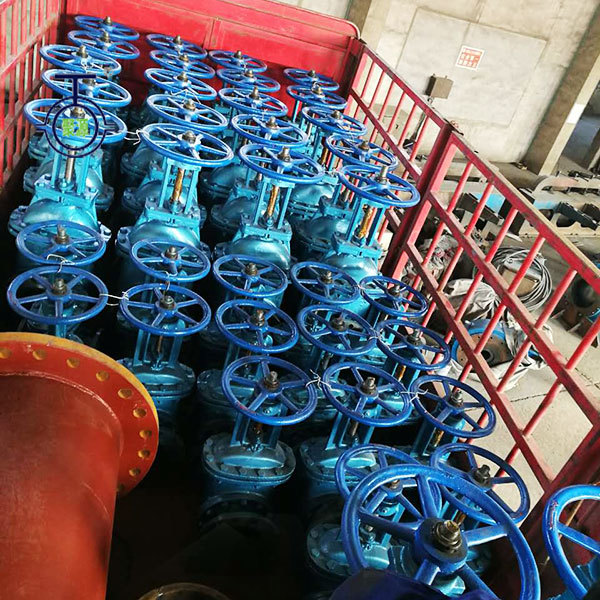
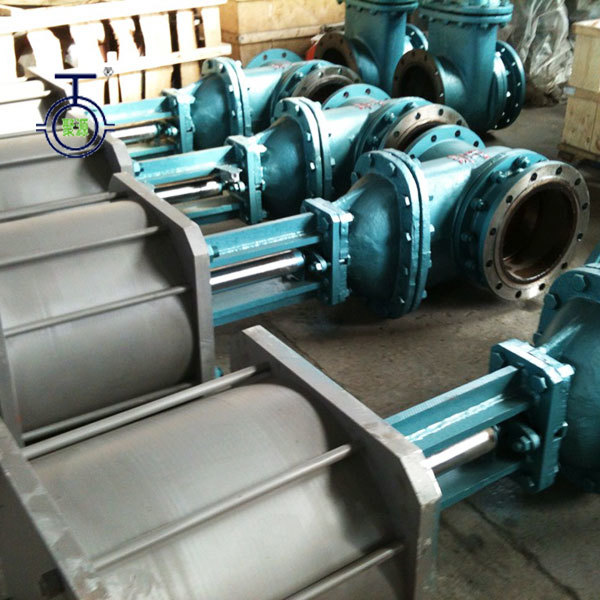
ValveCast basalt ball valves are durable, have a long service life, low fluid resistance, reliable sealing, wear and corrosion resistance, and the sealing surfaces of the ball and valve seat are always isolated from the medium during the fully open and fully closed processes of the valve, so that the medium passing through the valve at high speed will not erode the sealing surface.
-
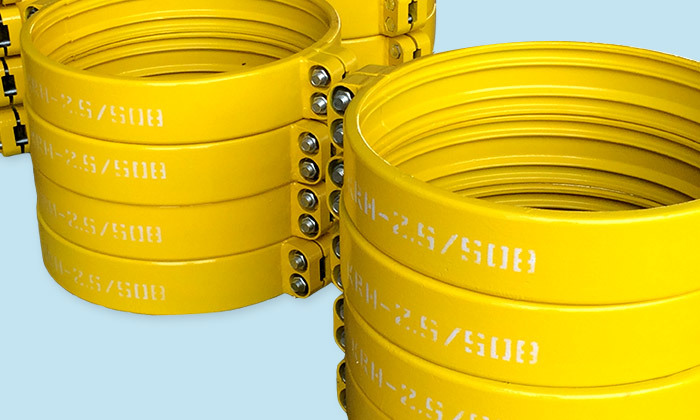
Pipe FittingClamp-type flexible pipe joints are used to connect pipes. KRH and KRJ series rolled clamp-type flexible pipe joints are patented products of our factory. They can effectively compensate for thermal expansion and contraction caused by temperature changes in the pipeline system, and can also compensate for angular changes caused by pipeline foundation settlement. They are high-pressure resistant, easy to install, and have a much better price-performance ratio than flange connections.
-
BLOGSince its establishment in 1986, the company has cumulatively produced: over 1600 kilometers of cast basalt lined steel pipes; over 260000 sets of flexible pipe joints; over 18000 valves of various types. Its products cover all provinces nationwide and are exported to countries such as South Korea, the United States, Serbia, South Africa, Zimbabwe, Japan, India, Vietnam, Russia, Poland, Ukraine, Kazakhstan, and Australia.

The Role of Cast Basalt Cylinders in Sustainable Manufacturing Practices
The Role of Cast Basalt Cylinders in Sustainable Manufacturing Practices Introduction to Cast Basalt Cylinders Cast basalt cylinders are quickly gaining recognition in various industrial applications due to their unique properties and environmental sustainability. Made from natural volcanic rock, these cylinders offer a plethora of advantages in manufacturing processes, particularly in terms of du
The Role of Cast Basalt Cylinders in Sustainable Manufacturing Practices
Introduction to Cast Basalt Cylinders
Cast basalt cylinders are quickly gaining recognition in various industrial applications due to their unique properties and environmental sustainability. Made from natural volcanic rock, these cylinders offer a plethora of advantages in manufacturing processes, particularly in terms of durability and thermal resistance. In this article, we will explore the significant role cast basalt cylinders play in sustainable manufacturing, highlighting their applications, benefits, and the future of their use in industry.
What are Cast Basalt Cylinders?
Cast basalt cylinders are engineered components produced through the casting of basalt, a naturally occurring volcanic rock. The manufacturing process involves melting basalt at high temperatures and then shaping it into cylindrical forms, which can be used across numerous applications. Their distinctive properties include excellent wear resistance, high-temperature stability, and chemical inertness, making them suitable for various industrial uses.
Applications of Cast Basalt Cylinders in Industry
The versatility of cast basalt cylinders allows them to be used in several sectors, including:
1. Mining and Mineral Processing
In the mining industry, cast basalt cylinders are often employed as liners and protective components for chutes, hoppers, and pipelines. Their wear-resistant nature ensures longevity, reducing the frequency of replacements and maintenance.
2. Chemical Processing
Cast basalt cylinders exhibit outstanding resistance to corrosive chemicals, making them ideal for use in the chemical processing industry. They can be utilized as protective liners in tanks and pipes, enhancing the durability of equipment and minimizing downtime.
3. Food and Beverage Industry
The food and beverage industry also benefits from cast basalt cylinders, particularly in applications requiring high temperatures and resistance to wear. Their non-reactive nature ensures that they do not contaminate products, making them a safe option for processing equipment.
4. Power Generation
In power generation, cast basalt cylinders are utilized in various systems, including heat exchangers and cooling systems. Their thermal resistance helps maintain efficient energy transfer, contributing to more sustainable operations.
The Environmental Impact of Cast Basalt Cylinders
Sustainability is a pressing concern for industries today. Cast basalt cylinders contribute significantly to sustainable manufacturing practices in several ways:
1. Reduced Resource Consumption
The durability of cast basalt cylinders means that they have a longer lifespan than traditional materials. This longevity reduces the frequency of replacements, leading to lower resource consumption and waste generation.
2. Energy Efficiency
The heat-resistant properties of cast basalt cylinders allow for more efficient thermal management in manufacturing processes. By maintaining optimal temperatures, they help reduce energy consumption and lower greenhouse gas emissions.
3. Recycling Potential
Cast basalt can often be recycled, reducing waste and promoting a circular economy. After their useful life, cast basalt products can be crushed and reused in various applications, minimizing landfill impact.
Benefits of Using Cast Basalt Cylinders in Manufacturing
Integrating cast basalt cylinders into manufacturing processes offers numerous benefits:
1. Enhanced Durability and Performance
One of the primary advantages of cast basalt cylinders is their exceptional durability. They can withstand harsh operating conditions, resisting wear, impact, and thermal shock. This resilience ensures consistent performance over time.
2. Cost-Effectiveness
While the initial investment in cast basalt cylinders may be higher than conventional materials, their long lifespan and reduced maintenance needs lead to significant cost savings in the long run.
3. Improved Safety Standards
In industries where equipment safety is paramount, cast basalt cylinders minimize risks associated with equipment failures. Their stability and reliability contribute to safer working environments, protecting both employees and assets.
4. Versatile Manufacturing Solutions
Cast basalt cylinders can be customized to meet specific needs, making them suitable for a wide range of applications. This versatility allows manufacturers to find tailored solutions for their production challenges.
Best Practices for Implementing Cast Basalt Cylinders in Manufacturing
To maximize the benefits of cast basalt cylinders, manufacturers should consider the following best practices:
1. Conduct Thorough Research
Before integrating cast basalt cylinders into your manufacturing processes, conduct comprehensive research to understand their properties, benefits, and potential applications specific to your industry.
2. Collaborate with Experts
Working with specialists in cast basalt technology can provide valuable insights into the best ways to implement these cylinders in your operations. Their expertise can guide you in selecting the right products for your needs.
3. Monitor Performance
Once cast basalt cylinders are integrated into your manufacturing processes, it is essential to monitor their performance regularly. This will help identify any issues early on and ensure that you are reaping the maximum benefits.
4. Provide Training for Employees
Educating your workforce about the advantages and proper handling of cast basalt cylinders will enhance their effectiveness. Training can also ensure that safety protocols are followed, further reducing risks in the workplace.
Challenges and Limitations of Cast Basalt Cylinders
While cast basalt cylinders offer numerous benefits, it is essential to recognize their challenges:
1. Initial Cost
The upfront cost of cast basalt products can be a barrier for some manufacturers. It is crucial to weigh this initial investment against the long-term benefits and cost savings.
2. Availability of Suppliers
The availability of cast basalt cylinders may vary by region, making it challenging for some manufacturers to source these materials consistently.
3. Special Handling Requirements
Due to their weight and fragility, cast basalt cylinders require careful handling during installation and maintenance. Ensuring that staff are trained to manage these products safely is vital.
Future Trends in the Use of Cast Basalt Cylinders
As the push for sustainability continues, cast basalt cylinders are expected to see increased adoption in various industries:
1. Technological Advancements
Ongoing research into enhancing the properties of cast basalt, including its customization and efficiency, will likely lead to new applications and improved performance.
2. Growing Demand for Sustainable Solutions
With an increasing focus on sustainability, manufacturers are likely to seek greener alternatives. Cast basalt cylinders align well with this trend, offering a sustainable solution for many industrial challenges.
3. Integration with Smart Manufacturing
As industries embrace smart technologies, cast basalt cylinders can be integrated into automated systems for monitoring performance and maintenance, further improving their efficiency and sustainability.
FAQs about Cast Basalt Cylinders in Sustainable Manufacturing
1. What materials are used to make cast basalt cylinders?
Cast basalt cylinders are made from natural volcanic rock, which is melted and cast into cylindrical shapes.
2. How do cast basalt cylinders contribute to sustainability?
These cylinders reduce resource consumption, improve energy efficiency, and have recycling potential, promoting a circular economy.
3. What industries benefit from using cast basalt cylinders?
Industries such as mining, chemical processing, food and beverage, and power generation benefit from cast basalt cylinders due to their durability and resistance to wear and corrosion.
4. Are cast basalt cylinders cost-effective?
While the initial investment may be higher, the long lifespan and reduced maintenance needs of cast basalt cylinders lead to significant cost savings in the long run.
5. Can cast basalt cylinders be recycled?
Yes, cast basalt products can often be crushed and reused, minimizing waste and contributing to sustainability goals.
Conclusion
Cast basalt cylinders play a pivotal role in advancing sustainable manufacturing practices across various industries. Their unique properties, combined with their environmental benefits, make them an appealing choice for manufacturers seeking to adopt eco-friendly solutions. By understanding their applications, benefits, and best practices, industries can integrate these innovative materials into their processes, contributing to a more sustainable future. Embracing cast basalt technology not only enhances operational efficiency but also aligns with the growing demand for sustainable manufacturing practices in today’s competitive landscape.
Recommended

Optimizing Your Equipment with Cast Basalt Cylinder Technology: A Comprehensive Guide

Supplier of wear-resistant material solutions, specializing in cast basalt products
Many years of focus on the production and sales of high-quality wear-resistant materials, mainly used in power, metallurgy, mining, coal, building materials, chemical, and other industries.
Leave your contact information to get the latest product discount information

Mobile Website

Contact Us
Phone: +86-535-5632189 / 5666528 / 5637763
Fax: +86-535-5666528 / 5642975
Email: z.minhui@plsczsgdfm.com
Address: No. 6 Zhenxing, Liujiagou Town, Penglai District, Yantai City, Shandong Province


