
-
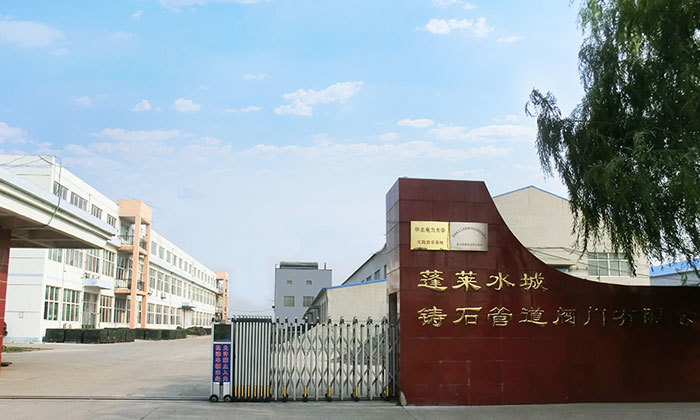
About UsSpecializing in the production and sales of wear-resistant materials such as cast basalt products, the company has obtained over 20 invention patents and utility model patents, and was awarded the "Shandong Star Enterprise of China Patent" title. The company has a history of over 20 years, and currently owns a single basalt cast basalt production line with a production capacity of 15000 tons/year, and mechanical processing equipment with an annual output of 5000 wear-resistant valves and 20000 clamp-type flexible pipe joints.
-
Cast BasaltCast basalt products include cast basalt pipes, cast basalt tiles, cast basalt powder, cast basalt lined steel pipes, etc., mainly used in industries such as electric power, metallurgy, mining, coal, building materials, and chemical.

-
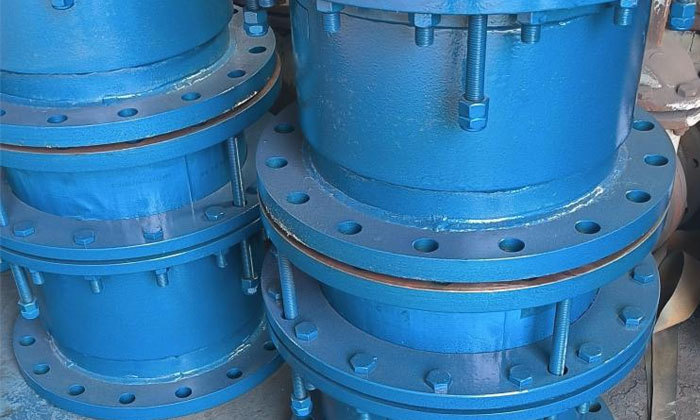
ValveCast basalt ball valves are durable, have a long service life, low fluid resistance, reliable sealing, wear and corrosion resistance, and the sealing surfaces of the ball and valve seat are always isolated from the medium during the fully open and fully closed processes of the valve, so that the medium passing through the valve at high speed will not erode the sealing surface.
-
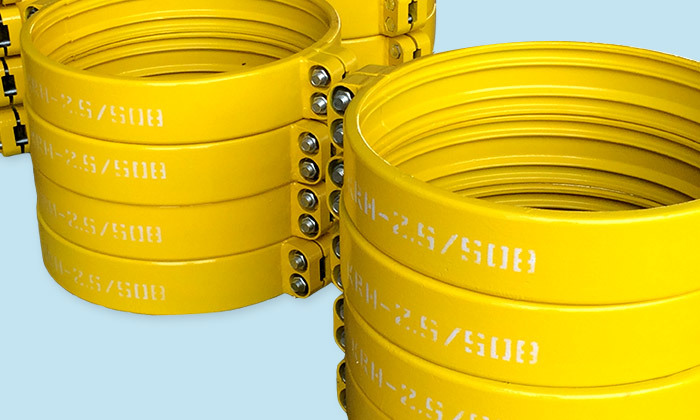
Pipe FittingClamp-type flexible pipe joints are used to connect pipes. KRH and KRJ series rolled clamp-type flexible pipe joints are patented products of our factory. They can effectively compensate for thermal expansion and contraction caused by temperature changes in the pipeline system, and can also compensate for angular changes caused by pipeline foundation settlement. They are high-pressure resistant, easy to install, and have a much better price-performance ratio than flange connections.
-
BLOGSince its establishment in 1986, the company has cumulatively produced: over 1600 kilometers of cast basalt lined steel pipes; over 260000 sets of flexible pipe joints; over 18000 valves of various types. Its products cover all provinces nationwide and are exported to countries such as South Korea, the United States, Serbia, South Africa, Zimbabwe, Japan, India, Vietnam, Russia, Poland, Ukraine, Kazakhstan, and Australia.

Future-Proofing Your Operations with Cast Basalt Cylinder Technology
Future-Proofing Your Operations with Cast Basalt Cylinder Technology Introduction to Cast Basalt Technology In the rapidly evolving industrial landscape, companies continuously seek ways to enhance efficiency and sustainability. One such breakthrough is **cast basalt cylinder technology**, renowned for its durability and performance in extreme conditions. This article will delve into the intricaci
Future-Proofing Your Operations with Cast Basalt Cylinder Technology
Introduction to Cast Basalt Technology
In the rapidly evolving industrial landscape, companies continuously seek ways to enhance efficiency and sustainability. One such breakthrough is **cast basalt cylinder technology**, renowned for its durability and performance in extreme conditions. This article will delve into the intricacies of cast basalt, its applications, and how it can future-proof your operations.
Understanding Cast Basalt
Cast basalt is a high-performance ceramic material that is formed by melting natural basalt rock and casting it into specific shapes. This process results in a product that exhibits exceptional hardness, chemical resistance, and thermal stability. The unique properties of cast basalt make it an excellent choice for various applications, particularly in industries involving **casting and heat treatment processes**.
The Composition of Cast Basalt
The primary component of cast basalt is natural basalt, a volcanic rock rich in silicates. When subjected to high temperatures, basalt melts and can be molded into various shapes, including cylinders. The composition and the manufacturing process contribute to its remarkable attributes, such as:
- **High compressive strength**: Cast basalt withstands significant pressure without deformation.
- **Low thermal conductivity**: This feature makes it ideal for applications requiring thermal insulation.
- **Excellent chemical resistance**: It resists acids, alkalis, and other harsh chemicals, extending its lifespan.
Benefits of Cast Basalt Cylinder Technology
Investing in cast basalt cylinder technology can offer numerous benefits, enhancing the operational efficiency of your industrial processes.
1. Superior Durability
Cast basalt exhibits exceptional durability, making it resistant to wear and tear. In environments where traditional materials fail, cast basalt remains intact, ensuring that operations continue without interruption. This longevity translates into reduced material replacement costs and minimized downtime.
2. Cost-Effectiveness
While the initial investment in cast basalt technology may be higher than conventional materials, the long-term savings are significant. Its durability reduces maintenance needs and replacement frequency, ultimately lowering overall operational costs.
3. Resistance to Extreme Conditions
Cast basalt cylinders perform admirably in extreme temperatures and corrosive environments. They can withstand rapid temperature fluctuations and resist the degradation caused by chemical exposure, ensuring reliable performance even in the harshest conditions.
4. Improved Efficiency
The low thermal conductivity of cast basalt helps maintain desired temperatures during heat treatment processes, which can lead to improved energy efficiency. By minimizing heat loss, operations can achieve better energy utilization and lower costs.
5. Versatility in Applications
Cast basalt cylinder technology is versatile, suitable for various applications within the casting and heat treatment industries. Common uses include:
- **Pipes and fittings** for transporting abrasive materials.
- **Lining for furnaces and kilns** to enhance thermal insulation and protection.
- **Chutes and hoppers** to facilitate the handling of bulk materials.
Applications of Cast Basalt Technology in Industry
Understanding the specific applications of cast basalt technology can help industries determine where to implement it for maximum impact.
1. Foundries and Metal Casting
In foundries, cast basalt cylinders are used to line casting molds and furnaces, providing a durable barrier against molten metal and reducing heat loss. This application enhances the longevity of the equipment and ensures consistent casting quality.
2. Heat Treatment Facilities
Heat treatment processes require materials that can withstand high temperatures and resist chemical attacks. Cast basalt cylinders offer an ideal solution, promoting optimal heat distribution and reducing energy consumption.
3. Mineral Processing
In mineral processing, cast basalt is utilized in equipment that handles abrasive materials. Its wear resistance ensures that machinery operates effectively over extended periods, minimizing maintenance and downtimes.
4. Chemical Processing
The chemical industry often deals with corrosive substances. Cast basalt's chemical resistance makes it suitable for linings in reactors and storage tanks, ensuring safety and longevity.
5. Waste Management
In waste management, cast basalt technology can be utilized in systems designed to handle abrasive and corrosive waste materials, ensuring a safe and efficient process while extending the lifespan of the equipment involved.
Future-Proofing Your Operations
To future-proof your operations, it's essential to adopt innovative technologies that enhance both performance and sustainability. Cast basalt cylinder technology aligns perfectly with these goals, offering not only durability and efficiency but also the ability to adapt to changing industry demands.
1. Sustainability Considerations
As industries face increasing pressure to operate sustainably, cast basalt offers a low-impact solution. Its longevity means fewer replacements and less waste, aligning with eco-friendly practices.
2. Integration with Smart Technologies
Incorporating cast basalt technology with smart manufacturing practices can further enhance operational efficiency. Utilizing sensors to monitor wear and performance can optimize the lifespan and effectiveness of cast basalt components.
Frequently Asked Questions
1. What is cast basalt technology?
Cast basalt technology refers to the process of creating high-performance ceramic materials by melting and casting natural basalt rock. This technology results in durable and chemically resistant products used in various industrial applications.
2. What are the main benefits of using cast basalt cylinders?
The primary benefits include superior durability, cost-effectiveness, resistance to extreme conditions, improved efficiency, and versatility in applications across multiple industries.
3. How does cast basalt compare to traditional materials?
Cast basalt outperforms traditional materials in terms of wear resistance, thermal insulation, and chemical resilience, making it a more reliable option for demanding environments.
4. In which industries is cast basalt technology commonly used?
Cast basalt technology finds applications in foundries, heat treatment facilities, mineral processing, chemical processing, and waste management.
5. Can cast basalt cylinders be customized for specific applications?
Yes, cast basalt can be customized in terms of shape, size, and thickness to meet the specific needs of various industrial applications.
Conclusion
In conclusion, investing in **cast basalt cylinder technology** is a strategic move for industries looking to enhance efficiency, durability, and sustainability. With its impressive resistance to extreme conditions and versatility across multiple applications, cast basalt stands out as a future-proof solution. By integrating this innovative technology into operations, companies can ensure long-term success and adaptability in an ever-changing industrial landscape. Embrace the future of industrial operations with cast basalt and experience the difference it can make in your production processes.
Previous
Recommended

Future-Proofing Your Operations with Cast Basalt Cylinder Technology

Supplier of wear-resistant material solutions, specializing in cast basalt products
Many years of focus on the production and sales of high-quality wear-resistant materials, mainly used in power, metallurgy, mining, coal, building materials, chemical, and other industries.
Leave your contact information to get the latest product discount information

Mobile Website

Contact Us
Phone: +86-535-5632189 / 5666528 / 5637763
Fax: +86-535-5666528 / 5642975
Email: z.minhui@plsczsgdfm.com
Address: No. 6 Zhenxing, Liujiagou Town, Penglai District, Yantai City, Shandong Province


