
-
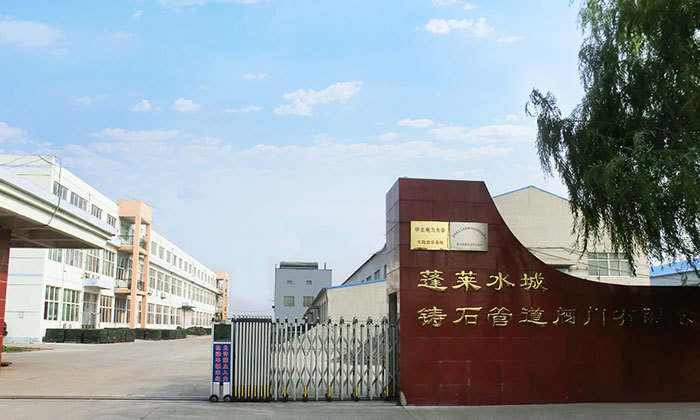
About UsSpecializing in the production and sales of wear-resistant materials such as cast basalt products, the company has obtained over 20 invention patents and utility model patents, and was awarded the "Shandong Star Enterprise of China Patent" title. The company has a history of over 20 years, and currently owns a single basalt cast basalt production line with a production capacity of 15000 tons/year, and mechanical processing equipment with an annual output of 5000 wear-resistant valves and 20000 clamp-type flexible pipe joints.
-
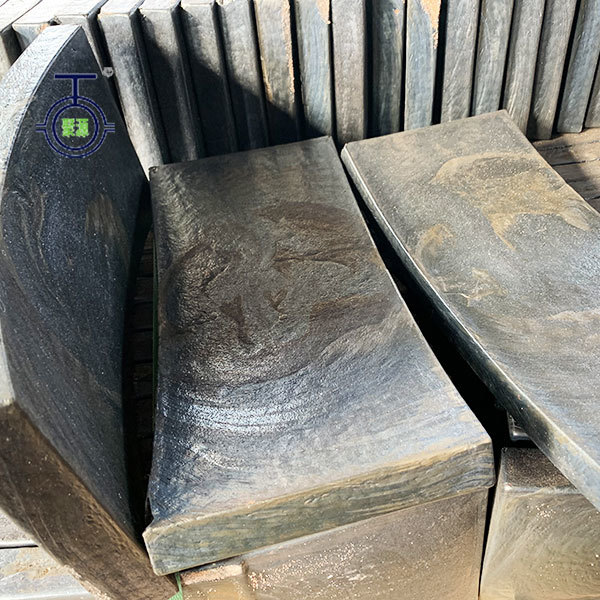
Cast BasaltCast basalt products include cast basalt pipes, cast basalt tiles, cast basalt powder, cast basalt lined steel pipes, etc., mainly used in industries such as electric power, metallurgy, mining, coal, building materials, and chemical.

-
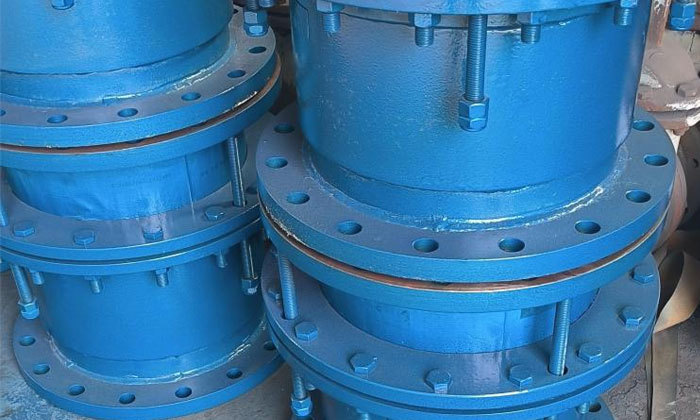
ValveCast basalt ball valves are durable, have a long service life, low fluid resistance, reliable sealing, wear and corrosion resistance, and the sealing surfaces of the ball and valve seat are always isolated from the medium during the fully open and fully closed processes of the valve, so that the medium passing through the valve at high speed will not erode the sealing surface.
-
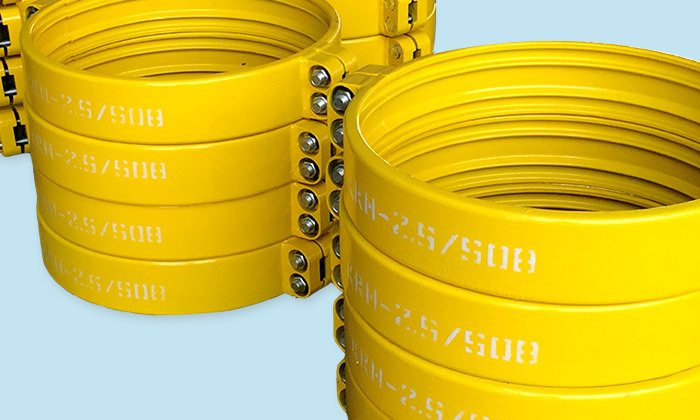
Pipe FittingClamp-type flexible pipe joints are used to connect pipes. KRH and KRJ series rolled clamp-type flexible pipe joints are patented products of our factory. They can effectively compensate for thermal expansion and contraction caused by temperature changes in the pipeline system, and can also compensate for angular changes caused by pipeline foundation settlement. They are high-pressure resistant, easy to install, and have a much better price-performance ratio than flange connections.
-
BLOGSince its establishment in 1986, the company has cumulatively produced: over 1600 kilometers of cast basalt lined steel pipes; over 260000 sets of flexible pipe joints; over 18000 valves of various types. Its products cover all provinces nationwide and are exported to countries such as South Korea, the United States, Serbia, South Africa, Zimbabwe, Japan, India, Vietnam, Russia, Poland, Ukraine, Kazakhstan, and Australia.

Comparing Different Types of Wear-Resistant Flow Control Valves: A Comprehensive Guide
Comparing Different Types of Wear-Resistant Flow Control Valves Flow control valves are vital components in industrial processes, regulating the flow of fluids in various applications. Among these, wear-resistant flow control valves have gained prominence due to their ability to withstand abrasive materials and harsh conditions. In this article, we compare different types of wear-resistant flow co
Comparing Different Types of Wear-Resistant Flow Control Valves
Flow control valves are vital components in industrial processes, regulating the flow of fluids in various applications. Among these, wear-resistant flow control valves have gained prominence due to their ability to withstand abrasive materials and harsh conditions. In this article, we compare different types of wear-resistant flow control valves, offering insights that will help you choose the right option for your specific needs.
Understanding Wear-Resistant Flow Control Valves
Wear-resistant flow control valves are designed to manage and control the flow of fluids while minimizing wear and tear. They are particularly useful in industries where abrasive materials are present, such as mining, cement, and chemical processing. This section will explore the importance of these valves, their design features, and the materials used in their construction.
What Are Wear-Resistant Flow Control Valves?
Wear-resistant flow control valves are engineered to endure high-stress environments, where standard valves might fail due to erosion or corrosion. They are typically manufactured from materials such as hardened steel, ceramic, or composite materials, which offer enhanced resistance to wear.
Importance of Wear Resistance in Flow Control
The ability to withstand wear is crucial in flow control applications. In industries where abrasive materials are transported, standard valves may degrade quickly, leading to leaks, reduced efficiency, and costly downtime. Wear-resistant valves extend service life and optimize operational efficiency.
Key Applications of Wear-Resistant Flow Control Valves
Wear-resistant flow control valves find application in various sectors, including:
1. **Mining and Mineral Processing**: Handling slurries and abrasive materials.
2. **Cement Manufacturing**: Managing the flow of raw materials and finished products.
3. **Chemical Processing**: Controlling corrosive fluids in harsh environments.
4. **Power Generation**: Regulating flow in systems with solid particulates.
Types of Wear-Resistant Flow Control Valves
Different designs of wear-resistant flow control valves cater to specific applications and requirements. Here, we explore several common types and their unique features.
1. Ball Valves
Ball valves are widely used for their simple design and reliability. They feature a spherical closure unit that controls flow by rotating 90 degrees. The wear-resistant variants often use coatings or materials that minimize wear caused by abrasive fluids.
Advantages of Wear-Resistant Ball Valves
- **Low Pressure Drop**: Ensures efficient flow.
- **Durability**: Long-lasting under abrasive conditions.
- **Versatility**: Suitable for various applications.
2. Gate Valves
Gate valves function by raising or lowering a gate to control flow. They are effective for on/off service but are not ideal for throttling applications. Wear-resistant materials ensure longevity in abrasive environments.
Benefits of Wear-Resistant Gate Valves
- **Minimal Resistance**: Low turbulence when fully open.
- **Robust Construction**: Designed for heavy-duty use.
3. Butterfly Valves
Butterfly valves use a rotating disc to regulate flow. They are compact and lightweight, making them ideal for tight spaces. Wear-resistant butterfly valves often include specialized coatings to extend their lifespan.
Features of Wear-Resistant Butterfly Valves
- **Compact Design**: Space-saving installation.
- **Quick Operation**: Fast opening and closing.
4. Check Valves
Check valves allow fluid to flow in one direction while preventing backflow. Wear-resistant designs are crucial in applications where abrasive materials can damage the valve.
Key Benefits of Wear-Resistant Check Valves
- **Safety**: Prevent backflow, protecting equipment.
- **Durability**: Can handle abrasive fluids effectively.
Choosing the Right Wear-Resistant Flow Control Valve
Selecting the appropriate valve involves understanding your application requirements and the specific characteristics of each valve type. Here are essential factors to consider:
1. Application Requirements
Evaluate the specific conditions in which the valve will operate, including:
- **Type of Fluid**: Is it abrasive, corrosive, or viscous?
- **Temperature and Pressure**: What are the maximum operational limits?
2. Material Selection
The material of the valve plays a critical role in its performance. Common materials used in wear-resistant valves include:
- **Hardened Steel**: Excellent strength and durability.
- **Ceramic**: Superior wear resistance, ideal for highly abrasive conditions.
- **Composite Materials**: Lightweight with good wear properties.
3. Size and Flow Capacity
Ensure that the selected valve meets the required flow capacity for your application. The size must align with the piping system to avoid pressure drop or flow restriction.
4. Maintenance Considerations
Some valves may require more maintenance than others. Consider the ease of access for repairs or replacements when choosing your valve type.
Installation and Maintenance Tips for Wear-Resistant Flow Control Valves
Proper installation and maintenance can extend the lifespan of wear-resistant flow control valves. Here are some tips to ensure optimal performance.
Installation Best Practices
- **Follow Manufacturer Guidelines**: Adhere to specified installation procedures for optimal performance.
- **Ensure Proper Alignment**: Misalignment can lead to premature wear or failure.
- **Use Appropriate Gaskets**: Ensure that sealing materials are suitable for the operating conditions.
Regular Maintenance Schedule
- **Routine Inspections**: Check for signs of wear, leaks, or damage regularly.
- **Lubrication**: Ensure moving parts are adequately lubricated to minimize friction.
- **Replace Worn Components**: Timely replacement of worn parts prevents larger issues.
Comparative Analysis of Wear-Resistant Flow Control Valves
To facilitate informed decision-making, we present a comparative analysis of the different types of wear-resistant flow control valves based on key features.
Comparison Table: Wear-Resistant Flow Control Valves
| Valve Type | Advantages | Limitations | Best Used For |
|------------------|----------------------------------------------|------------------------------------------|----------------------------------|
| Ball Valve | Low pressure drop, durable | Not suitable for throttling | General flow control |
| Gate Valve | Minimal resistance when fully open | Slow operation, not for throttling | On/off applications |
| Butterfly Valve | Compact, fast operation | Not as leak-proof as other types | Water and gas applications |
| Check Valve | Prevents backflow, durable | Limited control over flow | Preventing backflow |
Common FAQs About Wear-Resistant Flow Control Valves
1. What materials are used in wear-resistant flow control valves?
The materials commonly used include hardened steel, ceramic, and various composite materials. These materials offer enhanced durability and resistance to wear.
2. How do I know if I need a wear-resistant flow control valve?
If your application involves abrasive materials or harsh environments, a wear-resistant valve is essential to extend service life and maintain efficiency.
3. Can wear-resistant valves be repaired?
Yes, many wear-resistant valves can be repaired, but it often depends on the extent of wear or damage. Regular maintenance can help prolong their lifespan.
4. What is the expected lifespan of a wear-resistant flow control valve?
The lifespan varies based on material, application, and maintenance but can range from several years to decades in optimal conditions.
5. Are wear-resistant flow control valves more expensive?
While they may have a higher initial cost, their durability and reduced maintenance needs can result in overall savings in the long run.
Conclusion
Choosing the right wear-resistant flow control valve is critical for ensuring efficient operation in environments where abrasive materials are present. By understanding the different types of valves available, their applications, and key maintenance practices, we empower you to make informed decisions tailored to your industrial needs. Investing in high-quality wear-resistant valves can lead to significant cost savings, improved efficiency, and reduced downtime, making them a vital component in any demanding industrial operation.
Recommended

Understanding Non-Return Valves for Ash Pipelines: Essential Insights for Industrial Applications

Supplier of wear-resistant material solutions, specializing in cast basalt products
Many years of focus on the production and sales of high-quality wear-resistant materials, mainly used in power, metallurgy, mining, coal, building materials, chemical, and other industries.
Leave your contact information to get the latest product discount information

Mobile Website

Contact Us
Phone: +86-535-5632189 / 5666528 / 5637763
Fax: +86-535-5666528 / 5642975
Email: z.minhui@plsczsgdfm.com
Address: No. 6 Zhenxing, Liujiagou Town, Penglai District, Yantai City, Shandong Province


