
-
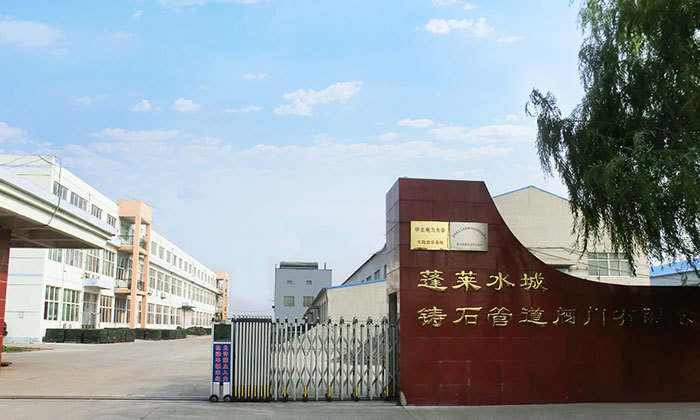
About UsSpecializing in the production and sales of wear-resistant materials such as cast basalt products, the company has obtained over 20 invention patents and utility model patents, and was awarded the "Shandong Star Enterprise of China Patent" title. The company has a history of over 20 years, and currently owns a single basalt cast basalt production line with a production capacity of 15000 tons/year, and mechanical processing equipment with an annual output of 5000 wear-resistant valves and 20000 clamp-type flexible pipe joints.
-
Cast BasaltCast basalt products include cast basalt pipes, cast basalt tiles, cast basalt powder, cast basalt lined steel pipes, etc., mainly used in industries such as electric power, metallurgy, mining, coal, building materials, and chemical.

-
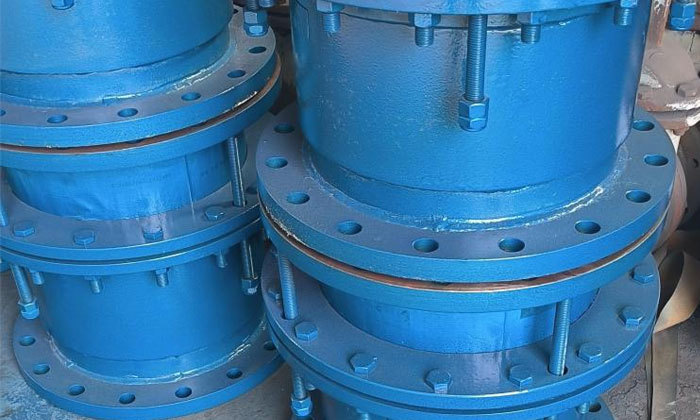
ValveCast basalt ball valves are durable, have a long service life, low fluid resistance, reliable sealing, wear and corrosion resistance, and the sealing surfaces of the ball and valve seat are always isolated from the medium during the fully open and fully closed processes of the valve, so that the medium passing through the valve at high speed will not erode the sealing surface.
-
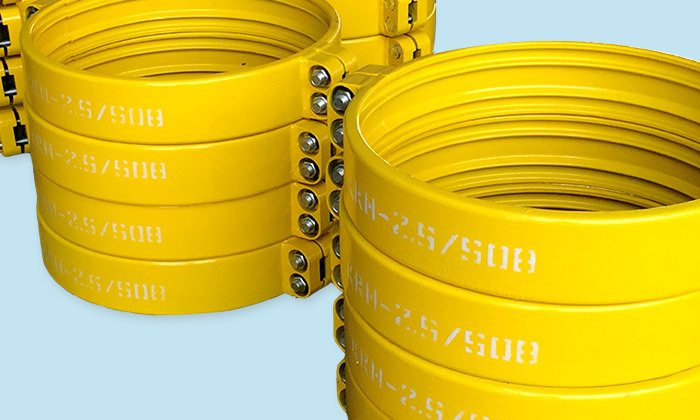
Pipe FittingClamp-type flexible pipe joints are used to connect pipes. KRH and KRJ series rolled clamp-type flexible pipe joints are patented products of our factory. They can effectively compensate for thermal expansion and contraction caused by temperature changes in the pipeline system, and can also compensate for angular changes caused by pipeline foundation settlement. They are high-pressure resistant, easy to install, and have a much better price-performance ratio than flange connections.
-
BLOGSince its establishment in 1986, the company has cumulatively produced: over 1600 kilometers of cast basalt lined steel pipes; over 260000 sets of flexible pipe joints; over 18000 valves of various types. Its products cover all provinces nationwide and are exported to countries such as South Korea, the United States, Serbia, South Africa, Zimbabwe, Japan, India, Vietnam, Russia, Poland, Ukraine, Kazakhstan, and Australia.

Elevate Your Production Line with Corrosion-Proof Cast Basalt Tile Solutions
Elevate Your Production Line with Corrosion-Proof Cast Basalt Tile Solutions In the ever-evolving landscape of industrial manufacturing, efficiency and durability are paramount. One innovative solution that has emerged to meet these demands is corrosion-proof cast basalt tiles. These tiles are revolutionizing production lines across various sectors by offering superior resistance to wear, abrasion
Elevate Your Production Line with Corrosion-Proof Cast Basalt Tile Solutions
In the ever-evolving landscape of industrial manufacturing, efficiency and durability are paramount. One innovative solution that has emerged to meet these demands is corrosion-proof cast basalt tiles. These tiles are revolutionizing production lines across various sectors by offering superior resistance to wear, abrasion, and corrosive substances. In this article, we delve into the benefits, applications, and installation practices associated with cast basalt tiles, providing a roadmap for enhancing your production line.
Table of Contents
- 1. Introduction to Cast Basalt Tiles
- 2. Benefits of Corrosion-Proof Cast Basalt Tiles
- 2.1 Durability and Longevity
- 2.2 Cost-Effectiveness in the Long Run
- 2.3 Enhanced Safety in Industrial Settings
- 3. Applications of Cast Basalt Tiles in Industrial Environments
- 4. Installation Guidelines for Cast Basalt Tiles
- 5. Maintenance Tips for Longevity
- 6. Comparison with Other Flooring Materials
- 7. Case Studies: Success Stories Using Cast Basalt Tiles
- 8. Frequently Asked Questions
- 9. Conclusion
1. Introduction to Cast Basalt Tiles
Cast basalt tiles are made from a unique blend of natural minerals, primarily basalt rock, which is processed at high temperatures to create a dense, hard material. These tiles are engineered to withstand extreme conditions, making them ideal for various industrial environments. Their manufacturing process allows for precision in size and shape, catering to specific requirements of production lines.
2. Benefits of Corrosion-Proof Cast Basalt Tiles
2.1 Durability and Longevity
One of the standout features of corrosion-proof cast basalt tiles is their exceptional durability. Unlike traditional flooring materials, cast basalt is resistant to thermal shock and can endure high temperatures without compromising its structural integrity. This feature is particularly beneficial in industries that involve heat-generating processes, such as metal production and glass manufacturing.
2.2 Cost-Effectiveness in the Long Run
While the initial investment in cast basalt tiles may be higher than alternatives, the long-term savings are significant. Their resistance to wear and corrosion means less frequent replacements, leading to reduced downtime and maintenance costs. Over time, the durability of cast basalt tiles translates into a lower total cost of ownership for industrial facilities.
2.3 Enhanced Safety in Industrial Settings
Safety is a critical concern in any industrial environment. Cast basalt tiles contribute to a safer workplace by providing a slip-resistant surface, reducing the risk of accidents. Additionally, their non-toxic composition ensures that they do not emit harmful chemicals, creating a healthier environment for workers.
3. Applications of Cast Basalt Tiles in Industrial Environments
The versatility of cast basalt tiles makes them suitable for a wide range of industrial applications. They can be employed in:
- Production Facilities: Ideal for flooring in areas exposed to heavy machinery.
- Processing Plants: Used in locations where chemical exposure is prevalent.
- Mining Operations: Effective in environments subject to high abrasion and wear.
- Food Processing Units: Beneficial in areas that require strict hygiene standards due to their non-porous surface.
4. Installation Guidelines for Cast Basalt Tiles
The installation of cast basalt tiles requires careful planning and execution to ensure optimal performance. Here are key steps in the installation process:
- Substrate Preparation: Ensure the substrate is clean, dry, and free from debris to allow for proper adhesion.
- Adhesive Application: Use a suitable adhesive designed for heavy-duty applications to secure the tiles.
- Tile Placement: Arrange tiles meticulously, ensuring tight joints for a seamless finish.
- Grouting: Fill joints with a compatible grout to enhance stability and appearance.
- Curing: Allow the installation to cure according to the manufacturer’s guidelines before heavy usage.
5. Maintenance Tips for Longevity
Maintaining cast basalt tiles is relatively straightforward, contributing to their cost-effectiveness:
- Regular Cleaning: Sweep and mop regularly to prevent buildup of dirt and debris.
- Spot Treatment: Address stains or spills promptly using appropriate cleaning agents.
- Periodic Inspections: Conduct inspections to identify any early signs of wear or damage.
6. Comparison with Other Flooring Materials
When evaluating flooring options, it’s essential to compare cast basalt tiles with other materials such as concrete, ceramic tiles, and vinyl. Cast basalt tiles stand out in terms of:
- Resistance to Chemicals: While concrete may deteriorate, cast basalt tiles resist chemical exposure effectively.
- Maintenance Requirements: Unlike vinyl, which can wear over time, cast basalt tiles require minimal upkeep.
- Longevity: Cast basalt tiles significantly outlast traditional flooring options.
7. Case Studies: Success Stories Using Cast Basalt Tiles
Across various industries, organizations have reported significant improvements in efficiency and safety after transitioning to cast basalt tiles. For instance:
- Manufacturing Plant: A leading manufacturing plant replaced its traditional flooring with cast basalt tiles, resulting in a 40% reduction in maintenance costs over five years.
- Food Processing Facility: A food processing facility saw fewer slip-and-fall accidents after installing slip-resistant cast basalt tiles, significantly enhancing workplace safety.
8. Frequently Asked Questions
What are cast basalt tiles made from?
Cast basalt tiles are made from natural basalt rock, which is processed at high temperatures to create a dense, durable material.
How do cast basalt tiles compare in cost to other flooring materials?
While the initial cost may be higher, cast basalt tiles save money in the long term due to their durability and low maintenance requirements.
Can cast basalt tiles be used in high-temperature environments?
Yes, cast basalt tiles are designed to withstand high temperatures, making them ideal for industrial applications that generate heat.
Are cast basalt tiles eco-friendly?
Yes, they are made from natural materials and do not emit harmful chemicals, contributing to a healthier environment.
What maintenance is required for cast basalt tiles?
Regular cleaning and periodic inspections are generally sufficient to maintain the integrity and appearance of cast basalt tiles.
9. Conclusion
In conclusion, investing in corrosion-proof cast basalt tiles can significantly enhance the productivity and safety of any industrial production line. Their durability, cost-effectiveness, and versatility make them a superior choice over traditional flooring materials. By making the switch to cast basalt tiles, industries can ensure a resilient, efficient, and safe working environment for their operations. Embrace the future of industrial flooring and elevate your production line today.
Recommended

Understanding Non-Return Valves for Ash Pipelines: Essential Insights for Industrial Applications

Supplier of wear-resistant material solutions, specializing in cast basalt products
Many years of focus on the production and sales of high-quality wear-resistant materials, mainly used in power, metallurgy, mining, coal, building materials, chemical, and other industries.
Leave your contact information to get the latest product discount information

Mobile Website

Contact Us
Phone: +86-535-5632189 / 5666528 / 5637763
Fax: +86-535-5666528 / 5642975
Email: z.minhui@plsczsgdfm.com
Address: No. 6 Zhenxing, Liujiagou Town, Penglai District, Yantai City, Shandong Province


